Complete Guide to Kizuki Taisha Shrine (Musashino City): History, Goshuin (Shrine Seals), Fujizuka (Mt. Fuji Mound), and Access Information
Kizuki Taisha Shrine, located in Kyonan-cho, Musashino City, Tokyo, is a historic shrine that was established by inviting the deity from Kizuki Taisha Shrine in Izumo Province (present-day Izumo Taisha Shrine). While its official name is Kizuki Shrine, it is affectionately known as “Kizuki Taisha” by locals. As one of the seven lucky gods of Musashino, and boasting the second largest Fujizuka in the Tama area, it attracts many visitors.
This article comprehensively explains everything you need to know before visiting Kizuki Taisha Shrine, including its history, enshrined deities, highlights within the grounds, goshuin information, annual events, and access methods.
History and Origins of Kitsuki Grand Shrine
Circumstances of its Founding and its Relationship with Matsudaira Naomasa
Kitsuki Grand Shrine is believed to have been founded during the early Edo period, specifically during the Keian era (1648-1652). At that time, the area around present-day Sakai-Minami-cho, Musashino City, was called “Sakai Village” and was a falconry ground for Matsudaira Dewa-no-kami Naomasa, a cousin of the third shogun, Tokugawa Iemitsu.
Matsudaira Naomasa was the first lord of the Matsue Domain in Izumo Province and had close ties to the Tokugawa shogunate. Naomasa established a residence in this area and, as the guardian deity of the residence, invited the deities of both Kitsuki Grand Shrine (present-day Izumo Grand Shrine) and an Inari shrine, thus beginning the founding of Kitsuki Grand Shrine. It is also believed that one of the purposes was to pray for the prosperity of the Tokugawa shogunate and peace throughout the land.
Changes Since the Meiji Era
During the Meiji era, Kitsuki Grand Shrine became the tutelary shrine of Sakai Village, attracting local faith. It was formerly classified as a village shrine and played an important role as the guardian deity of the region.
During the Showa era, particularly after World War II, Kotoshironushi-no-Okami (Ebisu) was invited from Miho Shrine in Izumo Province, and the shrine adopted its current form with Kotoshironushi-no-Okami and the already enshrined Okuninushi-no-Okami (Daikoku) as its main deities. These two deities are widely worshipped as gods of business prosperity and matchmaking.
Kitsuki Grand Shrine Today
Even now, approximately 370 years after its founding, Kitsuki Grand Shrine preserves important cultural assets of Musashino City and functions as a center of faith for local residents. The shrine grounds are dotted with historical buildings and natural monuments, providing a tranquil space that allows visitors to forget the hustle and bustle of the city.
Deities and Blessings
Main Deities
Kitsuki Grand Shrine enshrines the following two deities as its main deities:
Okuninushi-no-Okami
- A god of nation-building, known as the main deity of Izumo Grand Shrine
- One of the Seven Lucky Gods, affectionately known as “Daikoku-sama”
- Blessings of matchmaking, business prosperity, family safety, and protection of agriculture
Kotoshironushi-no-Okami
- A son of Okuninushi-no-Okami
- A god of commerce, known as “Ebisu-sama”
- Blessings of business prosperity, protection of fisheries, and abundant harvests
Musashino Auspicious Seven Lucky Gods
Kitsuki Grand Shrine is one of the temples and shrines of the Musashino Auspicious Seven Lucky Gods, and is responsible for the two deities Daikokuten and Ebisu. The Seven Lucky Gods pilgrimage is a popular New Year’s tradition, attracting many visitors seeking good fortune.
Highlights of the Shrine Grounds
Senbon Ginkgo Trees (City-Designated Natural Monument)
The massive ginkgo tree cluster towering in the center of the shrine grounds is designated as a natural monument of Musashino City. These trees, known as “Senbon Ginkgo” (Thousand Ginkgo Trees), are so named because numerous sprouts grow from a single trunk, making them appear as if there are a thousand trees.
In autumn, they display magnificent yellow foliage, painting the shrine grounds in golden hues. Estimated to be several hundred years old, they are living witnesses to the long history of Kitsuki Grand Shrine.
Fujizuka (Sakai-Minami Fuji)
Within the grounds of Kitsuki Grand Shrine lies the second largest Fujizuka (miniature Mount Fuji) in the Tama region. Also known as “Sakai-Minami Fuji,” this Fujizuka is a valuable cultural asset as a relic of Fuji worship.
Fujizuka are artificial mounds built in the Edo period to resemble Mount Fuji for people who could not climb the actual mountain. The Fujizuka at Kitsuki Grand Shrine is well-preserved, and from its summit, one can enjoy a panoramic view of the shrine grounds. Midway up the Fujizuka is the Fuji Sengen Shrine, dedicated to Konohanasakuya-hime, the goddess of Mount Fuji.
Shrines within and outside the shrine grounds
In addition to the main shrine, several smaller shrines are enshrined within the grounds of Kitsuki Grand Shrine.
Inari Shrine
- An ancient shrine worshipped since the shrine’s founding
- Benefits of abundant harvests and business prosperity
- Dedicated to Ukanomitama-no-kami
Yasaka Shrine
- Deity of protection against disease and misfortune
- Dedicated to Susanoo-no-Mikoto
- Closely associated with the summer festival
Benten Shrine
- Benefits of improvement in performing arts and increased wealth
- Dedicated to Ichikishimahime-no-Mikoto
- Worshipped as the god of water
Kotohira Shrine
- Benefits of safety at sea and traffic safety
- Dedicated to Omononushi-no-Kami
- Invited from Kotohira Shrine in Shikoku
These shrines within the grounds each offer different benefits, catering to the diverse wishes of worshippers.
Shrine Buildings and Torii Gate
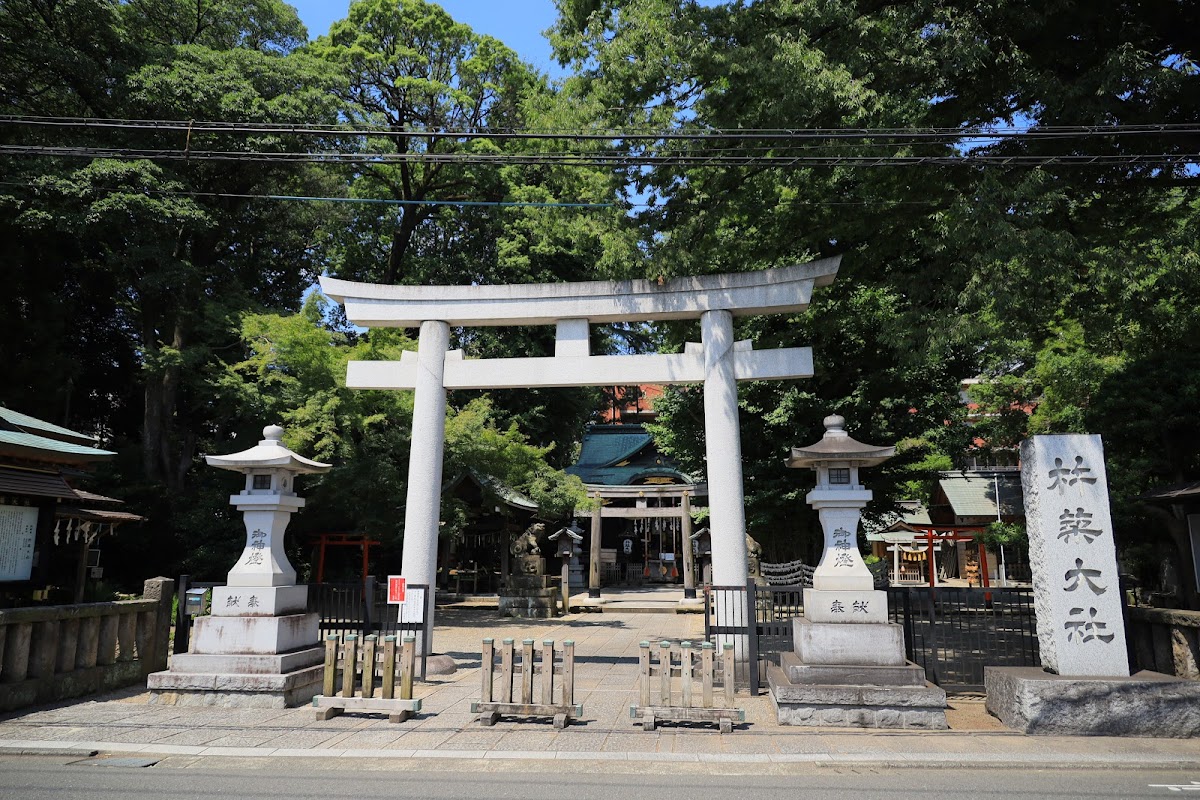
The shrine buildings of Kitsuki Grand Shrine maintain a traditional shrine architectural style, presenting a tranquil and peaceful appearance. A magnificent torii gate stands before the main hall, and walking along the approach to the shrine naturally evokes a sense of purification.
The shrine grounds are lush with greenery, maintaining a tranquil atmosphere despite its urban location. Visitors can take a deep breath within the grounds and enjoy a moment away from the hustle and bustle of everyday life.
Goshuin (Shrine Seal) Information
Types and Characteristics of Goshuin
Kitsuki Taisha Shrine offers standard goshuin. The goshuin features the calligraphy of “Kitsuki Taisha” and the shrine’s seal, giving it a simple yet powerful impression.
Goshuin are available at the shrine office, and the offering fee is a standard amount. While they will write directly in your goshuincho (seal book), pre-printed goshuin may be available during busy periods.
Musashino Kichijoji Seven Lucky Gods Goshuin
During the Seven Lucky Gods pilgrimage period (mainly around New Year’s), special Seven Lucky Gods goshuin are offered. The Goshuin (temple/shrine stamp) bearing the seals of Daikokuten and Ebisu is a popular souvenir of the Seven Lucky Gods pilgrimage.
Goshuin Reception Hours
The reception hours for Goshuin are the same as the opening hours of the shrine office. Generally, it is from 9:00 AM to around 5:00 PM, but this may change during festivals and events. If you want to be sure to receive a Goshuin, it is recommended to check in advance.
Annual Events and Festivals
Grand Festival
The Grand Festival of Kitsuki Grand Shrine is held every autumn. Traditional festival rituals such as the procession of the portable shrine and the dedication of Kagura (sacred dance) are performed, and many local residents participate. Stalls line the shrine grounds, creating a lively festival atmosphere.
New Year’s Visit
Many visitors come for their first shrine visit of the year during the first three days of the New Year. In particular, there are many visitors on the Musashino Kichijo Seven Lucky Gods pilgrimage, lining up to receive the blessings of Daikokuten and Ebisu.
Other Annual Events
- Setsubun Festival: Around February 3rd, bean-throwing and prayers for warding off evil are held.
- Summer Purification Ceremony: June 30th, a Shinto ritual to purify oneself of the impurities accumulated over the past six months.
- Shichi-Go-San Festival: November, an increase in visits to celebrate children’s growth.
- Monthly Festival: Regular festivals are held on the [number]th of each month.
Access and Visiting Information
Location
Address: 2-10-11 Kyonancho, Musashino City, Tokyo
Transportation Access
Access by Train
- Approximately 8 minutes on foot from the South Exit of Musashi-Sakai Station on the JR Chuo Line
- Approximately 600 meters in a straight line from the station, located in a quiet area beyond a residential neighborhood.
Access by Bus
- Buses are also available from the South Exit of Musashi-Sakai Station (a few minutes’ walk from the nearest bus stop).
Access by Car
- Approximately 20 minutes from the Chofu Interchange on the Chuo Expressway.
- Parking: There are a limited number of parking spaces available for visitors on the shrine grounds.
- Coin-operated parking is available nearby.
Visiting Hours
The shrine grounds are generally open all day, but the shrine office is open from approximately 9:00 AM to 5:00 PM. If you wish to receive a Goshuin (shrine stamp) or other items, it is recommended to visit during these hours.
Visiting Etiquette
Kitsuki Taisha Shrine is a shrine established by inviting the deity from Izumo Taisha Shrine, but the worship etiquette is the general “two bows, two claps, one bow.” Please note that this differs from the “two bows, four claps, one bow” of Izumo Taisha Shrine itself.
Nearby Tourist Attractions
Temples and Shrines in Musashino City
Around Kitsuki Taisha Shrine, there are other temples and shrines of the Musashino Seven Lucky Gods. Visiting the following temples and shrines as part of a Seven Lucky Gods pilgrimage is also recommended.
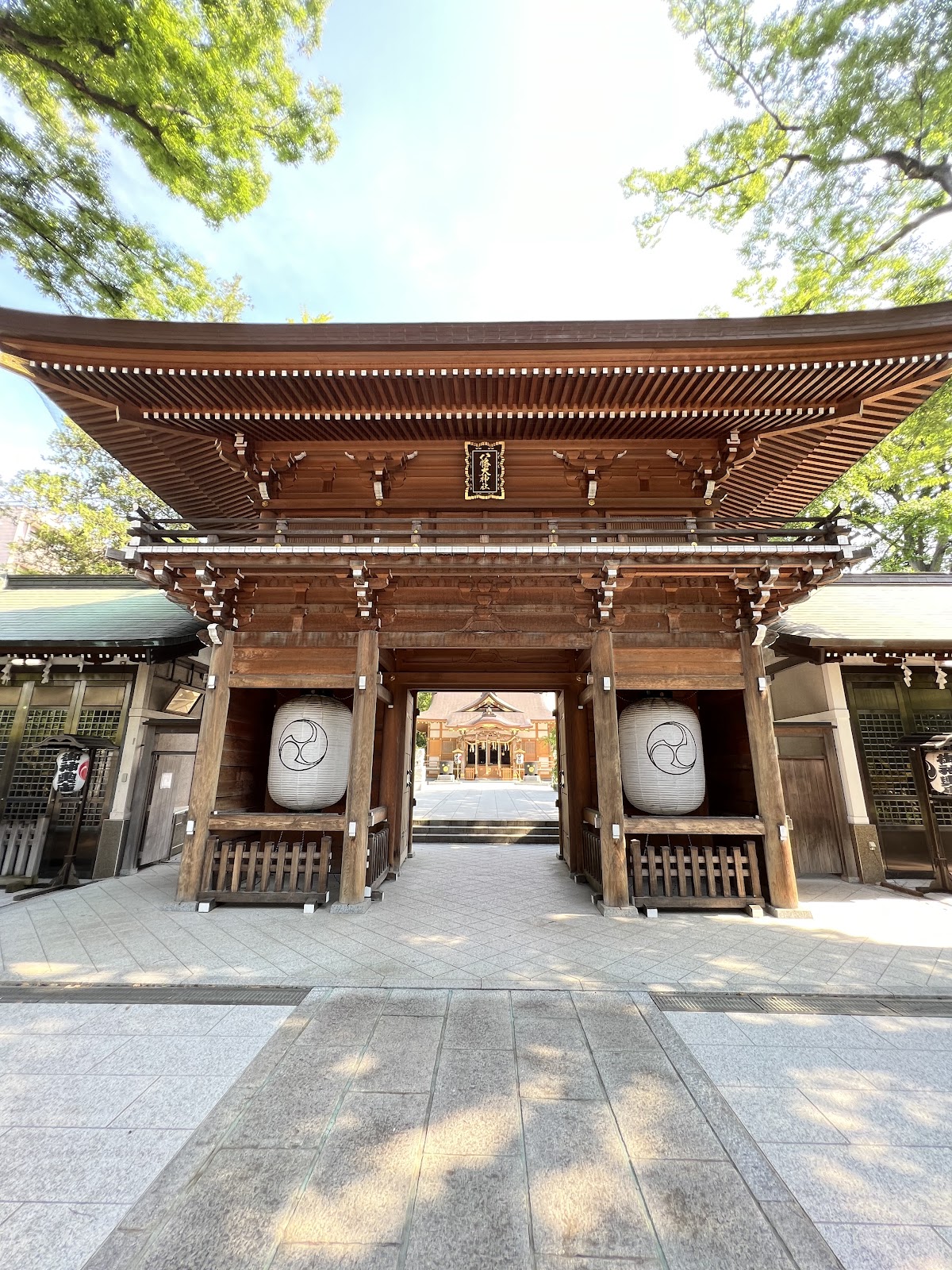
- Musashino Hachimangu Shrine
- Enmei-ji Temple
- Anyo-ji Temple
- Other Seven Lucky Gods Pilgrimage Sites
Musashi-Sakai Townscape
The area around Musashi-Sakai Station is well-equipped with commercial facilities, making it convenient for meals and shopping after visiting the shrine. Furthermore, parks rich in nature, such as Inokashira Park and Musashino Central Park, are nearby, allowing visitors to enjoy leisurely strolls.
Cultural Properties of Kitsuki Taisha Shrine
City-Designated Cultural Properties
The aforementioned Senbon Ginkgo is designated as a natural monument of Musashino City and is protected as a valuable cultural property of the city. These giant trees, hundreds of years old, are an important presence that conveys the history of the region to the present day.
Cultural Value of the Fujizuka (Mt. Fuji Mound)
The Fujizuka within the shrine grounds is a valuable relic that conveys the Fuji worship of the Edo period. It boasts the second largest scale in the Tama region and is an important resource for studying the history of Fuji-ko (Fuji pilgrimage).
Relationship between Kitsuki Taisha and Izumo Taisha
Background of the Enshrinement
Kitsuki Taisha was founded by enshrining the deity from Kitsuki Taisha in Izumo Province (present-day Izumo Taisha). Since Matsudaira Naomasa was the lord of the Matsue Domain, it was a natural progression to enshrine the deity of Izumo near Edo.
Okuninushi-no-Okami, the principal deity of Izumo Taisha, has been worshipped since ancient times as the god of nation-building, and it was common practice to enshrine his divided spirit in various locations. Kitsuki Taisha is one such example, playing a role in spreading the divine virtues of the Izumo deity to the Kanto region.
About the Name “Kitsuki”
The name “Kitsuki” originates from the old name of Izumo Taisha, “Kitsuki Taisha.” Until the Meiji era, Izumo Taisha was also called “Kitsuki Taisha,” and the Kitsuki Taisha in Musashino City still uses this name today.
Visitor Reviews and Testimonials
Charming Quiet Atmosphere
Many visitors highly appreciate the tranquil atmosphere of Kitsuki Grand Shrine. Comments include: “Despite being in the city, entering the grounds feels like entering another world,” and “Taking a deep breath in the lush green grounds cleanses the soul.”
The Fujizuka (Mt. Fuji Mound) is a Highlight
Many visitors come specifically to see the Fujizuka, with comments such as: “The second largest Fujizuka in the Tama area is a must-see,” and “The view from the top is excellent.” It’s also a popular spot for history buffs interested in Fuji worship.
A Base for the Seven Lucky Gods Pilgrimage
Highly rated by visitors on the Seven Lucky Gods pilgrimage, with comments like: “I visited as part of the Musashino Kichijoji Seven Lucky Gods Pilgrimage,” and “It’s unusual to find both Daikoku and Ebisu enshrined here.” It’s especially lively during the New Year’s season.
Summary: The Charm of Kitsuki Taisha Shrine
Kitsuki Taisha Shrine, located in Musashino City, Tokyo, is a venerable shrine with a history of approximately 370 years. Founded by Matsudaira Naomasa, who invited the deities from Izumo’s Kitsuki Taisha Shrine, this shrine enshrines the two gods, Okuninushi-no-Okami and Kotoshironushi-no-Okami, and is known for its blessings of matchmaking and business prosperity.
The shrine grounds offer many attractions, including the city-designated natural monument, the Senbon Ginkgo tree, and the second largest Fujizuka (miniature Mount Fuji) in the Tama area. It is also a popular shrine as one of the Musashino Auspicious Seven Lucky Gods, and is especially bustling with visitors during the New Year.
Despite its convenient location, approximately an 8-minute walk from Musashi-Sakai Station on the JR Chuo Line, Kitsuki Taisha Shrine maintains a tranquil atmosphere, making it an ideal place to escape the hustle and bustle of everyday life and find peace of mind. Why not visit this historic shrine and receive the divine blessings of the gods of Izumo?
Kitsuki Grand Shrine can be visited for a variety of purposes, including collecting Goshuin (temple/shrine stamps), visiting the Seven Lucky Gods, and exploring miniature Mount Fuji. When you visit Musashino City, be sure to stop by. Taking a deep breath in the lush grounds will refresh both your mind and body.