Complete Guide to Hanyu Shrine | A Thorough Explanation of Deities, Blessings, Access, and History
Hanyu Shrine is a general term for historically significant shrines scattered throughout Japan. Multiple Hanyu Shrines exist nationwide, each with a long history as a center of local faith. This article provides a detailed explanation of the characteristics, deities, blessings, history, and access methods of representative Hanyu Shrines.
What is Hanyu Shrine?
Hanyu Shrines are shrines that have been located throughout Japan since ancient times, and are particularly known as places to enshrine deities related to land and agriculture. The name “Hanyu” is related to ancient pottery making and land development, and these shrines are deeply connected to the development of their respective regions.
Among the many Hanyu Shrines throughout Japan, the following are particularly famous:
- Hanyu Hachimangu Shrine in Oyabe City, Toyama Prefecture
- Hanyu Shrine in Ishikawa Prefecture
- Hanyu Shrines in Other Regions
Each shrine has its own unique history and characteristics, and attracts the faith of local residents.
Deities Enshrined at Hanyu Shrines
The deities enshrined at Hanyu Shrines vary from shrine to shrine, but here are some representative deities.
Deities Enshrined at Hanyu Hachimangu Shrine in Oyabe City, Toyama Prefecture
Hanyu Hachimangu Shrine, located in Oyabe City, Toyama Prefecture, is known as a shrine associated with the Genpei War.
- Emperor Ōjin
- Empress Jingū
- Hime-no-Ōkami
These deities are believed to bestow blessings such as military success, national peace and security, and safe childbirth.
Other Deities Enshrined at Hanyu Shrine
In some regions, the following deities are enshrined:
- Ōmononushi-no-Kami: God of national development and business prosperity
- Haniyasuhime-no-Mikoto: God of earth, guardian deity of pottery and architecture
- Ukanomitama-no-Mikoto: God of abundant harvests and business prosperity
Benefits of Hanyu Shrine
The main benefits you can receive at Hanyu Shrine are as follows:
Long-lasting Military Fortune and Victory
Hanyu Hachimangu Shrine, associated with the Genpei War, is particularly famous for its blessings of long-lasting military fortune and victory in competitions. As the place where Minamoto no Yoshinaka prayed for victory, it remains a popular destination for athletes and students even today.
Abundant Harvest and Business Prosperity
Many visitors pray for the development of agriculture and commerce, and the shrine is especially revered by local farmers and business owners.
Family Safety and Protection from Evil
It is a place of daily worship for local residents, where they pray for the health and safety of their families.
Safe Childbirth and Fertility
Shrines dedicated to Empress Jingu are believed to offer blessings for safe childbirth and fertility.
Traffic Safety
In modern times, it is also known as a place to pray for traffic safety, and car blessings are performed there.
History of Hanyu Shrine
Founding and History
Many Hanyu Shrines are said to have been founded between ancient and medieval times. In particular, Hanyu Hachimangu Shrine in Toyama Prefecture has deep ties to the Genpei War at the end of the Heian period.
Connection to the Genpei War
There is a legend that in 1183 (Juei 2), Minamoto no Yoshinaka prayed for victory at Hanyu Hachimangu Shrine during his campaign against the Taira clan. Due to this historical background, Hanyu Hachimangu Shrine became a shrine that attracted the faith of samurai warriors.
Development After the Edo Period
During the Edo period, under the patronage of local feudal lords, including the Kaga Domain, the shrine buildings were improved and festivals were enhanced. As a guardian deity of the region, its worship spread along with the development of agriculture and commerce.
From Modern to Contemporary Times
After the Meiji-era separation of Shinto and Buddhism, it was reorganized into its current form. Even after the war, it remains a beloved local shrine and tourist attraction.
Guide to the Grounds of Hanyu Shrine
Main Hall and Worship Hall
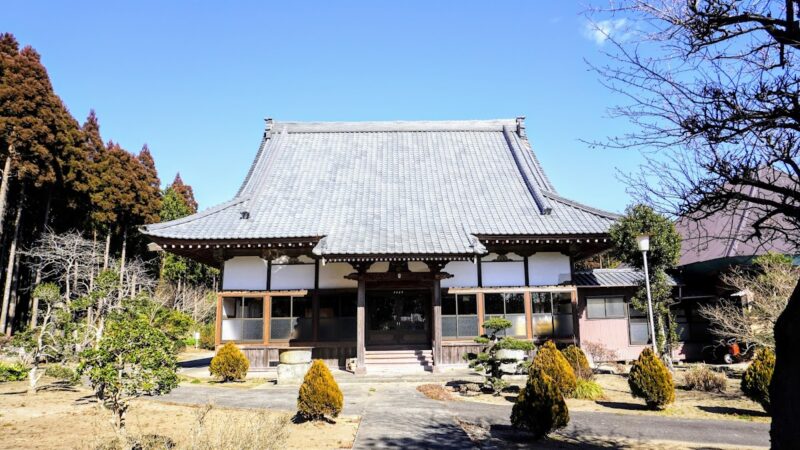
The main hall of Hanyu Shrine beautifully preserves the traditional beauty of shrine architecture. The worship hall welcomes daily visitors, offering a solemn atmosphere for prayer.
Torii Gate and Approach
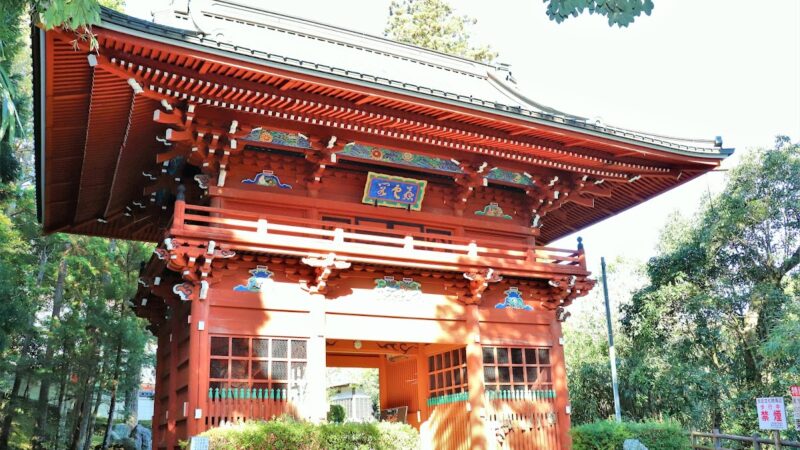
The torii gate, marking the entrance to the shrine grounds, is an important structure signifying the boundary of the sacred area. As you proceed along the approach, a tranquil space unfolds, far removed from the hustle and bustle of everyday life.
Subsidiary Shrines
Various subsidiary shrines are arranged around the main hall. Each shrine enshrines a different deity, attracting visitors seeking diverse blessings.
Water Basin
The water basin, where you purify your body and mind before worship, is an important part of shrine etiquette. Please purify yourself using the correct procedure before worship.
Shrine Office and Amulet Shop
This is where you can receive Goshuin (shrine stamps) and amulets. You can request to have your goshuincho (stamp book) inscribed as a memento of your visit.
Hanyu Shrine’s Amulets and Goshuin (Stamps)
Main Amulets
Hanyu Shrine offers a variety of amulets:
- Victory Amulet: For good luck in competitions and passing exams
- Traffic Safety Amulet: For safe driving and cycling
- Family Safety Amulet: For the health and happiness of the family
- Business Prosperity Amulet: For business development
- Safe Childbirth Amulet: For safe childbirth
- Exorcism Amulet: For protection against misfortune for those in their unlucky year
About Goshuin (Stamps)
Hanyu Shrine offers goshuin as proof of your visit. If you bring your goshuincho during the shrine office’s reception hours, they will carefully inscribe it for you.
Goshuin (Shrine Stamp) Reception Hours: Generally 9:00 AM to 5:00 PM (may vary depending on the shrine)
Offering Fee: Approximately 300-500 yen
Annual Events and Festivals at Hanyu Shrine
Main Annual Events
Hanyu Shrine holds festivals throughout the four seasons.
New Year’s Visit (January 1st-3rd)
Many worshippers visit for New Year’s prayers for happiness.
Setsubun Festival (Around February 3rd)
Events such as bean-throwing are held, and prayers are offered for protection against evil.
Spring Grand Festival (April-May)
An important festival celebrating the arrival of spring and praying for a bountiful harvest.
Summer Purification Ceremony (June 30th)
A ceremony to purify oneself of the impurities accumulated over the past six months and pray for good health and protection from illness for the remaining half of the year.
Autumn Grand Festival (September-October)
A grand festival to give thanks for the harvest, featuring a portable shrine procession and other events.
Shichi-Go-San Festival (Around November 15th)
A Shichi-Go-San ceremony to celebrate the growth of children.
Year-End Purification Ceremony (December 31st)
A Shinto ritual to purify oneself of the impurities accumulated over the year and welcome the new year with purity.
How to Access Hanyu Shrine
Access to Hanyu Hachimangu Shrine, Oyabe City, Toyama Prefecture
Access by Train
- Approximately 15 minutes on foot from Ainokaze Toyama Railway “Isurugi Station”
- Approximately 5 minutes by taxi
Access by Car
- Approximately 5 minutes from Hokuriku Expressway “Oyabe IC”
- Parking: Free parking available (approximately 50 spaces)
Access by Bus
Since the number of bus routes is limited, it is recommended to check the timetable in advance.
Access to Other Hanyu Shrines
Access to Hanyu Shrines in various locations varies depending on their location. It is recommended to check official information or map apps in advance.
Manners and Etiquette for Visiting Shrines
Basic Visiting Etiquette
We will introduce the basic etiquette for visiting shrines.
How to Pass Through the Torii Gate
Bow before passing through the torii gate. Walking along the edge of the path leading to the shrine is considered the path of the gods, as the center is considered the path of the gods.
Proper Ritual for Washing Hands
- Hold the ladle in your right hand and wash your left hand.
- Switch the ladle to your left hand and wash your right hand.
- Switch the ladle back to your right hand, receive water in your left hand, and rinse your mouth.
- Wash your left hand again.
- Hold the ladle upright, wash the handle, and return it to its original position.
Proper Ritual for Worship (Two Bows, Two Claps, One Bow)
- Place your offering in the offering box.
- Ring the bell if there is one.
- Bow deeply twice.
- Clasp your hands twice.
- Pray with your hands clasped together.
- Bow deeply once more.
Attire for Worship
For special prayers, formal attire is desirable, but for regular worship, clean clothing is acceptable. However, avoid revealing or overly flashy clothing.
Tourist Spots Around Hanyu Shrine
Around Oyabe City, Toyama Prefecture
Kurikara Pass
A historical site known as the site of a battle during the Genpei War. Visiting it together with Hanyu Hachimangu Shrine will deepen your understanding of history.
Crossland Oyabe
The Crossland Tower stands 118m tall, offering panoramic views of the Tateyama mountain range from its observation deck.
Michi-no-Eki Märchen Oyabe
A roadside station where you can purchase local specialties and fresh agricultural products. It’s also an ideal rest stop.
Local Gourmet Information
Around Oyabe City, you can enjoy Toyama’s local cuisine and fresh seafood. The white shrimp and winter yellowtail caught in Toyama Bay are especially delicious.
Highlights and Photo Spots at Hanyu Shrine
Historic Shrine Building
The shrine building, which retains traditional architectural styles, is perfect for photography. The sacred atmosphere is particularly striking during the morning when the light shines in.
Nature in Every Season
The shrine grounds are planted with plants that change with the seasons, and the cherry blossoms in spring and the autumn leaves are especially magnificent.
Torii Gate and Approach
The view of the main shrine through the torii gate is a unique photo spot only found at shrines.
Prayers and Supplications at Hanyu Shrine
Types of Prayers
At Hanyu Shrine, you can receive various types of prayers:
- Exorcism Prayer: Protection from misfortune for those in their unlucky year
- Family Safety Prayer: Health and safety for the family
- Business Prosperity Prayer: Development of the business
- Traffic Safety Prayer: Blessing of the car
- Safe Childbirth Prayer: Safe childbirth for pregnant women
- First Shrine Visit: Healthy growth of the baby
- Shichi-Go-San Visit: Celebration of a child’s growth
- Prayer for Success in Exams: Success in exams
- Recovery from Illness: Recovery from illness
How to Apply for a Prayer
If you wish to receive a prayer, please make a reservation by phone in advance or apply at the shrine office on the day of your visit. The prayer fee varies depending on the content of the prayer, but generally starts from 5,000 yen.
Divine Virtues and Faith at Hanyu Shrine
As a God of Military Fortune and Victory
Due to the history of Minamoto no Yoshinaka praying for victory in battle, the shrine is widely worshipped as a god of long-lasting military fortune and success in competitions. In modern times, people visit to pray for success in sports matches, exams, and business.
As a Guardian Deity of the Community
For centuries, the shrine has served as the local guardian deity, watching over the lives of the residents. It functions as a place to pray for the development of all industries, including agriculture, commerce, and fishing.
As a Place to Deepen Family Bonds
By visiting the shrine at important life events such as a baby’s first shrine visit, Shichi-Go-San (a traditional rite of passage for children), and exorcism, it plays an important role in deepening family bonds.
Useful Information for Visiting Hanyu Shrine
Best Time to Visit
Visiting the shrine in the refreshing air of early morning evokes a particularly sacred feeling. The quiet evening hours are also recommended.
Items to Bring When Visiting
- Goshuincho (stamp book): For those collecting Goshuin (temple/shrine stamps)
- Offering: It’s convenient to have small change ready
- Camera: To photograph the beautiful scenery of the shrine grounds (be aware of areas where photography is prohibited)
- Seasonal Clothing: Take precautions against the heat in summer and warm clothing in winter
Precautions When Visiting
- Please be quiet on the shrine grounds
- Pets may be prohibited
- Smoking and eating are permitted only in designated areas
- Please refrain from taking photos in areas where photography is prohibited
- Remember that this is a sacred place
Summary
Haniwa Shrine is a shrine with a history and tradition that dates back to ancient times. In particular, Haniwa Hachimangu Shrine in Oyabe City, Toyama Prefecture, is known for its connection to the Genpei War and is renowned for its blessings of military success and good fortune in competitions.
Hanyu Shrine offers various blessings, including abundant harvests, business prosperity, family safety, and protection from evil, attracting many worshippers not only from the local area but also from far away. The seasonal festivals and beautiful grounds provide peace and strength to visitors.
By quietly praying while feeling the history, you can forget the hustle and bustle of everyday life and gain the strength to move forward with a renewed spirit. Why not visit Hanyu Shrine at least once?
When visiting, it is important to observe proper etiquette and manners and show respect to the deities. Receiving a Goshuin (shrine stamp) or amulet allows you to preserve the memory of your visit.
We hope that Hanyu Shrine will be a place that brings happiness and success to your life.