Complete Guide to Komikado Shrine | Benefits, History, Goshuin (Shrine Seal), and Access Information
Nestled in a quiet forest in Narita City, Chiba Prefecture, Komikado Shrine is a historic shrine dedicated to Fujiwara no Morikata, a loyal retainer of the Nanboku-cho period. Widely revered as a “god of substitution” and “god of recovery,” it is known for its benefits in healing illnesses, traffic safety, and protection from disaster and bringing good fortune. This article comprehensively introduces information you should know before visiting Komikado Shrine, including its history, benefits, visiting information, goshuin (shrine seal), and annual events.
What is Komikado Shrine? | One of the Fifteen Shrines of the Kenmu Restoration
Komikado Shrine is located at 898 Nagoya, Narita City, Chiba Prefecture, and holds the prestigious status of a former special government-supported shrine. This shrine is one of only 15 “Fifteen Shrines of the Kenmu Restoration” in Japan, and holds a historically significant position as a shrine dedicated to those who played a key role in supporting Emperor Go-Daigo’s Kenmu Restoration during the Nanboku-cho period.
About the Deity: Fujiwara no Morokata
The enshrined deity, Fujiwara no Morokata, was a court official who was active from the late Kamakura period through the Nanboku-cho period. He served as a close confidant of Emperor Go-Daigo and was one of the central figures in the movement to overthrow the shogunate.
In 1331, when Emperor Go-Daigo was proceeding with his plan to overthrow the Kamakura shogunate, the plan was discovered, and the emperor fled to Mount Kasagi. At this time, Fujiwara no Morokata raised an army on Mount Hiei as a substitute for the emperor, helping the emperor escape. However, he was captured and exiled to Shimosa Province (present-day Narita City) in May of Genkō 2 (1332).
His life in exile lasted only a little over three months. In October of the same year, Lord Morikata passed away there at the young age of 32. His loyalty and devotion, sacrificing himself as a substitute for Emperor Go-Daigo, is the reason why he is worshipped as a “substitute god” in later generations.
History of Komikado Shrine | Granting of the Shrine Name by Emperor Meiji
The history of the founding and development of Komikado Shrine is deeply intertwined with the Imperial Family after the Meiji Restoration.
Founding in the Meiji Era
While Lord Fujiwara no Morikata’s tomb was long protected by local people, the shrine was officially founded in the Meiji era. After the Meiji Restoration, there was a growing movement to honor the meritorious retainers of the Southern Court who promoted the Kenmu Restoration. In 1879 (Meiji 12), Emperor Meiji bestowed upon the shrine the name “Komikado Shrine.”
This bestowal of the name officially recognized Fujiwara no Morikata as a loyal retainer of Emperor Go-Daigo and honored his achievements. The name “Komikado” originates from Morikata’s official title, “Komikado Chunagon” (Komikado Middle Counselor).
Promotion to Special Imperial Shrine
Subsequently, Komikado Shrine was designated a Special Imperial Shrine. A Special Imperial Shrine is a high-ranking shrine given to those who enshrine individuals who have made significant contributions to the nation, receiving special treatment beyond that of a regular Imperial Shrine. This established Komikado Shrine’s status as a nationally important shrine.
Positioning as one of the Fifteen Shrines of the Kenmu Restoration
Komikado Shrine, as one of the Fifteen Shrines of the Kenmu Restoration, honors individuals who contributed to the Kenmu Restoration along with similar shrines throughout Japan. The Fifteen Shrines of the Kenmu Restoration include Minatogawa Shrine (Hyogo Prefecture), which enshrines Kusunoki Masashige, and Fujishima Shrine (Fukui Prefecture), which enshrines Nitta Yoshisada. Komikado Shrine is an important shrine located in the Kanto region.
Benefits of Komikado Shrine | As a God of Substitution
Komikado Shrine is widely revered as a “god of substitution” and a “god of recovery,” and is believed to offer various benefits.
Benefits of Recovery from Illness
The most famous benefit is recovery from illness. From the history of Fujiwara no Morikata acting as a substitute for Emperor Go-Daigo, the belief arose that the shrine will take on the illnesses and misfortunes of worshippers. Many worshippers from all over Japan visit the shrine hoping for recovery from serious illnesses and prolonged ill health.
Benefits for Traffic and Aviation Safety
Narita City is an international city with Narita International Airport and a major transportation hub. Komikado Shrine is a popular destination for prayers for traffic and aviation safety, attracting many people involved in transportation, including drivers, pilots, and aviation personnel. It is believed to protect against accidents and other misfortunes, acting as a “substitute deity.”
Protection from Disaster and Bringing Good Fortune, and Family Safety
The shrine is also widely known for its benefits in warding off disaster and bringing good fortune, as well as for praying for the safety and happiness of family members. It is believed to protect against various misfortunes in daily life and bring peace to the home.
Health and Well-being, and Business Recovery
The shrine also offers benefits in maintaining good health and praying for the recovery and development of businesses. As a “god of recovery,” prayers are offered not only for individual health but also for the recovery of companies and businesses from difficulties.
Highlights of the Shrine Grounds | Lush Green Precincts
The grounds of Komikado Shrine cover approximately 5,286 tsubo (approximately 17,500 square meters) and are surrounded by an evergreen broadleaf forest known as the “Komikado Shrine Forest.”
Shrine Architecture
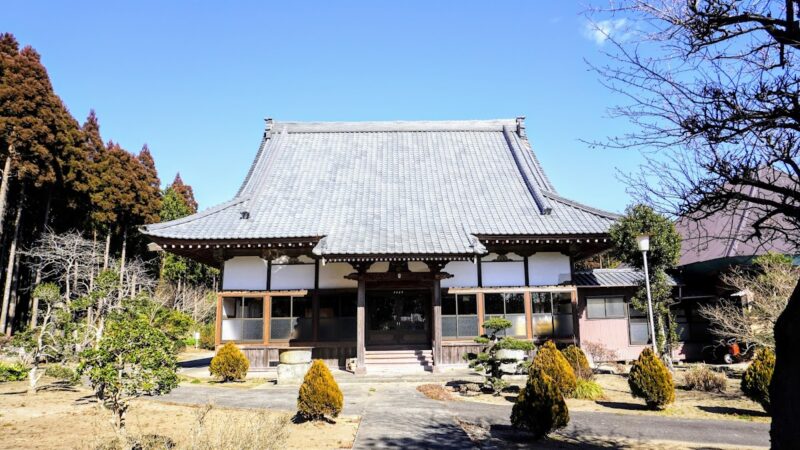
The shrine grounds are lined with dignified shrine buildings:
- Main Hall (Shinmei-zukuri style): Built in the same Shinmei-zukuri style as Ise Grand Shrine, the main hall is simple yet dignified.
- Offering Hall (Hinoki-zukuri style): The offering hall, made of cypress wood, is an important building connecting the main hall and the worship hall.
- Worship Hall (Hinoki-zukuri style): The worship hall, where worshippers offer their prayers, is also made of cypress wood, creating a sacred space filled with the scent of wood.
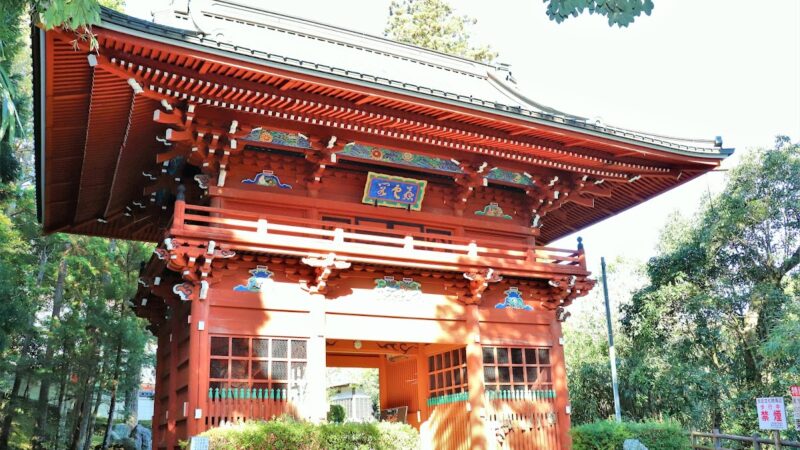
- Middle Gate (Hinoki-zukuri style): The middle gate, which serves as the entrance to the shrine grounds, is also made of cypress wood.
- Water Basin: A water basin for purifying the body and mind before worship is also provided.
These buildings are finished with tiled or copper roofs, conveying the beauty of traditional shrine architecture to the present day.
The Forest of Komikado Shrine
The evergreen broadleaf forest of Komikado Shrine, planted at the same time as the shrine’s construction, is one of the shrine’s greatest attractions. This tranquil space, enveloped in deep green, preserves a valuable natural environment in the increasingly urbanized city of Narita. The opportunity to visit while experiencing the changing seasons is another characteristic of Komikado Shrine.
Walking through the forest, you can hear the chirping of birds and the rustling of trees, allowing you to enjoy a peaceful time away from the hustle and bustle of everyday life. This naturally rich environment is also popular as a place for mental and physical refreshment and as a power spot.
The Tomb of Fujiwara no Morikata
The tomb of Fujiwara no Morikata, the enshrined deity, remains within the shrine grounds, conveying a sense of historical significance. It is a place where one can reflect on the regrets of Morikata, who passed away just three months after his exile, and his spirit of loyalty.
Goshuin Information | Seasonal Designs
Komikado Shrine offers goshuin (temple/shrine stamps), which are popular as a memento of your visit.
Standard Goshuin
The standard goshuin is a traditional style featuring the calligraphy of “Komikado Shrine” and a red seal. The powerful brushstrokes of the calligraphy convey the shrine’s prestige.
Seasonal Limited Edition Goshuin
Komikado Shrine sometimes offers limited edition goshuin designs depending on the season. Designs incorporating motifs of the four seasons, such as cherry blossoms in spring, fresh greenery in summer, autumn leaves, and snowscapes in winter, are popular with visitors. Especially during festivals and special events, limited edition goshuin may be available.
Goshuin Reception Hours
Goshuin are available at the shrine office. Reception hours are usually from 9:00 AM to 4:30 PM, but may change due to events or religious ceremonies. The latest shrine office schedule is posted on the official website and social media (Instagram, X), so it is recommended to check before visiting.
Annual Events | Spring and Autumn Festivals and Summer Festival
Komikado Shrine holds various festivals and events throughout the year.
Spring Festival
The annual spring festival is one of the most important annual events at Komikado Shrine. A solemn Shinto ritual is performed to honor the divine virtues of Fujiwara no Morikata and to pray for the safety and happiness of worshippers. Traditional rituals such as the recitation of prayers by Shinto priests and the offering of sacred branches are performed, attracting worshippers from the local area and across the country.
Autumn Festival
An autumn festival is also held, expressing gratitude for the harvest and praying for future prosperity. The autumn festival sometimes includes martial arts demonstrations, commemorating the bravery of Morikata.
Summer Festival & Open-Air Market
In July, a summer festival is held, and sometimes an open-air market takes place on the shrine grounds. Local specialties and handmade goods are sold, creating a place for interaction with the community. The summer festival is a popular event for families.
Shichi-Go-San Ceremony
Autumn and early winter are the seasons for Shichi-Go-San (a traditional Japanese rite of passage for children). Komikado Shrine also accepts Shichi-Go-San prayers, and families visit to pray for the healthy growth of their children. Reservations are required, so please contact the shrine in advance.
Prayer & Worship Information
Komikado Shrine offers various prayers.
Types of Prayers
- Healing from Illness: Prayers for recovery from illness
- Traffic Safety: Prayers for safe driving and operation of automobiles and aircraft
- Family Safety: Prayers for the health and happiness of the family
- Exorcism of Misfortune: Prayers to ward off misfortune during the unlucky year
- Business Prosperity: Prayers for the development and prosperity of the business
- Shichi-Go-San (7-5-3 Festival): Prayers for the healthy growth of children
- First Shrine Visit: Prayers for the health and growth of newborns
- Prayers for Success in Exams: Prayers for success in exams and tests
How to Reserve a Prayer
Prayers are by reservation only, made by phone. The phone number is 0476-96-0449, and the reception hours are from 9:00 to 16:30. Please make a reservation by telling us the type of prayer you wish to have, the date and time, and the number of participants.
Etiquette for Visiting a Shrine
When visiting Komikado Shrine, please follow the general etiquette for visiting a shrine:
- Bow before passing through the torii gate
- Cleanse your hands and mouth at the water basin
- Walk along the edge of the path (the center is the path for the gods)
- Bow twice, clap twice, and bow once in front of the main hall
- Bow once again at the torii gate when leaving
Access Information | Directions from Narita City
Komikado Shrine is located at 898 Nagoya, Narita City, Chiba Prefecture.
Access by Car
From the Higashi-Kanto Expressway:
- Approximately 15 minutes from Narita IC
- Approximately 10 minutes from Daiei IC
From National Route 51:
- Approximately 20 minutes by car from Narita city center
There is a parking lot for visitors on the shrine grounds, which is free of charge.
Access by Public Transportation
JR Narita Line:
- Approximately 20 minutes by taxi from Narita Station or Airport Terminal 2 Station
- Buses are also available from Narita Station (may vary by route)
Keisei Electric Railway:
- Approximately 20 minutes by taxi from Keisei Narita Station
When using public transportation, taxis are recommended due to limited service.
Nearby Tourist Attractions
Near Komikado Shrine, there are numerous tourist attractions, including Naritasan Shinshoji Temple. Naritasan Shinshoji Temple is a representative temple of Narita City and is nationally known for its New Year’s visits and Setsubun festival. Narita International Airport is also nearby, offering attractions such as the Aviation Science Museum.
You can enjoy sightseeing in Narita by strolling through its historic streets and savoring local cuisine such as eel, in conjunction with your visit to Komikado Shrine.
Shrine Office Information & Inquiries
Basic Information
- Official Name: Komikado Shrine
- Address: 898 Nagoya, Narita City, Chiba Prefecture 289-0116
- Phone: 0476-96-0449
- Shrine Office Hours: 9:00~16:30
- Regular Holidays: None in particular (subject to change due to religious ceremonies, etc.)
- Parking: Free parking available
How to Check the Latest Information
Komikado Shrine provides the latest information on its official website and social media:
- Official Website: http://komikado.or.jp/
- Instagram: @komikadojinjya (Official Account)
- X (Former Twitter): Latest Shrine Schedule and Event Information
Information on the shrine office’s operating hours, special events, and limited-edition goshuin (shrine stamps) is updated regularly, so we recommend checking before your visit. In particular, the monthly shrine schedule is published, and checking in advance is important if you want to be sure to visit.
Regarding the Renovation of the Water Basin
Komikado Shrine sometimes accepts donations (special contributions) for the maintenance and renovation of its facilities. For large-scale construction projects, such as the renovation of the water basin, we call for cooperation and receive support from those who agree with the preservation and development of the shrine.
The Charm of Komikado Shrine | Why So Many People Visit
The reason Komikado Shrine attracts so many visitors is not just its historical value and blessings.
A Tranquil Atmosphere and a Power Spot
Despite being located in the urban area of Narita City, the shrine grounds, surrounded by a deep forest, offer a tranquil atmosphere like another world. This naturally rich environment is attracting attention as a power spot for healing mind and body, and is popular with people who want to escape the hustle and bustle of the city and refresh themselves.
Uniqueness as a Substitute God
Among all the shrines in Japan, Komikado Shrine is rare for its unique benefit of being a “substitute god,” and this characteristic is a major attraction. The belief that the god will take on misfortunes for oneself and one’s family resonates with many people.
A Shrine Rooted in the Community
Komikado Shrine, long cherished by the people of Narita City, is an important presence that conveys the history and culture of the region. It also plays a central role in the local community through local events and festivals.
Easy Access
Its convenient location, relatively close to Narita International Airport and easily accessible for day trips from Tokyo, is another attractive feature. Its easy accessibility in conjunction with other tourist spots such as Naritasan Shinshoji Temple is also one of the reasons for its large number of visitors.
Summary | Points to Note When Visiting Komikado Shrine
Komikado Shrine is a historical shrine dedicated to Fujiwara no Morikata, a loyal retainer of the Nanboku-cho period, and is widely revered as a “substitute god” and “god of recovery.” Many worshippers from all over Japan visit Komikado Shrine seeking blessings for recovery from illness, traffic safety, and protection from disaster and bringing good fortune.
As one of the fifteen shrines of the Kenmu Restoration and a former special government-supported shrine, Komikado Shrine is a historically significant shrine that received its name from Emperor Meiji. Surrounded by the lush “Komikado Shrine Forest,” the shrine grounds offer a tranquil space far removed from the hustle and bustle of the city, and are popular as a power spot.
When visiting, it is recommended to check the shrine office’s operating hours on the official website or social media beforehand, and to make a reservation by phone if you wish to receive prayers. Visiting during events such as the spring and autumn festivals or the summer festival will provide a more fulfilling worship experience.
When you visit Narita City, be sure to visit Komikado Shrine, experience the spirit of loyalty of Fujiwara no Morikata, and pray for health and safety. In this sacred space enveloped in deep forest, you are sure to have a soul-cleansing experience.