Complete Guide to Hokyoji Temple | History, Highlights, and Visiting Information for the Doll Temple Known as Dodonogosho
Nestled in a quiet residential area of Kamigyo Ward, Kyoto City, Hokyoji Temple is an independent Rinzai Zen sect nunnery affectionately known as the “Doll Temple” or “Dodonogosho.” With deep ties to the Imperial family, and having served as abbess for generations, it is a prestigious temple and a treasure trove of cultural assets, housing a valuable doll collection, continuing to fascinate many worshippers and tourists.
History and Origins of Hokyoji Temple
Founding and the Dharma Lineage of Keiaiji Temple
The history of Hokyoji Temple can be traced back to Keiaiji Temple, one of the five nunneries that flourished in medieval Kyoto. According to temple tradition, it was founded during the Oan era (1368-1375) by Princess Karin-no-miya Egon Zenniko, daughter of Emperor Kogon, and rebuilt at its current location. It is said that Empress Egen founded this temple in Futamiura, Ise Province, after finding a statue of the Bodhisattva Kannon caught in a fishing net. Because the principal image of Kannon Bodhisattva holds a sacred mirror in its hand, the temple was named “Hokyoji” (宝鏡寺). Its mountain name is “Seizan” (西山).
Origin of the Name “Dodo Gosho”
Hokyoji Temple is known for its name “Dodo Gosho” (Dodo Palace). This name originates from its location on the site of the former Ogawa Gosho, where Ashikaga Yoshimasa and Hino Tomiko once resided, and from its history as a nunnery where successive imperial princesses entered the temple.
Nearby are the remains of the Dodobashi Bridge, which marked the boundary between the eastern and western camps during the Onin War, and this entire area is designated as a historical landscape preservation and restoration district. This area, home to the two main schools of the tea ceremony and numerous temples and shrines, is an important region that strongly preserves the history and culture of Kyoto.
Status as a Nunnery
A nunnery is a high-status temple where the abbess is a princess of the imperial family or a regent. Hokyo-ji Temple belongs to the Rinzai sect, and since the Nanboku-cho period, successive abbesses have been imperial princesses. Because imperial princesses entered the temple as nuns, it held a status similar to the Imperial Palace and came to be known by the honorific title “Momogosho.”
The deep connection with the Imperial Family is also reflected in the many valuable cultural artifacts and doll collections preserved at the temple. The items gifted by the Imperial Family are valuable historical materials that convey Japanese imperial culture to the present day.
Hokyo-ji Temple as a Temple of Dolls
The Beginning of the Doll Collection
The reason Hokyo-ji Temple became known as a “Temple of Dolls” lies in its special relationship with the Imperial Family. As imperial princesses who entered the temple received Hina dolls and other dolls from the Imperial Palace, a large number of historically significant dolls were preserved.
In particular, the temple houses precious dolls associated with the Imperial family, including dolls cherished by Emperor Komei, Noshi-bina dolls bestowed by Emperor Kokaku, and items cherished by Princess Kazunomiya. These dolls are not merely toys, but important cultural assets that convey the court culture and craftsmanship of the time.
Doll Exhibition
Since the autumn of 1957, Hokyoji Temple has regularly held doll exhibitions. Although the temple is usually closed to the public, it is specially opened twice a year, in spring and autumn, allowing visitors to view valuable dolls and Hina doll accessories passed down through Hokyoji Temple.
The spring exhibition focuses on Hina dolls, and the “Ohina Matsuri” (Girls’ Festival) event is held around March 1st. A Buddhist service is held in the main hall, and in some years, a dance performance by Shirabyoshi (female dancers) is offered.
The Autumn Doll Exhibition features Gosho dolls and dolls appropriate for each season, allowing visitors to enter the building and admire the valuable collection up close. During the exhibition period, the temple’s interior and gardens, normally inaccessible to the public, are also opened, offering a rare opportunity to experience the atmosphere of a prestigious nunnery.
Doll Memorial Service
Since around 1957, Hokyoji Temple has also offered doll memorial services. Every year on October 14th, a doll memorial service is held, offering gratitude and prayers for dolls donated from all over Japan.
The service itself takes place in front of the doll mound. Registration is from 10:00 AM to 10:30 AM, and the service begins at 10:30 AM. Many people visit to express their gratitude for their cherished dolls and to respectfully offer prayers for them.
This doll memorial service has become widely known, and the temple has become affectionately known as the “Temple of Dolls.” The Japanese people’s feelings towards dolls and the temple’s attitude towards them are major characteristics of Hokyoji Temple.
Highlights of Hokyoji Temple
Principal Image: Holy Kannon Bodhisattva
The principal image of Hokyoji Temple is the Holy Kannon Bodhisattva. This Kannon statue, said to have been caught in a fishing net in Futamiura, Ise, held a sacred mirror in its hand, which is the origin of the temple’s name. Kannon Bodhisattva is widely revered as a compassionate Buddha and is still carefully enshrined as the spiritual center of Hokyoji Temple.
Architecture and Gardens
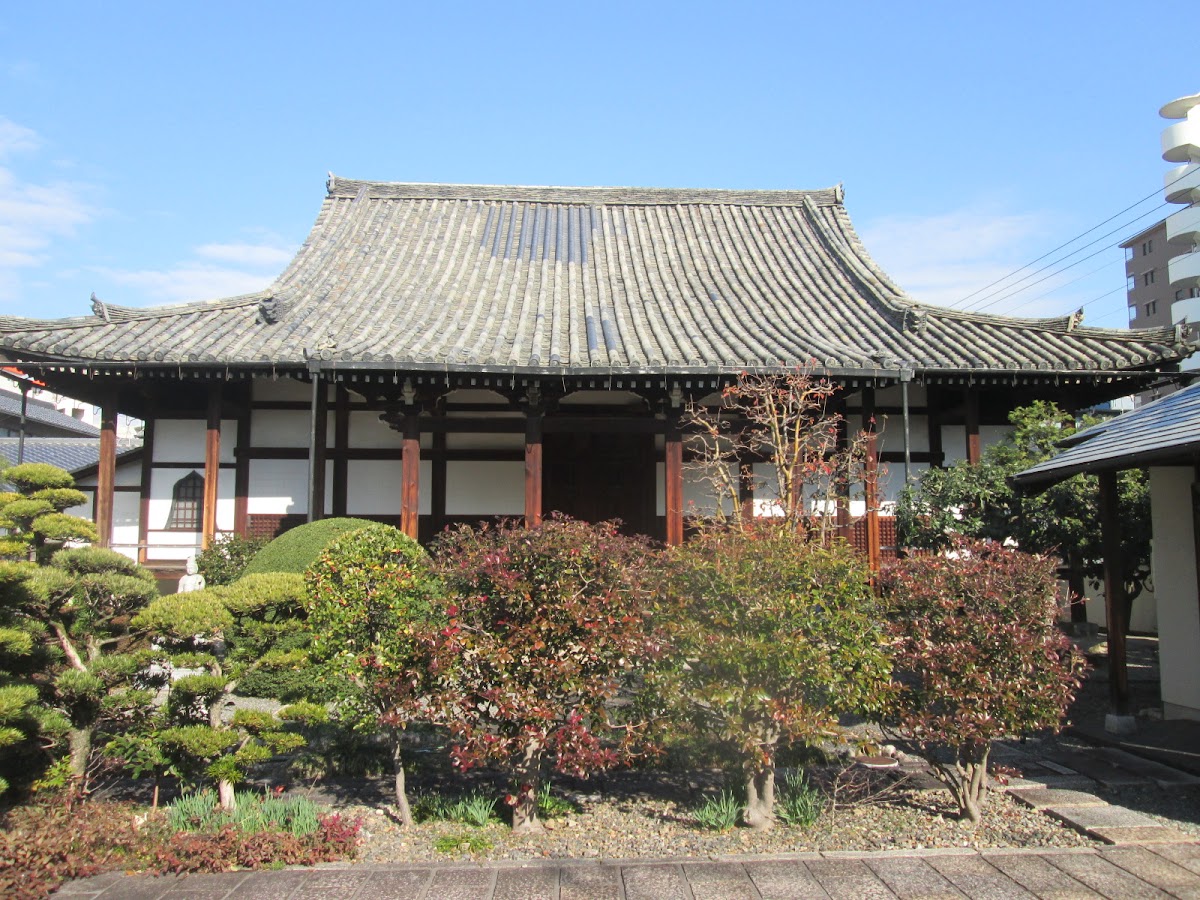
The architectural style, befitting a nunnery, is one of Hokyoji Temple’s important highlights. The main hall and study hall exhibit an elegant appearance befitting a temple associated with the Imperial family.
The gardens are also magnificent, offering enjoyment of the changing seasons. In particular, the gardens opened to the public during the doll exhibition present a beautifully maintained landscape, delighting visitors.
Architecture and Gardens
The architectural style, reflecting the temple’s status as a nunnery, is one of Hokyoji Temple’s important highlights. The buildings, including the main hall and study hall, exhibit an elegant appearance befitting a temple with ties to the Imperial family.
The gardens are also magnificent, allowing visitors to enjoy their seasonal beauty. The gardens, especially those open during the doll exhibition, present a beautifully maintained landscape, delighting the eyes of visitors. ### Historical Remains and Surrounding Environment
Nearby, numerous historical remains can be found, including the remains of the Momobashi Bridge, associated with the Ōnin War. Furthermore, both the Omotesenke and Urasenke schools of tea ceremony are located nearby. This area, rich in Kyoto’s traditional culture, has been designated a historical landscape preservation and restoration district.
A stroll around the temple grounds allows you to experience firsthand the history of Kyoto from the medieval to the early modern period. Imagine the atmosphere of the former Imperial Palace district while exploring the historical sites scattered throughout the quiet residential area—this is one of the pleasures of visiting Hōkyōji Temple.
Annual Events and Special Viewings
Hina Matsuri (March)
Every year around March 1st, the “Hina Matsuri” (Doll Festival) is held in the main hall of Hōkyōji Temple. A Buddhist service is held, and in some years, a dance performance by Shirabyoshi (female dancers) is offered. Visiting in conjunction with the Spring Doll Exhibition allows you to experience both the beauty of Hina dolls and the solemnity of traditional ceremonies simultaneously.
Spring Doll Exhibition (March-April)
The special spring exhibition features displays centered around Hina dolls. It’s a rare opportunity to admire precious items that convey court culture, such as the Naoshi Hina dolls bestowed by Emperor Kokaku and Hina dolls presented to successive imperial princesses. We recommend checking the official website in advance for details on exhibition dates and times.
Autumn Doll Exhibition (October-November)
The special autumn exhibition displays Gosho dolls and seasonal dolls. You can enjoy a different atmosphere from the spring exhibition, making it a popular event with many repeat visitors. Many people visit in conjunction with autumn sightseeing in Kyoto, and the quiet atmosphere of the temple during the autumn foliage season is exceptional.
Doll Memorial Service (October 14th)
The Doll Memorial Service, held annually on October 14th, is one of Hokyoji Temple’s important annual events. Reception is from 10:00 AM to 10:30 AM, and the memorial service begins at 10:30 AM. Only the memorial service will be held in front of the doll mound. While it is possible to submit dolls on the day, we recommend contacting us in advance.
Basic Information
Location and Access
Address: Hyakucho, Kamigyo-ku, Kyoto City
Nearest Station/Bus Stop:
- Get off at “Horikawa Teranouchi” bus stop (Kyoto City Bus), approximately 1 minute walk
- Get off at “Tenjin Koen-mae” bus stop (Kyoto City Bus), approximately 5 minute walk
- Get off at “Kuramaguchi Station” on the Karasuma Subway Line, approximately 15 minute walk
Access from Kyoto Station is convenient by city bus. It is located along Horikawa Street, close to both Omotesenke and Urasenke tea ceremony schools.
Visiting Information
Regular Visiting Hours: Closed to the public
Special Opening Hours: Open only during the spring and autumn doll exhibitions
- Spring Doll Exhibition: Around March-April
- Autumn Doll Exhibition: Around October-November
Admission Fee: Set during special opening hours (details can be found on the official website or by inquiry)
Visiting Hours: Designated hours during special opening periods (usually around 10:00 AM – 4:00 PM)
*Please note that the dates and times for special openings may change from year to year. Always check the official website for the latest information before visiting.
Contact Information
Inquiries regarding Hokyoji Temple and consultations about doll memorial services are accepted via the official website or by phone. We recommend checking the details of special openings and doll memorial services in advance.
Points to Note When Visiting Hokyoji Temple
Aim for Special Opening Periods
Hokyoji Temple is normally closed to the public, so visiting during the spring and autumn doll exhibitions is essential. Especially during the spring Hina Matsuri (Girls’ Festival), it’s a rare opportunity to enjoy both the memorial service and the doll exhibition simultaneously. It can get crowded during this popular period, so please allow ample time for your visit.
Nearby Tourist Attractions
Around Hokyo-ji Temple, there are many historical temples, shrines, and sites, including those of the Omotesenke and Urasenke schools of tea ceremony. You can experience Kyoto’s profound culture while strolling through the quiet streets of Kamigyo Ward.
Nearby are Daisho-ji Temple, also a nunnery, and the Nishijin area, where the tradition of Nishijin weaving thrives, making it an area where you can experience Kyoto’s traditional culture.
Photography
There may be restrictions on photography during special exhibition periods. To protect valuable cultural assets and out of consideration for other visitors, please follow the photography rules. For details, please follow the instructions of the on-site staff.
Clothing and Belongings
As this is a prestigious nunnery, please dress appropriately for worship. When visiting the interior of the building, you will need to remove your shoes, so it is convenient to wear shoes that are easy to take off and put on. Also, the building can get cold in winter, so don’t forget to take precautions against the cold.
Cultural Value of Hokyo-ji Temple
Inheritance of Imperial Culture
Hokyo-ji Temple, as a nunnery where successive imperial princesses have served as abbesses, plays an important role in passing on court culture to the present day. The dolls and Hina doll accessories housed there are valuable resources for understanding the lifestyle and aesthetic sensibilities of the imperial family at that time.
Items associated with Emperor Kokaku and Emperor Komei are first-class historical materials that tell the story of court culture from the late Edo period to the end of the Edo period. By preserving these cultural properties and making them available to the public on a regular basis, the temple contributes to the inheritance of traditional Japanese culture.
Preservation and Commemoration of Doll Culture
Japanese doll culture goes beyond mere toys, encompassing diverse cultural elements such as crafts and arts, folk beliefs, and annual events. The doll collection at Hokyoji Temple encompasses a wide variety of dolls, including Hina dolls, Gosho dolls, and Ichimatsu dolls, making it a valuable collection that offers an overview of the history of Japanese dolls.
The practice of doll memorial services also embodies the Japanese spirit of cherishing possessions. The act of expressing gratitude to dolls that have been cherished for many years and respectfully holding a memorial service for them is not merely disposal, but a ritual that provides a spiritual closure, and is supported by many people.
As part of Kyoto’s historical landscape
The area in Kamigyo Ward where Hokyoji Temple is located is a historical region that was the stage for the Onin War, and it retains a strong sense of Kyoto’s history from the medieval to the early modern period. Numerous historical sites are scattered around, including the remains of the Momobashi Bridge and the site of the Ogawa Imperial Palace, associated with Ashikaga Yoshimasa and Hino Tomiko.
The proximity of both Senke schools of tea ceremony also indicates the cultural importance of this area. Hokyoji Temple, as an important component of this historical landscape, contributes to the preservation of Kyoto’s cultural heritage.
Summary
Hōkyōji Temple, affectionately known as the “Temple of Dolls” and “Momogosho,” is a nunnery with strong ties to the Imperial family. Founded by Princess Karin-no-miya Eigen Zenni, daughter of Emperor Kōgon, it is a prestigious temple where successive imperial princesses have served as abbesses, preserving Kyoto’s history and culture to this day.
Its precious doll collection, including dolls cherished by Emperor Kōmei, is an indispensable cultural asset for understanding court culture and Japanese doll culture. During the spring and autumn doll exhibitions, these valuable items can be viewed up close, and the temple’s interior, normally closed to the public, is also open.
The annual doll memorial service held on October 14th embodies the Japanese spirit of cherishing possessions and resonates with many people.
When visiting Kyoto, be sure to visit Hōkyōji Temple during its special public viewing periods to fully appreciate the atmosphere imbued with imperial culture and its precious doll collection. This will be an unforgettable experience, allowing you to immerse yourself in Kyoto’s rich history and culture amidst the tranquil streets of Kamigyo Ward.