Complete Guide to Hongyoji Temple: History, Highlights, and Access Information for Famous Temples Nationwide
There are several temples named “Hongyoji” throughout Japan, each possessing its own unique history and cultural value. This article provides a detailed explanation of particularly famous Hongyoji temples, including their historical background, highlights within the temple grounds, annual events, and access methods.
Ikegami Hongyoji Temple (Ota Ward, Tokyo): A Famous Temple Associated with Nichiren Shonin
History and Origin
Ikegami Hongyoji Temple is a head temple of the Nichiren sect located in Ikegami, Ota Ward, Tokyo. Its mountain name is Choshozan, and as the head temple of Ikegami Honmonji Temple, it is counted as one of the “Three Ikegami Temples” along with Shoeiin and Rikyoin.
The origins of Hongyoji Temple date back to 1276 (Kenji 2). The temple’s origins lie in the Hokke-do (Lotus Sutra Hall) within the Ikegami family residence. Shortly after Nichiren’s death in 1283 (Koan 6), the land of the Ikegami family residence was donated to Honjoin Nichijo, a Mahayana Ajari and disciple of Nichiro, and Hongyo-ji Temple was founded.
Due to the historical significance of Nichiren Shonin’s death at this location on October 13, 1282, Ikegami Hongyo-ji Temple is revered as a special sacred site within the Nichiren sect.
Temple Grounds Guide
The Room of Death
The room where Nichiren Shonin met his end is preserved as the “Room of Death.” This space is one of the most sacred places for Nichiren sect followers and attracts many visitors. It possesses extremely high historical value and is a precious space where one can imagine what it was like at that time.
Main Hall
Daily Buddhist services and various prayers are held in the magnificent main hall. The architectural style features characteristics of traditional temple architecture, and the interior houses Buddhist statues, including the principal image, as well as religious artworks.
Kakurinden Hall
Kakurinden Hall is an important facility used for memorial services and various ceremonies. Its spacious interior is designed to accommodate many worshippers, and it plays a central role during large-scale religious ceremonies.
Annual Events
Oeshiki Ceremony
Held every October, the Oeshiki Ceremony is the most important event commemorating the anniversary of Nichiren Shonin’s death. A grand memorial service is held throughout the Ikegami area, and traditional events such as the Lantern Procession are performed. Many believers and tourists visit, creating a lively atmosphere that lasts all night.
Founder’s Ikegami Entry Ceremony
This is a memorial service commemorating Nichiren Shonin’s entry into the Ikegami area. This historically significant event is conducted in a solemn atmosphere.
Facility Details
Location: 2-10-17 Ikegami, Ota-ku, Tokyo
Phone Number: 03-3751-3733
Sect: Nichiren Buddhism
Head Temple Rank: Ikegami, Daibo Kenji Hoen
Access
- Approximately 10 minutes on foot from Ikegami Station on the Tokyu Ikegami Line
- Approximately 12 minutes on foot from Nishimagome Station on the Toei Asakusa Line
- Take a bus from Omori Station on the JR Keihin-Tohoku Line, get off at Honmonji-mae bus stop, and walk 5 minutes.
Since it is adjacent to Ikegami Honmonji Temple, we recommend visiting both temples together.
Arakawa Honkoji Temple (Arakawa-ku, Tokyo): A famous temple affectionately known as the “Moon-Viewing Temple”
Historical Background
Located in Nishi-Nippori, Arakawa-ku, Honkoji Temple has a long history as a Nichiren Buddhist temple. The temple’s origins trace back to 1526 (Daiei 6), when Ota Suketaka, grandson of Ota Dokan, established it at Hirakawaguchi within Edo Castle.
Later, during the Edo period, it moved through Kanda and Yanaka before relocating to its current location in 1709 (Hoei 6). Because this location was a scenic spot, it came to be known by the elegant name “Tsukimi-dera” (Moon-Viewing Temple).
Edo’s Elegant Culture and Hongyo-ji Temple
Around Arakawa Hongyo-ji Temple, numerous other temples such as Hanami-dera (Flower-Viewing Temple) (Seiun-ji Temple) and Yukimi-dera (Snow-Viewing Temple) (Joko-ji Temple) were scattered, each embodying a symbol of elegance: “flowers,” “moon,” and “snow.” This area flourished as a cultural center during the Edo period, attracting literati and artists who appreciated refined aesthetics.
At Hongyo-ji Temple, known as a famous moon-viewing spot, many cultural figures gathered on the nights of the autumn full moon, enjoying elegant events such as composing poetry while admiring the moon.
Features of the Temple Grounds
Located halfway up Gotenzaka, the slope leading from JR Nippori Station to Yanaka, the temple grounds run alongside the JR railway tracks. While not large, the grounds are characterized by abundant greenery and a tranquil atmosphere. Despite being in the heart of the city, it maintains a peaceful sanctuary, offering solace to visitors.
Facility Details
Address: 3-1-3 Nishi-Nippori, Arakawa-ku, Tokyo
Phone Number: 03-3821-4889
Sect: Nichiren Buddhism
Access
- Approximately 3 minutes on foot from JR Yamanote Line/Keihin-Tohoku Line “Nippori Station”
- Approximately 7 minutes on foot from Tokyo Metro Chiyoda Line “Sendagi Station”
- Approximately 3 minutes on foot from Nippori-Toneri Liner “Nippori Station”
Conveniently located for easy access to nearby tourist attractions such as Yanaka Cemetery and Yanaka Ginza Shopping Street.
Nanao Hongyoji Temple (Nanao City, Ishikawa Prefecture): A Sacred Site Associated with Takayama Ukon
Deep Connection with Takayama Ukon
Located among the mountain temples of Nanao City, Ishikawa Prefecture, Hongyoji Temple is known as a Nichiren Buddhist temple. Its most notable feature is its deep connection to Takayama Ukon, a renowned Christian daimyo (feudal lord).
In 2016, Takayama Ukon was declared a “Blessed” by the Catholic Church, bringing renewed attention to Hongyoji Temple. A Blessed is a person revered in the Catholic Church, second only to a saint.
Highlights on the Temple Grounds
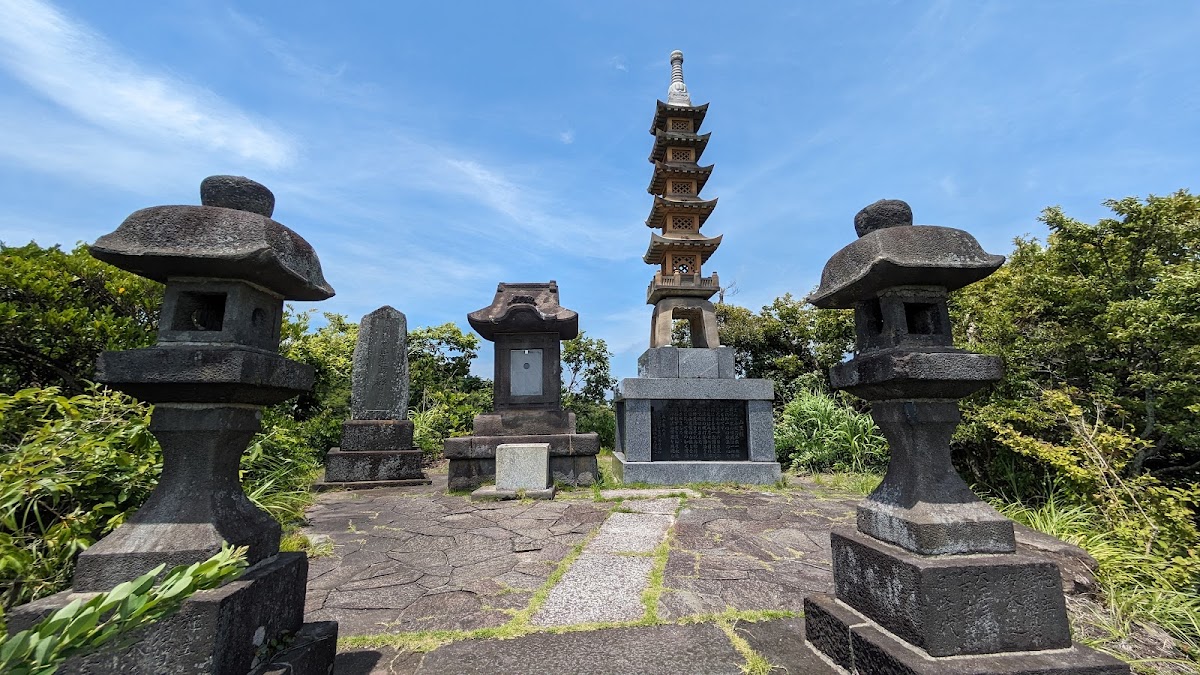
Tower of Zeus
Within the temple grounds remains a structure called the “Tower of Zeus.” This tower is a valuable historical relic that tells the story of the intersection of Christian and Buddhist cultures.
Site of Takayama Ukon’s Monastery
The site of what is believed to be Takayama Ukon’s monastic retreat is preserved. This is an important historical site where you can feel the spirit of Ukon, who remained steadfast in his faith during a time of Christian persecution.
About the Yamano-dera Temple Group
The Yamano-dera Temple Group in Nanao City is an area consisting of 16 temples positioned by Maeda Toshiie for the defense of Komaruyama Castle. Hongyo-ji Temple is one of them and has played an important historical and cultural role.
Facility Details
Location: Ri-58, Kojima-machi, Nanao City, Ishikawa Prefecture
Sect: Nichiren Buddhism
Access
- Approximately 10 minutes by car from JR Nanao Line “Nanao Station”
- Approximately 15 minutes by car from Nōetsu Expressway “Nanao IC”
We recommend visiting this as part of a walking tour of the entire Yamano-dera Temple Group.
Tsubata Honkoji Temple (Tsubata-machi, Kahoku-gun, Ishikawa Prefecture): A Family Temple Associated with the Maeda Clan
History of Establishment
Tsubata Honkoji Temple is a Nichiren Buddhist temple founded in 1536 in Nanao. The temple’s origins are deeply connected to the fact that Maeda Toshihide, son of Maeda Toshitsugu, followed Oda Nobunaga in Kyoto and converted to the Lotus Sutra.
Toshihide relocated Honjoji Temple in Nanao to Tsubata, renamed it Tsubata Honkoji Temple, and established it as his family temple. As a temple with deep ties to the Maeda family, it holds an important position in the history of the region.
Facility Details
Location: 6 Kagazume, Tsubata-machi, Kahoku-gun, Ishikawa Prefecture
Phone Number: 076-289-2562
Sect: Nichiren Buddhism
Access
- Approximately 10 minutes by car from JR Hokuriku Main Line “Tsubata Station”
- Approximately 20 minutes by car from Hokuriku Expressway “Kanazawa Morimoto IC”
Saga Hongyoji Temple (Saga City, Saga Prefecture): The family temple of the Ryuzoji family
Relationship with the Ryuzoji Family
Located in Saga City, Hongyoji Temple is a Nichiren Buddhist temple of the Minobu-san sect, and its formal name is Jojuzan. It was established in 1518 (Eisho 15) in the northern part of the castle by Ryuzoji Taneie, who was a follower of the temple’s founder, Nichisei Shonin. It is said to have been moved to its current location in 1610 (Keicho 15).
As the family temple of the Yoga Ryuzoji family, the tomb of Taneie is enshrined within the temple grounds, making it an important historical site that conveys the history of the Saga region during the Sengoku period.
Facility Details
Location: 2-25 Yoga-cho, Saga City, Saga Prefecture
Sect: Nichiren-shu Minobu-san School
Access
- Approximately 10 minutes by car from JR Nagasaki Main Line “Saga Station”
- Approximately 20 minutes by car from Nagasaki Expressway “Saga Yamato IC”
Sado Hongyo-ji Temple (Sado City, Niigata Prefecture): A sacred site where Nichiren Shonin landed on Sado Island
Historical site of Nichiren Shonin’s exile to Sado Island
Hongyo-ji Temple in Sado City is a Nichiren-shu temple with the mountain name Matsuzaki-yama. It is known as a historically significant sacred site built on the place where Nichiren Shonin landed on Sado Island.
Nichiren Shonin was exiled to Sado Island in 1271 (Bun’ei 8) and landed in this area. Hongyoji Temple is an important religious site commemorating that historical moment.
Highlights of the Temple Grounds
Within the temple grounds stands a stone statue of “Nichiren Shonin’s Dragon Lantern Sermon,” allowing visitors to commemorate Nichiren Shonin’s preaching of the Lotus Sutra on Sado Island. It is an important pilgrimage site for Nichiren Buddhist followers.
Facility Details
Location: 1151 Matsugasaki, Sado City, Niigata Prefecture
Sect: Nichiren Buddhism
Access
- Approximately 45 minutes by car from Sado Kisen’s “Ryotsu Port”
- Accessible by Sado City Community Bus
Motoasakusa Hongyoji Temple (Taito-ku, Tokyo): A Shinshu Takada-ha Temple
Characteristics of the Sect
Located in Motoasakusa, Taito-ku, Hongyoji Temple is a Shinshu Takada-ha temple. Unlike many other temples in the Hongyo-ji sect, this temple is unique in that it belongs to the Jodo Shinshu sect.
The Shinshu Takada sect is a branch of Jodo Shinshu Buddhism, founded by Shinbutsu Shonin, a direct disciple of Shinran Shonin, and its head temple is Senshuji Temple in Tsu City, Mie Prefecture.
Facility Details
Location: 4-6-18 Motoasakusa, Taito-ku, Tokyo
Sect: Shinshu Takada-ha
Access
- Approximately 7 minutes on foot from Inaricho Station on the Tokyo Metro Ginza Line
- Approximately 8 minutes on foot from Shin-Okachimachi Station on the Tsukuba Express
- Approximately 15 minutes on foot from Ueno Station on the JR Yamanote Line
Chigasaki Hongyoji Temple (Chigasaki City, Kanagawa Prefecture): A place associated with the Takiguchi Persecution of Nichiren Shonin
History of Founding
Hongyoji Temple in Chigasaki City, Kanagawa Prefecture, began in 1938 (Showa 13) when the temple’s founder, Myosho Honi, established the Hongyoji Society in Koshigoe, the site of the Takiguchi Persecution of Nichiren Shonin.
The Takiguchi Persecution refers to the incident in which Nichiren Shonin was arrested in Kamakura and nearly executed at the Tatsuguchi execution ground in Koshigoe. Honkoji Temple, built near the site of this historical event, is a temple of great significance to followers of the Nichiren sect.
History of Development
Through the teachings of Honko, the number of followers increased, and in 1952 (Showa 27), based on the Religious Corporations Act, Honko Church was established with Honko’s teacher, Nichika Shonin, as its founding priest. It subsequently developed into the present-day Honkoji Temple.
Facility Details
Location: Koshigoe, Chigasaki City, Kanagawa Prefecture
Sect: Nichiren Buddhism
Access
- Take a bus from JR Tokaido Line “Chigasaki Station”
- Within walking distance from Enoshima Electric Railway “Koshigoe Station”
Etiquette and Manners for Visiting Hongyo-ji Temple
Basic Etiquette for Visiting Temples
When visiting a temple, please observe the following basic manners:
- Bow at the Temple Gate: Bow at the temple gate before entering the temple grounds.
- Purification at the Water Basin: If there is a water basin, purify your hands and mouth.
- Respectful Attitude: Be quiet on the temple grounds and be considerate so as not to disturb other visitors.
- Consideration for Photography: Refrain from taking photos in areas where photography is prohibited, and take photos with moderation even in permitted areas.
- Procedure for Offering a Coin: Place your offering in front of the main hall, then clasp your hands together and pray.
Regarding Attire
There are no specific dress code requirements, but when visiting religious sites, please avoid revealing or overly flashy clothing and aim for clean, understated attire.
Regarding Goshuin (Temple Seals)
Many Hongyo-ji temples offer Goshuin (temple seals). Bring your Goshuincho (seal book) and politely request one. The Goshuin fee is usually around 300 yen, but may vary depending on the temple.
Recommendation for Visiting Hongyo-ji Temples
Pilgrimage to Nichiren Buddhist Temples
Since many Hongyo-ji temples throughout Japan belong to the Nichiren Buddhist sect, a pilgrimage to Hongyo-ji temples is a meaningful experience for those interested in the faith and history of Nichiren Buddhism. By learning about the unique history and characteristics of each Hongyo-ji temple, you can understand the breadth and diversity of Nichiren Buddhism.
Exploring Local History
Hongyo-ji temples are deeply connected to the history of the region in which they are located. Many temples in the Hongyo-ji area have connections to important historical figures such as Ota Dokan, the Ryuzoji family, the Maeda family, and Takayama Ukon, making them valuable resources for learning about local history.
Appreciation of Architecture and Art
Each Hongyo-ji temple preserves architectural styles and Buddhist art that reflect the era. By appreciating the buildings such as the main hall, temple gate, and gardens, as well as the Buddhist statues, paintings, and calligraphy, you can deepen your understanding of traditional Japanese culture.
Summary
The Hongyo-ji temples scattered throughout Japan are valuable religious facilities, each possessing its own unique history and cultural value. From the site of Nichiren Shonin’s death in Ikegami, to Tsukimi-dera Temple in Arakawa, the site associated with Takayama Ukon in Nanao, and the sacred site of Nichiren Shonin’s landing in Sado, each Hongyo-ji temple has played an important role in Japan’s religious and cultural history.
When visiting temples, understanding their historical background and observing appropriate manners will lead to a deeper experience. Please use the information presented in this article as a reference and visit a Hongyo-ji temple.
For detailed information about each temple, including the latest event schedules and visiting hours, we recommend checking the official website or calling the temple before your visit. Especially during annual events and special viewings, procedures may differ from normal, so prior confirmation is crucial.