Complete Guide to Hōtokusan Inari Taisha Shrine | Thorough Explanation of History, Annual Events, and Access Information
Hōtokusan Inari Taisha Shrine, located in Nagaoka City, Niigata Prefecture, boasts a long history dating back to the Jomon period and is a venerable shrine visited by over 300,000 worshippers annually from all over Japan. Affectionately known locally as “Iwatsuka no Oinari-san,” it is renowned for its magnificent main hall and solemn annual events. This article provides a thorough explanation of everything you need to know before visiting Hōtokusan Inari Taisha Shrine, including its history, enshrined deities, worship methods, and access information.
What is Hōtokusan Inari Taisha Shrine?
Hōtokusan Inari Taisha Shrine (Hōtokusan Inari Taisha) is a shrine located at 715 Ura, Nagaoka City, Niigata Prefecture, and is also formally known as “Hōtoku Taisha.” It enshrines Amaterasu Shiragiku Hōtoku Inari Ōkami as its main deity, along with Nihon Kofune Ōkami and Yagokoro Kane Ōkami.
Locally known affectionately as “Iwatsuka no Oinari-san,” this shrine, conveniently located about a 10-minute walk from Echigo-Iwatsuka Station, maintains a sacred space enveloped in tranquility. Candlelight burns continuously throughout the grounds, a testament to the deep faith of its followers.
Characteristics of Hōtokusan Inari Taisha Shrine
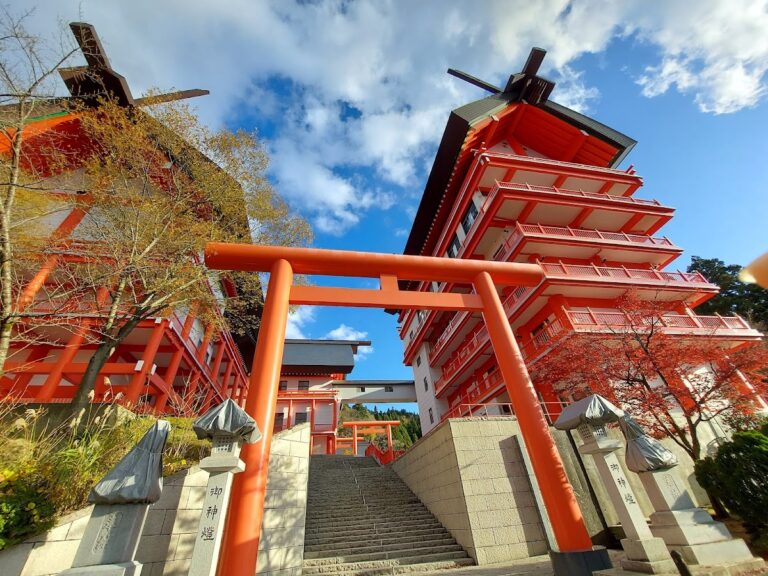
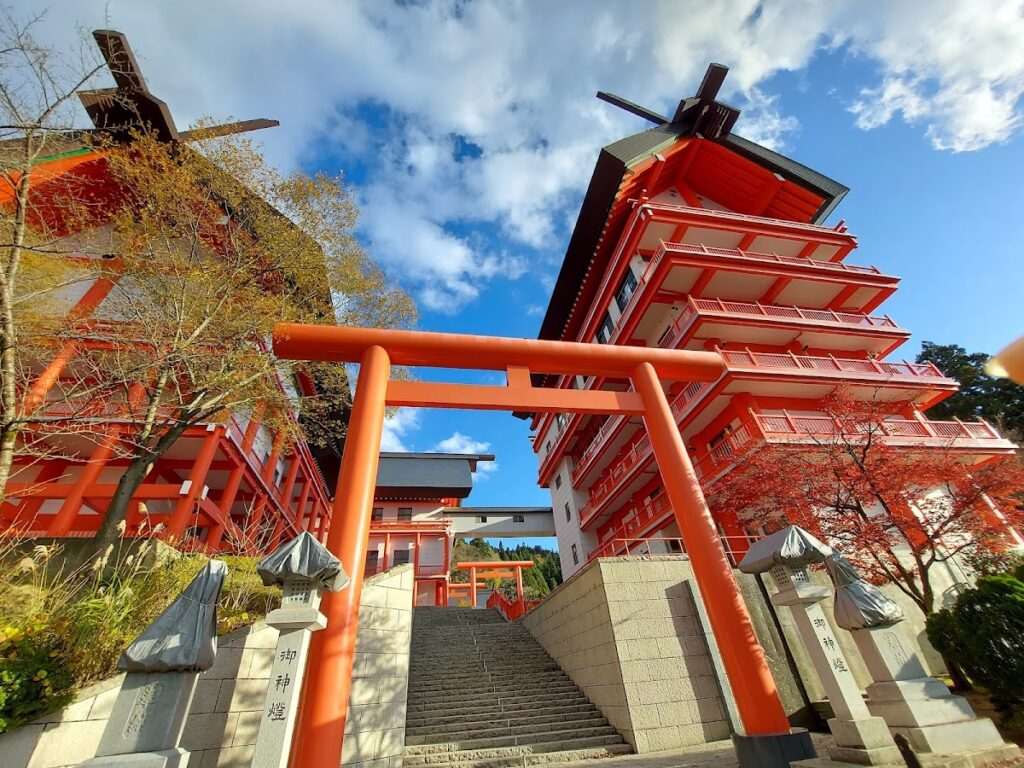
The most striking feature of Hōtokusan Inari Taisha Shrine is its magnificent main hall. Standing at the height of a 5-6 story building, it stands apart from typical shrine architecture. While adhering to the Shinto architectural style with its chigi and katsuogi, its unique form overwhelms visitors. Completed in the 1960s, this grand hall has since become a center of faith for believers nationwide.
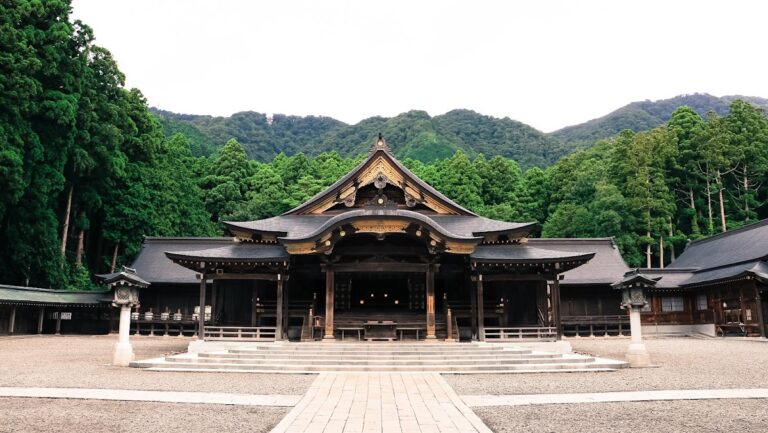
The grounds are vast, containing multiple facilities including the main hall, the inner sanctuary, and the inner sanctuary, each serving as a venue for important religious ceremonies. Especially during the Shinto ritual held on the night of November 2nd, tens of thousands of candles are lit in the inner sanctuary, creating a mystical and solemn atmosphere.
History of Hōtokusan Inari Taisha Shrine
The history of Hōtokusan Inari Taisha Shrine surprisingly dates back to the Jomon period. This region has long been revered as a sacred mountain and an object of nature worship.
From Ancient to Early Modern Times
As a place of worship continuing from the Jomon period, it is believed that ancient people felt a sacred power in this land and performed rituals here. Later, over time, it became associated with Inari worship, attracting people who prayed for abundant harvests and business prosperity.
Around the Bunsei era (1820), the shrine was relocated from Nakanodake Gingamine to its current location, Okunoin Chōjabara. This relocation established the foundation of Hōtokusan Inari Taisha Shrine’s current form, and it began to attract many worshippers from both within and outside Niigata Prefecture.
Development in the Modern Era
Even after the Meiji era, the faith did not decline; rather, it spread throughout the country. In the Showa era, the increase in believers necessitated the expansion of the shrine buildings, and the construction of the current magnificent main hall was planned.
Completed in the 1960s, the main hall boasted a groundbreaking scale and structure for its time, demonstrating new possibilities in shrine architecture. With its completion, Hōtokusan Inari Taisha gained nationwide recognition, and the number of annual visitors increased dramatically.
Currently, it attracts over 300,000 visitors annually, and as one of Niigata Prefecture’s leading shrines, it plays an important role as a regional tourist resource.
Deities and Divine Virtues
Hōtokusan Inari Taisha enshrines three deities, each possessing different divine virtues.
Amaterasu Shiragiku Hōtoku Inari Ōkami
The principal deity, Amaterasu Shiragiku Hōtoku Inari Ōkami, is revered as the god of abundant harvests, business prosperity, and family safety. In addition to the power of fertility and prosperity characteristic of Inari, the deity is also believed to possess the power of purification, symbolizing the purity of the white chrysanthemum.
Nihon Kofune Okami
Nihon Kofune Okami is known as the god of fire prevention and good fortune, and is believed to have the power to ward off disasters and protect families and businesses. It is especially revered for its divine power to prevent fires, and many believers pray to it for safety.
Yagokoro Kane Okami
Yagokoro Kane Okami is the god of wisdom and prudence, and attracts the faith of people praying for academic success, passing exams, and success in their work. Many people visit this deity at important junctures in their lives, as it is believed to bestow sound judgment and insight.
Annual Events and Festivals
At Hōtokusan Inari Taisha, various annual events are held throughout the year. Believers gather from all over Japan, and the shrine is enveloped in a solemn yet vibrant atmosphere.
Major Annual Events
Hatsumode (January 1st-3rd)
This is the most important event to welcome the New Year, with many worshippers praying for happiness and safety throughout the year. A special Shinto ritual is performed during the New Year’s Day Festival to celebrate the start of the new year.
Setsubun Festival (around February 3rd)
Traditional events such as bean-throwing are held, praying for protection from evil and for good fortune.
Spring Grand Festival (around the Vernal Equinox)
This is an important festival to celebrate the arrival of spring and pray for a bountiful harvest.
Annual Grand Festival (November 2nd)
This is one of the most important annual events at Hōtokusan Inari Taisha Shrine. On the night of November 2nd, tens of thousands of candles are lit in the inner sanctuary, and a grand and solemn Shinto ritual is performed. This spectacle is breathtaking, attracting many worshippers from all over the country. In the enchanting atmosphere created by candlelight, prayers are offered to express gratitude for the past year and to pray for prosperity in the coming year.
Autumn Grand Festival (around the Autumnal Equinox)
A festival is held to give thanks for the harvest and to celebrate a bountiful harvest.
Great Purification Ceremony (June 30th, December 31st)
This Shinto ritual purifies the impurities accumulated over the past six months, praying for the purification of mind and body and a fresh start.
These annual events are important opportunities for believers to deepen their faith and serve as a vital bond between the shrine and its followers.
Visiting Hours and Prayers
Visiting Hours
The visiting hours for Hōtokusan Inari Taisha Shrine are as follows:
- General Visitors: 7:00 AM – 5:00 PM
- Prayers: 9:00 AM – 5:00 PM
The shrine is open year-round, but if you wish to have prayers performed, it is recommended to call in advance to confirm.
Types of Prayer
At Hōtokusan Inari Taisha Shrine, you can receive various types of prayers.
- Family Safety
- Business Prosperity
- Protection from Evil
- Traffic Safety
- Success in Exams
- Recovery from Illness
- Fulfillment of Wishes
While reservations are not required for prayers, it can get crowded on days with annual events and on weekends, so it is recommended to visit with plenty of time to spare.
About Hōtoku-kai
Hōtokusan Inari Taisha Shrine has a support organization called “Hōtoku-kai.” The purpose of Hōtoku-kai is to pray for the happiness of many believers. It aims to provide a place where people can learn together in the unique setting of a shrine.
Hōtoku-kai participates in regular events, cooperates in the maintenance and management of the shrine, and holds study sessions to deepen faith. Those wishing to join should contact the shrine directly.
Access Information
Detailed information on how to access Hōtokusan Inari Taisha Shrine is provided below.
Access by Train
From JR Shin’etsu Main Line “Echigo-Iwatsuka Station”
After alighting at Echigo-Iwatsuka Station, it’s about a 10-minute walk. The path from the station to the shrine is flat, and there are signs, so even first-time visitors can easily find their way.
From JR “Nagaoka Station”
It’s about a 15-minute ride on the Shin’etsu Main Line from Nagaoka Station to Echigo-Iwatsuka Station. There are many accommodations around Nagaoka Station, making it a convenient base for visitors from afar.
Access by Car
From Kan’etsu Expressway “Nagaoka IC”
It’s about a 40-minute drive from Nagaoka IC. Take National Route 8 towards Kashiwazaki. You will need to turn left at the appropriate traffic light along the way, so we recommend using a car navigation system or smartphone map app.
From National Route 8
If coming from the Ojiya area, also use National Route 8. If coming from Kashiwazaki, turn left at the first major traffic light to enter the road leading to the shrine.
Parking
There is a parking lot for visitors on the shrine grounds. While there is usually ample space, it can get crowded during major annual events such as New Year’s Day and the annual festival. In such cases, we recommend using public transportation.
Address and Contact Information
Address: 715 Ura, Nagaoka City, Niigata Prefecture 949-5493
Phone: 0258-92-5903
For inquiries regarding worship and prayers, please call the number above.
Nearby Tourist Attractions
When visiting Hōtokusan Inari Taisha Shrine, exploring the surrounding tourist attractions will allow you to experience the charm of Nagaoka more deeply.
Michi-no-Eki Nagaoka Hanabi-kan (Nagaoka Fireworks Museum)
This facility allows you to experience the charm of Nagaoka fireworks all year round. There is an exhibit where you can learn about the history and technology of the Nagaoka Festival Grand Fireworks Display, one of Japan’s three major fireworks festivals, making it an ideal place to visit in conjunction with Hōtokusan Inari Taisha Shrine.
Nagaoka City Center
The area around Nagaoka Station is well-equipped with shopping facilities and restaurants. It’s convenient for enjoying Niigata’s local cuisine and purchasing souvenirs.
Echigo Hills Park
This vast park, where you can enjoy flowers throughout the seasons, is a popular spot for families. It’s about a 30-minute drive from Hōtokusan Inari Taisha Shrine.
Manners and Precautions for Visiting the Shrine
When visiting Hōtokusan Inari Taisha Shrine, please observe the following manners and precautions.
Basic Manners for Visiting the Shrine
- Bow when passing through the torii gate: This shows respect when entering the sacred area.
- Purify yourself at the water basin: Purify your left hand, right hand, and mouth in that order.
- Avoid the center of the approach to the shrine: The center is considered the path for the gods.
- Two bows, two claps, one bow: Follow the general etiquette for visiting a shrine.
Regarding Photography
While sharing information on social media is common, remember that this is a sacred place and be considerate of other visitors. It is especially important to refrain from taking photos during prayers or Shinto rituals.
Attire
There are no specific dress code requirements, but clean and understated clothing is desirable when visiting a shrine. More formal attire is preferable if receiving prayers.
The Charm of Hōtokusan Inari Taisha
The charm of Hōtokusan Inari Taisha lies in its long history, magnificent architecture, and the deep faith of its worshippers who gather from all over Japan.
The Weight of History
Its history as a place of worship dating back to the Jomon period gives it a special value unmatched by other shrines. Simply standing on this ground allows you to feel the passage of time and the accumulation of people’s prayers.
Unique Architectural Style
Completed in the 1960s, the grand hall boasts an original design that transcends the boundaries of traditional shrine architecture. While retaining elements of Shinto architecture such as chigi and katsuogi, the building achieves a modern scale and structure, making it highly valuable as an architectural structure.
Candlelight
Candlelight burns continuously throughout the shrine grounds. This light symbolizes the prayers of believers and demonstrates that the shrine is a living place of faith. Especially during the annual festival on November 2nd, tens of thousands of candles are lit, leaving a profound impression on visitors.
Believers from Across Japan
Believers visit Hōtokusan Inari Taisha not only from Niigata Prefecture but from all over Japan. The annual number of visitors, exceeding 300,000, speaks volumes about the shrine’s spiritual power and appeal.
Summary
Hōtokusan Inari Taisha Shrine boasts a long history dating back to the Jomon period. Since its relocation to its current location during the Bunsei era, it has attracted fervent devotion from believers nationwide. With Amaterasu Shiragiku Hōtoku Inari Ōkami as its principal deity, and also enshrining Nihon Kofune Ōkami and Yagokoro Kane Ōkami, the shrine is known for its divine blessings of abundant harvests, business prosperity, and family safety.
The magnificent main hall, completed in the 1960s, overwhelms visitors with its unique form, and the annual festival on November 2nd presents a fantastical spectacle with tens of thousands of candles lit. The shrine also offers numerous annual events, attracting believers throughout the year to offer prayers.
Its convenient access—approximately a 10-minute walk from Echigo-Iwatsuka Station on the JR Shin’etsu Main Line and about a 40-minute drive from the Nagaoka Interchange on the Kan’etsu Expressway—is another attractive feature. When visiting Nagaoka City, Niigata Prefecture, be sure to visit Hōtokusan Inari Taisha Shrine and experience its history and sacred atmosphere. Through the Hōtokukai, a supporter organization, you can learn more about the faith. Whether you’re a first-time visitor or a long-time believer, you’ll discover the charm of this shrine in your own way. Visiting nearby tourist spots such as the Nagaoka Fireworks Museum (Michi-no-Eki Nagaoka Hanabi-kan) will allow you to experience the charm of Nagaoka even more deeply.
General worship hours are from 7:00 to 17:00, and prayer services are from 9:00 to 17:00. For detailed inquiries, please call 0258-92-5903. We sincerely look forward to your visit.