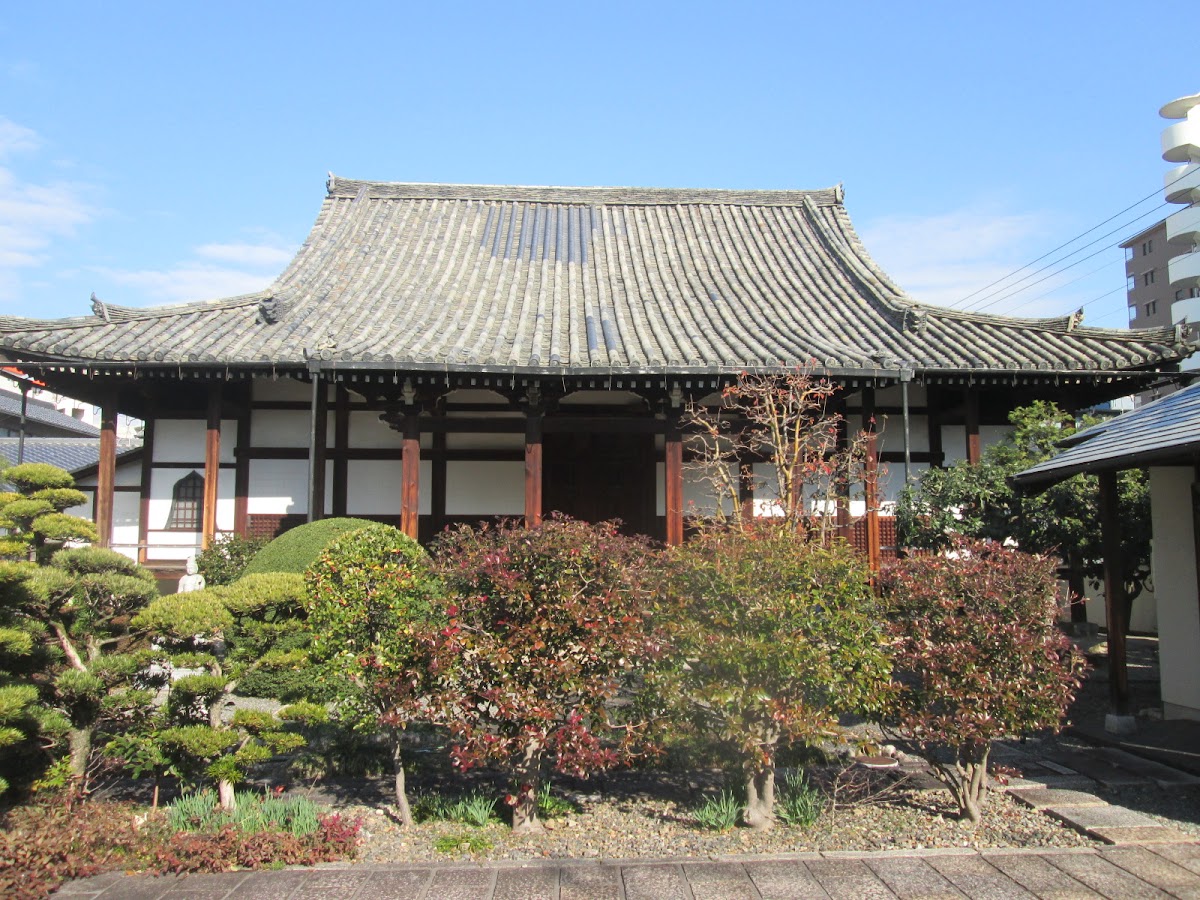
Complete Guide to Kenshoji Temples | History, Cultural Assets, and Access Information for Kenshoji Temples Nationwide
Kenshoji is the name of a group of historical temples located throughout Japan. Each Kenshoji temple has a different sect, historical background, and cultural assets, and has played an important role as a center of local faith and culture. This article provides a detailed explanation of the history, cultural assets, attractions as tourist spots, and access methods for major Kenshoji temples throughout Japan.
What is Kenshoji?
The name Kenshoji originates from the Zen Buddhist teaching “Kensho Jobutsu,” which means “to attain Buddhahood by discerning one’s true nature.” This name is mainly used in Zen Buddhist temples. However, temples of other sects, such as the Jodo sect, also bear this name, and multiple Kenshoji temples are scattered throughout Japan.
Each Kenshoji temple has its own unique history and characteristics, and is cherished by many people as a local family temple or as a tourist spot.
Kenshoji Temple, Komono-cho, Mie Prefecture
Family Temple of the Hijikata Family, Lords of the Komono Domain
Kenshoji Temple, located in Komono-cho, Mie-gun, Mie Prefecture, is a Zen Buddhist temple belonging to the Myoshinji branch of the Rinzai school. Its most notable feature lies in its historical significance as the family temple of the Hijikata family, who ruled the Komono Domain during the Edo period.
The Komono Domain was a small domain of 12,000 koku ruled by the Hijikata family throughout the Edo period, but Kenshoji Temple houses numerous valuable cultural artifacts associated with the lords. These include armor, flags, folding screens, and ancient documents actually used by the lords, providing invaluable materials that convey the samurai culture of the Edo period.
Architecture by Master Craftsman Takagi Tozo
The entrance to the shoin (study hall) of Kenshoji Temple is known to be the work of Takagi Tozo, a master craftsman who was active from the late Edo period to the Meiji era. Fujizo Takagi was a leading temple carpenter in the Ise region, and his exquisite craftsmanship can be seen in many temple and shrine buildings. The entrance to Kenshoji Temple is one of his masterpieces and is highly valued from an architectural history perspective.
The meticulously carved decorations and the structure that balances functionality and beauty demonstrate the pinnacle of Edo period architectural technology.
A Famous Spot for Cherry Blossoms and Azaleas
Kenshoji Temple boasts a large temple grounds and is known as a famous spot for its beautiful cherry blossoms in spring and azaleas in early summer. The cherry trees planted on the temple grounds bloom magnificently every spring, delighting local residents and tourists alike.
During azalea season, the temple grounds are adorned with colorful blossoms, creating a unique atmosphere in combination with the tranquil ambiance of the Zen temple. These natural beauties make Kenshoji Temple more than just a religious site; it is a valuable tourist attraction.
Access and Basic Information
Address: Komono, Komono-cho, Mie-gun, Mie Prefecture
Phone Number: 059-394-1016
Access:
- Approximately 15 minutes on foot from Kintetsu Yunoyama Line “Komono Station”
- Approximately 20 minutes by car from Tomeihan Expressway “Yokkaichi IC”
Parking: Available (Free)
Religious Activities and Memorial Services
Currently, Kenshoji Temple conducts a wide range of religious activities, including funerals, various memorial services, memorial services for stillborn babies, ancestral memorial services, and various prayers. As a local family temple, it plays an important role in supporting the religious lives of parishioners and local residents.
As a Zen Buddhist temple of the Rinzai Myoshinji sect, it also regularly holds Zen meditation sessions, providing opportunities for modern people to experience the teachings of Zen.
Kenshoji Temple, Tatsuno City, Hyogo Prefecture
History of the Five Temples of Murotsu
Kenshoji Temple, located in Murotsu, Tatsuno City, Hyogo Prefecture, is a temple with a unique historical background. This temple is a valuable historical site as the only surviving temple of the “Five Temples” said to have been built by Murogimi, the daughter of the head of Murotsu and a courtesan.
The Five Temples are a collective term for five temples built by Murogimi to atone for her sins and to save all sentient beings. While the other four temples were lost over time, Kenshoji Temple alone remains to this day, preserving its history.
National Important Cultural Property: Standing Statue of Bishamonten
The greatest cultural asset of Kenshoji Temple is the standing statue of Bishamonten, a nationally designated Important Cultural Property. This statue was created using the one-piece carving technique, showcasing the excellent techniques of Heian period Buddhist sculpture.
According to legend, this statue of Bishamonten (Vaisravana) is said to have appeared from the sea off Murotsu approximately 1000 years ago, emitting a radiant light every night. This mystical legend deepens the faith in Kenshoji Temple and the Bishamonten statue.
Ipponzukuri is a technique of carving the entire Buddha statue from a single piece of wood, and was widely used from the early to mid-Heian period. Because there are no joints, it is believed that the life force of the wood is directly imbued into the Buddha statue, resulting in highly spiritual works.
History of Murotsu and Kenshoji Temple
Murotsu has long flourished as an important port town on the Seto Inland Sea. Known as a port of call for ships since the time of the Japanese envoys to Tang China, it was also an important post town on the sea route for the sankin-kotai (alternate attendance) system during the Edo period.
Within this historical context, Kenshoji Temple has functioned as a spiritual pillar of the port town. It was deeply rooted in the local community as a place of worship for praying for safety at sea and as a spiritual haven for travelers.
Access Information
Address: Murotsu, Mitsu-cho, Tatsuno City, Hyogo Prefecture
Access:
- Approximately 30 minutes by bus from JR “Aboshi Station,” then a 5-minute walk from “Murotsu” bus stop.
- Approximately 25 minutes by car from Sanyo Expressway “Tatsuno-Nishi IC.”
Kenshoji Temple, Chikuma City, Nagano Prefecture
A Zen Temple of the Soto School
Kenshoji Temple, located in Chikuma City, Nagano Prefecture, is a Zen temple belonging to the Soto school. Founded around the Tensho era (1573-1593) as a Soto school temple, it has continued to this day, supported by the local community and surrounded by abundant nature.
The Soto school is a branch of Japanese Zen Buddhism founded by Zen Master Dogen, and emphasizes “Shikantaza,” that is, simply sitting in meditation. Religious activities at Kenshoji Temple are based on this teaching.
Cemetery Plots and Perpetual Memorial Services
At Kenshoji Temple, in addition to the traditional parishioner system, we offer services that meet modern needs, such as cemetery plots and perpetual memorial services. In today’s society, characterized by nuclear families and an aging population, we offer perpetual memorial services as an option for those who have no successors to their graves or who do not wish to burden their descendants.
Furthermore, wakes and funerals can be held within the temple grounds, providing a peaceful environment for saying goodbye to the deceased.
A Naturally Rich Environment
Chikuma City is located in the northern part of Nagano Prefecture, a naturally rich area where the Chikuma River flows. The area surrounding Kenshoji Temple is surrounded by rural landscapes, allowing visitors to experience the changing seasons. The environment, which displays different expressions in each season—the fresh green of spring, the deep green of summer, the autumn leaves, and the snowy landscape of winter—is an ideal place for those seeking peace of mind.
Access Information
Address: Chikuma City, Nagano Prefecture
Access:
- Approximately 10 minutes by car from Shinano Railway “Chikuma Station”
- Approximately 15 minutes by car from Joshinetsu Expressway “Sakaki IC”
Other Kenshoji Temples
Kenshoji Temple in Higashisumiyoshi Ward, Osaka City
Kenshoji Temple in Higashisumiyoshi Ward, Osaka City, is known for its connection to Taira no Shigemori, a warrior from the late Heian period. It is said to have been restored through donations from Taira no Shigemori, demonstrating the deep faith of the Taira clan.
Furthermore, Kenshoji Temple is also known as the place where Honen Shonin, the founder of the Jodo sect, composed the poem “Tsukikage” (Moonlight). It is one of the important temples for tracing the footsteps of Honen Shonin.
Kenshoji Temple in Kaminokawa Town, Tochigi Prefecture
Kenshoji Temple, located in Tako, Kaminokawa Town, Kawachi District, Tochigi Prefecture, is a Soto Zen temple. It is said that in 1212 (Kenryaku 2), Taira no Sadayoshi, a warrior of the Taira clan, became a monk and built a hermitage on this site, founding it as Kenshoji Temple of the Jodo sect.
Later, in 1451 (Hotoku 3), the lord of Tako Castle at the time invited the monk Denshitsu Zonteki, a Dharma descendant of Zen Master Eihei Dogen, to be the restorer and founding abbot, and the temple was renamed Kenshoji Temple and became a Soto Zen temple. It is a temple with a history intertwined with the legend of the Taira clan’s refugees.
Kenshoji Temple, Kameari, Katsushika Ward, Tokyo
Kenshoji Temple, located in Kameari, Katsushika Ward, Tokyo, is a Soto Zen temple known as Jikishizan. It is said to have been founded in 1620 (Genna 6) by Tsushima Shunkyo, and later restored by Sekibun, who founded Eizenji Temple (now Kankoji Temple) in Fukagawa, Edo.
Despite its urban location, it maintains a tranquil environment and functions as a place of worship for local residents. ### Kenshoji Temples in Tendo City, Yamagata Prefecture, Shizuoka Prefecture, and Chiba Prefecture
Besides these, there are other temples named Kenshoji throughout Japan, including in Tendo City, Yamagata Prefecture, Shizuoka Prefecture, and Chiba Prefecture. Each plays a unique role within its local history and culture, making them well worth visiting.
Points to Note When Visiting Kenshoji Temple
Manners for Visiting
When visiting Kenshoji Temple, it is important to observe basic manners befitting a religious site.
- Bow when passing through the temple gate
- Behave quietly within the temple grounds
- Take photographs only in designated areas
- Remove your hat inside the main hall
- Offer incense and coins respectfully
In the case of Zen temples, it may be possible to experience Zen meditation, so it’s a good idea to inquire in advance.
Enjoying Kenshoji Temple as a Tourist Spot
Kenshoji Temple is not only a religious site, but also a tourist spot where you can enjoy historical buildings, cultural assets, and natural beauty.
- Cultural Heritage Appreciation: You can view valuable cultural properties, including nationally designated important cultural properties and items associated with feudal lords.
- Architectural Beauty: You can appreciate the beauty of architecture by master craftsmen and traditional temple architecture.
- Nature: You can enjoy the seasonal beauty of nature, such as cherry blossoms, azaleas, and autumn leaves.
- Historical Exploration: You can learn about the unique historical background of each Kenshoji Temple.
Combining with Nearby Sightseeing
When visiting Kenshoji Temple, it is also recommended to combine your visit with other nearby sightseeing spots.
Around Kenshoji Temple in Komono Town, Mie Prefecture:
- Yunoyama Onsen: A hot spring resort within walking distance
- Gozaisho Ropeway: Enjoy the scenery of the four seasons
- Aqua Ignis: A complex facility where you can enjoy hot springs and gourmet food
Around Kenshoji Temple in Tatsuno City, Hyogo Prefecture:
- Murotsu Townscape: Retaining the atmosphere of a historical port town
- Tatsuno City Tatsuno Historical and Cultural Museum: Learn about the history of the region
- Kamo Shrine: A shrine known as the guardian shrine of Murotsu
Around Kenshoji Temple in Chikuma City, Nagano Prefecture:
- Obasute Rice Terraces: A scenic spot selected as one of Japan’s Top 100 Rice Terraces
- Togura Kamiyamada Onsen: A historic hot spring town
- Anzu no Sato: Beautiful apricot blossoms in spring
Cultural Properties and Preservation Activities of Kenshoji Temple
The Value of Cultural Properties
Kenshoji temples throughout Japan house a variety of valuable cultural properties, ranging from nationally designated Important Cultural Properties to locally designated cultural properties. These are not merely old objects, but invaluable historical materials that convey the religious views, aesthetic sensibilities, technological standards, and social conditions of the time.
Buddhist sculptures, such as the standing statue of Bishamonten, demonstrate the high level of Buddhist art during the Heian period. Furthermore, the armor, flags, and screens of the Komono domain lords are valuable resources that provide concrete insights into the samurai culture of the Edo period.
Balancing Preservation and Public Access
The preservation and public access of cultural properties always require a delicate balance. While allowing many people to see them helps to widely recognize their value, changes in light, humidity, and temperature can lead to deterioration.
Kenshoji temples throughout Japan continue their efforts to pass on cultural properties to future generations through regular public access and special exhibitions, while maintaining appropriate preservation environments. It is also important for visitors to understand the importance of cultural property protection and cooperate in these efforts.
Kenshoji Temple and the Local Community
Role as a Family Temple
Many Kenshoji temples function as family temples in their communities. A family temple is a temple where ancestral graves are located and funerals and memorial services are held. Through the danka system (parishioner system), temples and local residents maintain deep ties.
While the danka system is changing in modern times, Kenshoji temples continue to play a vital role as the spiritual center of their communities.
Preservation of Local Culture
Kenshoji temples are not only religious institutions but also places for preserving local culture. Cultural activities centered around the temple, such as annual events, festivals, and traditional performing arts, shape the region’s identity.
In particular, Kenshoji temples, famous for their cherry blossoms and azaleas, serve as a gathering place for local residents during the flower-viewing season, strengthening community bonds.
Utilization as a Tourism Resource
In recent years, historical temples like Kenshoji have been recognized as important tourism resources for their communities. Tourism promotion utilizing cultural assets, architectural beauty, and natural beauty contributes to the revitalization of the local economy. Kenshoji Temple in Komono Town, Mie Prefecture, is positioned as part of a tourist route combined with Yunoyama Onsen hot springs. Kenshoji Temple in Tatsuno City, Hyogo Prefecture, is also attracting attention as a tourist spot integrated with the historic townscape of Murotsu.
Zen Buddhism and Kenshoji Temples
Zen Buddhist Teachings
Many Kenshoji Temples belong to the Zen sects, such as the Rinzai and Soto schools. Zen Buddhism emphasizes “non-reliance on written words,” meaning that enlightenment is attained directly through seated meditation, without relying on written words or language.
The phrase “seeing one’s true nature and attaining Buddhahood” perfectly expresses the core teaching of Zen Buddhism. The idea that anyone can become a Buddha by discerning their own true nature (Buddha-nature) demonstrates the Zen Buddhist concept of equality.
Seated Meditation Experience
Some Kenshoji Temples offer seated meditation experiences for the general public. Seated meditation is not merely a meditation technique, but a practical method of training to harmonize mind and body.
Zen meditation offers value to many people as a way to calm minds weary from the stress and information overload of modern society and to connect with their true selves.
The Charm of Zen Culture
Zen temples possess a unique culture that reflects the spirit of Zen. Zen influence can be seen in many aspects of Japanese culture, from the simple yet profound aesthetic of their gardens, to the Zen art of flower arrangement (using a single flower) and its deep connection to the tea ceremony.
Visiting Kenshoji Temple is a valuable opportunity to experience this Zen culture.
Summary
Temples bearing the name Kenshoji are scattered throughout Japan, each possessing its own unique history, cultural assets, and ties to its local community. From the family temple of the Hijikata clan, lords of the Komono domain in Komono-cho, Mie Prefecture, to the temple in Tatsuno City, Hyogo Prefecture, which houses a nationally designated important cultural property, to the Soto Zen temple in Chikuma City, Nagano Prefecture, each Kenshoji temple is well worth a visit.
While fulfilling its role as a religious institution, Kenshoji Temple also plays a multifaceted role as a cultural heritage preservation site, a tourist attraction, and a center of the local community. It is a precious institution that conveys traditional Japanese culture to the present day.
When visiting Kenshoji Temple, understanding its historical background and recognizing the value of its cultural heritage, and offering quiet prayers, will lead to a deeper experience. Furthermore, combining a visit with other nearby tourist attractions will allow you to discover the charm of the entire region.
Kenshoji Temples throughout Japan will continue to play an important role as inheritors of Japan’s spiritual culture, spanning from the past to the present and into the future.