Complete Guide to Kezoji Temples | A Thorough Explanation of the Charms of Kezoji Temples and Kezoji Park Amusement Park Across Japan
The name Kezoji is used for several temples and facilities throughout Japan. Each has its own unique history and characteristics, and has played an important role as a center of local culture and faith. This article provides detailed explanations of Kezoji temples throughout Japan, including Kezoji Park Amusement Park in Isesaki City, Gunma Prefecture, as well as temples in Izumo City, Shimane Prefecture, Nishio City, Aichi Prefecture, and Yuki City, Ibaraki Prefecture.
Kezoji Temple and Kezoji Park Amusement Park in Isesaki City, Gunma Prefecture
Overview of Auto Mirai Kezoji Amusement Park
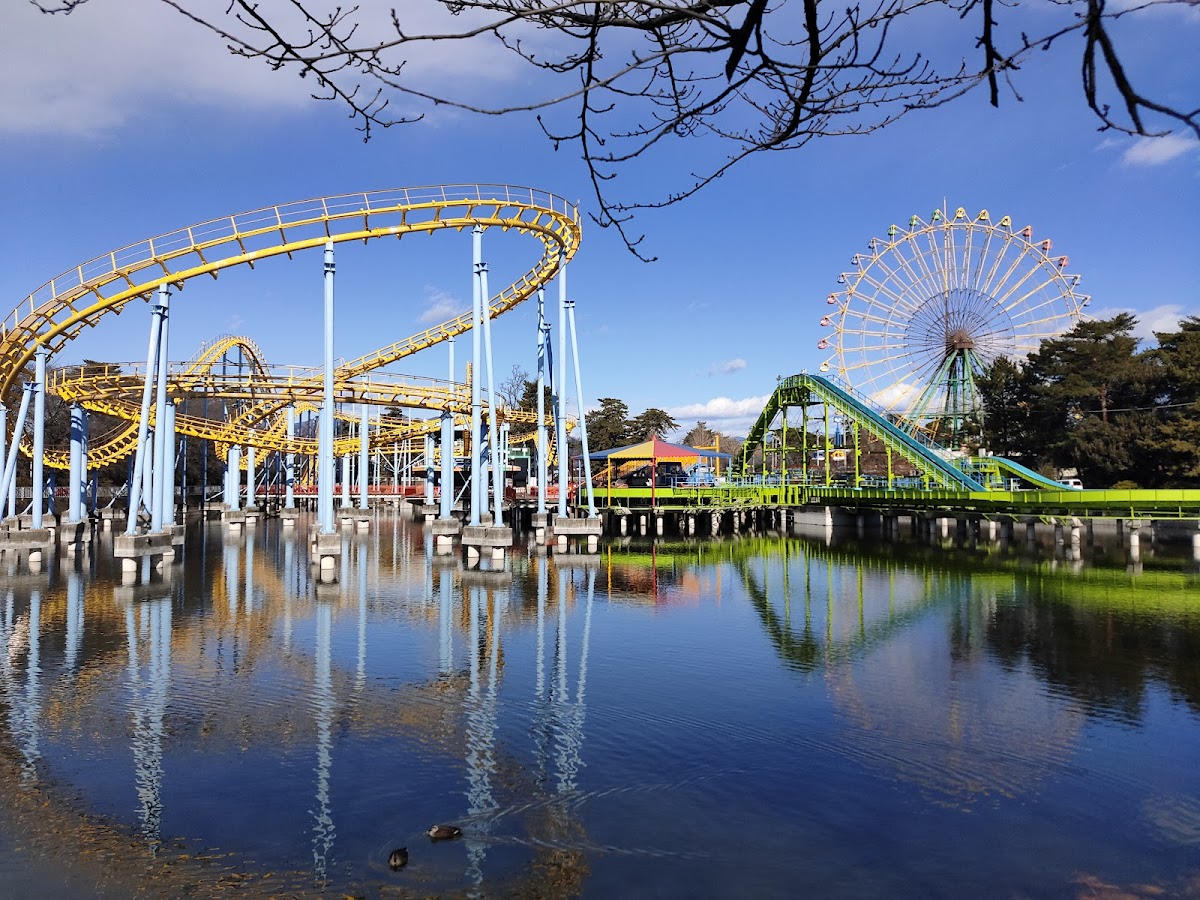
Located at 1 Kezoji-cho, Isesaki City, Gunma Prefecture, Kezoji Park Amusement Park is a comprehensive leisure facility that has been loved by local residents for many years. Since April 2024, it has been renovated as “Auto Mirai Kezoji Amusement Park,” offering new attractions.
Basic Information
- Address: 1 Kezoji-cho, Isesaki City, Gunma Prefecture 372-0003
- Phone Number: 0270-25-4478
- FAX: 0270-21-4468
- Opening Hours: March-November 9:00-17:00, December-February 9:30-16:30
- Closed: Tuesdays (or the following day if Tuesday is a public holiday)
Facilities and Attractions at Kezoji Park
Kezoji Park is a comprehensive park with not only an amusement park but also various facilities on its vast grounds. The entire park spans Kezoji-cho and Tsutsuminishi-cho in Isesaki City and functions as a regional recreation hub.
Main Attractions
- Ferris Wheel: A beloved symbol of the park, offering panoramic views of Isezaki city.
- Roller Coaster: A thrilling attraction popular with young people.
- Merry-go-round: A classic attraction that even small children can enjoy safely.
- Log flume: A water-based attraction especially popular in summer.
Sports Facilities
- Baseball Field: Equipped for full-scale games.
- Gymnasium: Accommodates various sports events.
- Athletics Stadium: Available for track and field events.
- Tennis Courts: Multiple courts available.
Event Information at Kazoji Park
Kazoji Park hosts a variety of events throughout the year. In particular, the “Kazoji Festival” is held during the spring cherry blossom season, attracting many visitors. Known as a famous cherry blossom viewing spot, the park boasts approximately 1,000 Somei Yoshino cherry trees, creating a magnificent tunnel of blossoms when in full bloom.
In autumn, the fragrant osmanthus blossoms at Kazoji Temple are another highlight. A magnificent osmanthus tree, over 100 years old, emits a fragrant aroma that captivates visitors.
Tendai Sect Kezoji Temple (Isesaki City)
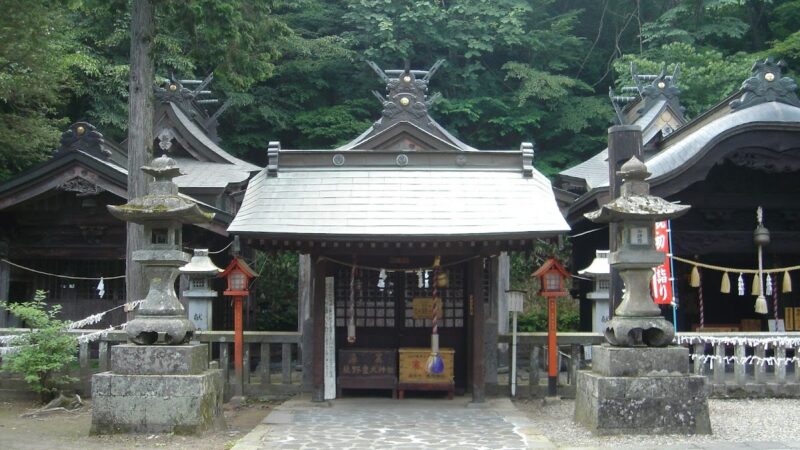
Kezoji Temple, adjacent to the amusement park, is a temple belonging to the Tendai sect. Its official name is “Tendai Sect Kyūrinzan Jōdoin Kezoji.”
Temple Information
- Location: 6-1 Kezoji-machi, Isesaki City, Gunma Prefecture
- Sect: Tendai Sect
- Mountain Name: Kyūrinzan
- Temple Name: Jōdoin
Services Offered
- Temple funerals/family funerals
- Various Buddhist services and memorial services
- Perpetual memorial services
- Memorial services for stillborn babies
Kezoji Temple serves as the local family temple, handling all Buddhist services including funerals and memorial services, and is a center of faith for local residents. This temple, which is also the origin of the park’s name, is an important presence that tells the historical background of Kezoji Park.
Kezōji Temple, Izumo City, Shimane Prefecture
Kezōji Temple, Rinzai Zen Sect, Nanzenji Branch
Kezōji Temple in Izumo City, Shimane Prefecture, is an ancient temple of the Rinzai Zen sect, Nanzenji branch, located on the summit of Mt. Makuragi, at an altitude of 456 meters. It has played an important role as a sacred mountain boasting history and tradition, and as a place of prayer for successive Matsudaira family lords of the Matsue Domain.
Basic Information
- Sect: Rinzai Zen Sect, Nanzenji Branch
- Mountain Name: Ryūshōzan
- Altitude: 456 meters (summit of Mt. Makuragi)
- History: Said to have been founded in 825 (Tenchō 2) by the monk Chigen
History and Changes of Kezōji Temple
Kezōji Temple was originally founded as a Tendai sect temple. It is said to have been founded in 825 (Tenchō 2) by the monk Chigen, making it an ancient temple with a history of approximately 1200 years.
The temple underwent a major transformation at the end of the Kamakura period. It was converted to the Rinzai sect by Reihō Eken and became a temple of the Shōichi sect. This conversion strengthened the temple’s character as a Zen Buddhist temple.
During the Edo period, it received fervent devotion from the Matsudaira family, the lords of the Matsue domain, and flourished as a place of prayer for successive lords. During this period, the temple buildings and grounds were developed, forming the foundation for the present-day temple.
Highlights of Kezōji Temple
View from the Summit
Located on the summit of Makuragiyama Mountain at an altitude of 456 meters, the temple grounds offer a spectacular panoramic view of the Izumo Plain and Lake Shinji. Especially on clear days, the Sea of Japan can be seen in the distance, awe-inspiring to visitors.
Religious Beliefs
It has long been known as a sacred site for Shugendō (mountain asceticism) and has been an object of mountain worship. Even today, many visitors come to this temple, where they can cleanse their minds in a tranquil atmosphere.
Seasonal Nature
Taking advantage of its mountaintop location, visitors can enjoy the beauty of nature throughout the seasons. The fresh greenery of spring, the deep green of summer, the vibrant autumn leaves, and the snowy winter landscapes all present different expressions with each season.
Access and Visiting Information
To visit Kezoji Temple, you need to climb a mountain path. While access by car is possible, caution is advised as some sections of the road are narrow. When visiting, we recommend wearing comfortable clothing and broken-in shoes.
Kezoji Temple, Nishio City, Aichi Prefecture
The Family Temple of the Kira Clan
Kezoji Temple in Nishio City, Aichi Prefecture, whose mountain name is Henkōzan, holds a historically important position as a temple associated with Kira Yoshinaka, known from the story of the Forty-Seven Ronin (Chūshingura).
Historical Background
- Founder: Kira Yoshisada (Great-grandfather of Kira Yoshinaka)
- Founding Period: Early Edo Period
- Role: Family temple of the Kira family (high-ranking samurai)
Relationship with the Kira Family
Kazōji Temple was founded during the time when Kira Yoshisada, the great-grandfather of Kira Yoshinaka, ruled the Kira region as a hatamoto (direct retainer of the shogun). The Kira family, as a high-ranking samurai, played an important role in overseeing the ceremonies of the Edo shogunate, and Kazōji Temple, as their family temple, preserves the history of the Kira family to this day.
While Kira Yoshinaka is often depicted as a villain in the story of the Forty-Seven Ronin, he is revered as a benevolent ruler in his hometown of Nishio, and Kazōji Temple is an important historical site that conveys his true character.
Positioning in Nishio Tourism
As a tourist resource in Nishio City, Kazōji Temple is an important spot on historical exploration routes. Many history enthusiasts visit it as part of a sightseeing route visiting historical sites related to the Kira family.
Nishio City is also known as a production area for matcha green tea, and a popular tourist plan combines a visit to Kazoji Temple with an experience of Nishio’s matcha culture.
Other Kazoji Temples
Kazoji Temple in Yuki City, Ibaraki Prefecture
Kezoji Temple in Yuki City, Ibaraki Prefecture, is a Rinzai Zen temple founded by Yuki Naomitsu, the 8th head of the Yuki clan, and Fukuan Soki as its founding priest.
Features
- Sect: Rinzai Zen
- Founder/Patron: Yuki Naomitsu (8th head of the Yuki clan)
- Founding Priest: Fukuan Soki
- Role: Temple associated with the Yuki clan
The Yuki clan was a powerful samurai family that flourished in the Middle Ages as a prominent samurai group in Shimosa Province, and Kazoji Temple is an important cultural property that conveys that history to the present day.
Kazoji Temple in Shimotsuke City, Tochigi Prefecture
There is a Shingon Buddhist temple called Kazoji Temple in Shimotsuke City, Tochigi Prefecture. As a temple based on the doctrines of the Shingon sect, it attracts the faith of the local community.
Features
- Sect: Shingon Buddhism
- Role: Local family temple
Origin and Meaning of the Name “Kezōji”
The temple name “Kezōji” originates from the Buddhist worldview of “Kezō Sekai” (華蔵世界). Kezō Sekai refers to the Lotus Treasury World described in the Avatamsaka Sutra, a pure Buddha-land where Vairocana Buddha resides.
This name expresses a magnificent cosmic view in which countless worlds exist overlapping on the petals of a lotus flower. Many temples adopt names such as “Kezōji” or “Kegonji” based on this worldview.
In traditional characters, it can also be written as “華藏寺” or “蕐藏寺,” both having the same meaning. In modern times, the simplified character “華蔵寺” is commonly used.
How to Enjoy Visiting Kezōji Temples
Visiting Kezōji Temples as a Historical Exploration
By visiting Kezōji temples throughout Japan, you can gain a deep understanding of Japanese Buddhist history and regional history. Each Kezōji temple belongs to a different sect and has a different historical background, allowing you to appreciate the diversity of Buddhism by comparing them.
Combining Pilgrimage with Sightseeing
At Kezōji Temple in Isesaki City, Gunma Prefecture, you can combine family leisure at an amusement park with temple visits. In Izumo City, Shimane Prefecture, you can combine a visit with a visit to Izumo Taisha Shrine, and in Nishio City, Aichi Prefecture, you can combine a visit with a matcha tea culture experience. Combining your itinerary with local tourist resources allows for a more fulfilling experience.
Seasonal Charms
Each Kezōji temple offers the beauty of nature throughout the four seasons. Kezōji Park in Isesaki City, Gunma Prefecture, is particularly known for its cherry blossoms, while Kezōji Temple in Izumo City, Shimane Prefecture, is famous for its autumn foliage. Planning your visit to coincide with the season will make for a more memorable pilgrimage experience.
Summary
The name “Kezoji” (華蔵寺) is used for temples throughout Japan, each possessing its own unique history and characteristics. Kezoji Park Amusement Park in Isesaki City, Gunma Prefecture, is a leisure spot enjoyable for families; Kezoji Temple in Izumo City, Shimane Prefecture, is an ancient temple on a sacred mountain; and Kezoji Temple in Nishio City, Aichi Prefecture, is a historical site associated with the Kira family. Each offers a different kind of charm.
Visiting Kezoji temples across the country allows you to experience the depth of Japanese Buddhist culture and the richness of local history. Combining temple visits with nearby tourist spots and events will create an even more fulfilling experience.
While sharing the common name “Kezoji,” each Kezoji temple has woven its own unique story. This diversity speaks to the profound depth of Japanese culture. We encourage you to actually visit and experience the unique atmosphere and history of each Kezoji temple.