
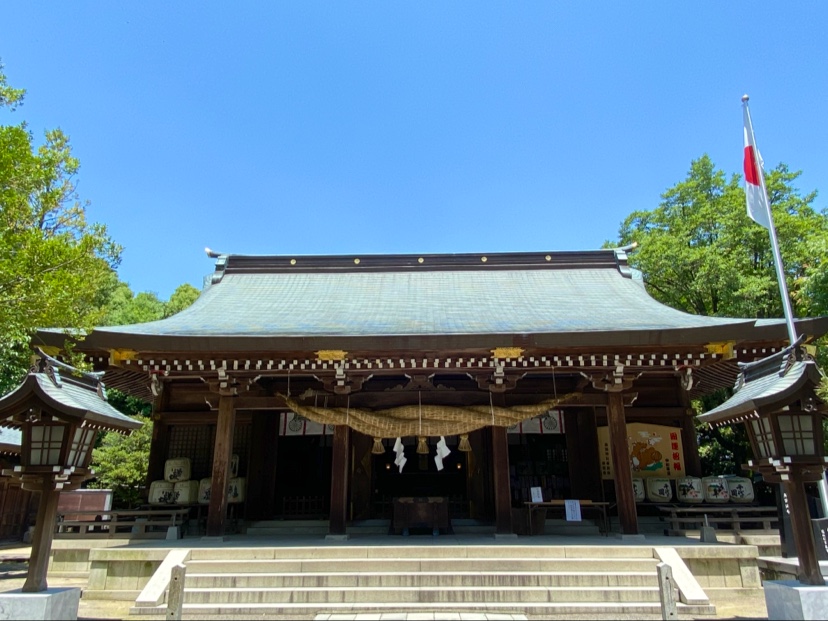
Complete Guide to Kikuchi Shrine | The Charm of Kumamoto’s Historic Power Spot Dedicated to Southern Court Warriors
Kikuchi Shrine, located in Kikuchi City, Kumamoto Prefecture, is a historic shrine dedicated to the Kikuchi clan, who played an active role on the Southern Court side during the Nanboku-cho period (Northern and Southern Courts period). Founded in 1870 (Meiji 3) by imperial decree of Emperor Meiji, it is one of the fifteen shrines of the Kenmu Restoration and holds the prestigious status of a former special government-supported shrine. Within the shrine grounds is the Kikuchi History Museum, which displays valuable cultural artifacts that tell the story of the Kikuchi clan’s 500-year history. It is also known as a famous cherry blossom viewing spot, attracting many visitors in spring.
History and Background of Kikuchi Shrine’s Founding
Founded by Imperial Decree of Emperor Meiji
The founding of Kikuchi Shrine dates back to 1868 (Keio 4), during the turbulent period of the Meiji Restoration. Emperor Meiji, in recognition of the Kikuchi clan’s loyal service to the Imperial family during the Nanboku-cho period, ordered the Kumamoto Domain to honor the Kikuchi clan and hold religious ceremonies. In response, in 1870 (Meiji 3), a shrine was built on the present site, the former location of the Kikuchi clan’s castle.
From its inception, it was granted the high status of a special government-supported shrine and is counted among the fifteen shrines of the Kenmu Restoration. This group of shrines enshrines those who contributed to Emperor Go-Daigo’s Kenmu Restoration, demonstrating the historical importance of the Kikuchi clan.
Historical Background of the Kikuchi Clan
The Kikuchi clan was a samurai group that was active in Higo Province (present-day Kumamoto Prefecture) from the Heian period to the Muromachi period. Particularly during the Nanboku-cho period, they welcomed Prince Kaneyoshi, the Seisei Shogun (Commander-in-Chief of the Western Expedition), and played a central role in unifying Kyushu as a key force of the Southern Court, earning renown for their achievements in both military and literary arts.
The Kikuchi clan ruled the Kikuchi region for approximately 500 years, and the culture and military prowess cultivated during that time are still passed down today as a source of local pride. The founding of the shrine played a crucial role in passing on the achievements of the Kikuchi clan to future generations and preserving their spirit.
Main Deities and the Kikuchi Clan Warriors Enshrined
Three Main Deities
The main deities enshrined at Kikuchi Shrine are the three most accomplished heads of the Kikuchi clan.
The twelfth head, Kikuchi Taketoki, rose up in 1333 in response to Emperor Go-Daigo’s call to overthrow the Kamakura Shogunate. He attacked Hojo Hidetoki, the Chinzei Tandai (military governor of Kyushu), in Hakata, but was defeated and killed after a fierce battle. His spirit of loyalty is still recounted today.
The thirteenth head, Takeshige, succeeded Taketoki and maintained and expanded the power of the Kikuchi clan. They maintained their stance as allies of the Southern Court and played a central role in the Southern Court’s forces in Kyushu.
The 15th Lord, Takemitsu, was a renowned general who built the Kikuchi clan’s golden age. He welcomed Prince Kaneyoshi, the Seisei Shogun (Commander-in-Chief of the Western Expedition), and achieved the unification of the Southern Court forces in Kyushu. His bravery and leadership are particularly noteworthy in the history of the Kikuchi clan.
Enshrined Generals
In addition to the three main deities, 26 other Kikuchi clan generals, starting with the 16th Lord, Takemasa, are enshrined. These generals defended the Kikuchi region in their respective eras and continued to fight for the Southern Court. The enshrinement of a total of 29 deities commemorates the achievements and spirit of the entire Kikuchi clan.
Highlights of the Shrine Grounds and the Kikuchi Historical Museum
Valuable Exhibits at the Kikuchi Shrine Historical Museum
The Kikuchi Shrine Historical Museum, located within the shrine grounds, houses and displays valuable cultural artifacts that tell the story of the 500-year history of the Kikuchi clan. It is open from 9:00 AM to 5:00 PM, year-round, and admission is 500 yen. The visit takes approximately 30 minutes.
The museum’s main exhibits include the following:
The Kikuchi Senbon-yari (Thousand Spears of Kikuchi) are weapons symbolizing the bravery of the Kikuchi clan, and numerous spears are on display. These were actually used on the battlefield and are valuable historical materials that convey the nature of battles at that time.
The Noh Costumes and Masks of Matsubayashi Noh are designated as Important Cultural Properties, demonstrating that the Kikuchi clan boasted a high level of cultural excellence as well as military prowess. The brightly colored Noh costumes and elaborate Noh masks are valuable resources for understanding the performing arts culture of the Muromachi period.
Ancient Documents and Family Constitutions are records of the Kikuchi clan’s rule and family precepts, offering insights into the lifestyle and values of samurai of that era. These documents suggest that the Kikuchi clan was not merely a military force, but a family possessing high levels of education and governing ability.
Architecture and Landscape of the Shrine Grounds
The grounds of Kikuchi Shrine, built on the site of the Kikuchi clan’s castle, retain a strong historical atmosphere. The shrine buildings exhibit characteristics of Meiji-era shrine architecture, creating a solemn and majestic ambiance.
The approach to the shrine is lined with cherry trees on both sides, forming a beautiful tunnel of cherry blossoms in spring. This cherry tree-lined path is one of Kikuchi Shrine’s most iconic features, attracting many worshippers and tourists.
From the shrine grounds, one can enjoy a panoramic view of Kikuchi city and the land once ruled by the Kikuchi clan. This view is an excellent spot for reflecting on history.
Kikuchi Shrine as a Famous Cherry Blossom Spot
The Charm of the Spring Cherry Blossom Season
Kikuchi Shrine is known as one of the most famous cherry blossom spots in Kumamoto Prefecture. The cherry trees planted along the approach to the shrine reach full bloom from late March to early April, forming a magnificent tunnel of cherry blossoms.
During the spring cherry blossom season, the shrine grounds are bustling with visitors, not only from the local area but also from within and outside the prefecture. Visiting the shrine under the cherry blossoms offers a special experience, blending a sacred atmosphere with the splendor of spring.
The shrine is sometimes illuminated at night, allowing visitors to enjoy the fantastical beauty of the cherry blossoms after dark. You can savor the collaboration of the historic shrine and cherry blossoms in a different atmosphere than during the day.
The Beauty of the Autumn Foliage Season
Besides the cherry blossoms, the autumn foliage season is also a highlight of Kikuchi Shrine. The trees within the shrine grounds and surrounding areas change color, and the vibrant red and yellow leaves adorn the historic shrine buildings.
The autumn foliage season is from mid- to late November, offering a tranquil beauty distinct from the cherry blossoms of spring. The autumn foliage season is also relatively less crowded, making it an attractive time to enjoy a leisurely visit and stroll.
Kikuchi Shrine as a Power Spot
A Powerful Spot Where the Souls of Warriors Reside
Kikuchi Shrine has recently gained attention as a powerful spiritual spot where the souls of warriors who were active during the Nanboku-cho period reside. It is believed that the bravery and loyalty of the Kikuchi clan bestows powerful energy upon us living in modern times.
In particular, many visitors come seeking courage to face difficulties and strong will to achieve their goals. The indomitable spirit demonstrated by the warriors is popular among modern business people, athletes, and students preparing for exams.
Benefits for Both Military and Cultural Excellence
The Kikuchi clan boasted not only military prowess but also a high level of cultural excellence. The Noh costumes and masks displayed in the history museum attest to this. For this reason, Kikuchi Shrine is believed to grant blessings for both academic and martial arts, and many worshippers visit to pray for academic success and improvement in their skills.
Kikuchi Shrine is also an important place of worship for those praying for good fortune in competitions and career advancement. It is believed that the tenacity for victory and strategic thinking of the samurai warriors of the time bestow upon worshippers the strength to thrive in today’s competitive society.
Access Information and Visitor Guide
Basic Information
Address: 1257 Kumafu, Kikuchi City, Kumamoto Prefecture
Inquiries: 0968-25-2549
Visiting Hours: Grounds are freely accessible (History Museum: 9:00 AM – 5:00 PM)
Closed Days: History Museum is open year-round
Admission Fee: Grounds free, History Museum 500 yen
Parking: Available (Free)
Access by Car
Approximately 20 minutes from Ueki IC on the Kyushu Expressway via National Route 3 and Prefectural Roads. Located in the heart of Kikuchi city, it is relatively easy to access.
When using a car navigation system, enter “Kikuchi Shrine” or the address for directions. Parking is available adjacent to the grounds and is free of charge.
Access by Public Transportation
From JR Kumamoto Station, take the Kumamoto Electric Railway bus bound for Kikuchi Onsen and get off at the “Kikuchi Plaza” bus stop. It’s about a 10-minute walk from there. Since bus service is limited, it’s recommended to check the timetable in advance.
It’s within walking distance of Kikuchi Onsen, so combining sightseeing with a visit to the hot springs is a good idea.
Nearby Tourist Spots and Model Courses
Experience Beautiful Skin at Kikuchi Onsen
Kikuchi Onsen, located within walking distance of Kikuchi Shrine, is a hot spring resort known for its skin-beautifying properties. Relaxing in the hot springs after visiting the shrine is a classic Kikuchi sightseeing experience.
Kikuchi Onsen’s water quality is alkaline simple hot spring water, renowned for leaving skin smooth. There are also plenty of day-trip bathing facilities, making it easy to enjoy the hot springs.
The Natural Beauty of Kikuchi Valley
Kikuchi Valley, located about 30 minutes by car from Kikuchi Shrine, is a scenic spot with a clear stream selected as one of Japan’s 100 Best Waters. It’s cool even in summer, making it a popular summer resort.
A walking trail is maintained along the valley, allowing you to enjoy hiking while breathing in negative ions. It’s especially beautiful during the fresh green season and the autumn foliage season, attracting many tourists.
A leisurely stroll in Kikuchi Park
Kikuchi Park, adjacent to Kikuchi Shrine, is a popular spot for families, with its spacious lawn and playground equipment. During cherry blossom season, the entire park is adorned with cherry blossoms, making it a famous spot for flower viewing.
From the park, you can enjoy a panoramic view of Kikuchi city, and on clear days, you can even see the Aso Mountains. It’s an ideal place for picnics and leisurely strolls.
Recommended Model Courses
Half-Day Course
- 10:00 Visit Kikuchi Shrine and History Museum (1 hour)
- 11:30 Stroll through Kikuchi Park (30 minutes)
- 12:00 Lunch in Kikuchi City (Enjoy local cuisine)
- 13:30 Day trip to Kikuchi Onsen (1.5 hours)
Full-Day Course
- 9:00 Visit Kikuchi Shrine and History Museum
- 10:30 Stroll through Kikuchi City and buy souvenirs
- 12:00 Lunch
- 13:30 Travel to Kikuchi Valley (30 minutes by car)
- 14:00 Stroll through Kikuchi Valley (2 hours)
- 16:30 Day trip to Kikuchi Onsen
- 18:00 Return home
New Year’s Visits and Annual Events
New Year’s Visit to the Shrine
Kikuchi Shrine is a popular spot for New Year’s visits, and every year from January 1st to 3rd, it is bustling with many worshippers. Worshippers come not only from the local area but also from within and outside the prefecture, praying for health and peace in the new year and seeking the powerful energy of the Kikuchi clan.
During the New Year period, special offerings are available, and the shrine office is busy with worshippers seeking amulets and Goshuin (shrine stamps). Since crowds are expected during the first three days of the year, it is recommended to allow ample time for your visit.
Other Annual Events
Kikuchi Shrine holds various festivals throughout the year. During the Spring and Autumn Grand Festivals, solemn Shinto rituals are performed to honor the achievements of the Kikuchi clan.
Furthermore, the shrine sometimes holds performances of Matsubayashi Noh, a traditional local event, offering a valuable opportunity to experience the history and culture of Kikuchi.
Kikuchi Shrine’s Goshuin (Shrine Seal) and Souvenirs
About Goshuin
At Kikuchi Shrine, you can receive a goshuin as a memento of your visit. It is available at the shrine office, and the offering fee is usually around 300 yen.
The goshuin features the calligraphy and red seal of “Kikuchi Shrine,” and also includes a seal indicating that it is one of the fifteen shrines of the Kenmu Restoration. You can bring your own goshuincho (seal book) or receive a pre-written goshuin on the spot.
Amulets and Souvenirs
Kikuchi Shrine offers a variety of amulets and souvenirs. The victory amulet, which draws on the power of the samurai warriors, and the amulet for both academic and martial arts are particularly popular.
Amulets are available to fulfill various wishes, such as academic success, passing exams, business prosperity, and family safety. Furthermore, the shrine offers unique souvenirs, such as special amulets featuring the Kikuchi family crest.
Experiencing the History and Culture of Kikuchi City
The Role of the Shrine in Connecting Kikuchi’s History
Kikuchi Shrine is not merely a tourist spot; it plays a vital role in conveying the history and culture of Kikuchi City to the present day. The spirit of the Kikuchi clan has become an integral part of the identity of modern Kikuchi citizens, and the shrine is a symbolic representation of this.
Local schools conduct local history lessons on the history of the Kikuchi clan, providing children with opportunities to visit Kikuchi Shrine and experience history firsthand. In this way, the shrine also functions as a place of education.
Connections with the Community
Kikuchi Shrine also functions as a center of the local community, serving as a hub for various community events. Through festivals and traditional events, it serves as a place to deepen community bonds.
Furthermore, town development centered around the shrine is underway, with efforts being made to promote tourism and revitalize the region by leveraging its history. Kikuchi Shrine plays a crucial role in connecting the past, present, and future.
Points to Note and Manners When Visiting
Manners for Worship
When visiting Kikuchi Shrine, please observe basic shrine worship manners. Bow before passing through the torii gate, and walk along the sides of the path, as the center is considered the path of the gods.
Purify your hands and mouth at the water basin before proceeding to the main hall, and worship using the two bows, two claps, and one bow ritual. When visiting the history museum, maintain silence and refrain from touching the exhibits.
Photography
Photography is generally permitted within the shrine grounds, but restrictions may apply inside the main hall and the history museum. Please check before taking photos or follow the signs.
Also, remember to be considerate of other worshippers. Especially during busy times such as New Year’s or cherry blossom season, be careful not to disturb others.
Clothing and Belongings
There are no specific dress code requirements, but it is advisable to wear clothing appropriate for a sacred place like a shrine. If you plan to visit the history museum, comfortable walking shoes are recommended so you can carefully view the exhibits.
If you visit during cherry blossom or autumn foliage season, don’t forget your camera. Also, if you wish to receive a Goshuin (temple/shrine stamp), bring your Goshuincho (stamp book).
Summary: Experiencing History and Power at Kikuchi Shrine
Kikuchi Shrine is a representative historical shrine of Kumamoto Prefecture, conveying the history and spirit of the Kikuchi clan, who were active during the Nanboku-cho period. It boasts a high status, having been founded by imperial decree of Emperor Meiji, and is counted as one of the fifteen shrines of the Kenmu Restoration.
At the Kikuchi History Museum on the shrine grounds, you can see valuable cultural artifacts such as the Kikuchi Senbon-yari (a thousand spears) and Noh costumes and masks designated as important cultural properties, allowing you to experience the 500-year history of the Kikuchi clan. It is also known as a famous cherry blossom viewing spot, and in spring, a beautiful tunnel of cherry blossoms welcomes visitors.
Kikuchi Shrine, also attracting attention as a power spot, is cherished by many visitors as a place where they can gain strength from the courage and loyalty of the warriors. Believed to grant blessings for both academic and martial arts, Kikuchi Shrine attracts people with various wishes.
Visiting it in conjunction with nearby tourist attractions such as Kikuchi Onsen (hot springs) and Kikuchi Valley will allow you to enjoy a more fulfilling Kikuchi sightseeing experience. In Kikuchi City, where you can enjoy history, nature, and hot springs, Kikuchi Shrine is a must-see spot.
When you visit Kumamoto, be sure to visit Kikuchi Shrine and feel the weight of history and powerful energy in this sacred space where the spirits of the warriors of the Nanboku-cho period reside.

