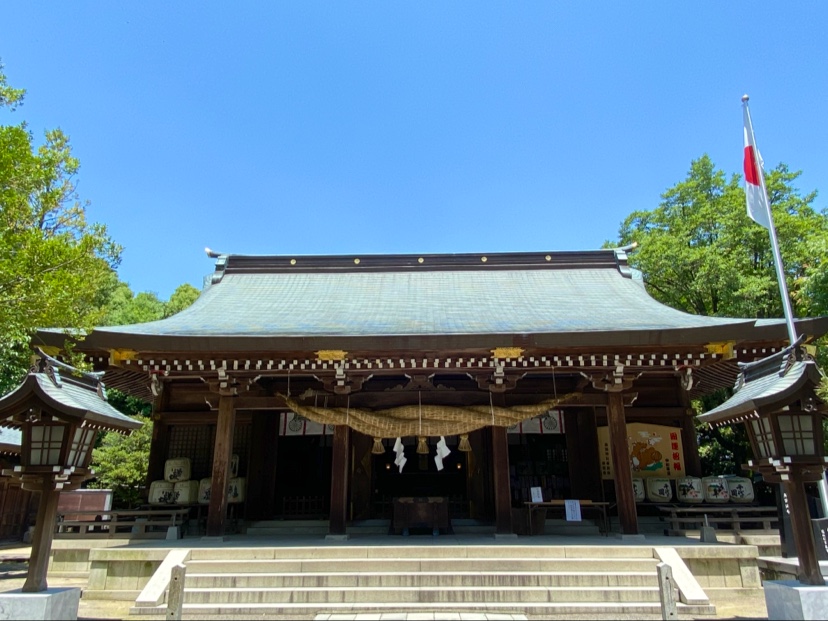
Complete Guide to Nichirinji Temple | History, Highlights, and Access Information for Famous Temples Scattered Across Japan
There are several temples named “Nichirinji” throughout Japan, each with its own unique history and charm. This article provides detailed information on the history, culture, highlights, and transportation access of the Nichirinji temples in Yamaga City, Kumamoto Prefecture; Taito Ward, Tokyo; Daigo Town, Ibaraki Prefecture; Kasugai City, Aichi Prefecture; and Izu City, Shizuoka Prefecture.
Nichirinji Temple in Yamaga City, Kumamoto Prefecture | Famous for Azaleas and Cherry Blossoms
History and Origin
Nichirinji Temple in Yamaga City is an ancient temple founded in 940 (Heian period) by Fujiwara Takafusa, a provincial governor, as a Tendai sect temple. Later, in 1316 (Kamakura period), it was rebuilt as a Soto Zen temple by the Kikuchi clan, and remains so to this day. It is a beloved temple among locals, symbolizing the history and culture of the region.
Nichirinji Temple has deep ties to warlords who left their mark on the history of Higo Province, such as Kikuchi Taketoki, Kato Kiyomasa, and the Hosokawa family, and has functioned as a spiritual pillar of the Yamaga Onsen area.
Akō Gishi Hair Relic Tower
The most noteworthy historical site on the grounds of Nichirinji Temple is the Akō Gishi Hair Relic Tower. This tower houses the hair of the Akō ronin, famous from the Chūshingura story, and is a rare and valuable cultural asset nationwide. The reason why the hair of the loyal retainers, who were executed after the raid, was enshrined in Yamaga is related to the historical connection between the Higo Domain and the Akō Domain.
Every year, history buffs and tourists constantly visit this hair relic tower, making it an important place that conveys the spirit of Japanese bushido to the present day.
Matsuo Bashō’s Haiku Monument
A haiku monument of Matsuo Bashō is also erected on the temple grounds, giving it value as a literary historical site. This haiku monument, marking Basho’s visit to Kyushu, is carefully preserved as a testament to cultural exchange during the Edo period.
The Three Great Bells of Higo
The bell hanging in the temple gate is one of the three great bells of Higo. Its clear tone has served to tell the time in the town of Yamaga. The bell’s casting technique and acoustic characteristics speak to the high level of craftsmanship of the time.
Cherry Blossom and Azalea Viewing Spots
Nichirinji Temple is known as one of Yamaga’s representative flower viewing spots.
Cherry Blossom Season
In spring, approximately 200 cherry trees bloom in the temple grounds, dyeing the entire area pink. Various varieties of cherry trees, mainly Somei Yoshino, are planted, and the best time to see them is from late March to early April. The temple is bustling with many flower viewers during cherry blossom season, and many tourists visit in conjunction with Yamaga Onsen (hot springs).
Azaleas and Satsuki Rhododendrons
The biggest attraction at Nichirinji Temple is its azalea garden, planted with approximately 35,000 azaleas and satsuki rhododendrons. Every year from mid-April to mid-May, the entire temple grounds are dyed a brilliant red, a breathtaking sight that has earned it the nickname “Azalea Temple.”
With a wide variety of azalea species, including Hirado azaleas, Kirishima azaleas, and Kurume azaleas, blooming at different times, visitors can enjoy the flowers for an extended period.
Shojin Ryori (Vegetarian Buddhist Cuisine) Experience
At Nichirinji Temple, you can enjoy shojin ryori (vegetarian Buddhist cuisine) by reservation only. This traditional shojin ryori, using seasonal vegetables and wild plants, is prepared according to the teachings of the Soto Zen sect and is popular as an experience of purifying the mind and body. Shojin ryori, also gaining attention as a gourmet food, has been attracting even more attention in recent years with the growing health consciousness.
Access (Yamaga City)
Location
1607 Sugi, Yamaga City, Kumamoto Prefecture
Access by Car
- Approximately 30 minutes from Kikusui IC on the Kyushu Expressway
- Via National Route 3 or National Route 325
- Approximately 10 minutes by car from Yamaga Onsen (hot spring resort)
Public Transportation
- Approximately 40 minutes by car from JR Tamana Station
- Approximately 15 minutes by taxi from Yamaga Bus Center
Parking
Free parking available on the temple grounds (can be crowded during cherry blossom and azalea seasons)
Nichirinji Temple in Taito Ward, Tokyo | An Ancient Temple of the Jishu Sect
History and Changes
Nichirinji Temple in Taito Ward is a Jishu sect temple with the mountain name Kanda-san. Originally a Tendai sect temple located in Shibazaki Village (present-day Chiyoda Ward), it was converted to the Jishu sect during the Tokuji era (1303-1308) by Ta’a Shinkyo, who visited the area.
Ta’a Shinkyo was a leading disciple of Ippen Shonin, the founder of the Jishu sect, and traveled throughout Japan as a wandering priest, spreading the teachings of Nembutsu (recitation of Amida Buddha’s name). Nichirinji Temple played an important role as one of the bases for his missionary activities.
Nature Remaining in the Heart of the City
Despite being located in the heart of Tokyo, the temple grounds retain a lush garden with a history spanning over a thousand years. Spring water from the mountains fills the Shinji Pond, and the swaying bamboo grove behind it creates a tranquil urban oasis, offering peace to visitors.
In spring, mallard ducks migrate to the area to lay their young, and many wild birds rest here, making it a valuable habitat for preserving a rare ecosystem in an urban area.
Access (Taito Ward)
Location
Taito Ward, Tokyo (Please confirm details with the temple)
Access
- Accessible from various Tokyo Metro lines
- Please check detailed access information in advance
Nichirinji Temple, Daigo Town, Ibaraki Prefecture | 21st Temple of the Bando Thirty-Three Kannon Pilgrimage
History of Founding and Restoration
Nichirinji Temple in Daigo Town is an ancient temple said to have been founded in the Hakuhō era (late 7th century) by En no Ozunu, the founder of Shugendō (mountain asceticism). Although it was once abandoned, it was restored in 807 by Kūkai (Kūkai), and in 989 it became one of the Kannon pilgrimage sites.
Currently, it is the 21st temple of the Bando Thirty-Three Kannon Pilgrimage, attracting many pilgrims.
Yamizo Mountain Hiking Course
Nichirinji Temple is known as an important stop on the Yamizo Mountain hiking course. Located along the Yamizo Mountain hiking trail, it is a popular spot for hikers to take a break amidst its tranquil atmosphere.
The temple grounds, surrounded by nature, display different expressions throughout the seasons, and many hikers visit, especially during the seasons of fresh greenery and autumn leaves.
Nichirinji Temple is known as an important stop on the Yamizo Mountain hiking course. ### Access (Daigo Town)
Location
Daigo Town, Kuji District, Ibaraki Prefecture
Access
- Approximately 20 minutes by car from Hitachi-Daigo Station on the JR Suigun Line
- Located on the Yamizo Mountain hiking trail
- For detailed map information, please contact the Daigo Town Tourism Association.
Nichirinji Temple in Kasugai City, Aichi Prefecture | Kounzan Nichirinji Temple
History of the Temple’s Founding
Nichirinji Temple (Kounzan Nichirinji Temple) in Kasugai City was founded in 1660 (Manji 3) when Manganji Temple in Ajima Village, Nishikasugai District, was relocated, and the temple’s mountain name was received from Gannoji Temple of the Tendai sect in Odai Village, also in Nishikasugai District. The founder was Eishu Ajari, and initially it functioned as a branch temple of Gannoji Temple.
Eishu Oshō had a deep desire to help and benevolent people, and he developed the temple as a center of faith for the local people.
Perpetual Memorial Services and Memorial Rituals
In modern times, this temple is deeply rooted in the community as a place for perpetual memorial services and memorial rites, and is widely used by people in and around Kasugai City.
Access (Kasugai City)
Location
Kasugai City, Aichi Prefecture
Access
- Please check the temple’s official website for details.
Nichirinji Temple in Izu City, Shizuoka Prefecture | Soto Zen Temple in Shuzenji
Surrounded by Nature
Nichirinji Temple in Izu City is a Soto Zen temple located in Shuzenji on the Izu Peninsula. Surrounded by abundant nature, it aims to be a place where visitors can feel peace and gain vitality for tomorrow.
The head priest, Reverend Shosuke Hashimoto, is actively involved in social contribution activities, including support activities for the Great East Japan Earthquake.
Connection with Buddha
At Nichirinji Temple, various activities are conducted to help visitors find peace of mind through their connection with Buddha. Regular experiential events open to the public, such as Zen meditation sessions and sutra copying sessions, are also held.
Access (Izu City)
Location
Shuzenji, Izu City, Shizuoka Prefecture
Access
- By bus or taxi from Shuzenji Station on the Izuhakone Railway
- Please check the temple’s official website for details.
Points to Note When Visiting Nichirinji Temple
Visiting Etiquette
When visiting each Nichirinji temple, please observe the following basic visiting etiquette.
- Bow at the temple gate before entering the grounds.
- Pray quietly in the main hall.
- Take photographs only in designated areas.
- Do not speak loudly on the temple grounds.
- Take all your trash with you.
Best Time to Visit
Nichirinji Temple, Yamaga City
- Cherry blossoms: Late March to early April
- Azaleas and rhododendrons: Mid-April to mid-May
- Reservations required for vegetarian cuisine experience.
Other Nichirinji Temples
- Fresh green season (May to June)
- Autumn foliage season (October to November)
- Visiting during the annual events of each temple is also recommended.
Nearby Tourist Attractions
Around Yamaga City
- Yamaga Onsen: A hot spring resort about 10 minutes by car from Nichirinji Temple.
- Yachiyoza: A theater designated as a nationally important cultural property.
- Yamaga Lantern Folk Art Museum: Exhibition of traditional crafts.
- Yamaga City Museum: A facility where you can learn about the history and culture of the region.
Around Daigo Town
- Yamizo Mountain: The highest mountain in Ibaraki Prefecture
- Fukuroda Falls: One of Japan’s three most famous waterfalls
- Daigo Onsen: Enjoy hot springs and gourmet food
Around Izu City
- Shuzenji Onsen: A historic hot spring town
- Bamboo Grove Path: A picturesque walking path
- Shuzenji Nijinosato: A park where you can enjoy flowers of all seasons
Obtaining Brochures and Information
Detailed information about Nichirinji temples in various locations can be obtained through the following methods:
- Yamaga City Tourism Association: Tourism brochures for the Yamaga Onsen area
- Kumamoto Prefecture Tourism Website: Information on tourist spots within the prefecture
- Tourism Associations of each city and town: Detailed information for each region
- Official websites of each temple: Latest event information and visiting hours
Summary
Temples bearing the name Nichirinji exist throughout Japan, each with its own unique history and charm. Nichirinji Temple in Yamaga City, Kumamoto Prefecture, attracts many tourists as a famous spot for cherry blossoms and azaleas, and as a temple possessing valuable cultural assets such as the Ako Forty-Seven Ronin’s Hair Relic Tower and one of the three great bells of Higo Province.
Nichirinji Temple in Taito Ward, Tokyo, is an urban oasis that tells the history of the Jishu sect. Nichirinji Temple in Daigo Town, Ibaraki Prefecture, welcomes pilgrims as one of the 33 Kannon pilgrimage sites of Bando. Nichirinji Temples in Kasugai City, Aichi Prefecture, and Izu City, Shizuoka Prefecture, also play important roles in their respective regions.
Combining a visit with nearby hot spring resorts such as Yamaga Onsen or Shuzenji Onsen in your travel plan will allow for a more fulfilling experience. Visiting Nichirinji Temple is recommended not only for sightseeing, but also for those seeking spiritual enrichment, such as experiencing vegetarian cuisine or participating in Zen meditation sessions.
When visiting any of the Nichirinji Temples, please check transportation access, visiting hours, and event information in advance, and observe proper etiquette during your visit. A visit to Nichirinji Temple, where you can immerse yourself in history and culture and be soothed by beautiful nature, will be a valuable opportunity to experience the profound depth of Japanese temple culture.