Complete Guide to Kitaguchi Hongu Fuji Sengen Shrine | History, Blessings, and How to Worship Explained
What is Kitaguchi Hongu Fuji Sengen Shrine?
Kitaguchi Hongu Fuji Sengen Shrine is a central shrine for Mount Fuji worship, located in Fujiyoshida City, Yamanashi Prefecture. Situated at the northern foot of Mount Fuji, it has long been a popular starting point for climbers of Mount Fuji, particularly for those who ascend the mountain.
Registered as one of the components of the Mount Fuji World Cultural Heritage site, it is an important cultural property that conveys the faith in Mount Fuji, Japan’s sacred mountain, to the present day. The shrine grounds are filled with sacred trees hundreds of years old and buildings designated as important national cultural properties, creating a sacred atmosphere.
Deities and the Shrine’s Position
The main deity enshrined at Kitaguchi Hongu Fuji Sengen Shrine is Konohanasakuya-hime no Mikoto, with Hikohono Ninigi no Mikoto and Oyamatsumi no Kami enshrined alongside her.
Konohanasakuya-hime no Mikoto is revered as the goddess of Mount Fuji and is worshipped as a deity of safe childbirth, child-rearing, and protection against fire. While many Sengen Shrines exist at the foot of Mount Fuji, Kitaguchi Hongu Fuji Sengen Shrine holds a special position as the “main shrine of the north entrance,” guarding the entrance to the Mount Fuji North Entrance (Yoshida Entrance) climbing route.
History of Kitaguchi Hongu Fuji Sengen Shrine
Founding and Ancient Beliefs
According to shrine tradition, Kitaguchi Hongu Fuji Sengen Shrine was founded in 110 BC (during the reign of Emperor Sujin). It is said to have originated when Yamato Takeru no Mikoto worshipped Mount Fuji from this location during his eastern expedition and built a shrine on Otsuka Hill.
During the Heian period, Mount Fuji worship flourished, and many ascetic monks and nobles began to climb Mount Fuji. From this time, Kitaguchi Hongu Fuji Sengen Shrine developed as an important center of worship at the northern foot of Mount Fuji.
Medieval Development and Relationship with the Takeda Family
During the Sengoku period, the shrine received deep reverence from the Takeda family, who ruled Kai Province. Takeda Shingen was deeply devoted to Mount Fuji worship and donated land to Kitaguchi Hongu Fuji Sengen Shrine and constructed shrine buildings.
Even today, many cultural artifacts related to the Takeda family remain on the shrine grounds, conveying the relationship between the Sengoku-era daimyo and the worship of Mount Fuji. Even after the fall of the Takeda clan, the shrine received protection from successive powerful figures, including the Tokugawa family, and maintained its influence.
Fuji-ko and Prosperity in the Edo Period
In the Edo period, organizations of worshippers of Mount Fuji, known as Fuji-ko, spread explosively, mainly in Edo (present-day Tokyo). Fuji-ko followers, clad in white robes, climbed Mount Fuji in groups, and many used the Yoshida-guchi climbing route. As a result, Kitaguchi Hongu Fuji Sengen Shrine was bustling with worshippers.
At its peak, tens of thousands of visitors came annually, and the town of Fujiyoshida developed as a temple town. Even today, many stone monuments and memorials related to Fuji-ko remain on the shrine grounds and in the surrounding area, allowing us to imagine the prosperity of that time.
Changes After the Meiji Era and the Present
With the Meiji-era separation of Shinto and Buddhism, the worship of Mount Fuji, which had previously taken the form of syncretism between Shinto and Buddhism, underwent a major transformation. Kitaguchi Hongu Fuji Sengen Shrine also became an independent shrine and was developed into its current form.
From the Showa to the Heisei era, efforts were made to register Mount Fuji as a World Cultural Heritage site, and in 2013, it was registered as a component of “Mount Fuji – Object of Worship and Source of Artistic Inspiration.” This attracted attention from both within Japan and internationally, and it is preserved and utilized as an important cultural property that conveys the history of Mount Fuji worship.
Highlights and Cultural Properties within the Shrine Grounds
Zuishinmon Gate (Important Cultural Property)
The Zuishinmon Gate, standing at the entrance to the shrine grounds, is a magnificent two-story gate built in 1736 (Genbun 1) and is designated as a National Important Cultural Property. It is a three-bay, single-story gate with a hipped roof, characterized by its vermilion-painted pillars and intricate carvings.
Statues of guardian deities are enshrined on either side of the gate, welcoming worshippers. Built during the heyday of the Fuji-ko (Fuji pilgrimage), this gate is a valuable structure that speaks to the depth of faith and economic power of the time.
Main Shrine and Worship Hall (Important Cultural Property)
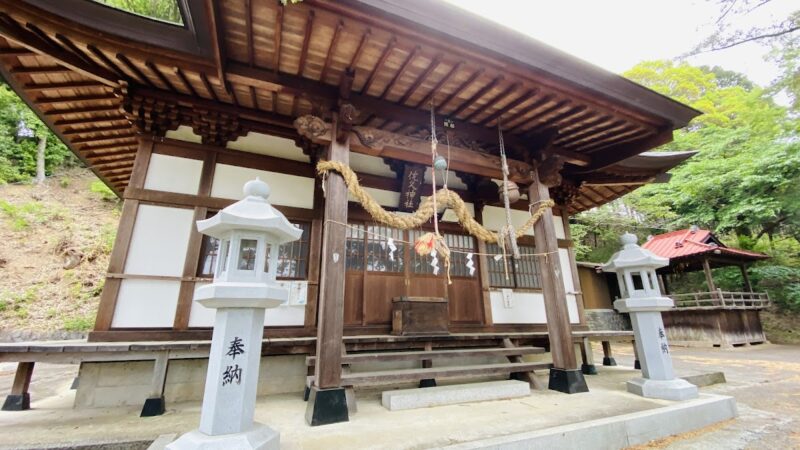
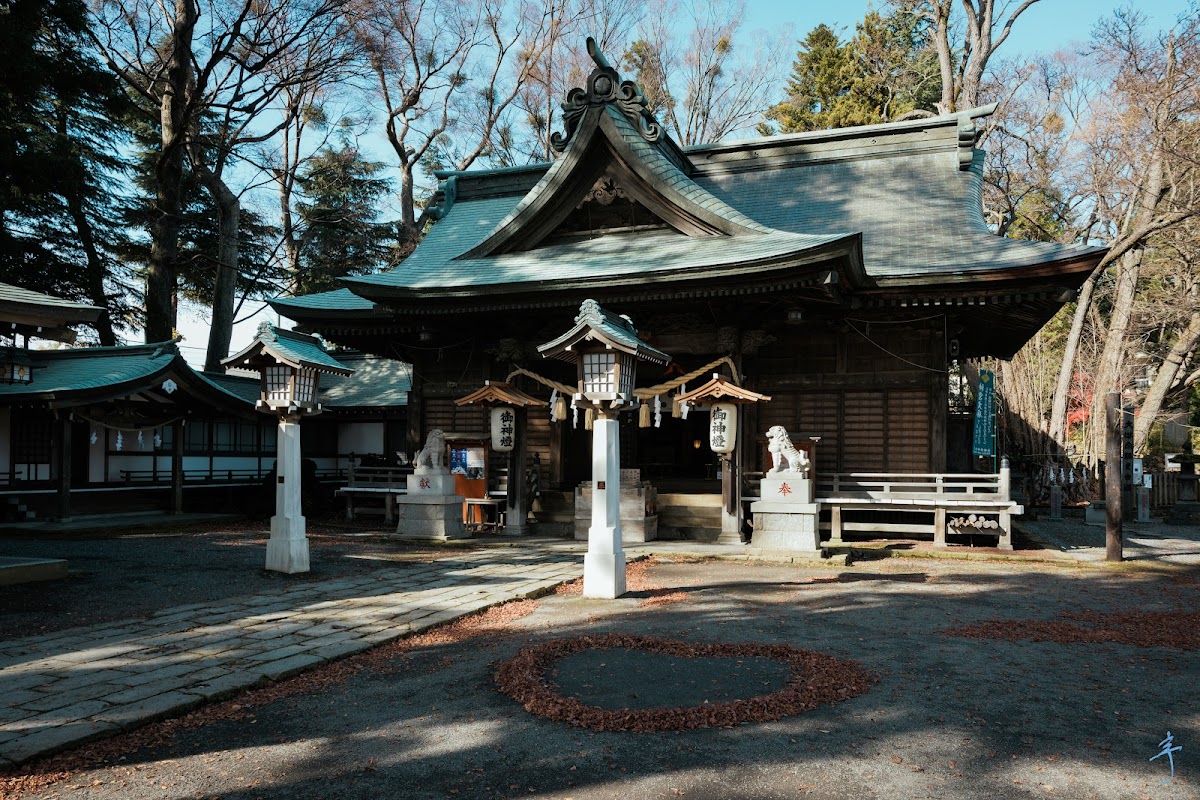
The main shrine, built in 1615 (Genna 1), and the worship hall, built in 1594 (Bunroku 3), are historical buildings designated as Important Cultural Properties of Japan. The main shrine is a three-bay nagare-zukuri style building, preserving the magnificent architectural style of the Momoyama period.
The worship hall is an irimoya-zukuri style building, a beautiful structure where a solid structure and delicate decorations harmonize. Inside, it houses valuable votive offerings and votive tablets related to the worship of Mount Fuji.
East Shrine Main Hall (Important Cultural Property)
Located to the east of the main shrine, the East Shrine Main Hall is also designated as an Important Cultural Property, believed to have been built in 1561 (Eiroku 4). Although a small shrine building with a single-bay nagare-zukuri style, it is a valuable structure that strongly retains the architectural style of the late Muromachi period.
Sacred Trees: “Fuji Taro Cedar” and “Fuji Couple Cypress”
The shrine grounds are lined with giant trees over several hundred years old, enhancing the solemnity of the sacred area. Particularly famous is the sacred tree known as “Fuji Taro Cedar,” a giant cedar approximately 1000 years old and 45 meters tall.
Also, the “Fuji Couple Cypress,” two cypress trees standing close together, are considered a symbol of marital harmony and matchmaking, attracting many worshippers who come to pray.
Suwa Shrine and Kagura Hall
Within the shrine grounds stands the Suwa Shrine, a subsidiary shrine, revered as the guardian deity of the region. The Kagura Hall hosts various Shinto rituals and dedication ceremonies throughout the year, serving as a place for the transmission of traditional culture.
Starting Point of the Yoshida Trail of Mount Fuji
Behind the Kitaguchi Hongu Fuji Sengen Shrine lies the starting point of the Yoshida Trail of Mount Fuji. As the entrance to a traditional climbing route dating back to the Edo period, many climbers still aim for the summit of Mount Fuji from here.
During the climbing season, you can see people visiting the shrine to pray for safety before beginning their ascent.
Benefits and Faith
Main Benefits
The following benefits are believed to be offered at Kitaguchi Hongu Fuji Sengen Shrine:
- Safe Childbirth and Child-Rearing Protection: Based on the myth that Konohanasakuya-hime gave birth in the midst of fire, she is worshipped as the goddess of safe childbirth and child-rearing.
- Family Safety and Protection from Evil: Powerful protection from evil through the spiritual energy of Mt. Fuji.
- Matchmaking and Marital Harmony: Benefits for successful relationships, associated with the Fuji Couple Cypress trees.
- Good Fortune and Business Prosperity: Increased luck through the power of Mt. Fuji.
- Safety in Climbing: Prayers for safe climbing of Mt. Fuji.
- Protection from Fire: Protection from fire by Konohanasakuya-hime, the goddess of fire.
As a Center of Mt. Fuji Worship
Mt. Fuji has been revered as a sacred mountain since ancient times and has been an object of mountain worship. Kitaguchi Hongu Fuji Sengen Shrine, as a center of worship at the northern foot of Mt. Fuji, continues to preserve the form of worship that considers Mt. Fuji itself as the sacred object.
Known as a power spot that receives the immense natural energy of Mount Fuji, many visitors come seeking purification of mind and body and improved luck.
How to Visit and Manners
Basic Flow of Visiting
- Passing Through the Zuishinmon Gate: Bow before entering the shrine grounds.
- Purifying at the Water Basin: Purify your left hand, right hand, and mouth in that order.
- Walking Along the Path: The center of the path is considered the path of the gods, so walk along the sides.
- Worshiping at the Main Hall: Worship using the two bows, two claps, and one bow ritual.
- Visiting Subsidiary Shrines: If time permits, visit other shrines within the grounds.
- Receiving Goshuin (Shrine Seals) and Amulets: These can be received at the shrine office.
Clothing and Belongings
When visiting a shrine, clean and subdued clothing is desirable. Avoid excessive exposure, and it is considered good manners to remove hats and sunglasses in front of the main hall. Photography is generally permitted, but it may be best to refrain from taking pictures inside the main shrine or during religious ceremonies. Please follow the signs and inquire at the shrine office if you have any questions.
Special Worship Experience
At Kitaguchi Hongu Fuji Sengen Shrine, you can receive prayers. They offer prayers for various purposes, including safe childbirth, protection from evil, and family safety. If you wish to receive prayers, it is best to contact the shrine office in advance.
They also offer special prayers for climbers to ensure their safety before climbing Mount Fuji.
Annual Events and Festivals
Yoshida Fire Festival (August 26th & 27th)
The largest festival at Kitaguchi Hongu Fuji Sengen Shrine is the “Yoshida Fire Festival.” It is considered one of Japan’s three great unusual festivals and is designated as a National Important Intangible Folk Cultural Property.
On the night of August 26th, approximately 80 large torches are lit throughout the town of Fujiyoshida, creating a spectacular spectacle as the entire town is engulfed in flames. This festival has been passed down for centuries as a Shinto ritual marking the end of the climbing season on Mount Fuji.
Other Major Annual Events
- January 1st: New Year’s Day Festival/First Shrine Visit of the Year
- February 3rd: Setsubun Festival
- April 29th: Spring Grand Festival
- July 1st: Mount Fuji Opening Ceremony
- August 26th & 27th: Yoshida Fire Festival (Fire Suppression Festival)
- November 23rd: Autumn Grand Festival/Niiname-sai Festival
- December 31st: Great Purification Ceremony/New Year’s Eve Festival
These events feature traditional Shinto rituals and offerings, allowing visitors to experience the local culture.
Access and Visiting Information
Location
5558 Kamiyoshida, Fujiyoshida City, Yamanashi Prefecture 403-0005
Access by Train and Bus
- From Fujikyu Railway Line “Fujisan Station”: Approximately 20 minutes on foot, or immediately after alighting at the “Asama Shrine” bus stop.
- From JR Chuo Main Line “Otsuki Station”: Transfer to the Fujikyu Railway Line and alight at “Fujisan Station”.
- From Shinjuku Station: Approximately 2 hours by express bus to “Fujisan Station,” then a taxi or on foot from Fujisan Station.
Access by Car
- From Chuo Expressway “Kawaguchiko IC”: Approximately 10 minutes.
- From Tomei Expressway “Gotemba IC”: Approximately 40 minutes.
- Parking: Free parking available (approximately 100 cars).
Visiting Hours and Fees
- Visiting the Shrine Grounds: 24 hours (limited lighting at night).
- Shrine Office Hours: Usually 9:00 AM to 5:00 PM (may vary depending on the season)
- Admission Fee: Free
- Prayer Service: Reservation required; offering fee varies depending on the prayer content
Surrounding Facilities and Sightseeing
Near Kitaguchi Hongu Fuji Sengen Shrine are tourist attractions such as the Mt. Fuji World Heritage Center, the historic townscape of Fujiyoshida, and Fuji-Q Highland. It also offers good access to the Fuji Five Lakes, including Lake Kawaguchi and Lake Yamanaka.
Fujiyoshida city has numerous historical sites related to Mt. Fuji worship and many restaurants famous for Yoshida udon noodles, which can be enjoyed in conjunction with your visit to the shrine.
Goshuin (Shrine Seals) and Amulets
About Goshuin (Shrine Seals)
At Kitaguchi Hongu Fuji Sengen Shrine, in addition to the regular goshuin, seasonal and special goshuin commemorating events are sometimes offered. Goshuin are available at the shrine office, and the offering fee is usually around 300 to 500 yen. The special Goshuin (temple/shrine stamp) indicating that the shrine is a component of the Mount Fuji World Cultural Heritage site is also popular, and many visitors receive it as proof of their devotion to Mount Fuji.
Amulets and Souvenirs
The shrine’s gift shop offers a variety of amulets and souvenirs.
- Mount Fuji Climbing Amulet: An amulet praying for safety during mountain climbing
- Safe Childbirth Amulet: An amulet for safe childbirth and child-rearing
- Matchmaking Amulet: An amulet for successful matchmaking
- Traffic Safety Amulet: An amulet protecting safety in cars and during travel
- Sacred Tree Talisman: A special talisman made from a piece of Fuji Taro cedar wood
In addition, a wide variety of other items are available, including ema (votive tablets), amulets, and souvenirs featuring Mount Fuji.
Mount Fuji Faith and the Role of Kitaguchi Hongu Fuji Sengen Shrine
History of Mount Fuji Faith
Mount Fuji has been revered as a sacred mountain since ancient times and has become a symbol of the Japanese spirit. A unique form of Mount Fuji worship was formed through a complex fusion of mountain worship, Shinto, Buddhism, and Shugendo (mountain asceticism).
During the Edo period, Fuji-ko (Fuji pilgrimage groups) became extremely popular among common people, and many people aspired to climb Mount Fuji at least once in their lifetime. The flourishing of these Fuji-ko groups supported the development of Kitaguchi Hongu Fuji Sengen Shrine.
Role as a Starting Point for Climbing
Kitaguchi Hongu Fuji Sengen Shrine has played a crucial role as a spiritual starting point for climbing Mount Fuji. Climbers would first purify themselves at this shrine and pray for safety before entering the climbing trail.
Even today, many climbers visit the shrine during the Mount Fuji climbing season, carrying on the traditional spirit of pilgrimage. It conveys a spirit of reverence for the sacred mountain, rather than simply climbing as a tourist or sport.
Value as a World Cultural Heritage Site
With its designation as a World Cultural Heritage Site in 2013, Kitaguchi Hongu Fuji Sengen Shrine has become an internationally recognized cultural property. As an important component of the site that conveys the history of Mount Fuji worship, its preservation and utilization are being promoted.
World Heritage designation signifies recognition not only of its value as a tourist resource, but also of its universal value as a cultural heritage shared by humanity that should be passed on to future generations.
Best Season and Crowds for Visiting
Seasonal Charms
Kitaguchi Hongu Fuji Sengen Shrine can be visited throughout the year, but each season offers a different charm.
- Spring (March-May): The fresh greenery is beautiful, and the grounds are vibrant during cherry blossom season. It is relatively uncrowded, allowing for a leisurely visit.
- Summer (June-August): It is the busiest time of year, as it is the Mount Fuji climbing season. The Yoshida Fire Festival is a must-see.
- Autumn (September-November): The autumn foliage is beautiful, and the view of Mt. Fuji is excellent in the clear air.
- Winter (December-February): The snow-covered shrine grounds are magical, and it gets crowded with many worshippers during the New Year’s visit period.
Tips for Avoiding Crowds
The busiest times are New Year’s visit (January 1st-3rd), the Yoshida Fire Festival (August 26th-27th), and weekends during the Mt. Fuji climbing season (July-August). If you want to visit at a leisurely pace, weekday mornings or the period from autumn to spring are recommended.
Visiting early in the morning means fewer people, allowing you to experience a sacred atmosphere in refreshing air.
Summary: The Charm of Kitaguchi Hongu Fuji Sengen Shrine
Kitaguchi Hongu Fuji Sengen Shrine is a sacred site of Mt. Fuji worship with a history of over 1000 years. The buildings designated as important national cultural properties, the sacred trees hundreds of years old, and the sacred space where one can feel the spiritual energy of Mount Fuji deeply move visitors.
More than just a tourist spot, its value as a cultural heritage site that conveys the Japanese spirit and reverence for nature is immeasurable. When visiting Mount Fuji, be sure to visit Kitaguchi Hongu Fuji Sengen Shrine and experience the history and culture of Mount Fuji worship.
Those planning to climb Mount Fuji will be able to have a deeper experience by praying for safety at this shrine before starting their climb. Even those not climbing Mount Fuji can feel its spiritual energy at its foot and purify their mind and body in this precious place.
As the center of Mount Fuji worship registered as a World Cultural Heritage site, Kitaguchi Hongu Fuji Sengen Shrine is a treasure of Japan and offers a special experience to all who visit.