Complete Guide to Kōsaiji Temples: History, Characteristics, and Access Information for Kōsaiji Temples Nationwide
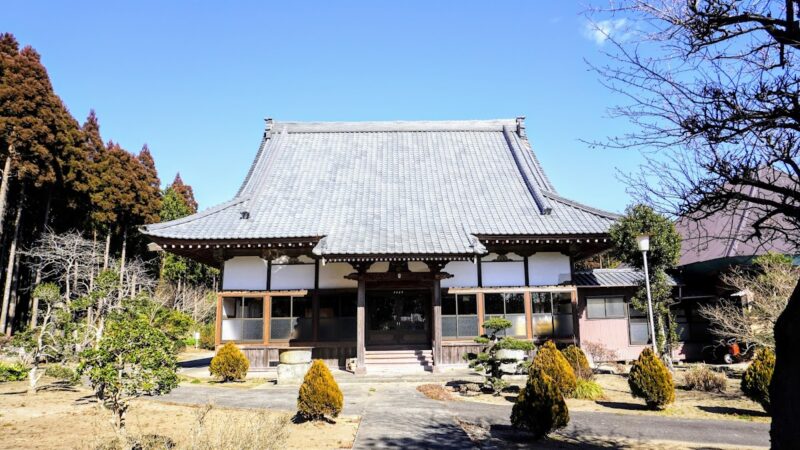
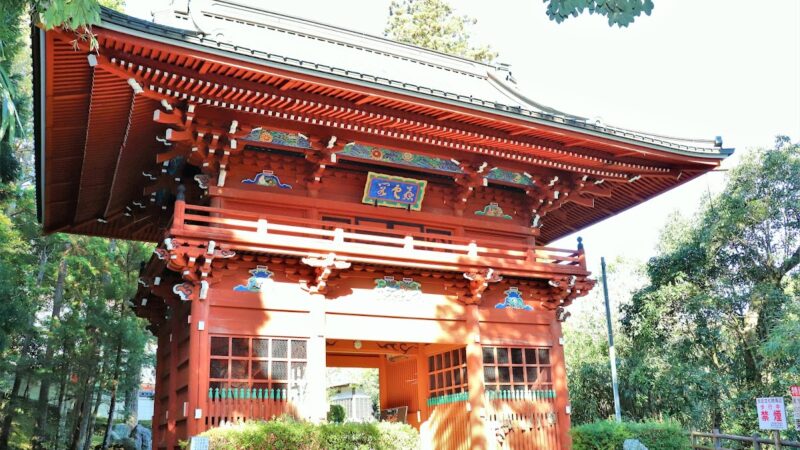
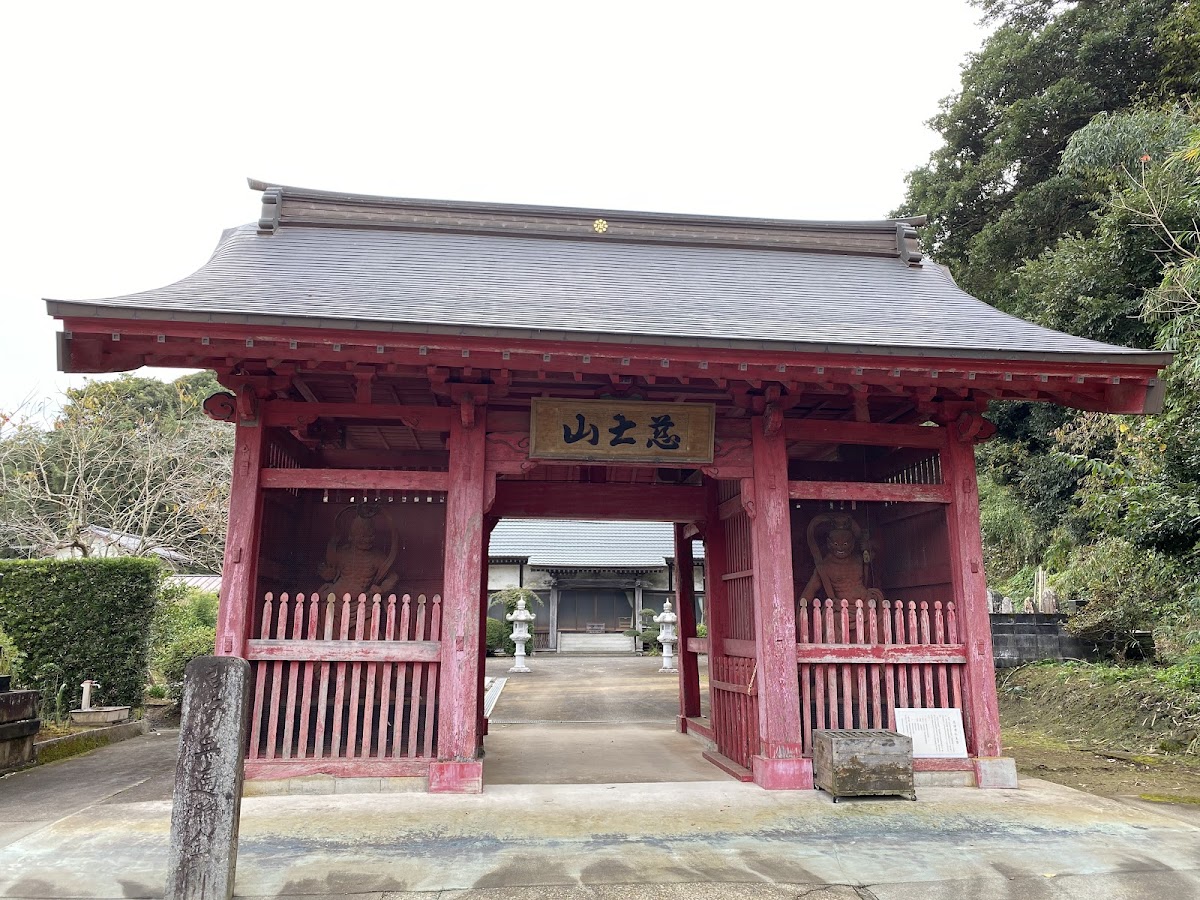
There are several temples named “Kōsaiji” throughout Japan. Each has a different sect, history, and characteristics, and is cherished by local believers and tourists alike. This article provides a detailed explanation of the historical background, highlights within the temple grounds, and access methods for particularly famous Kōsaiji temples in Amagasaki, Tokyo, Kawagoe, and other locations.
Table of Contents
This article comprehensively covers the following topics:
- About Kōsaiji Temple: An overview of the temples with the same name scattered throughout Japan
- Kōsaiji Temple in Amagasaki: A Nichiren Buddhist temple associated with Chikamatsu Monzaemon
- Kōsaiji Temple in Tokyo: An Ōbaku Zen Buddhist temple associated with the Tokugawa shogunate
- Kōsaiji Temple in Kawagoe: A Sōtō Zen Buddhist temple known for its chinless Jizō statue
- Other Kōsaiji Temples: Temples in Kanagawa, Aichi, and Beijing
- Access and Visiting Information
About Kōsaiji Temple: Temples with the same name located throughout Japan
The temple name “Kōsaiji” represents the Buddhist ideal of “saving (providing salvation) to a wide range of people.” Therefore, temples with the name Kōsaiji have been established throughout Japan, each deeply connected to the history and culture of its region.
The following are some of the major Kōsaiji temples:
- Kōsaiji Temple in Amagasaki City, Hyogo Prefecture: Nichiren sect, Mount Kukuchi, associated with Chikamatsu Monzaemon
- Kōsaiji Temple in Koto Ward, Tokyo: Ōbaku sect, Mount Mantoku, associated with the Tokugawa shogunate
- Kōsaiji Temple in Kawagoe City, Saitama Prefecture: Sōtō sect, famous for its chinless Jizō statue
- Kōsaiji Temple in Isehara City, Kanagawa Prefecture: Rinzai sect, Kenchōji branch, a branch temple of the first-ranked Kamakura Gozan (Five Great Zen Temples of Kamakura)
- Kōsaiji Temple in Toyota City, Aichi Prefecture: Sōtō sect, Mount Gokuraku, associated with Kojima Takanori
These temples differ in sect and history, but all are deeply revered by local believers and possess important cultural properties and historical heritage.
Kōsaiji Temple in Amagasaki: A Nichiren Buddhist Temple Associated with Chikamatsu Monzaemon
History and Establishment Circumstances
Kōsaiji Temple, located in Kukuchi, Amagasaki City, Hyogo Prefecture, is a Nichiren Buddhist temple with the mountain name Kukuchi-san. Its former head temple was Honmanji Temple in Kyoto (Rokujō school), and it belongs to the Enshi lineage.
There are several theories regarding the temple’s origins. According to the “Settsu Meisho Zue” (Illustrated Guide to Famous Places in Settsu Province), Minamoto no Mitsunaka enshrined Myōken Bodhisattva in 957 (Tentoku 1), and it was initially a Zen Buddhist temple. Later, in 1714 (Shōtoku 4), it is said that Nichishō Shōnin restored the dilapidated temple and converted it to the Nichiren sect.
Originally, Kōsaiji Temple functioned as the shrine temple of Kukuchi Myōken and was a center of local faith. Until the Meiji-era separation of Shinto and Buddhism, it maintained a unique form of faith that blended Myōken worship and Buddhism.
Deep Connection with Chikamatsu Monzaemon
The main reason Kōsaiji Temple has become nationally known is its deep connection with the Edo period playwright Chikamatsu Monzaemon (1653-1725). Chikamatsu, sometimes called the “Shakespeare of the East,” was a leading Japanese playwright of Joruri and Kabuki, creating masterpieces such as “Sonezaki Shinju” and “Shinju Ten no Amijima.”
Chikamatsu is said to have dedicated himself to the restoration of Kōsaiji Temple, and in his later years, he frequently visited the temple for writing. Within the temple grounds is a room called the “Chikamatsu Room,” where it is said that Chikamatsu stayed and wrote many of his works.
Chikamatsu died in Osaka on November 22, 1725 (Kyōhō 9), but some of his remains were buried at Kōsaiji Temple. Next to the main hall on the temple grounds is Chikamatsu Monzaemon’s tombstone, a nationally designated historical site, and it remains a sacred place visited by many people involved in the performing arts and theater fans.
Highlights of the Temple Grounds
The grounds of Kōsaiji Temple contain numerous buildings and cultural assets of high historical value.
The Main Hall was rebuilt during the Showa period and features the magnificent style of the Nichiren sect. Inside the main hall are enshrined a statue of Nichiren Shonin and memorial tablets of successive chief priests.
The Grave of Chikamatsu Monzaemon is the most important historical site on the temple grounds. The tombstone bears the posthumous Buddhist name “An’in Bokui Nichiichi Koji” and is designated a national historical site. Fresh flowers are always placed at the grave, attracting the devotion of those involved in theater.
The Chikamatsu Memorial Museum is built adjacent to Kōsaiji Temple and displays materials related to the life and works of Chikamatsu Monzaemon. Replicas of handwritten manuscripts, materials related to Joruri and Kabuki of the time, and panels introducing Chikamatsu’s life are on permanent display, making it an important center for Chikamatsu research.
Chikamatsu Festival
Every November, the Chikamatsu Festival is held to commemorate the anniversary of the death of Chikamatsu Monzaemon. This festival includes a memorial service at Kōsaiji Temple, a special exhibition at the Chikamatsu Memorial Museum, performances of Chikamatsu’s works, lectures, and more, attracting Chikamatsu fans and theater professionals from all over Japan.
The Chikamatsu Festival has become an important cultural event in Amagasaki City, playing a vital role in passing on the region’s history and culture to future generations.
Access
Location: 1-chome, Kukuchi, Amagasaki City, Hyogo Prefecture
Access by Train:
- Approximately 15 minutes on foot from JR Kobe Line “Tachibana Station”
- Take a bus from Hanshin Electric Railway “Amagasaki Station”
Access by Bus:
- Get off at Hanshin Bus “Kukuchi” bus stop, approximately 3 minutes on foot
Access by Car:
- Approximately 10 minutes from Hanshin Expressway “Amagasaki East Exit”
- Parking: Parking available for visitors on the temple grounds (limited number of spaces)
Kōsaiji Temple in Tokyo: An Ōbaku Zen Buddhist Temple Associated with the Tokugawa Shogunate
History and Establishment
Kōsaiji Temple, located in Fukagawa, Koto Ward, Tokyo, is an Ōbaku Zen Buddhist temple. The history of this temple dates back to the early Edo period.
Initially existing as a small hermitage called “Daishi-an,” in 1712 (Shōtoku 2), on the 33rd anniversary of the death of Tokugawa Ietsuna, the fourth shogun, Kōmei renamed Daishi-an to Mantoku-zan Kōsai-ji Temple in remembrance of him.
The following year, 1713 (Shōtoku 3), it relocated to Fukagawa Sarue, and the “Shō Kannon statue,” bestowed upon it by Tokugawa Tsunayoshi, the fifth shogun, was enshrined there, becoming the principal image of Kōsai-ji Temple. This Shō Kannon statue remains in the main hall today, attracting the devotion of many believers.
Characteristics of the Ōbaku School
The Ōbaku school, to which Kōsai-ji Temple belongs, is a branch of Zen Buddhism founded in the early Edo period by Zen Master Ingen Ryūki, who came from Ming China. It possesses a unique style distinct from the Rinzai and Sōtō schools, and brought Chinese architectural styles, Buddhist chanting (Shōmyō), and Fucha cuisine to Japan.
The main hall and other buildings within the grounds of Kōsaiji Temple feature Chinese-style designs characteristic of the Ōbaku sect, creating an atmosphere distinct from other temples in Edo.
Grounds and Main Hall
Despite being located in the urbanized Fukagawa area, Kōsaiji Temple maintains a tranquil atmosphere. The main hall houses the principal image, a statue of Shō Kannon, and many worshippers visit on the monthly temple festival days.
The temple grounds contain the graves of successive chief priests and tombstones of parishioners from the Edo period to the Showa period, preserving the history of the Fukagawa area.
Nearby Attractions
Nearby Kōsaiji Temple are numerous historical sites that evoke the atmosphere of Edo, such as Fukagawa Fudōdō, Tomioka Hachimangū Shrine, and Kiyosumi Garden. The Fukagawa area flourished as a commoner’s town from the Edo period and still retains a strong downtown atmosphere.
When visiting Kōsaiji Temple, exploring these surrounding spots will allow you to experience the history and culture of Edo/Tokyo more deeply.
Access
Location: 4-23-1 Harue-cho, Koto-ku, Tokyo
Access by Train:
- Approximately 8 minutes on foot from Nishi-Ōjima Station on the Toei Shinjuku Line
- Approximately 10 minutes on foot from Ōjima Station on the Toei Shinjuku Line
Access by Bus:
- Approximately 3 minutes on foot from the Harue-cho bus stop (Toei Bus)
Access by Car:
- Approximately 10 minutes from the Kinshichō Exit of the Metropolitan Expressway Route 7
- Parking: Due to limited space, the use of public transportation is recommended.
Kōsaiji Temple in Kawagoe: A Sōtō Zen Buddhist temple known for its Chinless Jizō statue
History and Features
Kōsaiji Temple, located in Kawagoe City, Saitama Prefecture, is a Sōtō Zen Buddhist temple. Kawagoe is a tourist city known as “Little Edo,” preserving its historical townscape, and Kōsaiji Temple plays a part in that history.
The Chinless Jizo and the Shabu-Shabu Babaa
Kōsaiji Temple in Kawagoe is particularly known for two Jizo statues with the unusual names “Chinless Jizo” and “Shabu-Shabu Babaa” located within its grounds.
These Jizo statues, enshrined in an old shrine beside the temple gate, are deeply connected to local folk beliefs and are cherished by believers for granting specific wishes. Their unique names and origins are valuable resources for studying Kawagoe’s folk culture.
Atmosphere of the Temple Grounds
Kōsaiji Temple in Kawagoe is located in a quiet residential area, somewhat removed from the touristy center of Kawagoe, offering a peaceful atmosphere for worship. The main hall features a typical Sōtō Zen architectural style, with a simple yet dignified structure that evokes the spirit of Zen.
Access
Location: Kawagoe City, Saitama Prefecture (Detailed address to be confirmed)
Access by Train:
- By bus or on foot from Hon-Kawagoe Station on the Seibu Shinjuku Line
- By bus from Kawagoe Station on the JR Kawagoe Line or Tobu Tojo Line
Access by Bus:
- By Kawagoe City Loop Bus (Nearest bus stop to be confirmed)
Other Kōsaiji Temples: Temples throughout Japan
Kōsaiji Temple in Isehara City, Kanagawa Prefecture
Kōsaiji Temple, located in Shimohirama, Isehara City, Kanagawa Prefecture, is a temple of the Kenchōji branch of the Rinzai school of Zen Buddhism. It was founded in 1353 (during the Nanboku-chō period) as a branch temple of Kenchōji Temple, the first of the Five Great Zen Temples of Kamakura. The founding abbot is said to be Zen Master Kizan Kōitsu.
Location: 657 Shimohirama, Isehara City, Kanagawa Prefecture
Access: Approximately 16 minutes on foot from Isehara Station on the Odakyu Odawara Line
Kōsaiji Temple in Toyota City, Aichi Prefecture
Kōsaiji Temple, located in the Ishino district of Toyota City, Aichi Prefecture, is a Sōtō Zen Buddhist temple, also known as Gokurakuzan Kōsaiji. It is a historically significant temple, said to have originated in 1433 (Kōkoku 5) during the Nanboku-chō period, when Kojima Takanori, a general of the Southern Court, built a hermitage to mourn his father Norinaga and fallen soldiers.
Kojima Takanori is known as a loyal retainer who appears in the *Taiheiki* (The Chronicle of Great Peace), and Kōsaiji Temple preserves this historical legacy.
Location: Ishino district, Toyota City, Aichi Prefecture
Access: Details require prior confirmation
Kōsaiji Temple in Beijing, China
For reference, there is also a Kōsaiji Temple in Beijing, China. Founded during the Jin Dynasty, it was rebuilt on the site of the former Jintai Temple during the Tianshun era of the Ming Dynasty. After being destroyed by fire during the Republic of China era, it was rebuilt and remains relatively intact today.
Located on the north side and facing south, the building layout is well-organized, divided into three sections: east, central, and west. Along the central axis, the main gate, bell and drum tower, Heavenly King Hall, Great Hero Hall, Yuantong Hall, Many Treasures Hall, and Reliquary Pavilion are arranged in order, showcasing a typical style of Chinese Buddhist architecture.
Currently, it houses the headquarters of the Buddhist Association of China and is one of the central facilities in the Chinese Buddhist world.
Notes and Manners for Visiting Guangji Temple
Visiting Hours and Admission Fees
Guangji Temple is fundamentally a temple, and entry to the grounds is often free. However, viewing the interior of the main hall or special cultural artifacts may require advance reservations or admission fees. In particular, auxiliary facilities such as the Chikamatsu Memorial Hall are subject to fees.
It is recommended to check the official website or call the temple before visiting.
Temple Visiting Etiquette
When visiting a temple, please observe the following basic manners:
- Dress Code: Avoid revealing clothing and dress modestly.
- Photography: Permission is often required to take photographs inside the main hall or in the cemetery.
- Quietness: Be quiet on the temple grounds and be considerate of other visitors.
- Smoking and Eating: Refrain from smoking and eating outside designated areas.
- Offering: It is customary to offer a monetary donation or offering when visiting a temple.
About Goshuin (Temple Seals)
Many temples offer Goshuin. Goshuin are given by the temple as proof of your visit, and will be stamped in your Goshuincho (stamp book).
The hours for receiving Goshuin vary by temple, so it is recommended to check in advance. Also, understand that Goshuin are not merely commemorative stamps, but symbols of faith, and receive them with respect.
Kōsaiji Temple and Local Culture
Relationship with Believers
Kōsaiji temples throughout Japan have cultivated deep relationships with believers in their respective regions over many years. Through regular memorial services, temple festivals, and seasonal events, they function as spiritual centers for local communities.
Especially temples with a danka (parishioner) system continue to support believers through funerals, memorial services, and ancestral rites, accompanying them through important life events.
Protection and Preservation of Cultural Properties
Many Kōsaiji temples house valuable cultural properties and historical materials. Appropriately protecting these cultural properties, such as materials related to Chikamatsu Monzaemon, ancient documents, Buddhist statues, and buildings, and passing them on to future generations is one of the important roles of the temples.
In recent years, efforts have been made to balance the utilization and protection of cultural properties, such as digital archiving and increasing opportunities for public access.
Value as a Tourism Resource
Kōsaiji temples, with their high historical and cultural value, are also important tourism resources for their respective regions. In particular, Kōsaiji Temple in Amagasaki has become a sacred site for literature and theater fans due to its connection with Chikamatsu Monzaemon, and it also contributes to regional development.
The temple itself, while preserving its essence as a place of worship, strives to be a facility open to the general public, improving its guidance and explanations.
Summary: Diversity and Commonalities of Kōsaiji Temples
Kōsaiji temples scattered throughout Japan, each with its own distinct sect, history, and characteristics, were all built under the common ideal of “saving people broadly.”
Kōsaiji Temple in Amagasaki has its own unique historical value through its connection to Chikamatsu Monzaemon, a giant in Japanese cultural history, while Kōsaiji Temple in Tokyo has its connection to the Tokugawa shogunate. Kōsaiji temples in Kawagoe, Kanagawa, and Aichi also embody important aspects of their respective regions’ history and culture.
Visiting these temples is not merely sightseeing, but a valuable opportunity to experience the diversity of Japanese history, culture, and faith. By joining our hands in prayer in the tranquil temple grounds and reflecting on the footsteps of our ancestors, we who live in the present day can also find peace of mind and new insights.
When planning a visit to Kōsaiji Temple, please use the information in this article as a reference, check the latest information for each temple beforehand, and enjoy a fulfilling experience while observing proper etiquette.
References and External Links
- Mantokuzan Kōsaiji Temple (Tokyo) Official Website
- Kōsaiji Temple and Chikamatsu Monzaemon (Amagasaki) Official Website
- Amagasaki City Regional Research and Historical Materials Museum, “Regional History Research”
- “Settsu Meisho Zue” (Illustrated Guide to Famous Places in Settsu Province)
- Chikamatsu Memorial Museum Official Website
- Local Tourism Association Information
*Before visiting, please be sure to check the official information of each temple to confirm the latest visiting hours, admission fees, access methods, etc.