Ryudaiji Temple (Chiba Prefecture) Complete Guide | History, Goshuin (Temple Seal), Access, and Highlights Explained in Detail
Located in Chiba Prefecture, Ryudaiji Temple is a historic temple that preserves the history and culture of the region. This article provides comprehensive information useful for those planning a visit, from the historical background of Ryudaiji Temple to its highlights, goshuin information, and access methods.
What is Ryudaiji Temple?
Ryudaiji Temple is a Buddhist temple located in Chiba Prefecture, a historic temple that has been cherished by local residents for many years. Its tranquil grounds offer a place to escape the hustle and bustle of everyday life and find peace of mind, attracting many visitors.
The temple’s name, “Ryudai,” embodies the meaning of the flourishing of Buddhism and reaching a high state of enlightenment. Since its founding, it has played an important role as a spiritual pillar of the region.
History and Origins of Ryudaiji Temple
Background of Founding
The founding date of Ryudaiji Temple is conveyed through local historical documents and temple traditions. Chiba Prefecture has long flourished as the center of the Boso Peninsula, and many temples were built there. Ryudaiji Temple is also believed to have been established as a center of local faith within this historical context.
Sect and Principal Image
Ryudaiji Temple belongs to one of the traditional sects of Japanese Buddhism. The Buddha statue enshrined as the principal image is revered as a being that receives the wishes of worshippers and watches over them with compassion.
The principal image enshrined in the main hall has received the prayers of many people over many years. Its serene expression brings peace and hope to those who visit.
Historical Changes
From the Edo period through the Meiji, Taisho, Showa, Heisei, and Reiwa eras, Ryudaiji Temple has also experienced various changes. Having overcome war and natural disasters, its religious traditions have been preserved to this day thanks to the support of the local people.
Especially since the modern era, it has also played a central role in the local community, serving as a place to deepen bonds among people through various events and activities.
Highlights of the Temple Grounds
Main Hall
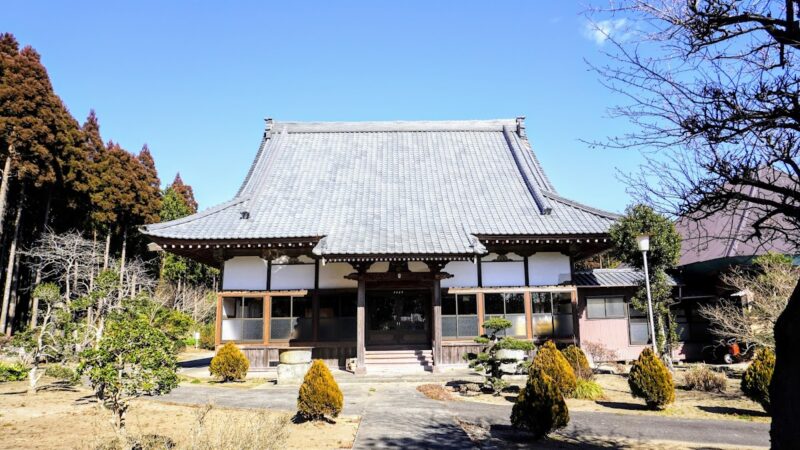
The main hall of Ryudaiji Temple is the central building of the temple. The building, incorporating traditional Japanese architectural styles, exudes a tranquil atmosphere. Inside the main hall, various Buddhist statues and implements are arranged around the principal image, creating a solemn space.
When visiting, you can quietly join your hands and offer your prayers with heartfelt devotion. Paying attention to the architectural style and decorations of the main hall will allow you to feel the history of the temple more deeply.
Natural Environment of the Temple Grounds
The grounds of Ryudaiji Temple are teeming with nature throughout the seasons. In spring, cherry blossoms and plum blossoms bloom; in summer, lush green trees provide cool shade; in autumn, the autumn leaves color the grounds; and in winter, a crisp, serene atmosphere prevails.
Exploring the temple grounds and feeling the changing seasons is one of the great pleasures of visiting. The temple’s landscape, integrated with nature, soothes the hearts of visitors.
Stone Monuments and Memorials
Within the temple grounds, various stone monuments and memorials stand, telling the story of the temple’s history. These inscriptions reveal the thoughts of past abbots and parishioners, as well as important events related to the temple.
Those interested in history can gain a deeper understanding of Ryudaiji Temple’s journey by carefully observing these monuments.
Bell Tower and Bell
When a temple has a bell tower, the sound of the bell has announced the time in the community and been an integral part of people’s lives. The sound of the bell, rung during special events such as the New Year’s Eve bell, deeply moves visitors.
Annual Events at Ryudaiji Temple
New Year’s Events
The temple is bustling with visitors for Hatsumode (first shrine visit of the year) during the New Year’s period. From New Year’s Day to the third day, many local residents visit to pray for safety and prosperity in the new year. Special prayers and events are sometimes held during the New Year.
Spring Events
In spring, Buddhist events such as the Hanamatsuri (Flower Festival) (Kanbutsu-e) are held. This event, celebrating the birth of Buddha, includes rituals such as pouring sweet tea, creating a friendly atmosphere where children can participate.
Summer Events
During the Obon period, memorial services such as the Segaki memorial service and the Urabon-e are held to honor ancestors. Many parishioners and local residents gather to remember the deceased and offer prayers.
Autumn Events
In autumn, the Higan-e service is held, where gratitude and prayers are offered to ancestors. Sometimes, a memorial service expressing gratitude for the harvest is also held.
Winter Events
On New Year’s Eve, the temple bell is rung 108 times, symbolizing the end of the year and hope for the new year. Many worshippers gather, welcoming the new year in a solemn atmosphere.
Goshuin Information
About Goshuin
Ryudaiji Temple may offer goshuin (temple stamps) as proof of your visit. Goshuin are stamps with the temple name, principal deity’s name, and date of visit written in ink, and stamped with a red seal. Many people collect them as a memento of their visit.
If you wish to receive a goshuin, it is recommended to contact the temple in advance to confirm availability and reception hours.
Manners When Receiving a Goshuin
When receiving a goshuin, please observe the following manners:
- First, complete your prayers at the main hall before receiving the goshuin.
- Prepare a goshuin notebook (this is not a stamp rally, so use a dedicated goshuin notebook, not a regular notebook or paper).
- Wait quietly while the goshuin is being written.
- Offer your first offering (donation) with gratitude.
- Politely say “Thank you.”
Goshuin are not merely commemorative stamps; they are sacred objects considered to be representations of Buddha or the principal deity. Treat with respect.
Points and Manners for Visiting a Temple
Basic Etiquette for Visiting a Temple
There are basic manners for visiting a temple:
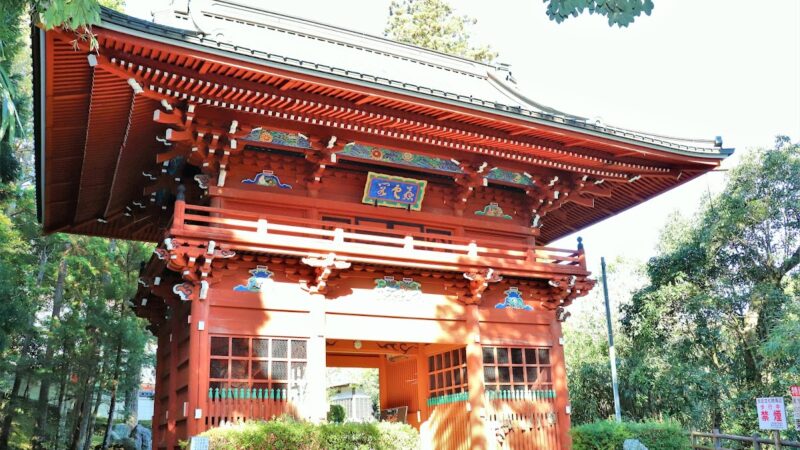
- A Bow at the Temple Gate: Before entering the temple grounds, bow at the temple gate. This shows respect for entering a sacred area.
- Purifying at the Water Basin: If there is a water basin, purify your hands and mouth. Wash your left hand, then your right hand, and rinse your mouth with water in your left hand.
- Worship at the Main Hall: Bow slightly in front of the main hall and quietly place your offering. If there is a bell or gong, ring it, and pray with your hands clasped together.
- A Bow Upon Exit: When leaving the temple grounds, turn around and bow.
Attire
Unless you are attending a special memorial service or event, everyday attire is acceptable for visiting the temple. However, it is advisable to avoid overly revealing or flashy clothing. Aim for clean, understated attire.
Photography Etiquette
Regarding photography within the temple grounds, rules vary by temple. Photography inside the main hall and of Buddha statues is often prohibited, so be sure to check beforehand. Also, please be considerate of other visitors.
Access Information
Location
Ryudaiji Temple is located in Chiba Prefecture. For the specific address, it is recommended to check with the temple in advance or find the latest information online.
Access by Public Transportation
Using the Train:
Please check the distance and travel time from the nearest station in advance. You may also need to take a bus or taxi from the station.
Using the Bus:
If local buses operate, it may be possible to access the temple on foot from the nearest bus stop. Please check the bus timetable in advance.
Access by Car
If you are visiting by car, you can search for a route by entering the temple name or address into your car’s navigation system. Checking access routes from major roads in Chiba Prefecture in advance will make your trip smoother.
Parking Information
It is recommended to check in advance whether the temple has a parking lot, and if so, how many cars it can accommodate. During events, congestion is expected, so consider using public transportation.
Nearby Tourist Attractions
Temples and Shrines in Chiba Prefecture
When visiting Ryudaiji Temple, visiting other nearby temples and shrines will make your temple and shrine pilgrimage more fulfilling. Chiba Prefecture has many historical temples and shrines.
Local Tourist Attractions
Chiba Prefecture is blessed with abundant nature and historical tourist resources. Visiting local tourist attractions in conjunction with your visit to Ryudaiji Temple will make your trip even more fulfilling.
Local Cuisine
Chiba Prefecture has many coastal areas, allowing you to enjoy fresh seafood. It is also famous for local specialties such as peanuts. Enjoying local cuisine after visiting a temple is one of the pleasures of travel.
How to Enjoy Visiting Ryudaiji Temple
Seasonal Charms
Spring: A beautiful season of fresh greenery. The temple grounds are enveloped in a vibrant atmosphere when cherry blossoms and plum blossoms are in bloom.
Summer: You can enjoy a cool visit amidst the lush greenery of the temple grounds. Visiting early in the morning is especially refreshing.
Autumn: During the autumn foliage season, the temple grounds are dyed in red and yellow, offering a beautiful view.
Winter: You can pray peacefully in the tranquil atmosphere of the temple grounds. Praying in the crisp air is a special experience.
Take Your Time
When visiting a temple, it’s important to take your time, stroll through the grounds, and calm your mind, rather than rushing through it. Sitting on a bench to soak up the atmosphere or listening to the sounds of nature will help you release the stresses of everyday life.
Experiences of Sutra Copying and Zen Meditation
Some temples offer experiential programs such as sutra copying and Zen meditation. These experiences provide a valuable opportunity to connect with Buddhist teachings and cultivate inner peace. Those interested should inquire with the temple beforehand.
Cultural Significance of Ryudaiji Temple
Connection to the Local Community
Ryudaiji Temple has played a vital role not only as a religious institution but also as a central hub for the local community. It has been used as a venue for local festivals, events, and gatherings, fostering strong bonds among people.
Value as a Cultural Asset
Temples may preserve various cultural assets, such as buildings, Buddhist statues, and ancient documents. These are valuable historical materials that tell the story of the region and are legacies that should be passed down to future generations.
Educational Role
Temples are also places that impart wisdom for life to people through Buddhist teachings. Through sermons and Dharma talks, they offer hints on the mindset and way of life necessary for us living in modern society.
Things to Know Before Visiting
Visiting Hours and Admission Fees
Visiting hours and admission fees vary depending on the temple. It is recommended to check official information or call before visiting Ryudaiji Temple. Generally, entry to the temple grounds is free, but special buildings and treasure halls may require an admission fee.
Contact Information
For detailed information regarding visits, temple stamps, event schedules, etc., it is best to contact the temple directly. Phone numbers and contact information can be found through internet searches or at local tourist information centers.
Accessibility Information
Visitors using wheelchairs, the elderly, or those with small children should check the condition of the temple grounds, including steps and slopes, beforehand. If necessary, consult with the temple.
Ryudaiji Temple and Buddhist Teachings
Basic Buddhist Teachings
Buddhism is a teaching for liberation from suffering and attaining inner peace. Through a visit to Ryudaiji Temple, you can experience the basic teachings of Buddhism.
Four Noble Truths and Eight Sufferings: The four sufferings of birth, aging, sickness, and death, plus the suffering of separation from loved ones, encountering those one hates, not obtaining what one desires, and the suffering of the five aggregates, are considered the fundamental sufferings of humanity.
Causality and Effect: This is the idea that every event has a cause, and that cause, through various conditions, produces an effect.
Compassion: This is a teaching that emphasizes the importance of having compassion for all living beings.
Buddhist Wisdom for Modern Life
Buddhist teachings offer valuable guidance for life even in modern society. In today’s stressful world, they provide an opportunity to calm the mind and re-examine what is truly important.
Summary
Ryudaiji Temple is a historical and traditional temple located in Chiba Prefecture. Visiting its tranquil grounds will be a precious time to escape the hustle and bustle of everyday life and find peace of mind. Please consider visiting Ryudaiji Temple, using the information presented in this article as a reference.
When visiting, it is important to observe basic manners and show respect to the temple. When receiving a Goshuin (temple stamp), please understand its meaning as proof of your visit, not as a stamp rally, and cherish it.
Spend your time slowly in the temple grounds, surrounded by the beautiful nature of each season, and feel peace of mind. We hope your visit to Ryudaiji Temple will be a memorable experience.
Before your visit, we recommend checking the latest information, such as opening hours and event schedules, in advance. Have a wonderful time at the temple.