
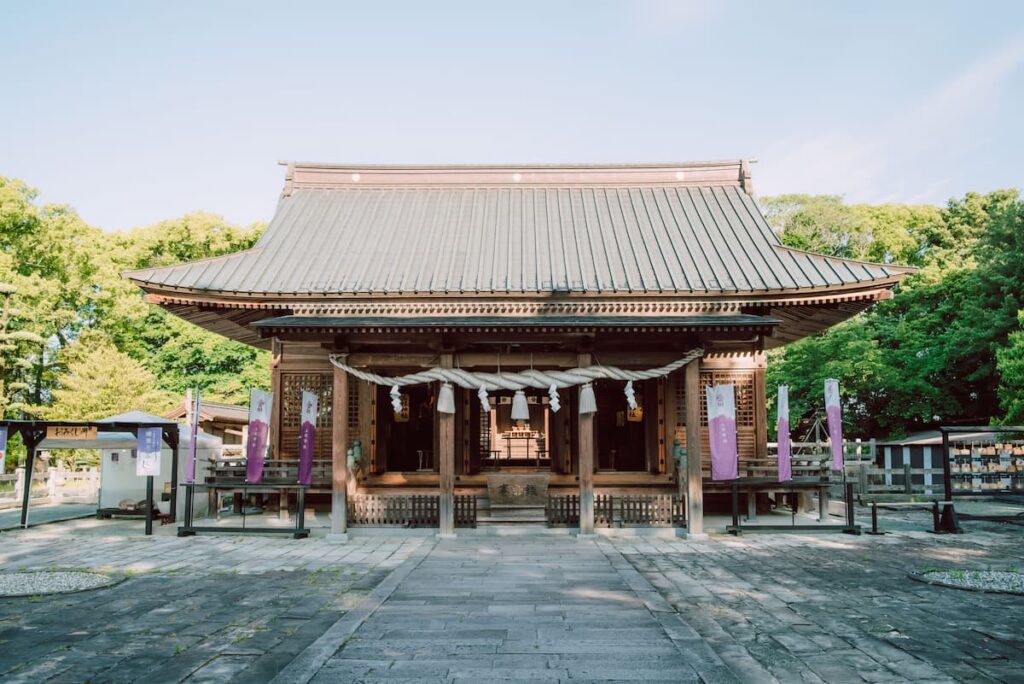
Complete Guide to Mihashira Shrine: A Thorough Explanation of Deities, Benefits, Access, and Worship Methods
Mihashira Shrine is one of the many shrines found throughout Japan, and has long been revered as a shrine dedicated to three deities. This article provides a detailed explanation of the deities enshrined at Mihashira Shrine, its benefits, historical background, worship methods, and major Mihashira Shrines throughout Japan.
What is Mihashira Shrine?
As the name suggests, Mihashira Shrine is a shrine that enshrines three deities. “Hashira” is a unit used to count deities, and three deities are enshrined at Mihashira Shrines. Mihashira Shrines exist throughout Japan, and while some regions enshrine different deities, many Mihashira Shrines enshrine local guardian deities or deities involved in the development of the area.
Origin of the Name Mihashira Shrine
The name “Mihashira” originates from the unit “hashira” used in Shinto to count deities. It is called “Mihashira Shrine” because it enshrines three deities. This form is not uncommon in Japanese Shinto belief, and it is believed that by enshrining multiple deities together, one can receive a wider range of blessings.
Major Mihashira Shrines Nationwide
There are several Mihashira Shrines throughout Japan, but here we introduce some of the most famous ones.
Mihashira Shrine in Yanagawa City, Fukuoka Prefecture
The Mihashira Shrine in Yanagawa City, Fukuoka Prefecture, enshrines Tachibana Muneshige, the first lord of the Yanagawa Domain (Tachibana family), his wife Ginchiyohime, and Muneshige’s father, Tachibana Dōsetsu.
Deities Enshrined
- Tachibana Muneshige: A samurai from the Sengoku period to the early Edo period, and the first lord of the Yanagawa Domain.
- Ginchiyo-hime: The wife of Tachibana Muneshige, a formidable woman of the Sengoku period known as a female castle lord.
- Tachibana Dōsetsu: A samurai from the Sengoku period, and Muneshige’s adoptive father.
History and Origins
The Mihashira Shrine in Yanagawa was founded during the Meiji era. It was built at the request of the local people to enshrine the three members of the Tachibana family, who were beloved by the people as lords of the Yanagawa Domain. Located on the site of the former main keep of Yanagawa Castle, it remains a spiritual center for the citizens of Yanagawa, attracting many worshippers.
Benefits
- Family Safety: Derived from the family love of the Tachibana family
- Marital Harmony: From the bond between Muneshige and Ginchiyohime
- Long-lasting Military Fortune and Good Luck in Competition: From his achievements as a military commander
- Good Fortune and Prosperity: From his benevolent rule as a feudal lord
- Matchmaking: From the divine virtues of Ginchiyohime
Mihashira Shrine in Saga City, Saga Prefecture
There is also a Mihashira Shrine in Saga City, Saga Prefecture, which is worshipped as the guardian deity of the region. This Mihashira Shrine also enshrines a person who contributed to the development of the region.
Other Mihashira Shrines
Throughout Japan, there are shrines that enshrine three deities, representing local pioneers or guardian deities. Since the enshrined deities and benefits differ at each shrine, it is recommended to check before visiting.
Benefits of Mihashira Shrine
The benefits of Mihashira Shrine vary depending on the enshrined deity, but generally, the following benefits are believed to be offered.
Family Safety and Harmony
At Mihashira Shrine, which enshrines deities symbolizing family bonds like those of the Tachibana family, it is believed to bring blessings of family safety and harmony. Many visitors come to pray for the health and happiness of their families.
Marital Harmony and Matchmaking
Especially at Mihashira Shrine in Yanagawa, which enshrines the married couple Muneshige and Ginchiyohime, it is famous for its blessings of marital harmony and matchmaking. It is widely worshipped by people of all ages, from young people seeking good relationships to those praying for harmonious marriages.
Long-lasting Military Fortune and Success in Competitions
At Mihashira Shrine, which enshrines samurai warriors, it is believed to bring blessings of long-lasting military fortune and success in competitions. Many people visit before important life events such as exams, job hunting, and business.
Good Fortune and Business Prosperity
Shrines dedicated to a deity who ruled wisely as a feudal lord and was beloved by his people are believed to bring good fortune and business prosperity.
Protection from Evil and Disaster
Mihashira Shrine, which serves as a guardian deity of the region, also offers protection from evil and disaster.
How to Visit Mihashira Shrine
Here are the basic manners for visiting Mihashira Shrine.
Basic Etiquette for Worship
- Bow Before Passing Through the Torii Gate: As a sign of respect before entering the sacred area, bow before the torii gate.
- Purify at the Water Basin: Purify your left hand, then your right hand, then your mouth, and finally your left hand.
- Walking Along the Path: The center of the path is considered the path of the gods, so walk along the edges.
- Worship at the Main Hall: Worship using the two bows, two claps, and one bow method.
Details of Two Bows, Two Claps, and One Bow
- Two Bows: Bow deeply twice.
- Two Claps: Clap your hands twice at chest height.
- Pray: State your wish silently.
- One Bow: Finally, bow deeply once.
Attire for Worship
There are no specific dress code requirements, but clean and subdued clothing that reflects the sacred nature of the place is desirable. Avoid revealing or overly flashy clothing.
Information on Amulets and Goshuin (Shrine Seals)
Types of Amulets
Mihashira Shrine offers various types of amulets.
- Matchmaking Amulet: For those wishing for a good relationship
- Marital Harmony Amulet: For those wishing to deepen their marital bond
- Victory Amulet: For those wishing for success in competitions or exams
- Family Safety Amulet: For those wishing for the safety and health of their family
- Exorcism Amulet: For those in their unlucky year or wishing for protection from misfortune
- Traffic Safety Amulet: For those wishing for safe driving
About Goshuin (Shrine Seals)
Mihashira Shrine offers Goshuin. You can bring your own Goshuincho (seal book) or purchase one at the shrine. Please understand that Goshuin are proof of your visit and not like a stamp rally, and handle them with care.
Manners for Receiving a Goshuin (Shrine Stamp)
- Receive your Goshuin after completing your prayers.
- Check the shrine office’s reception hours (usually 9:00 AM to 5:00 PM).
- Hand over your Goshuincho (stamp book) carefully with both hands.
- Prepare the offering fee (approximately 300-500 yen).
- Wait quietly while the stamp is being written.
How to Access Mihashira Shrine
Access to Mihashira Shrine in Yanagawa City, Fukuoka Prefecture
Access by Train
- Nishitetsu Tenjin Omuta Line: Get off at Nishitetsu Yanagawa Station, approximately 5 minutes on foot.
- JR Kagoshima Main Line: Approximately 20 minutes by bus from JR Setaka Station.
Access by Car
- Kyushu Expressway: Approximately 15 minutes from Miyama Yanagawa IC.
- Parking: Paid parking is available around the shrine.
Address
323-1 Takahata, Mitsuhashi-machi, Yanagawa City, Fukuoka Prefecture
Visiting Hours
- Visiting Hours: Open all day (Daytime visits are recommended due to limited lighting at night)
- Shrine Office Hours: 9:00 AM – 5:00 PM (Subject to change depending on the season)
Annual Events at Mihashira Shrine
Mihashira Shrine holds various festivals and events throughout the year.
Main Annual Events
January
- Hatsumode: Bustling with worshippers praying for happiness in the new year.
- Gantansai: A festival celebrating the new year.
February
- Setsubunsai: Events such as bean-throwing.
- Kigensai: A festival coinciding with National Foundation Day.
Spring
- Spring Grand Festival: The grand spring festival, featuring Kagura performances and other events.
Summer
- Natsukoshi no Oharae: A Shinto ritual to purify oneself of the impurities accumulated over the past six months.
- Natsumatsuri: A popular local festival.
Autumn
- Autumn Grand Festival: The grand autumn festival, one of the most important events of the year.
- Shichi-Go-San Pilgrimage: A pilgrimage to celebrate the growth of children.
Winter
- Niinamesai: A festival to give thanks for the harvest.
- New Year’s Eve Grand Purification Ceremony: A Shinto ritual to purify oneself of the impurities of the past year.
Tourist Spots Around Mihashira Shrine
Tourist Spots in Yanagawa City (Fukuoka Prefecture)
Yanagawa River Cruise
The Yanagawa river cruise, a local specialty, is a popular activity where you can enjoy the atmosphere of the castle town aboard a traditional “donko” boat. It can be enjoyed in conjunction with a visit to Mihashira Shrine.
Ohana
Built as a villa for the Tachibana family, “Ohana” is a facility with a beautiful garden designated as a national scenic spot. It also includes a restaurant and hotel.
Kitahara Hakushu’s Birthplace
The birthplace of the poet Kitahara Hakushu is preserved here, allowing visitors to learn about his life and works.
Yanagawa Domain Lord Tachibana Residence Ohana
There is a museum exhibiting the history and cultural assets of the Tachibana family, allowing visitors to learn more about the deities enshrined at Mihashira Shrine.
Guidelines for Visiting Mihashira Shrine
Points to Note During Your Visit
Photography
Photography is generally permitted on the shrine grounds, but please observe the following points:
- Refrain from taking photos inside the main hall or in sacred areas.
- Be considerate of other visitors.
- Check in advance if photography is permitted during festivals.
- Refrain from using flash photography.
Bringing Pets
Regulations vary by shrine, but generally, it is considered good manners to refrain from bringing pets. If unavoidable, please check with the shrine in advance.
Eating and Drinking
Please refrain from eating and drinking on the shrine grounds. Always take your trash with you.
Best Season for Visiting
Mihashira Shrine can be visited year-round, but each season offers its own unique charm.
Spring (March-May)
The shrine grounds and surrounding area are beautifully adorned with cherry blossoms. The Spring Grand Festival is also a highlight.
Summer (June-August)
The fresh greenery is beautiful, and summer festivals and other events are held. However, precautions against the heat are necessary.
Autumn (September-November)
The autumn leaves color the shrine grounds. The Autumn Grand Festival is also held. The weather is mild, making it suitable for worship.
Winter (December-February)
The shrine is bustling with many worshippers during the New Year’s visit period. Please take precautions against the cold when visiting.
History and Cultural Significance of Mihashira Shrine
Background of Founding in the Meiji Era
Many Mihashira Shrines were founded during the Meiji era. This is related to the Meiji government’s reform of the shrine system. Shrines were built in various locations with the aim of honoring local heroes and contributors and establishing regional identity.
Connection with the Local Community
Mihashira Shrine is not merely a religious facility, but has also played a role as a center of the local community. Through festivals and events, it serves as a place to deepen the bonds of local residents.
Significance in the Modern Era
Even today, Mihashira Shrine plays an important role in conveying the history and culture of the region. While also serving as a tourist attraction, it remains a beloved place of worship for many people.
Practical Advice for Visiting Mihashira Shrine
For First-Time Visitors
Preparations
- Check basic shrine information (deities, blessings, access)
- Check visiting hours and shrine office hours
- Prepare small change for offerings (donations, goshuin stamp fees, etc.)
- Prepare appropriate clothing for the weather
Flow of Visit
- Bow before passing through the torii gate
- Purify yourself at the water basin
- Proceed along the path to the main hall
- Pray with two bows, two claps, and one bow
- Obtain amulets and goshuin stamps as needed
- Stroll around the shrine grounds
- Bow again at the torii gate when leaving
Visiting with Family
If You Have Children
- A good opportunity to teach children proper shrine etiquette
- Keep children from running around
- Check in advance for the availability of nursing rooms and diaper changing spaces
- Reservations may be required for events such as Shichi-Go-San (a traditional Japanese rite of passage for children).
Group Visits
- Please refrain from speaking loudly.
- Please be considerate of other visitors.
- Please take photographs with consideration for those around you.
Mihashira Shrine’s Architecture and Grounds
Characteristics of the Shrine Buildings
The architectural style of Mihashira Shrine buildings varies depending on the region and the time of their founding. Many Mihashira Shrines follow the traditional style of shrine architecture.
Main Structures
- Main Hall: The most sacred place where the enshrined deity is worshipped.
- Worship Hall: The place where worshippers pay their respects.
- Torii Gate: The gate marking the entrance to the sacred area.
- Water Basin: A place to purify oneself before worship.
- Shrine Office: The place where goshuin (shrine stamps) and amulets are given out.
Highlights of the Shrine Grounds
Sacred Trees
Many shrines have sacred trees hundreds of years old, revered as sacred beings.
Komainu (Guardian Dogs)
Komainu are placed within the shrine grounds, serving to protect the sacred area.
Stone Monuments and Memorials
Stone monuments and memorials commemorating historical events are sometimes erected within the shrine grounds.
Mihashira Shrine and Japanese Religious Culture
The Concept of “Pillar” in Shinto
In Shinto, the unit “hashira” (pillar) is used when counting deities. This stems from the idea that deities are like pillars connecting heaven and earth.
The Culture of Joint Enshrinement
Joint enshrinement, or “goshi,” is common in Japanese shrine culture. Mihashira Shrine is one form of this joint enshrinement, and it is believed that one can receive the divine blessings of multiple deities simultaneously.
Role as a Guardian Deity of the Region
Many Mihashira Shrines serve as guardian deities of the region by enshrining local pioneers and meritorious figures. This is one form of “human deification” in Japanese Shinto.
How to spend your time after visiting Mihashira Shrine
How to store your Goshuincho (stamp book)
After receiving your Goshuin (stamp), store your Goshuincho carefully.
- Avoid direct sunlight
- Store in a place with low humidity
- Protect it by placing it in a Goshuincho bag
- Do not handle it roughly with other items
How to handle your amulet
How to carry your amulet
- Always carry it with you (wallet, bag, pocket, etc.)
- Handle it with care
- Do not give it to others (the amulet belongs to the person who received it)
Returning your amulet
It is common to return amulets to the shrine where you received them after about a year.
- Place it in the old amulet collection box
- If you live far away, it may be possible to return it by mail
- Return it with gratitude
Summary: The significance of visiting Mihashira Shrine
Mihashira Shrine is a special shrine that enshrines three deities and is worshipped throughout Japan. In particular, the Mihashira Shrine in Yanagawa City, Fukuoka Prefecture, enshrines Tachibana Muneshige, Ginchiyo-hime, and Tachibana Dōsetsu, and is believed to bring blessings for family safety, marital harmony, and good fortune in competitions.
When visiting, it is important to observe basic etiquette and pray with sincerity. Receiving a goshuin (shrine stamp) or amulet can deepen your connection with the deities.
Mihashira Shrine is not merely a tourist spot, but an important place that conveys the history and culture of the region. Through worship, you can experience traditional Japanese culture and local history.
Whether it’s your first visit or you’ve been many times, by praying with your own thoughts and feelings, you can gain peace of mind and renewed vitality. We hope that your visit to Mihashira Shrine will be a meaningful experience for everyone.
When visiting Mihashira Shrine, please check the latest information beforehand and observe proper etiquette. It is important to respect the history and culture of the region and to be mindful of the sacred nature of the place.

