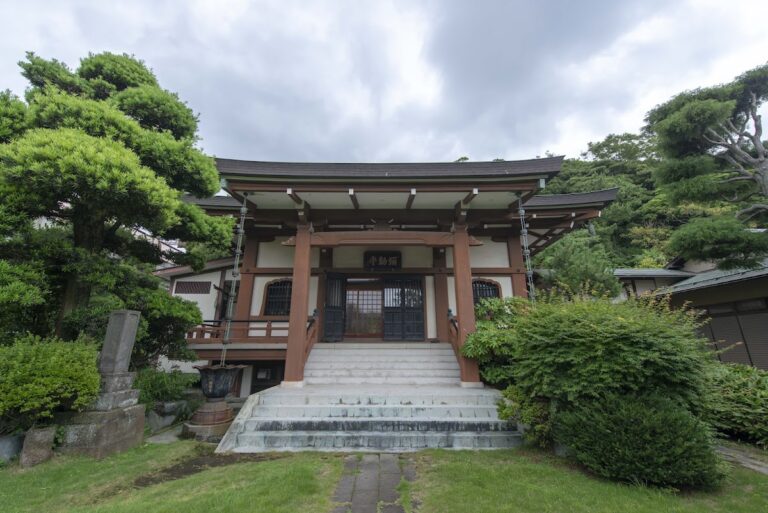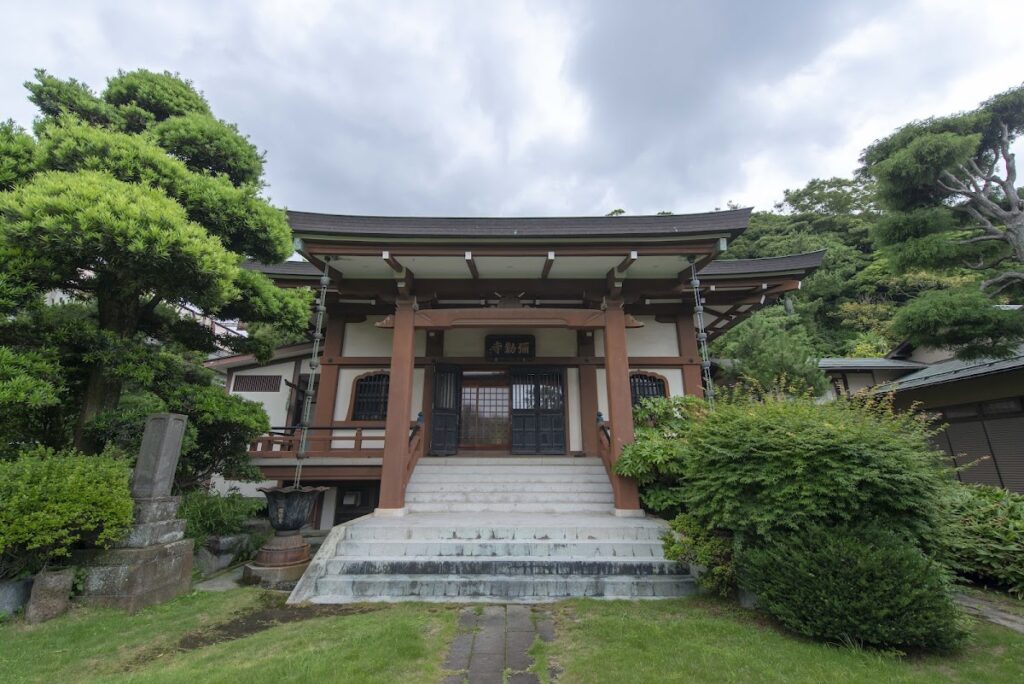
Complete Guide to Miroku-ji Temples | History, Highlights, and Access Information for Miroku-ji Temples Nationwide
There are several temples named Miroku-ji throughout Japan. Each has its own unique history and cultural assets, and has long been cherished as a center of local faith. This article provides a detailed explanation of the historical background, highlights, and visiting information for major Miroku-ji temples throughout Japan.
What is Miroku-ji Temple? | Origin of the Name and Miroku Belief
The name Miroku-ji originates from Miroku Bodhisattva in Buddhism. Miroku Bodhisattva is a future Buddha who is said to appear in this world 5.67 billion years after the death of Shakyamuni Buddha to save humanity. This Miroku belief has been passed down in Japan since ancient times, and Miroku Bodhisattva has been enshrined as the principal image in many temples.
Temples bearing the name Mirokuji (Maitreya Temple) are primarily named because they enshrine Maitreya Bodhisattva as their principal deity or because they possess a Miroku Hall. Each Mirokuji belongs to a different sect and possesses its own unique history and characteristics. Understanding its regional and cultural background will lead to a deeper pilgrimage experience.
Mirokuji Temple in Tome City, Miyagi Prefecture | A Sacred Site of Oshu
Overview of Chotokuzan Kankiin Mirokuji Temple
Located in Nakada-cho, Tome City, Miyagi Prefecture, Chotokuzan Kankiin Mirokuji Temple is an ancient Shingon Buddhist temple known as a “sacred site of Oshu.” With its vast grounds, it is a beloved place of worship for the local people as an important site of faith in the Tohoku region.
History and Origins
Mirokuji Temple in Tome City has long flourished as one of the centers of Buddhist culture in the Tohoku region. As a temple that transmits the teachings of Shingon Esoteric Buddhism, it has a history of being a place of study for many monks. The temple grounds feature historical buildings, creating a beautiful landscape in harmony with the changing seasons.
Annual Events and Visiting Information
Miroku-ji Temple holds various Buddhist services throughout the year. The Spring Equinox Memorial Service and the Flower Festival (Buddha’s Birthday) are particularly popular, attracting many visitors. The Flower Festival is a Buddhist event celebrating the birth of Buddha, and involves the custom of pouring sweet tea over the Buddha.
Basic Information
- Location: 63 Mirokuji Terayama, Kaminuma, Nakada-cho, Tome City, Miyagi Prefecture
- Phone: 0220-34-6763
- Sect: Shingon Buddhism
- Opening Hours: It is recommended to check in advance.
Mirokuji Temple in Fujisawa City, Kanagawa Prefecture | An Ancient Temple from the Kamakura Period
History of Toyozan Mirokuji Temple
Mirokuji Temple, located in Fujisawa City, Kanagawa Prefecture, is a Nichiren Buddhist temple with the mountain name Toyozan. This temple has a long history, having been founded in 1226 (Karoku 2) during the Kamakura period by Hojo Yasutoki.
Changes in Sect and Restoration
The original sect is unknown, but after being destroyed by fire in 1315 (Showa 4), Nichizen Shonin built the Miroku-do Hall to enshrine Miroku Nyorai. Later, in 1573 (Tensho 1), it was restored by Nichiyu Shonin and converted to the Nichiren sect. This historical transformation reflects the trends in Japanese Buddhism from the medieval to the early modern period.
Tourist Spots near Fujisawa Station
Miroku-ji Temple in Fujisawa City is within walking distance of Fujisawa Station, making it an easily accessible temple for tourists and business travelers visiting Fujisawa. Its former head temple was Hoshishita Myojun-ji Temple, and it belongs to the Choshi lineage.
Basic Information
- Location: Mirokuji, Fujisawa City, Kanagawa Prefecture
- Sect: Nichiren Buddhism
- Mountain Name: Toyozan
- Access: Within walking distance from Fujisawa Station
Mirokuji Temple in Himeji City, Hyogo Prefecture | Inner Sanctuary of Shoshazan
Characteristics of Tsuhozan Mirokuji Temple
Tsuhozan Mirokuji Temple, located in Himeji City, Hyogo Prefecture, belongs to the Tendai sect and is known as the “Inner Sanctuary” of Shoshazan Engyoji Temple. Shoshazan Engyoji Temple is a famous Tendai sect temple also known as the “Hieizan of the West,” and Mirokuji Temple holds an important position as an affiliated temple.
A Sacred Site for Safe Childbirth and Protection from Evil
Mirokuji Temple is known for prayers for safe childbirth and protection from evil, and attracts many worshippers. The main hall houses a statue of Miroku Bodhisattva, which has received the wishes of many people. From the temple grounds, you can enjoy a panoramic view of Himeji city, and it is cherished as a quiet space for prayer.
Relationship with Shosha-zan
Of the three halls (San-no-do) of Shosha-zan Engyo-ji Temple, the Jogyo-do Hall has a deep connection with the main hall of Miroku-ji Temple. The entire Shosha-zan mountain functions as a place of ascetic training, and Miroku-ji Temple plays a part in this.
Basic Information
- Location: Himeji City, Hyogo Prefecture
- Sect: Tendai Buddhism
- Mountain Name: Tsuho-zan
- Features: Inner sanctuary of Shosha-zan Engyo-ji Temple, prayers for safe childbirth and protection from evil
Miroku-ji Temple in Nabari City, Mie Prefecture | Houses national treasure-class Buddhist statues
A Temple of Reviving Ancient Romance
Located in Nishitahara, Nabari City, Mie Prefecture, Miroku-ji Temple is an ancient temple said to have been founded by Enryo. Despite its small size, this temple is known for housing numerous ancient Buddhist statues designated as important cultural properties by the national and prefectural governments.
Valuable Cultural Assets
The Buddhist statues housed at Miroku-ji Temple are highly regarded as excellent examples of Buddhist art from the Heian to Kamakura periods. The temple also offers the rare opportunity to experience sutra copying in front of national treasure-class Buddhist statues, making it an ideal place for those who wish to experience Buddhist culture.
A Place of Nature and Flowers
Akiba-yama, located on the hill behind the main hall, is known as a scenic spot offering panoramic views of Nabari City, with its “Miyama Azaleas” in full bloom from mid- to late April. Furthermore, from mid-June to mid-July, the “Hydrangeas” bloom beautifully, delighting visitors.
Basic Information
- Location: 2888 Nishitahara, Nabari City, Mie Prefecture
- Visiting Hours: 10:00 AM – 4:00 PM
- Features: Important Cultural Property Buddhist statues, sutra copying experience, temple stamps, seasonal flowers
Miroku-ji Temple, Yamato-Takada City, Nara Prefecture | A Miracle of Restoration
From Ruin to Restoration
Miroku-ji Temple in Yamato-Takada City, Nara Prefecture, was once in a dilapidated state, but was beautifully restored through the efforts of many people. The process of its restoration is described as “many miracles,” illustrating the strength of the local community and the power of faith.
Miroku-ji Temple Today
Currently, the temple buildings are beautifully maintained and function again as a place of worship for the local people. The story of its restoration demonstrates that the temple is not merely a historical building, but a living place of faith.
Basic Information
- Location: Yamato-Takada City, Nara Prefecture
- Features: History of reconstruction, strong ties to the local community
Guidelines for Visiting Miroku-ji Temple
Etiquette for Visiting
When visiting Miroku-ji Temple, follow the general etiquette for visiting temples. Bow at the temple gate, purify your hands and mouth at the water basin, and quietly join your hands in prayer at the main hall. Some temples may have unique methods of worship, so pay attention to the information boards and explanations at the temple office.
About Goshuin (Temple Seals)
Many Miroku-ji temples offer Goshuin. Goshuin are valued as proof of worship and as a way to forge a connection with the temple. It is important to bring your Goshuincho (stamp book) and respectfully request one.
Photography Etiquette
Photography is generally permitted on the temple grounds, but photography inside the main hall or of Buddha statues may be prohibited. Unless special permission has been granted, such as at Miroku-ji Temple in Nabari City, Mie Prefecture, it is recommended to check in advance.
Recommended Seasons for Visiting Miroku-ji Temple
Spring (March-May)
Spring is the time for flower festivals and spring equinox memorial services. At Miroku-ji Temple in Nabari City, Mie Prefecture, the mountain azaleas are in full bloom from mid-to-late April, offering a beautiful sight.
Summer (June-August)
From June to July, hydrangeas bloom magnificently at Miroku-ji Temple in Nabari City. Enjoy the charming scenery unique to the rainy season.
Autumn (September-November)
Autumn equinox memorial services are held, and it is also the season of beautiful autumn foliage. You can enjoy the autumn nature at Miroku-ji Temples throughout the region.
Winter (December-February)
Winter is a suitable season for quiet worship. Events such as New Year’s visits and Setsubun festivals are also held.
Tourist Information Around Miroku-ji Temple
Around Tome City, Miyagi Prefecture
Tome City is known as “Miyagi’s Meiji Village,” and its historical townscape, with its remaining Western-style buildings from the Meiji era, is a major attraction. Visiting the Educational Museum and Police Museum in conjunction with a visit to Miroku-ji Temple is also recommended.
Around Fujisawa City, Kanagawa Prefecture
Fujisawa City offers good access to Enoshima and the Shonan coast, making it an area where you can enjoy both the sea and history. A trip from Miroku-ji Temple to Enoshima allows for a fulfilling day of sightseeing.
Around Himeji City, Hyogo Prefecture
Himeji boasts numerous attractions, including Himeji Castle (a World Heritage Site) and Kokoen Garden. Visiting both Shoshazan Engyo-ji Temple and Miroku-ji Temple allows you to deeply experience the Tendai Buddhist training culture.
Around Nabari City, Mie Prefecture
Nabari City is located in the Iga region and boasts attractive natural scenery such as Akame Forty-Eight Waterfalls. Enjoying a nature walk in conjunction with viewing cultural artifacts at Miroku-ji Temple is highly recommended.
Access to Miroku-ji Temple
Using Public Transportation
Access to each Miroku-ji Temple varies depending on the region.
- Tome City, Miyagi Prefecture: Take a bus from Ishikoshi Station on the JR Tohoku Main Line
- Fujisawa City, Kanagawa Prefecture: Within walking distance from Fujisawa Station on the JR and Odakyu Lines
- Himeji City, Hyogo Prefecture: Take a bus from JR Himeji Station, via the Shosha-zan Ropeway
- Nabari City, Mie Prefecture: Take a bus or taxi from Kintetsu Nabari Station
Access by Car
Many temples have parking lots, but congestion is expected, especially during tourist seasons and events. It is recommended to check the availability and number of parking spaces in advance.
Experience Programs at Miroku-ji Temple
Sutra Copying Experience
At Miroku-ji Temple in Nabari City, Mie Prefecture, you can experience sutra copying in front of a national treasure-class Buddha statue. By calming your mind and carefully copying each character, you can gain spiritual peace.
Prayer and Memorial Services
Each Miroku-ji Temple offers prayers for safe childbirth, protection from evil, and ancestral memorial services. Reservations may be required in advance, so it is recommended to inquire at the temple office.
Dharma Talks and Sermons
Dharma talks and sermons are sometimes held by the head priest on specific days. This is a valuable opportunity to experience Buddhist teachings and learn wisdom that can be applied to daily life.
Cultural Assets and Highlights of Miroku-ji Temple
Architecture
The main halls and gates of each Miroku-ji Temple reflect the architectural styles of their respective eras. In particular, the main hall of Miroku-ji Temple in Himeji City, Hyogo Prefecture, is known as a building of high historical value.
Buddhist Statues and Paintings
The collection of Buddhist statues at Miroku-ji Temple in Nabari City, Mie Prefecture, is designated as a national and prefectural important cultural property, preserving the finest examples of Buddhist art from the Heian to Kamakura periods.
Gardens and Nature
The grounds of each Miroku-ji Temple are maintained to allow visitors to enjoy the beauty of nature throughout the seasons. Akiba-yama Mountain, in particular, surrounding Miroku-ji Temple in Nabari City, is famous for its mountain azaleas and hydrangeas.
Summary | A Journey to Visit Miroku-ji Temples Across Japan
Miroku-ji Temples, scattered throughout Japan, each possess their own unique history and culture, and have played an important role as centers of local faith. From the Shingon Buddhist temple in Tome City, Miyagi Prefecture, to the Nichiren Buddhist temple in Fujisawa City, Kanagawa Prefecture, to the Tendai Buddhist temple in Himeji City, Hyogo Prefecture, to the culturally rich temple in Nabari City, Mie Prefecture, and the reconstructed temple in Yamato-Takada City, Nara Prefecture, each offers its own distinct charm.
Visiting a Miroku-ji temple is not merely sightseeing; it’s a valuable opportunity to experience Japanese Buddhist culture and history. As a place to connect with the compassionate heart of Miroku Bodhisattva and find peace of mind, we encourage you to visit Miroku-ji temples throughout Japan.
When visiting, please check the latest information on each temple’s official website or in tourist guides, and be mindful of proper etiquette and quiet worship. Enjoy the unique charms of each Miroku-ji temple, such as goshuin (temple stamps), sutra copying experiences, and seasonal flowers.