Complete Guide to Omiya Hachimangu Shrine | A Thousand-Year-Old Hachiman Shrine in the Heart of Tokyo, Proud of its Child-Rearing and Protection Against Evil
About Omiya Hachimangu Shrine
Omiya Hachimangu Shrine is a historic shrine located in Omiya, Suginami Ward, Tokyo. Founded in 1063 by Minamoto no Yoriyoshi, it was known as “Tama no Omiya” or “Musashi no Kuni Hachiman Ichinomiya” as one of the three major shrines of Musashi Province.
Currently, it is widely known as “Tokyo’s Heart” and “Hachiman Shrine for Child-Rearing and Protection Against Evil,” attracting 300,000 to 400,000 visitors annually, making it one of Tokyo’s leading shrines. Its vast grounds, approximately 15,000 tsubo (about 50,000 square meters), are the third largest in Tokyo’s 23 wards, after Meiji Jingu Shrine and Yasukuni Shrine.
Deities Enshrined
Omiya Hachimangu Shrine enshrines three deities.
Main Deity
Emperor Ōjin
The 15th Emperor, he is enshrined as Hachiman-sama in Hachiman shrines throughout Japan. He has been revered as the god of military fortune and the god of industrial development.
Enshrined Deities
Emperor Chūai
The 14th Emperor, and father of Emperor Ōjin.
Empress Jingū
The mother of Emperor Ōjin, she has been revered since ancient times as a goddess of the Holy Mother (mother-child worship). She is especially revered as a guardian deity of safe childbirth and child-rearing, which is one of the reasons why this shrine is affectionately known as “Hachiman-sama for Child-Rearing and Protection from Evil.”
Because these three deities are parent and child gods, they are believed to bestow blessings related to family bonds, safe childbirth, child-rearing, and protection from evil and bringing good fortune.
History and Origins
Founding History
The founding of Omiya Hachimangu Shrine dates back to the 6th year of Kohei (1063). According to shrine tradition, when Minamoto no Yoriyoshi, the Chinju-fu Shogun, was on his way to the Former Nine Years’ War (1051-1062), he saw an auspicious sign in this area: eight white clouds fluttering like the white flag of the Minamoto clan. Yoriyoshi felt this was “the protection of Hachiman Okami,” and upon his triumphant return after pacifying Oshu, he is said to have invited a divided spirit from Iwashimizu Hachimangu Shrine in Kyoto and founded the shrine in this location.
One of the Three Great Shrines of Musashi Province
Since its founding, Omiya Hachimangu Shrine has been known as “Tama no Omiya” (Great Shrine of Tama), one of the three great shrines of Musashi Province. The name “Omiya” is not a place name in Saitama Prefecture, but rather means “large shrine.” It was also praised as the “Ichinomiya (first shrine) of Hachiman in Musashi Province,” and flourished as the center of Hachiman worship in Musashi Province.
A Sacred Site from Ancient Times
In 1969 (Showa 44), Yayoi period ritual sites and the remains of a chieftain’s dwelling were excavated from the former shrine grounds extending to the northern end of the current grounds. This archaeological discovery scientifically proved that the site of Omiya Hachiman Shrine had been revered as a sacred site for approximately 2000 years.
950th Anniversary of the Shrine’s Founding
In 2013 (Heisei 25), the shrine celebrated its 950th anniversary with a grand festival, continuing its long history and traditions to this day. While it boasted a vast 60,000 tsubo (approximately 200,000 square meters) grounds during the Edo period, it is now about a quarter of that size. Nevertheless, it remains one of the largest sacred sites in Tokyo and is cherished by many worshippers.
Why it’s called “Tokyo’s Navel”
Omiya Hachimangu Shrine is known by the nickname “Tokyo’s Navel.” This nickname originated from the fact that the shrine is located at the geographical center of Tokyo, or more precisely, the population center of the city.
Due to its location near the center of Tokyo’s 23 wards, it has also attracted attention as a power spot. Many people visit it seeking mental and physical refreshment and purification, as a sacred grove where one can return to their inner self.
Highlights of the Shrine Grounds
Main Hall
The beautiful vermilion-lacquered main hall is a sacred place where three deities are enshrined: Emperor Ojin, Emperor Chuai, and Empress Jingu. Visitors can pray in a solemn atmosphere.
The Saddle-Hanging Pine
The large saddle-hanging pine tree towering along the approach to the shrine is the second generation of a pine tree said to have been planted by Minamoto no Yoshiie (son of Yoriyoshi, Hachiman Taro Yoshiie) on his return from the Later Three Years’ War (1083-1087). A sacred rope is wrapped around the trunk, and a banner bearing the inscription “Hachiman Taro Yoshiie-ko” stands at its base. This pine tree, boasting a lifespan of several hundred years, is a symbolic presence within the shrine grounds.
Shrine Grove
The shrine grove, designated a natural monument of Tokyo, is one of the major attractions of Omiya Hachimangu Shrine. The grounds are filled with the energy of trees that extend their branches freely, allowing visitors to experience abundant nature even in the heart of the city. The lush greenery, displaying different expressions throughout the seasons, provides visitors with healing and vitality.
Shinbuden
Within the shrine grounds is the Shinbuden archery range, preserving the tradition of martial arts.
Tea Rooms
There are two tea rooms, “Shinsen-tei” and “Tsusen-an,” where visitors can enjoy the traditional Japanese culture of the tea ceremony. Enjoying tea in the tranquil atmosphere of the shrine grounds is a truly special experience.
Seiryoden Hall
The Seiryoden Hall, located within our shrine grounds, offers services such as Shichi-Go-San (7-5-3) photography, dressing, and costume rental. You can celebrate this important milestone of your child’s growth within the shrine grounds.
Prayer and Worship Information
Reception Hours
Prayer reception hours are from 9:30 AM to 4:30 PM. However, please note that prayers may be temporarily suspended during festivals, ceremonies, weddings, etc.
If you have decided on a date for your visit, please contact us by phone for details.
Omiya Hachimangu Shrine TEL: 03-3311-0105
Opening Hours
Worship is possible within the shrine grounds from 6:00 AM to 5:00 PM (may vary depending on the season).
Main Prayers
Prayer for Safe Childbirth (Day of the Dog)
As Empress Jingu is one of the enshrined deities, this shrine is particularly famous for prayers for safe childbirth. On the Day of the Dog, it is bustling with worshippers praying for safe childbirth. It is a popular shrine, attracting many pregnant women from far and wide.
Prayer for Child-Rearing
We accept prayers for the healthy growth of children, including for shrine visits for newborns, first shrine visits, and Shichi-Go-San (a traditional Japanese rite of passage for children).
Prayer for Protection from Misfortune and Good Fortune
We pray for protection from misfortune and good fortune, including protection from bad luck during unlucky years, protection from unfavorable directions, and protection from all directions.
Prayer for Finding a Partner
This shrine is also popular with those seeking a good partner.
Other Prayers
We accept various prayers, including prayers for family safety, business prosperity, traffic safety, and success in examinations.
Festivals and Annual Events
Omiya Hachimangu Shrine holds various festivals and events throughout the year.
Main Annual Events
- January 1st New Year’s Day Festival
- February 3rd Setsubun Festival
- Spring Spring Grand Festival
- July Summer Purification Ceremony
- September 15th Annual Grand Festival (Autumn Grand Festival)
- November Shichi-Go-San Festival
- December Winter Purification Ceremony, New Year’s Eve Festival
The Annual Grand Festival is the most important festival and attracts many worshippers.
Goshuin (Shrine Seals) and Souvenirs
Goshuin (Shrine Seals)
At Omiya Hachimangu Shrine, you can receive a goshuin as a memento of your visit. Cute goshuin notebooks are also popular and make great souvenirs.
Amulets and Offerings
We offer various amulets, including those for safe childbirth, child-rearing, and protection against evil. You can choose one that suits your or your family’s wishes.
Omiya Kindergarten
Omiya Kindergarten is located within the grounds of Omiya Hachimangu Shrine. The shrine’s rich natural environment provides a nurturing educational environment for children to grow up healthy.
Access
Access by Train
7-minute walk from Nishi-Eifuku Station on the Keio Inokashira Line
This is the most convenient way to access the shrine. The route from the station to the shrine is easy to follow, and even first-time visitors can arrive without getting lost.
Other Access Methods
- Approximately 10-minute walk from Eifukucho Station on the Keio Inokashira Line
- Take a bus from Koenji Station on the JR Chuo Line
Location
2-3-1 Omiya, Suginami-ku, Tokyo 168-0061
Parking
There is a parking lot on the shrine grounds, but it is expected to be crowded during festivals and events, so we recommend using public transportation.
Surrounding Area Information
Suginami Ward, where Omiya Hachimangu Shrine is located, is a quiet residential area, yet it is blessed with a rich natural environment, including the Zenpukuji River Green Space. We recommend strolling around the area after your visit.
There are also restaurants and cafes around Nishi-Eifuku Station, so you can enjoy a meal or tea after your visit.
Omiya Hachimangu Shrine as a Power Spot
With its history of being revered as a sacred site since the Yayoi period, its geographical location as the “navel of Tokyo,” and its lush natural surroundings, Omiya Hachimangu Shrine is a highly popular power spot.
In particular, the following types of people visit:
- Those praying for safe childbirth and child-rearing
- Those seeking protection from evil and good fortune
- Those praying for a successful relationship
- Those seeking mental and physical refreshment
- Those interested in history and culture
By experiencing the sacred atmosphere of the shrine grounds and the energy of nature, visitors can gain peace of mind and renewed vitality.
Manners and Points for Visiting a Shrine
Basic Worship Etiquette
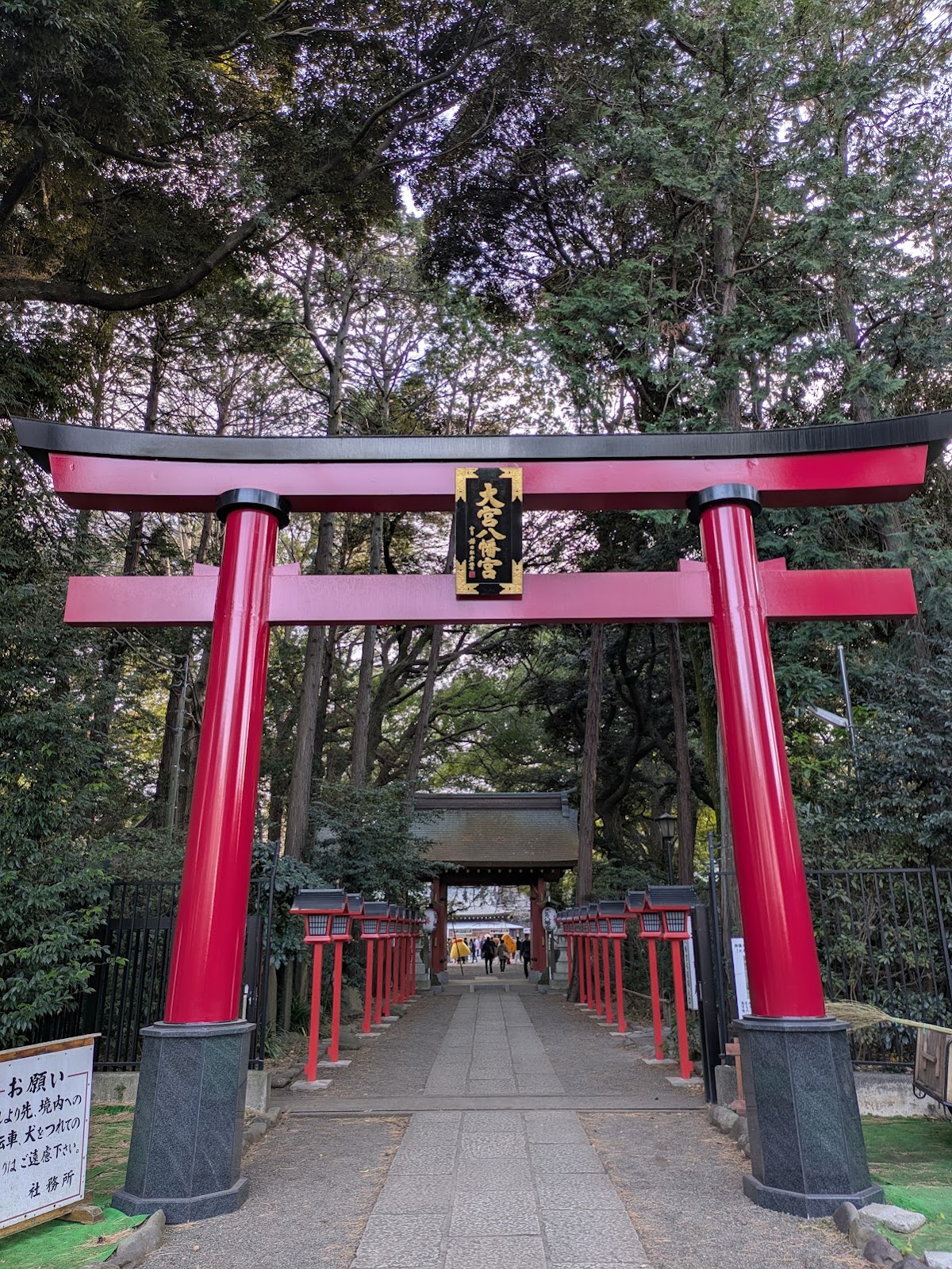
- Bow before passing through the torii gate.
- Avoid walking in the center of the path to the shrine. (The center is the path for the gods.)
- Purify your body and mind at the water basin.
- Bow twice, clap twice, and bow once in front of the main hall.
Attire for Visiting a Shrine
If you are receiving prayers, it is best to wear attire that is not too casual. Especially for formal visits such as prayers for safe childbirth or Shichi-Go-San (a traditional Japanese rite of passage for children), please dress appropriately.
Photography
Photography is generally permitted on the shrine grounds, but please refrain from taking pictures inside the main hall or during ceremonies. Also, please be considerate of other visitors.
Information about Seiryoden
For Shichi-Go-San photography, dressing, and costume rentals, please visit Seiryoden, located within the shrine grounds. We offer a full range of services to beautifully document your child’s special day.
Seiryoden Hall TEL: 03-3312-7515
For detailed plans and pricing, please contact us directly.
Summary of the Charms of Omiya Hachimangu Shrine
Omiya Hachimangu Shrine boasts a history of approximately 1000 years and remains a beloved shrine in modern times, known as the “navel of Tokyo” and the “Hachiman Shrine for Child-Rearing and Protection from Evil.”
Main Features of Omiya Hachimangu Shrine
- History: Founded in 1063 (Kohei 6), one of the three major shrines of Musashi Province
- Scale: The third largest shrine grounds in Tokyo’s 23 wards (approximately 15,000 tsubo)
- Divine Blessings: Safe childbirth, child-rearing, protection from evil and good fortune, matchmaking
- Location: The heart of Tokyo, “Tokyo’s Navel”
- Nature: Shrine forest designated as a Tokyo Metropolitan Natural Monument
- Historical Value: An ancient sacred site where Yayoi period ruins have been excavated
Reasons to Visit
- Particularly famous for prayers for safe childbirth and child-rearing
- A healing space surrounded by abundant nature despite being in the city center
- A sacred site attracting attention as a power spot
- A historical shrine associated with Minamoto no Yoriyoshi and his son Yoshiie
- Easily accessible (7-minute walk from Nishi-Eifuku Station)
Advice for Planning Your Visit
Recommended Time to Visit
Weekday mornings are recommended for a more relaxed visit. Especially on the Day of the Dog, weekends, and during the Shichi-Go-San season (November), crowds are expected, so please allow ample time for your visit.
Estimated Time Required
Allow approximately 30 minutes to 1 hour, including a stroll around the shrine grounds. If you plan to receive prayers, it’s advisable to allow an additional 30 minutes to 1 hour.
Enjoying the Seasons
- Spring: Beautiful fresh greenery makes for a refreshing visit.
- Summer: The lush green shrine grounds provide a cool respite.
- Autumn: Beautiful autumn foliage, and the annual festival is held.
- Winter: Experience a solemn atmosphere in the crisp air.
Summary
Omiya Hachimangu Shrine, located in Suginami Ward, Tokyo, is a historic shrine boasting a history of nearly 1000 years. Originating as one of the three great shrines of Musashi Province, “Tama no Omiya,” it is now widely known as “Tokyo’s Navel” and “Hachiman Shrine for Child-Rearing and Protection from Evil.”
It enshrines Emperor Ojin, Emperor Chuai, and Empress Jingu, and is believed to bestow blessings for safe childbirth, child-rearing, protection from evil and good fortune, and matchmaking. It is particularly popular for prayers for safe childbirth, attracting many visitors on the Day of the Dog.
Within its vast grounds of approximately 15,000 tsubo (about 50,000 square meters), the shrine boasts a sacred grove designated as a Tokyo Metropolitan Natural Monument, allowing visitors to experience abundant nature even in the heart of the city. The discovery of Yayoi period ruins proves its ancient sacredness, making it a popular power spot.
Its convenient location, just a 7-minute walk from Nishi-Eifuku Station on the Keio Inokashira Line, is another attractive feature. Please visit Omiya Hachimangu Shrine, where history, nature, and the faith of modern people merge. You will surely have a special time to refresh your mind and body.