Complete Guide to Omiya Shrines: A Thorough Explanation of the History, Deities, and Blessings of Omiya Shrines Nationwide
There are several shrines named “Omiya Shrine” throughout Japan. Each has its own unique history and beliefs, and has garnered deep reverence from local people. This article comprehensively introduces representative Omiya Shrines throughout Japan, providing useful information for visitors, including their historical background, enshrined deities, blessings, festivals, and access methods.
What is Omiya Shrine?: Origin of the Name and Nationwide Distribution
The name “Omiya” means “Great Palace,” and is a prestigious title given to shrines that are considered particularly important in a given area. Omiya Shrines are located throughout Japan, including in Yamaga City, Kumamoto Prefecture; Ujitawara Town, Kyoto Prefecture; Asahi Ward, Osaka City, Osaka Prefecture; Tokai City, Aichi Prefecture; Onjuku Town, Chiba Prefecture; and Izu Oshima, Tokyo.
Furthermore, Musashi Ichinomiya Hikawa Shrine in Saitama City, Saitama Prefecture, is known as the origin of the place name “Omiya” due to its grandeur, and is one of Japan’s oldest shrines, boasting a history of over 2400 years. It is scheduled to celebrate its 2500th anniversary in 2028 (Reiwa 10), attracting many worshippers from across the Kanto region.
Musashi Ichinomiya Hikawa Shrine: Origin of the Place Name Omiya
History and Origin
Musashi Ichinomiya Hikawa Shrine is an ancient shrine located in Omiya Ward, Saitama City, Saitama Prefecture, boasting a history of over 2400 years. Its magnificent shrine buildings and vast grounds earned it the nickname “Great Palace,” which became the origin of the place name “Omiya.” As the Ichinomiya (first-ranked shrine) of Musashi Province, it is a prestigious shrine that has attracted the faith of people throughout the Kanto region since ancient times.
Deities and Blessings
The main deities enshrined are Susanoo-no-Mikoto, Inada-hime-no-Mikoto, and Onamuchi-no-Mikoto. They are believed to offer a wide range of blessings, including matchmaking, marital harmony, protection from evil, and business prosperity. The shrine is bustling with over 2 million visitors during the New Year’s pilgrimage.
Highlights of the Shrine Grounds
The vast grounds, spanning approximately 30,000 tsubo (about 100,000 square meters), feature a sacred atmosphere with a path lined with centuries-old cedar trees. The magnificent shrine architecture, including the main gate, dance hall, and worship hall, is also a highlight. Numerous smaller shrines are also located within the grounds, allowing for a more in-depth visit.
Festivals and Annual Events
Starting with the New Year’s Festival on January 1st, a variety of festivals are held throughout the year, including the annual festival in May and the summer festival in August. Especially during the New Year’s visit period, it boasts one of the highest visitor numbers in the Kanto region, attracting many visitors.
Access
Approximately 15 minutes on foot from the East Exit of JR Omiya Station, or approximately 10 minutes on foot from Kita-Omiya Station on the Tobu Urban Park Line (Tobu Noda Line). Parking is available, making it possible to visit by car.
Omiya Shrine, Yamaga City, Kumamoto Prefecture: Stage of the Yamaga Lantern Festival
History and Origin
Omiya Shrine, located in Yamaga City, Kumamoto Prefecture, enshrines Emperor Keiko, the twelfth emperor of Japan, and has long been revered as the local guardian deity. It is said to be the site of Emperor Keiko’s temporary palace during his tour of Kyushu, and is a historical shrine with a tradition spanning over 600 years.
Deity and Blessings
The enshrined deity is Emperor Keiko. It is believed to offer blessings for national peace and security, military success, family safety, and business prosperity.
Yamaga Lantern Festival (Lantern Festival)
The most distinctive feature of Omiya Shrine is the “Yamaga Lantern Festival” (Grand Festival), held annually from August 15th to the early morning of the 17th. This festival boasts a tradition of over 600 years and attracts many worshippers from within and outside the prefecture. Various Shinto rituals and events are held, including the offering ceremony, the dedication of children’s lantern portable shrines, the ascending lanterns, and the descending lanterns. The thousand-person lantern dance is a particularly breathtaking sight.
Lantern Hall
The Lantern Hall, located within the shrine grounds, is the site of the legend of Emperor Keiko’s welcome. Yamaga lanterns dedicated at the Yamaga Lantern Festival are displayed here for a year. It is a valuable place to admire the exquisite Japanese paper craftsmanship of Yamaga lanterns up close.
Access
Approximately 20 minutes by car from the Kikusui Interchange on the Kyushu Expressway, or approximately 50 minutes from Kumamoto City via National Route 3. Approximately 40 minutes by bus from Tamana Station on the JR Kagoshima Main Line, then about 10 minutes on foot after getting off at Yamaga Bus Center.
Omiya Shrine, Ujitawara Town, Kyoto Prefecture: The Center of the Tawara Festival
History and Origin
Omiya Shrine, located in Ujitawara Town, Tsuzuki District, Kyoto Prefecture, is said to have been relocated from Futatsuguri Tenjin Shrine to this site by imperial decree in June of the first year of the Hoki era (770 AD) under Emperor Konin. It is a shrine with a long history, serving as the tutelary shrine for both the Araki and Gounokuchi districts.
Deities and Blessings
The current deities enshrined are Amaterasu Omikami, Onamuchi no Mikoto, and Ninigi no Mikoto. It is believed to bestow blessings such as abundant harvests, family safety, and business prosperity.
Tahara Festival (Sanja Matsuri)
Omiya Shrine is one of the three shrines that make up the “Tahara Festival (Sanja Matsuri)” in Ujitawara Town. This festival is an important traditional event in the region and attracts many worshippers every year.
Access
From JR Nara Line Uji Station or Keihan Uji Line Uji Station, take the Keihan Uji Bus bound for “Ichumae” or “Kogyodanchi” for approximately 20 minutes, get off at “Araki” bus stop, and walk for about 5 minutes.
Omiya Shrine, Asahi Ward, Osaka City, Osaka Prefecture
History and Origin
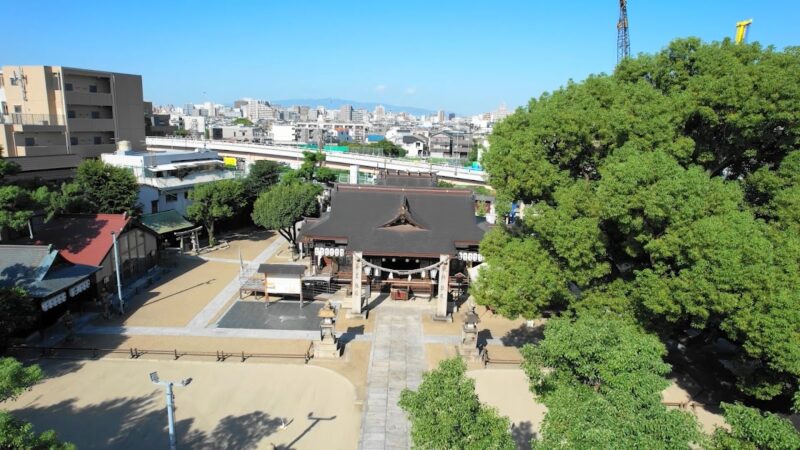
Omiya Shrine, located in Asahi Ward, Osaka City, Osaka Prefecture, is a shrine that has been revered as the local guardian deity for a long time. Despite being located in an urban area, it has a quiet and peaceful grounds and serves as a spiritual center for local residents.
Deities and Blessings
As a guardian deity of the region, it is believed to offer blessings for family safety, protection from evil, and business prosperity.
Various Prayers and Rituals
We perform various prayers and rituals for important life events such as a baby’s first shrine visit, Shichi-Go-San (7-5-3) festival, exorcism, and weddings. The shrine is bustling with families during the Shichi-Go-San season.
Access
Approximately a 5-minute walk from Senbayashi-Omiya Station on the Osaka Metro Tanimachi Line, or approximately a 10-minute walk from Senbayashi Station on the Keihan Main Line.
Omiya Shrine, Tokai City, Aichi Prefecture: The Sacred Thousand-Year-Old Camphor Tree
History and Origin
Omiya Shrine, located in Tokai City, Aichi Prefecture, is a shrine with a long history as the local tutelary deity.
Sacred Tree: The Thousand-Year-Old Camphor Tree
The most distinctive feature of Omiya Shrine is the gigantic camphor tree on its grounds, said to be approximately 1,000 years old. It boasts a magnificent scale, with a trunk circumference of approximately 10m, a branch spread of 21.8m east-west, 23.7m north-south, and a height of approximately 12m. The trunk has a large hollow, and inside there is a small shrine where “Kusunoki-ō Dairyūjin” (Kusunoki Great Dragon God) is enshrined. This sacred tree is designated as a natural monument by the city, and many worshippers visit it.
Benefits
It is believed that the sacred tree’s spiritual power brings benefits such as longevity, good health, and family safety.
Access
Approximately 15 minutes on foot from Ōtagawa Station on the Meitetsu Tokoname Line, or immediately after getting off at the “Ōmiya Jinja-mae” bus stop on the Chita Bus.
Ōmiya Shrine, Onjuku Town, Chiba Prefecture: A Mysterious Photo Spot
History and Origin
Ōmiya Shrine, located in Onjuku Town, Isumi District, Chiba Prefecture, is a shrine managed by multiple entities and does not have a resident priest, but it is known as a mystical space.
Features of the Shrine Grounds
The shrine grounds, enveloped in silence, are highly regarded by worshippers as a place where one can feel refreshed and cleansed. The sight of the shrine buildings floating in the mist is particularly fantastical and is a popular photo spot. ### Access
Approximately 20 minutes on foot or 5 minutes by car from Onjuku Station on the JR Sotobo Line.
Omiya Shrine, Izu Oshima, Tokyo: A Tradition of an Engishiki-Listed Shrine
History and Origin
Located at the northern end of the Nomashi district in Oshima Town, Tokyo, Omiya Shrine is a historically significant shrine identified as the “Ajiko Shrine” listed in the Engishiki Jinmyocho (a nationwide list of shrines compiled in 927). It was formerly located in the mountains known as Ajiko, south of the Nomashi settlement, and was later moved to its current location.
Deity
The enshrined deity is said to be Ajiko-no-Mikoto, the eldest son of “Habu no Ogo,” one of the consorts of Mishima Daimyojin, who appears in the “Mishima Daimyojin Engi” (Legend of Mishima Daimyojin).
Approach and Grounds
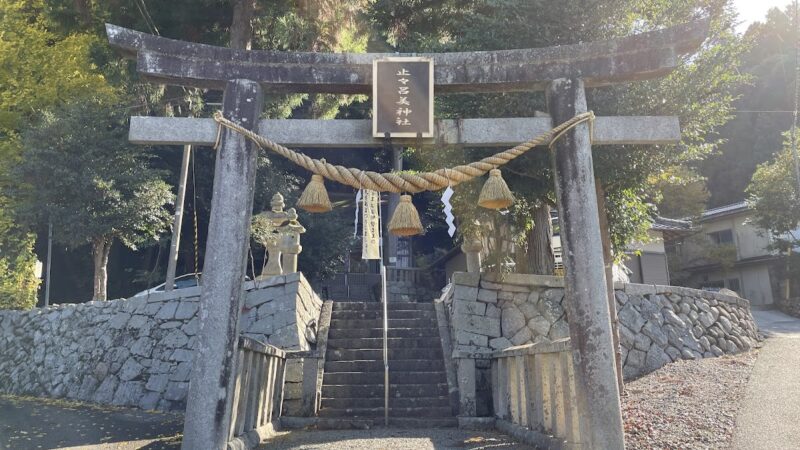
The first torii gate stands facing the Oshima Island Ring Road, from which the approach continues. You can visit the shrine peacefully in a quiet precinct surrounded by the island’s nature.
Access
It’s right next to the “Omiya Shrine” bus stop on the Oshima Bus. It’s about a 15-minute drive from Motomachi Port and about a 10-minute drive from Okada Port.
Manners and Etiquette for Visiting Omiya Shrine
Basic Worship Etiquette
- Bow Before Passing Through the Torii Gate: Before entering the shrine grounds, bow before the torii gate. Walk away from the center of the path.
- Purify at the Water Basin: Purify your hands and mouth at the water basin. Purify your left hand, then your right hand, then your mouth, and finally your left hand.
- Worship at the Main Hall: Quietly place your offering in the offering box, ring the bell, and worship using the two bows, two claps, and one bow ritual.
Receiving Prayers
If you wish to receive any type of prayer, it is recommended that you inquire in advance by phone or email. Prayers for occasions such as a baby’s first shrine visit, Shichi-Go-San (a traditional rite of passage for children), exorcism, and weddings may require reservations.
Issuance of Goshuin (Shrine Seals) and Amulets
Many Omiya Shrines offer Goshuin (shrine seals). Bring your Goshuincho (seal book) and politely request one at the shrine office. Amulets and other items are also available.
Annual Events and Festivals at Omiya Shrines
Major Annual Events
The following annual events are held at Omiya Shrines throughout Japan.
- January 1st: Saitansai (New Year’s Day Festival)
- February Setsubun: Setsubun Festival (bean-throwing, etc.)
- Spring Festival: Varies by shrine
- Summer Festival: July-August (Yamaga Lantern Festival, etc.)
- Autumn Festival: Varies by shrine
- November: Shichi-Go-San (7-5-3 Festival)
- December 31st: Oharai Ceremony, Joya Festival
Special Festivals
Each Omiya Shrine has its own unique traditional festivals. Festivals deeply connected to local culture, such as the Yamaga Lantern Festival in Yamaga City and the Tahara Festival in Ujitawara Town, attract many worshippers.
Weddings and Life Rituals at Omiya Shrines
Shinto Weddings
Many Omiya Shrines offer traditional Shinto wedding ceremonies. Experience ancient Japanese wedding rituals in a solemn atmosphere. If you wish to hold a wedding ceremony, reservations are required several months in advance.
First Shrine Visit and Shichi-Go-San Ceremony
The first shrine visit to celebrate a baby’s birth and Shichi-Go-San, celebrating a child’s growth, are representative life rituals performed at Omiya Shrine. The shrine grounds are particularly bustling with families during the Shichi-Go-San season (October to November).
Exorcism Prayer
Exorcism prayers for those reaching their unlucky years are also an important ritual at Omiya Shrine. Many worshippers visit to receive divine protection at important life milestones.
On-site Ceremonies and Various Prayer Services
Many Omiya Shrines offer not only ceremonies at the shrine but also on-site ceremonies. Shinto priests will travel to perform ceremonies for various occasions, such as ground-breaking ceremonies, roof-raising ceremonies, new house ceremonies, office opening ceremonies, and safety prayer ceremonies. If you wish to request an on-site ceremony, you can consult with the shrine by phone or email in advance.
How to Contact Omiya Shrine
Telephone Inquiries
For reservations for prayers, confirmation of festival dates, and requests for off-site ceremonies, telephone inquiries are the most reliable method. Please contact the phone number listed on each Omiya Shrine’s official website.
Email Inquiries
Many Omiya Shrines now have official websites and accept email inquiries. Sending detailed questions and consultations via email in advance will ensure a thorough response.
Information Dissemination via Social Media
Some Omiya Shrines use official Twitter, Instagram, and Facebook accounts to post news and announcements. You can obtain timely information such as festival schedules and the appearance of the shrine grounds.
Exploring and Highlights of Omiya Shrine Grounds
Pre-Visit Check with Indoor View
Some Omiya Shrines allow you to check the grounds in advance using Google Maps’ Indoor View function. Understanding the grounds before your visit will make your visit smoother.
Photography Etiquette on Shrine Grounds
Photography is generally permitted on the shrine grounds, but please remember that it is a sacred place and be considerate of other visitors. It is considered good manners to refrain from taking photographs during Shinto rituals such as weddings.
Summary: Finding Peace of Mind Through a Visit to Omiya Shrine
Omiya shrines, located throughout Japan, each possess their own unique history and tradition, and have served as centers of faith for local people. From Musashi Ichinomiya Hikawa Shrine, with its history spanning over 2400 years, to the Yamaga Lantern Festival boasting over 600 years of tradition, and the Omiya Shrine on Izu Oshima Island, which holds the status of an Engishiki-listed shrine, each Omiya shrine has its own unique and fascinating characteristics.
We hope that visitors will use the history, enshrined deities, blessings, and access information introduced in this article as a reference and visit an Omiya shrine near them. By finding peace of mind in the tranquil grounds and offering gratitude and prayers to the gods, you will find new vitality and peace in your daily life.
Each Omiya Shrine warmly welcomes visitors for life’s milestones, from New Year’s visits, Shichi-Go-San (a traditional rite of passage for children), and weddings, to daily prayers. The priests and shrine maidens are also very helpful, providing detailed guidance and explanations, so please don’t hesitate to ask if you have any questions.
With the arrival of the Reiwa era, many Omiya Shrines are now providing modern information through their websites and social media. We recommend checking the official website before your visit to confirm the dates of festivals and special events.
We sincerely hope that your visit to Omiya Shrine will be a fulfilling and enriching experience.