Complete Guide to Onzanji Temple | History, Highlights, and Access Information for the 18th Temple of the Shikoku Pilgrimage
Nestled in the lush mountains of Komatsushima City, Tokushima Prefecture, Onzanji Temple is the 18th temple of the Shikoku 88 Temple Pilgrimage and is beloved by many pilgrims. This temple, also known as Boyozan Hojuin, is famous for the moving story of Kobo Daishi Kukai inviting his mother, Tamayori Gozen, to the temple to show him filial piety, and holds special significance as the “Temple of Mother.”
This article provides a detailed explanation of Onzanji Temple, from its historical background and highlights to how to worship, annual events, and access information. This information will be useful not only for those planning a Shikoku pilgrimage but also for anyone interested in historical temples in Tokushima Prefecture.
History and Origins of Onzanji Temple
History of its Founding
Several legends remain regarding the founding of Onzanji Temple. According to the most widely accepted theory, it was founded by the Nara period high priest Gyoki Bodhisattva at the behest of Emperor Shomu. Gyoki himself carved a statue of Yakushi Nyorai (Medicine Buddha) for protection against misfortune, making it the principal image, and initially named the temple “Dainichizan Fukushoin Mitsugonji.” During this period, the temple functioned as a place of prayer for the removal of calamities from people.
On the other hand, there is also a legend that Kobo Daishi Kukai himself founded the temple. In any case, there is no doubt that this temple has played an important role as a place of worship since ancient times.
The Story of Kobo Daishi and His Mother, Tamayori Gozen
The background to Onzanji Temple becoming known as the “Mother’s Temple” lies in the deep bond between Kobo Daishi and his mother. In 807 AD, during the reign of Kobo Daishi, who had returned from Tang China, while he was practicing asceticism in Shikoku, his mother, Tamayori Gozen, traveled all the way from Zentsu-ji Temple in Sanuki Province (present-day Kagawa Prefecture) to visit him.
At that time, the precepts prohibiting women from entering Buddhist temples were strictly observed, but Kobo Daishi decided to welcome his mother into the temple. It is said that he spent time with his mother there, devoted himself to filial piety, and subsequently changed the temple’s name to “Boyōzan Onzan-ji” (Mother’s Mountain Onzan Temple). This anecdote continues to touch the hearts of many, illustrating Kobo Daishi’s character in balancing Buddhist practice with the humane act of filial piety.
Tamayori Gozen’s Hair-Shaving Place
Within the temple grounds is a place called “Tamayori Gozen’s Hair-Shaving Place,” where Kobo Daishi’s mother is said to have shaved her head and entered the Buddhist priesthood. A small shrine dedicated to Tamayori Gozen now stands at this site, and visitors continue to flock to the temple to commemorate the bond between mother and son. ### Restoration and Transformation
Records indicate that the temple was restored in 1318 (Bunpo 2) during the Kamakura period by Genku. Over time, it underwent repeated repairs and maintenance, leading to its current form. During the Edo period, the Shikoku pilgrimage culture flourished, and Onzanji Temple developed as an important pilgrimage site, welcoming many pilgrims.
Highlights and Grounds Guide of Onzanji Temple
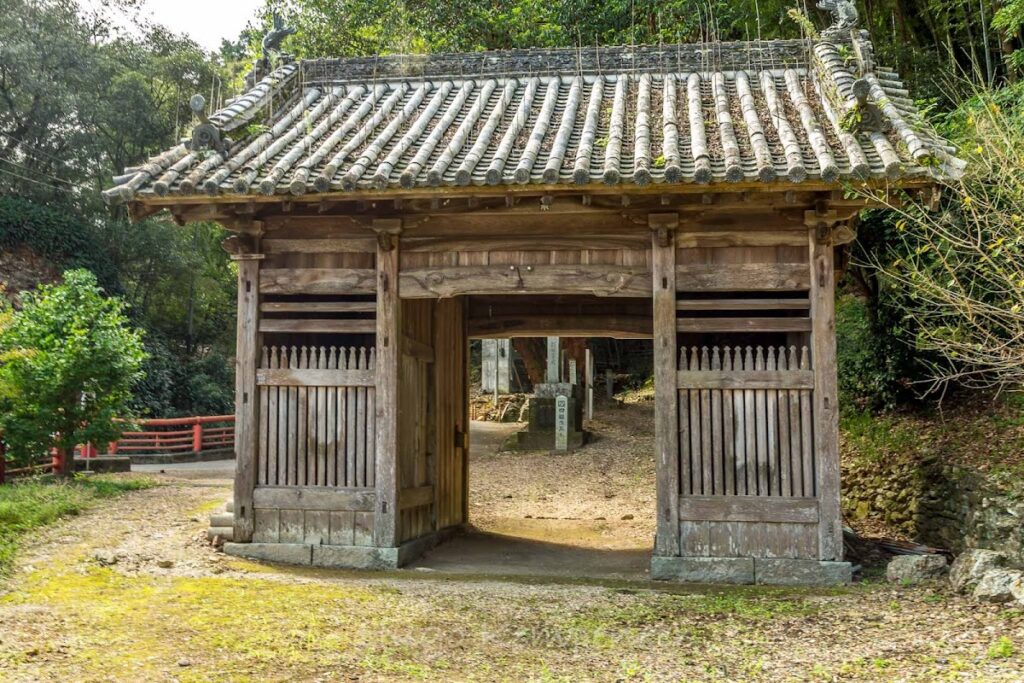
Temple Gate and Approach
Onzanji Temple is located on the hillside of a small mountain in the suburbs of Komatsushima City and is designated as a prefectural scenic area. Upon passing through the temple gate, a stone staircase leading to the main hall appears before you. The approach, surrounded by ancient trees, is known as a place where you can enjoy the beauty of nature throughout the seasons.
Especially in spring, beautiful cherry blossoms bloom at the entrance to Onzanji Temple, attracting many tourists and photography enthusiasts. In the season of fresh greenery, the path is enveloped in refreshing green, and in autumn, the autumn leaves color the approach to the temple. The time spent calming your mind as you climb the stone steps one by one will be a precious experience, a respite from the hustle and bustle of modern life.
Main Hall (Yakushi-do)
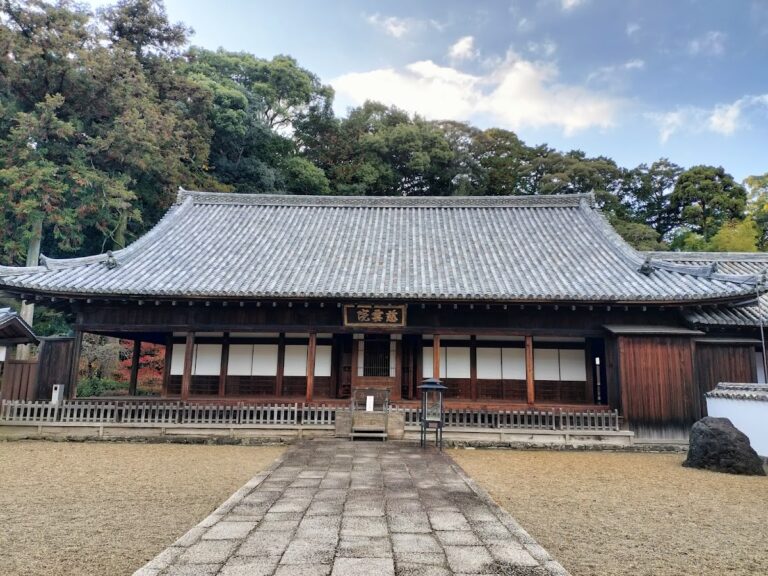
Located at the top of the stone steps is the Main Hall, where the principal image, Yakushi Nyorai (Medicine Buddha), is enshrined. This Yakushi Nyorai, said to have been carved by Gyoki, has long been revered as a Buddha of healing and protection against misfortune.
Inside the Main Hall, worshippers perform sutra offerings and chanting. Following the tradition of the Shikoku Pilgrimage, they chant the Heart Sutra and offer prayers to the principal image, praying for purification of mind and body and good health. The solemn atmosphere inside the hall provides deep peace to visitors.
Daishi-do
Before the Main Hall is the Daishi-do, where Kobo Daishi Kukai is enshrined. This is a particularly important place of worship for pilgrims, a place to express gratitude to Kobo Daishi and pray for safety on their journey. In front of the Daishido Hall is a stone monument and a small shrine marking the “Daishi Mother’s Hair-Shaving Place,” indicating the spot where Tamayori Gozen had her head shaved. Praying here evokes a deep sense of the mother-child bond and gratitude towards one’s parents.
The Water of the Staff
Onzanji Temple has a legend about a sacred spring called “The Water of the Staff.” The legend says that when Kobo Daishi struck the ground with his staff for his mother, pure water gushed forth. This water continues to flow without drying up, and visitors can drink it freely.
The sacred water is believed to bring healing from illness and promote longevity, and many visitors fill up bottles to take home. It is especially cherished by those praying for their parents’ health, as it symbolizes filial piety.
The Natural Environment of the Temple Grounds
The grounds of Onzanji Temple are designated as a prefectural scenic area, protecting its rich natural environment. The temple grounds are dotted with ancient trees, some estimated to be hundreds of years old, and the pleasant chirping of wild birds fills the air.
The cherry blossoms in spring, the fresh greenery in early summer, and the autumn leaves are particularly magnificent, offering different expressions throughout the seasons. The opportunity to worship in harmony with nature is one of the great charms of Onzanji Temple.
How to Worship and Etiquette at Onzanji Temple
Basic Worship Procedure
There are traditional customs for visiting the 88 temples of the Shikoku Pilgrimage. At Onzanji Temple, it is common to worship in the following order:
- A Bow at the Temple Gate: Before entering the temple grounds, bow at the temple gate to compose yourself.
- Purification at the Water Basin: Cleanse your hands and mouth to purify yourself.
- Ringing the Bell at the Bell Tower: Ring the bell once to announce your arrival (do not ring it on your return).
- Visiting the Main Hall: Place your votive slip, offer a monetary donation, and offer candles and incense. Afterward, recite sutras such as the Heart Sutra.
- Visiting the Daishi Hall: Visit the hall using the same procedure as the main hall.
- Receiving a Goshuin (Temple Seal) at the Sutra Office: Receive a Goshuin in your pilgrimage book as proof of your visit.
Sutra Offering and Goshuin
At Onzanji Temple’s sutra office, you can receive a Goshuin in your pilgrimage book and an Omie (a sacred image). The usual offering fee is 300 yen, and the Omie is 200 yen. Calligraphy on hanging scrolls and white robes is also available.
The Goshuin features the calligraphy of “Yakushi Nyorai” (Medicine Buddha) and the red seal of Onzanji Temple. This Goshuin will become a precious memory of your Shikoku pilgrimage and a lifelong treasure as proof of your pilgrimage.
Visiting Hours and Sutra Copying Hours
While entry to the temple grounds is generally free, the sutra copying office is open from 7:00 AM to 5:00 PM. Visiting outside these hours is possible, but you will not be able to receive a goshuin (temple stamp), so planned visits are recommended.
Annual Events at Onzanji Temple
Major Ceremonies and Events
Onzanji Temple holds various ceremonies and events throughout the year.
Hatsumode (January 1st-3rd): The temple is bustling with visitors praying for happiness and health in the new year.
Setsubun-e (around February 3rd): A ceremony for warding off evil is held, along with events such as bean-throwing.
Spring Grand Festival (April): The spring grand festival is held to coincide with the cherry blossom season.
Odaishi-sama Day (21st of each month): A memorial service is held to commemorate the monthly anniversary of Kobo Daishi’s death.
Autumn Grand Festival (October): A memorial service is held to give thanks for the autumn harvest.
Special Prayers
Onzanji Temple also accepts individual prayers. You can request prayers for various wishes, such as recovery from illness, family safety, traffic safety, and academic success. Especially known as a “mother’s temple,” many prayers are received for the health and longevity of mothers.
Access Information to Onzanji Temple
Location and Contact Information
Address: 40 Onzanji-dani, Tano-cho, Komatsushima City, Tokushima Prefecture 773-0008
Phone: 0885-33-1218
Access by Car
From Tokushima Expressway:
- Approximately 30 minutes from Tokushima IC via National Route 55
- Approximately 10 minutes from Komatsushima city center via prefectural roads
Parking: Free parking is available on the temple grounds, accommodating approximately 30 regular cars. There is parking space available for large buses. However, since you will need to drive up a mountain road, caution is required when driving.
Access by Public Transportation
By JR:
- Get off at Minami-Komatsushima Station on the JR Mugi Line, then take a taxi for about 10 minutes (about 40 minutes on foot).
- From Tokushima Station on the JR Line, take a taxi for about 40 minutes.
By Local Bus: The Komatsushima City Community Bus operates, but the number of buses is limited, so it is recommended to check the timetable in advance.
For Pilgrimage on Foot
From the previous temple, Temple No. 17, Idoji, it is about 16 kilometers, a walk of about 4 hours. To the next temple, Temple No. 19, Tatsueji, it is about 4 kilometers, a walk of about 1 hour.
The approach to Onzanji is a mountain path, so it is important for pilgrims walking to plan their trip with ample physical stamina. Especially in summer, it is recommended to stay well-hydrated and walk at a comfortable pace.
Nearby Tourist Attractions
Highlights of Komatsushima City
When visiting Onzanji Temple, you can also visit other tourist attractions in Komatsushima City.
Komatsushima Station Park: A park utilizing the site of the former Komatsushima Station, featuring a steam locomotive exhibit and playground equipment, popular with families.
Kincho Shrine: A shrine known for its legend of tanuki (raccoon dogs), believed to bring good fortune in business and family safety.
Komatsushima Port: A port where fresh seafood is landed, with many seafood restaurants in the surrounding area.
Nearby Pilgrimage Sites
If you continue your Shikoku Pilgrimage, you will also visit the temples before and after Onzanji Temple.
Temple No. 17, Idoji Temple: Known for its “Well of Remembrance,” it contains a well said to have been dug by Kobo Daishi.
Temple No. 19, Tatsueji Temple: Known as the “General Checkpoint of Shikoku,” this temple is known for its strict spiritual power.
Etiquette and Manners for Visiting Onzanji Temple
Clothing and Items to Bring
There are no specific dress code requirements for visiting the temple, but modest attire is preferred. Some visitors wear full pilgrimage attire, while others wear everyday clothes.
Recommended Items:
- Nokyocho (pilgrimage stamp book) or Goshuincho (stamp book)
- Osamue (offering slips)
- Prayer beads
- Sutra book (e.g., Heart Sutra)
- Offering money
- Candles and incense (can be purchased on the temple grounds)
Since you will be walking on mountain paths, comfortable walking shoes are essential. Also, prepare appropriate winter clothing and sun protection for the season.
Photography Etiquette
Photography is generally permitted on the temple grounds, but consideration for the privacy of those inside the main hall and other visitors is necessary. Photography should be avoided, especially during chanting or prayers. Flash photography should also be avoided, as it may damage the Buddha statues and buildings.
Respect for Silence
Onzanji Temple is a place of prayer and meditation. Please refrain from loud conversations and noisy behavior, and strive to maintain a quiet atmosphere. It is considered good manners to set mobile phones to silent mode and to make calls outside the temple grounds.
The Cultural Value of Onzanji Temple
Part of the “Shikoku Pilgrimage” Japan Heritage Site
Onzanji Temple is registered as one of the part of the “Shikoku Pilgrimage” Japan Heritage Site, certified by the Agency for Cultural Affairs. The Shikoku 88 Temple Pilgrimage, with its history of over 1200 years, is an important symbol of Japanese spiritual culture.
Preservation of Local Culture
Onzanji Temple plays an important role in conveying the history and culture of the region to the present day. The cooperation of local residents is essential for the maintenance and management of the temple, and the entire community supports the temple through activities such as cleaning and the operation of festivals.
The Significance of Visiting Onzanji Temple
A Place to Reaffirm Gratitude Towards Parents
The most distinctive feature of Onzanji Temple is its character as a “mother’s temple.” The story of Kobo Daishi’s devotion to his mother and his filial piety deeply moves us living in modern times. Visiting this temple will allow you to reaffirm the gratitude you often forget towards your parents amidst the hustle and bustle of daily life.
Healing and Purification of the Soul
The tranquil mountain environment, beautiful nature, and the atmosphere of this temple with its long history have the power to heal and purify the hearts of visitors. You can be freed from the stresses of modern society and have time to reflect on yourself.
Spiritual Deepening of the Shikoku Pilgrimage
Onzanji Temple holds special significance in the Shikoku 88 Temple Pilgrimage. The themes of parent-child bonds and the importance of filial piety greatly contribute to the spiritual deepening of the pilgrimage. The experience at this temple will have a positive impact on the rest of your pilgrimage.
Summary
Onzanji Temple, the 18th temple on the Shikoku 88 Temple Pilgrimage, has attracted the faith of people for over 1200 years. The moving story of Kobo Daishi spending time with his mother, Tamayori Gozen, and devoting himself to filial piety, makes this temple a special place known as the “Temple of Mother.”
The temple grounds, nestled in lush green mountains, offer numerous attractions, including the main hall with Yakushi Nyorai as its principal deity, the Daishi Hall dedicated to Kobo Daishi, and the sacred spring known as “Otsuzue no Mizu” (Water of the Staff). Visitors can also enjoy the natural beauty of the four seasons, especially the cherry blossoms in spring, which captivate many.
Access from Komatsushima City in Tokushima Prefecture is relatively good, and it can be visited by car or public transport. For those walking the Shikoku pilgrimage, its convenient distance from the preceding and succeeding temples makes it an important base on the pilgrimage route.
Onzanji Temple, where you can reaffirm your gratitude to your parents and the importance of family bonds, is not just a tourist spot, but a special place that brings spiritual growth and healing. If you have the opportunity to visit Shikoku, be sure to visit Onzanji Temple and reflect on the deep bond between Kobo Daishi and his mother. That experience will surely bring new insights to your life.