Complete Guide to Jōrokuji Temple: A Thorough Explanation of History, Highlights, and Access Information
Jōrokuji is a name for a venerable temple found throughout Japan, each with its own unique history and culture. This article provides a comprehensive explanation for those considering a visit or interested in Buddhist culture, covering everything from the origin of the name to the characteristics, historical background, cultural assets, and visiting information of major Jōrokuji temples nationwide.
What is Jōrokuji?: Origin and Meaning of the Temple Name
The name “Jōrokuji” originates from the Buddhist term “Jōroku.” Jōroku is a unit of measurement for the size of a Buddha statue, referring to a height of 16 shaku (approximately 4.85 meters). This is the height attributed to Shakyamuni Buddha, and Jōroku Buddha statues have been highly revered as objects of worship since ancient times.
Temples bearing the name Jōrokuji often derive their name from the fact that they enshrined a Jōroku Buddha as their principal image. The existence of temples named Jōroku-ji throughout Japan is evidence of the widespread popularity of this Jōroku Buddha belief.
Major Jōroku-ji Temples Nationwide
While there are several Jōroku-ji temples throughout Japan, we will introduce some of the most famous ones.
Jōroku-ji Temple in Tokushima City, Tokushima Prefecture
Located in Tokushima City, Tokushima Prefecture, Jōroku-ji Temple is known as the 17th temple of the Shikoku 88 Temple Pilgrimage. Its official name is “Rurizan Shinfukuin Idoji,” but it is affectionately known as Jōroku-ji Temple by locals.
This temple is said to have been founded by Gyōki Bodhisattva at the behest of Emperor Shōmu, and boasts a history of approximately 1300 years. Many cultural assets are preserved within the temple grounds, including the Kannon-dō (Kannon Hall), which is designated as a National Important Cultural Property.
Jōroku-ji Temple in Nagoya City, Aichi Prefecture
There is also a Jōroku-ji Temple in Nagoya City, Aichi Prefecture. This is a Sōtō Zen temple and has long been a place of worship for the local community. Jōroku-ji Temple in Nagoya, despite being located in an urban area, maintains a tranquil atmosphere and serves as a spiritual haven for local residents.
Jōroku-ji Temples in Other Regions
Temples named Jōroku-ji are scattered throughout other regions, including Fukuoka Prefecture and Osaka Prefecture. Each is closely intertwined with the history of its region and has developed its own unique culture.
History and Cultural Background of Jōroku-ji Temples
Transition from Ancient to Medieval Times
Many Jōroku-ji temples were founded during the Nara and Heian periods. This was a time when Buddhism received national protection, and temples were built throughout the country. Many temples, in particular, have founding traditions attributed to high-ranking priests such as Gyōki Bodhisattva and Kūkai (Kōbō Daishi).
In the medieval period, with the rise of the samurai class, Jōroku-ji temples deepened their ties with the samurai. Many temples were caught in the ravages of war during the Sengoku period, but they were rebuilt during the Edo period, leading to their current form.
From the Early Modern Period to the Present
During the Edo period, with the establishment of the danka system (parishioner system), Jōroku-ji temples came to play a central role in the local community. Although there were difficult times during the anti-Buddhist movement after the Meiji Restoration, many temples survived thanks to the support of local residents.
In modern times, in addition to their role as religious facilities, they occupy an important position as cultural property protectors, community spaces, and tourist resources.
Architectural Styles and Highlights of Jōroku-ji Temples
Traditional Buddhist Architecture
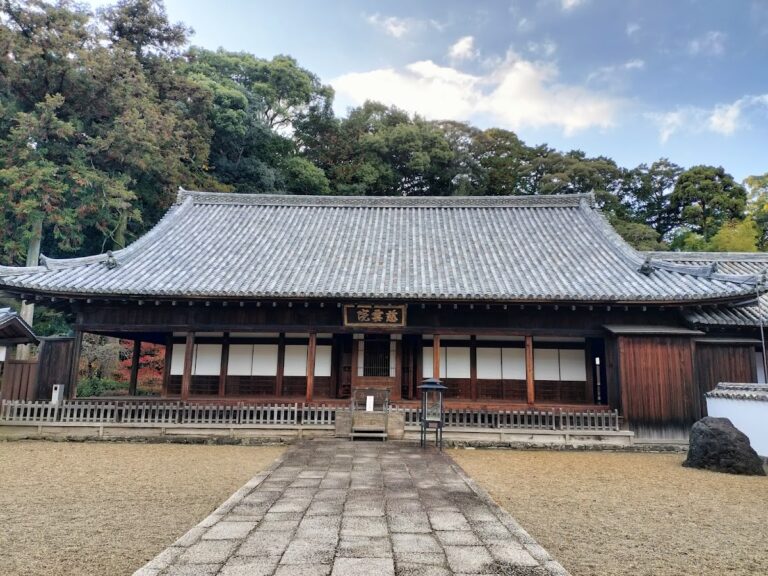
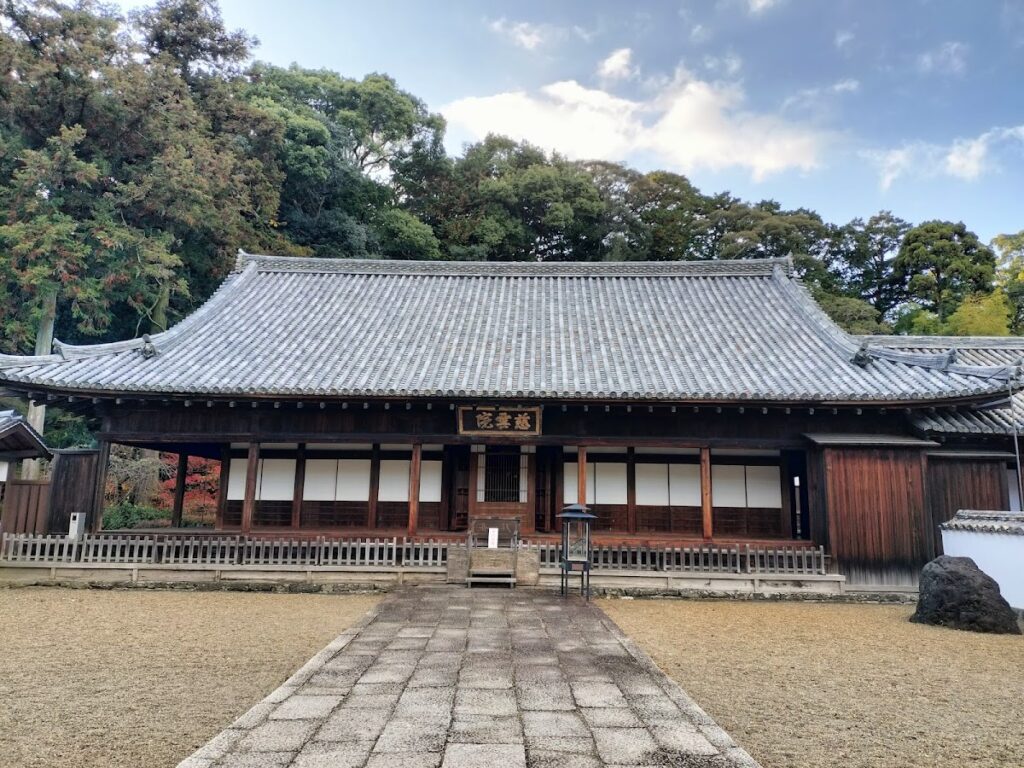
The architectural style of Jōroku-ji temples varies depending on the founding period and sect, but many possess characteristics of traditional Japanese Buddhist architecture. The layout of the temple complex, including the main hall, main gate, bell tower, and living quarters, is influenced by Zen and Japanese architectural styles.
Of particular note is the principal image enshrined in the inner sanctuary of the main hall. As the name Jōroku-ji suggests, many temples once enshrined Jōroku-butsu (large Buddha statues), and some temples continue this tradition today.
Gardens and Natural Environment
Many Jōroku-ji temples have beautiful gardens. While the styles are diverse, including dry landscape gardens and pond gardens, all express the spirit of Zen and Pure Land Buddhism.
The trees within the temple grounds are also a highlight. Hundreds of years old trees and seasonal flowering plants delight visitors. The cherry blossoms in spring, the fresh greenery in early summer, the autumn leaves, and the snowscapes in winter each possess their own unique charm.
Cultural Properties and Treasures of Jōroku-ji Temple
Nationally and Prefecturally Designated Cultural Properties
Jōroku-ji Temple preserves numerous buildings, Buddhist statues, paintings, and calligraphic works designated as cultural properties by the national and local governments.
Buildings include the main hall and temple gate, built during the Muromachi and Edo periods, which are designated as Important Cultural Properties. These are valuable legacies that convey the architectural techniques and aesthetic sensibilities of that time.
Buddhist Statues include many wooden Buddhist statues created during the Heian and Kamakura periods. The Jōroku-ji Temple features a large Buddha statue, as well as statues of Kannon Bodhisattva and Fudo Myoo, among others, which are objects of worship.
Temple Treasures and Traditions
Many temple treasures, even those not designated as cultural properties, possess historical and artistic value. Calligraphy and paintings collected by successive chief priests, crafts donated by parishioners, and items related to the temple’s founding all tell the story of the temple’s history.
Annual Events and Ceremonies at Jōroku-ji Temple
Major Annual Events
Jōroku-ji Temple holds various Buddhist ceremonies throughout the year.
In New Year’s, the Shūshō-e ceremony is held to pray for peace in the new year. Many temples are bustling with worshippers visiting for the first shrine visit of the year.
In Spring, the Hanamatsuri (Buddha’s Birthday) ceremony is held to celebrate the birth of Shakyamuni Buddha. Also, ancestral memorial services are held during the spring equinox.
Summer is the most important event, with the Obon festival (Urabon-e). It is a traditional Buddhist ceremony to welcome and honor the spirits of ancestors.
Autumn includes the autumn equinox memorial service, and some temples also hold cultural events such as moon-viewing parties.
Winter commemorates the enlightenment of Buddha with the Jōdō-e festival, and the year concludes with the ringing of the temple bells on New Year’s Eve.
Special Ceremonies and Unveilings
Once every few years, or even every few decades, special ceremonies and unveilings of hidden Buddha statues are held. These are important milestones for the temple and attract many visitors.
How to Visit and Manners at Jōroku-ji Temple
Basic Etiquette for Visiting
When visiting Jōroku-ji Temple, it is important to observe basic temple etiquette.
- A Bow at the Temple Gate: Before entering the temple grounds, bow at the temple gate. This is a sign of respect when entering a sacred area.
- Purification at the Water Basin: If there is a water basin, purify your hands and mouth.
- Worship at the Main Hall: Join your hands in prayer in front of the main hall and offer your prayers quietly. If you offer a monetary donation, do so quietly.
- Behavior on the Temple Grounds: Avoid speaking loudly or running around; maintain quiet and respectful conduct.
- Photography: Refrain from taking photos in areas where photography is prohibited. Also, be considerate of other visitors.
About Goshuin (Temple Seals)
Many Jōroku-ji temples offer Goshuin. Goshuin are proof of your visit and are popular as collectibles.
When receiving a Goshuin, bring your Goshuincho (stamp book) and request it respectfully. Having the Goshuin fee (usually around 300 yen) ready will make the process smoother. At Jōroku-ji temples, part of the Shikoku 88 Temple Pilgrimage, you can have your Goshuin recorded in your pilgrimage Goshuincho or Nokyōcho (sutra book). ## Seasons and Best Viewing Times at Jōroku-ji Temple
Spring at Jōroku-ji Temple
In spring, Jōroku-ji Temple is adorned with cherry blossoms and plum blossoms. Temples with particularly old cherry trees become magnificent spots for cherry blossom viewing. During the flower festival, a flower-decorated pavilion is set up, and visitors can experience the traditional ceremony of pouring sweet tea over the blossoms.
The best time to see the cherry blossoms is from late March to early April, attracting many worshippers and tourists.
Summer at Jōroku-ji Temple
Summer at Jōroku-ji Temple is appealing for its tranquil atmosphere, enveloped in deep greenery. Many people visit seeking respite from the heat, surrounded by the sound of cicadas.
During the Obon period, the Urabon-e memorial service is held, attracting many parishioners and worshippers to pay respects to their ancestors.
Autumn at Jōroku-ji Temple
Autumn is the season of autumn leaves. The maple and ginkgo trees on the temple grounds change color, creating a beautiful landscape. At Jōroku-ji Temple, especially with its garden, the harmony between the autumn foliage and the architecture is magnificent.
The best time to see the autumn leaves is often from mid- to late November, and some temples offer special viewings during this period.
Jōroku-ji Temple in Winter
Winter at Jōroku-ji Temple is a beautiful season with its snowy scenery. The temple grounds, especially when covered in snow, have a picturesque, ink-painting-like atmosphere.
The ringing of the temple bell on New Year’s Eve is a popular event that marks the end of the year. With the sound of the 108 bells, people cleanse themselves of worldly desires and welcome the new year.
How to Access Jōroku-ji Temple
Access to Jōroku-ji Temple in Tokushima City, Tokushima Prefecture
Public Transportation: Approximately 20 minutes by Tokushima City Bus or Tokushima Bus from JR Tokushima Station, get off at the “Jōroku-ji” bus stop, and it’s a short walk.
By Car: Approximately 15 minutes from the Tokushima IC on the Tokushima Expressway. Parking is available on the temple grounds or nearby.
Access to Jōroku-ji Temple in Nagoya City, Aichi Prefecture
Public Transportation: Walk or take a bus from the nearest station on the Nagoya Municipal Subway or Meitetsu Line. Specific access methods vary depending on the temple’s location.
By Car: Take the Nagoya Expressway to the city center from any exit. It is recommended to check parking availability in advance.
Jōroku-ji Temples in Other Regions
For access to Jōroku-ji Temples in other regions, please refer to the official information and tourist guides of each temple. Many temples provide the latest information on their websites and social media.
Tourist Attractions Around Jōroku-ji Temple
Around Jōroku-ji Temple in Tokushima
Jōroku-ji Temple, the 17th temple of the Shikoku 88 Temple Pilgrimage, is surrounded by other pilgrimage temples. You can follow the pilgrimage route to temples such as Kannon-ji Temple (16th temple) and Onzan-ji Temple (18th temple).
Furthermore, Tokushima City has tourist attractions such as Tokushima Castle Ruins, Awa Odori Hall, and Bizan Ropeway, which can be visited in conjunction with a visit to Jōroku-ji Temple.
Around Jōrokuji Temple in Nagoya
The area around Jōrokuji Temple in Nagoya City boasts numerous historical landmarks, including Nagoya Castle, Atsuta Shrine, and Ōsu Kannon Temple. There are also plenty of restaurants where you can enjoy Nagoya’s culinary culture.
Training Experience and Temple Lodging at Jōrokuji Temple
Zen Meditation Experience
Some Jōrokuji temples offer Zen meditation experiences for the general public. Zen temples, in particular, hold regular Zen meditation sessions, and even beginners can participate.
Zen meditation is a valuable opportunity to calm the mind and confront oneself. It allows you to escape the hustle and bustle of daily life and reflect on yourself in silence.
Sutra Copying and Buddha Image Copying Experience
Many temples also offer experiences in sutra copying (copying Buddhist scriptures) and Buddha image copying (drawing and copying Buddhist images). These practices are believed to enhance concentration and calm the mind.
Beginner-friendly instruction is available, so you can participate with confidence even without prior calligraphy experience.
Accommodation at Temple Lodgings
Some Jōroku-ji temples offer temple lodgings (shukubo). Staying at a temple lodging allows you to experience daily temple life, such as participating in morning services and enjoying vegetarian cuisine.
Especially at temples along the Shikoku 88 Temple Pilgrimage, many have well-equipped temple lodgings for pilgrims, making them valuable accommodation options.
Legends and Folktales Related to Jōroku-ji Temples
Legends Related to the Founding
Many Jōroku-ji temples have legends related to their founding. At temples said to have been founded by Gyōki Bodhisattva or Kōbō Daishi, stories of their miracles and teachings are passed down.
These legends are not merely folktales, but reflect the faith and respect of the local people for the temples.
Tales of Miracles and Miracles
Various tales of miracles are associated with the main image of worship and the Buddhist statues within the temple grounds of Jōroku-ji temples. Numerous accounts remain of people who were saved through faith, experiencing healing from illness, protection from disaster, and the fulfillment of their wishes.
These stories are recorded in the temple’s history and historical records, serving as valuable historical documents that tell the story of the faith’s history.
Preservation and Future Challenges of Jōroku-ji Temples
Cultural Property Protection Efforts
Many Jōroku-ji temples possess valuable cultural properties. Appropriate preservation and management are required to pass these on to future generations.
Various preservation projects are underway, including the restoration of buildings, the preservation of Buddhist statues, and the digitization of ancient documents. These projects rely on support from the national and local governments, as well as from parishioners, local residents, and general donors.
Depopulation and Succession Issues
Some Jōroku-ji temples in rural areas are facing difficulties in maintenance due to depopulation of their communities and a decline in parishioners. Furthermore, a shortage of successors for the head priest is a serious problem.
To address these challenges, efforts are being made to increase the number of temples where a single head priest oversees multiple temples (“concurrently serving temples”) and to strengthen ties with local communities.
Utilization as a Tourism Resource
Meanwhile, attempts are underway to utilize Jōroku-ji Temple as a tourism resource, balancing temple maintenance with regional revitalization. New forms of temple management are being explored, including special viewings, cultural events, and information dissemination through social media.
While maintaining its role as a traditional place of worship, Jōroku-ji Temple is expected to become a temple open to a wider audience.
Points to Note When Visiting Jōroku-ji Temple
Visiting Hours and Admission Fees
The visiting hours for Jōroku-ji Temple vary depending on the temple. Generally, it is from around 8:00 AM to 5:00 PM, but this may vary depending on the season and events.
Regarding admission fees, while entry to the temple grounds is free, there may be a fee to view the interior of the main hall or the treasure hall. It is recommended to check in advance.
Attire and Belongings
While no special attire is required for temple visits, it is considered polite to avoid revealing or flashy clothing. Especially when entering the main hall, consideration such as removing hats is expected.
Wearing comfortable shoes is also important. Temple grounds often consist of cobblestones and gravel paths, making high heels difficult to walk in.
Photography Precautions
While photography of the temple grounds is generally permitted, photography inside the main hall and of Buddha statues is usually prohibited. Even in areas where photography is allowed, remember to be considerate of other visitors.
Commercial photography and drone use require prior permission from the temple.
Summary: The Charm and Significance of Visiting Jōroku-ji Temple
Jōroku-ji Temple is not merely a tourist spot, but a sacred place that has attracted the faith of local people throughout its long history. Centered around the Jōroku Buddha, a masterpiece of Buddhist art, it is a space where diverse cultural elements, including architecture, gardens, and annual events, are fused together.
In modern society, temples like Jōrokuji play a vital role as places to seek peace of mind and to experience traditional Japanese culture. The beauty of nature throughout the seasons, the tranquil atmosphere of the temple grounds, and encounters with historical cultural artifacts will deeply move visitors.
When visiting Jōrokuji, we recommend not simply “looking,” but also feeling the atmosphere of the place, reflecting on history, and taking time for self-reflection. This is the true meaning of temple visitation, and the spirit that Jōrokuji has preserved for over a thousand years.
Each Jōrokuji temple throughout Japan has its own unique character and charm. If you have the opportunity, visiting and comparing several Jōrokuji temples would be a fascinating experience. Learning about the unique history and culture of each temple will deepen your understanding of Japanese Buddhist culture.