Complete Guide to Fusaiji Temples: Famous Temples, History, Cultural Assets, and Access Information Across Japan
There are several temples named Fusaiji throughout Japan. Each has its own unique history and cultural assets, and has played an important role as a center of local faith. This article provides detailed information on the historical background, cultural assets, points of interest, and access information for Fusaiji temples in various regions.
What is Fusaiji?: Origin of the Name and Nationwide Distribution
The temple name “Fusaiji” has a Buddhist meaning of “to widely save people.” Temples bearing this name are scattered throughout Japan, each with different sects, histories, and cultural backgrounds. Notable Fusaiji temples include a Rinzai Zen temple in Tachikawa City, Tokyo, a Soto Zen temple in Fukaya City, Saitama Prefecture, and a Shingon Buddhist temple in Sakura City, Tochigi Prefecture.
These temples are important tourist attractions in their respective regions and contribute to the preservation of cultural assets. They are cherished not only as places of worship for local residents, but also as places to learn history and seek peace of mind.
Fusaiji Temple, Tachikawa City, Tokyo: A Famous Temple Possessing a National Jewel Banner
History and Founding
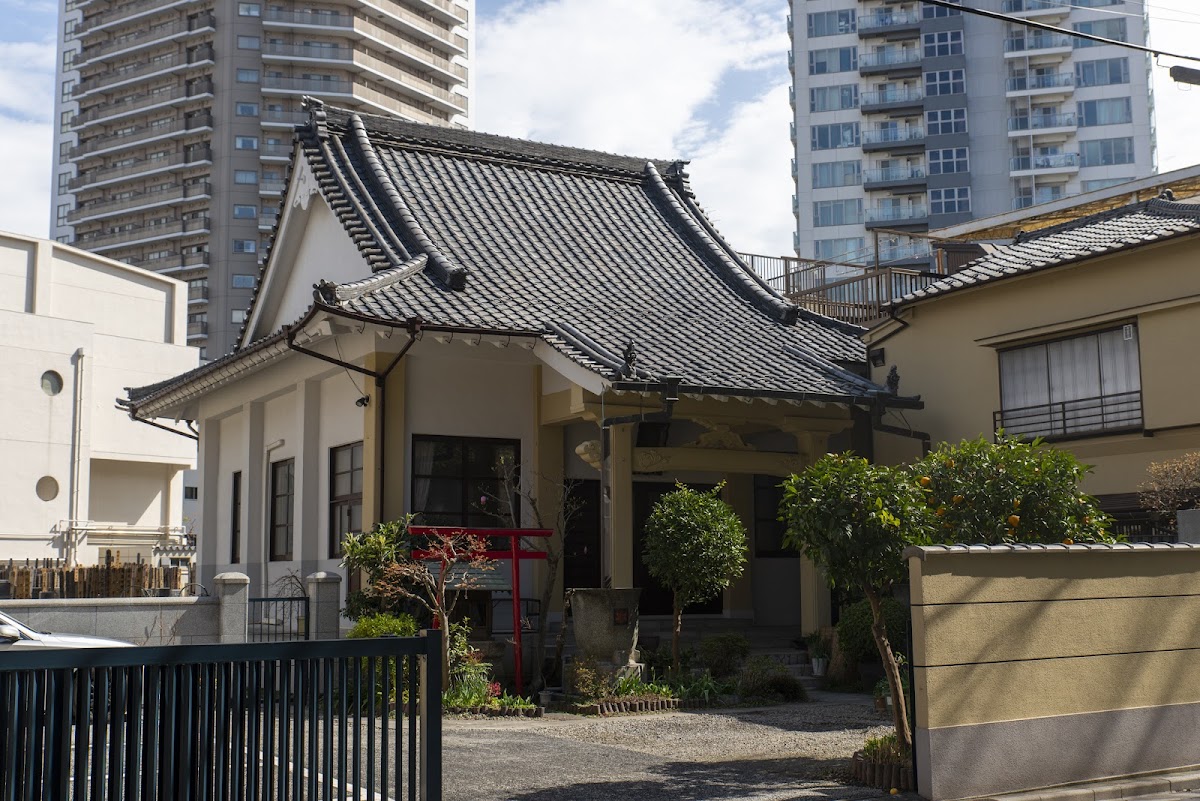
Fusaiji Temple, located in Shibasaki-cho, Tachikawa City, Tokyo, is a temple belonging to the Kenchoji branch of the Rinzai school of Zen Buddhism. Its mountain name is Genbu-zan, and its principal image is the Holy Kannon Bodhisattva. It is said to have been founded in Bunwa 2 (1353, Shohei 8), with Tachikawa Munetsune, the local lord who ruled the area at the time, as the founder, and Motsugai Kajū as the founding abbot.
Founded during the Muromachi period, the temple flourished under the patronage of the Tachikawa clan, becoming a renowned temple with 18 branch temples throughout the Tama region. Its deep connection with the Tachikawa clan, which is also related to the origin of the place name Tachikawa, is an important element in understanding the history of this region.
National Treasure: Stone Pagoda
The main reason why Fusaiji Temple in Tachikawa City is known nationwide is the presence of its stone pagoda, designated as a National Treasure. This stone pagoda bears an inscription from Enbun 6 (1361, Shohei 16) and is highly valued as an excellent example of early Muromachi period stonework.
A stone pagoda is a type of Buddhist memorial tower, a structure modeled after a stone banner (hata). The stone pagoda at Fusaiji Temple is in remarkably good condition, making it a valuable cultural asset demonstrating the high level of stonemasonry at the time. Its designation as a National Treasure is proof of its recognized historical and artistic value.
Access and Visiting Information
Fusaiji Temple in Tachikawa City is accessible on foot from Tachikawa Station on the JR Chuo Line, Nambu Line, and Ome Line, or from Tachikawa-Minami Station on the Tama Monorail. It is approximately a 15-minute walk from the south exit of Tachikawa Station and stands quietly in a residential area.
The temple grounds are relatively compact, but a sense of history permeates the area, centered around the National Treasure stone stupa. While visits are generally free, it is recommended to contact the temple in advance if you wish to view the National Treasure in detail.
Fusaiji Temple, Fukaya City, Saitama Prefecture: A Temple Associated with Okabe Rokuyata
The Genpei War and Okabe Rokuyata Tadazumi
Fusaiji Temple, located in Fusaiji, Fukaya City, Saitama Prefecture, belongs to the Soto Zen sect, and its mountain name is Tamaryuzan. The most distinctive feature of this temple lies in its historical background: it was founded by Okabe Rokuyata Tadazumi, a warrior who played an active role in the Genpei War.
Okabe Rokuyata Tadazumi is known as a warrior who distinguished himself in the defeat of the Taira clan while serving under Minamoto no Yoshitsune. The temple’s name, Fusaiji, which he founded, is the origin of the place name “Fusaiji,” and is deeply intertwined with the identity of this region.
Relationship with the Old Nakasendo Road
The Fusaiji district of Fukaya City developed along the old Nakasendo Road (present-day National Route 17). During the Edo period, it flourished as a post town, with many travelers passing through. Fusaiji Temple served as an important place of worship along this road, cherished by those praying for safe travels.
Even today, it is located within a townscape that retains the atmosphere of the old road, and efforts are being made to preserve the historical landscape. A stroll around the temple grounds allows visitors to experience the atmosphere of an Edo-period post town.
Center of the Local Community
Fukaya City’s Fusaiji Temple is more than just a religious facility; as evidenced by the name of the Fusaiji Neighborhood Association, it is a central presence in the local community. It plays an important role even today as a base for neighborhood association activities and a place for local residents to interact.
Various events are held throughout the year, contributing to the preservation of local traditional culture. For local residents, Fusaiji Temple is both an object of faith and a symbol of their community.
Fusaiji Temple, Sakura City, Tochigi Prefecture: An Ancient Shingon Buddhist Temple
Over 450 Years of History
Fusaiji Temple (also known as Fusaiji), located in Kaneshi, Sakura City, Tochigi Prefecture, is a temple belonging to the Chizan branch of the Shingon sect. Its mountain name is Sankozan, and its temple name is Seikoin. It is known as an ancient temple with a history of over 450 years. Currently, the 33rd head priest is protecting the temple and continuing its traditions.
As a place of practice and faith based on the teachings of the Shingon sect, it has served as a spiritual haven for the local people throughout its long history. The principal image is Dainichi Nyorai, and it is positioned as an important temple that transmits the teachings of Esoteric Buddhism.
Nature and Stone Buddhas in Every Season
One of the great attractions of Fusaiji Temple is its beautiful grounds surrounded by seasonal flowers and plants. From cherry blossoms and wildflowers in spring, lush greenery in summer, autumn leaves in fall, and a serene snowscape in winter, you can enjoy the beauty of nature throughout the year.
Numerous stone Buddha statues are enshrined within the temple grounds, each displaying a gentle, smiling expression. These statues have been cherished as objects of worship for centuries, bringing peace of mind to visitors.
Seeking Peace of Mind
Fujiji Temple welcomes many visitors as a “temple of tranquility.” It is a beloved space for people from both within and outside the region, offering a place to escape the stresses of modern society, take a deep breath, and find inner peace.
Beyond worship, the temple also hosts various Buddhist ceremonies and services, offering opportunities for easy participation. Regular Dharma talks and Zen meditation sessions are also held, providing opportunities to engage with Buddhist teachings.
Fujiji Temple in Shizuoka City, Shizuoka Prefecture: A History of Conversion to the Soto Zen School
From Shingon Buddhism to Soto Zen Buddhism
Fujiji Temple, located in Suruga Ward, Shizuoka City, Shizuoka Prefecture, is a temple with an interesting historical history. Originally founded as a Shingon Buddhist temple, it faced the threat of extinction at one point. Later, during the Kanbun era (1661-1673), it was restored by the third abbot of Togenji Temple, Kizan Keizen, and converted to the Soto Zen sect.
Such changes in sectarianism reflect the social conditions and regional beliefs of the time, making it a valuable example for understanding the regional development of Japanese Buddhism.
A Bodhisattva of Kannon from the Kamakura Period
A noteworthy feature of Fusaiji Temple in Shizuoka City is its principal image, a statue of the Bodhisattva of Kannon. During a restoration investigation in 2007, it was discovered that this statue was created in Kyoto during the late Kamakura period.
This discovery provides important evidence of the circulation of Buddhist art at the time and the cultural connections between local temples and the central (Kyoto) region. It is carefully protected as a valuable cultural asset that conveys the skills of excellent Buddhist sculptors from the Kamakura period.
Fusaiji Temple, Tokai City, Aichi Prefecture: An Ancient Temple on Shiomigaoka Hill
History from 1501
Fusaiji Temple, located in Tokai City, Aichi Prefecture, belongs to the Soto Zen sect and its mountain name is Hōdōzan. It boasts a long history dating back to 1501 (Bunki 1), supporting local faith for over 500 years.
The temple is built on the top of a small hill called Shiomigaoka, and is characterized by its excellent location overlooking the surrounding area. This location is also a remnant of a time when the sea was nearby.
Unique Temple Layout
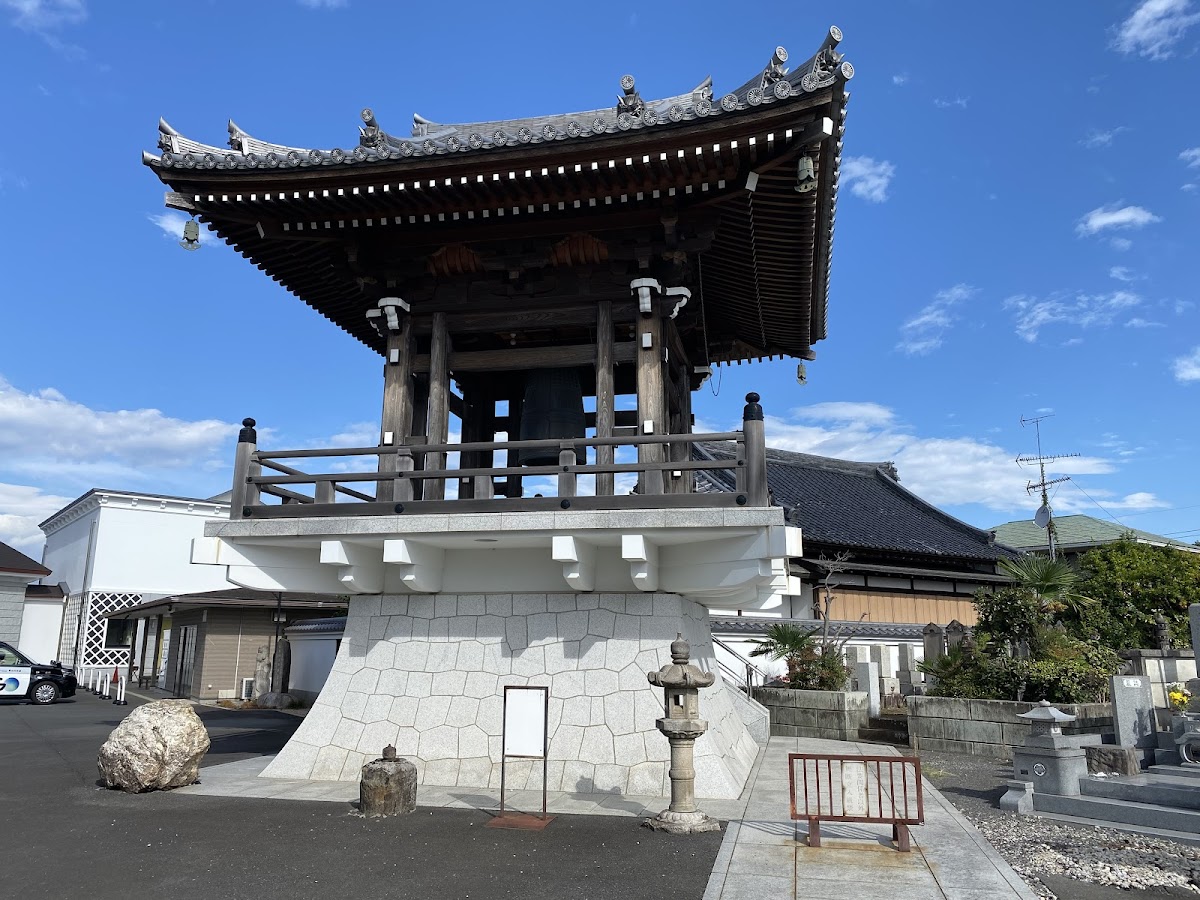
What is noteworthy about Fusaiji Temple in Tokai City is its unique temple layout. After passing through the main gate and climbing the stairs, there is a second gate, the “Kiyōmon,” which also serves as a bell tower. This double gate structure demonstrates the formality of a Zen temple and plays a role in gradually purifying the hearts of worshippers.
The name “Kiyōmon” (機要門) expresses the “Kiyō” (機要), the core of truth, in Zen Buddhism. Passing through this gate symbolically represents approaching the essence of Buddhist teachings.
Fusaiji Temple in Niigata Prefecture: Gardens and Natural Beauty
A 500-Year-Old Temple
Niigata Prefecture also has a temple called Fusaiji, known as a historic temple with a history of approximately 500 years. Located in a quiet environment away from the hustle and bustle, it is particularly famous for its beautiful garden.
Waterfalls and Seasonal Flowers
A waterfall flows through the garden of Fusaiji Temple in Niigata, creating a soothing space with the sound of water. In spring, dogtooth violets bloom, and cherry blossoms adorn the temple grounds. Various wildflowers also grow naturally, allowing visitors to enjoy the beauty of nature.
Garden events are held in spring and autumn, attracting many tourists. These events include special garden openings, tea ceremonies, and cultural activities, contributing to the promotion of local culture.
Architectural Styles and Cultural Assets of Pusai Temple
Fusion of Zen and Japanese Styles
The architectural styles found in Pusai Temples vary depending on the Buddhist sect. Pusai Temples of the Rinzai and Soto sects exhibit a strong influence of Zen style (Tang style). On the other hand, Pusai Temples of the Shingon sect employ an architectural style based on Japanese style.
In many Pusai Temples, these styles have merged over time, creating a unique architectural beauty. Major buildings such as the main hall, temple gate, and bell tower reflect the architectural techniques and aesthetic sensibilities of their respective eras, and many possess high architectural historical value.
Buddhist Statues and Artworks
Each Pusai Temple houses numerous Buddhist statues, including the principal image. While the principal image differs depending on the sect (e.g., Kannon Bodhisattva, Dainichi Nyorai, Shakyamuni Buddha), all are protected as excellent Buddhist art pieces.
Furthermore, Buddhist paintings, scriptures, and ritual implements are preserved as important cultural assets, and these are valuable materials that demonstrate the richness of Japanese Buddhist culture.
Annual Events and Ceremonies at Fusaiji Temple
Major Buddhist Events
Various Buddhist events are held throughout the year at each Fusaiji temple. The main events include the following:
- New Year’s Day Ceremony: A Buddhist service praying for safety and prosperity in the new year
- Nirvana Ceremony: A Buddhist service commemorating the passing of Buddha (around February 15th)
- Flower Festival: A Buddhist service celebrating the birth of Buddha (April 8th)
- Obon Ceremony: An important event for honoring ancestors (August)
- Higan Ceremony: A Buddhist service centered around the spring and autumn equinoxes
- Enlightenment Ceremony: A Buddhist service commemorating the enlightenment of Buddha (December 8th)
Many of these events are open not only to temple members but also to general visitors, and have become established as local cultural events.
Zen Meditation and Sutra Copying Sessions
In particular, Fusaiji Temple, which belongs to the Zen sect, regularly holds Zen meditation sessions. Careful instruction is provided so that even beginners can easily participate, and it is gaining popularity as a place for stress relief and spiritual cultivation for modern people. Furthermore, many Puji Temples hold sutra copying sessions, offering an opportunity to calm the mind and connect with Buddhist teachings by copying scriptures such as the Heart Sutra.
Access and Visiting Information for Puji Temples
Precautions for Visiting
When visiting Puji Temples, please note the following:
- Dress Code: Modest, understated clothing is preferred.
- Photography: Permission is often required to photograph the interior of the main hall or Buddha statues.
- Quietness: Please be quiet on the temple grounds and be considerate of other visitors.
- Offering: It is customary to offer a monetary donation during your visit.
- Visiting Hours: Avoid early mornings and evenings; daytime visits are recommended.
Overview of Access to Puji Temples in Various Locations
Access methods to Puji Temples vary, but many are accessible by public transportation. For detailed information, it is recommended to check the official website or tourist information of each temple.
If accessing by car, it is necessary to check in advance as parking availability and capacity are often limited. Especially during events, congestion is expected, so the use of public transportation is recommended.
Fusaiji Temple and the Local Community
Collaboration with Community Association Activities
In areas where the temple name is also the name of the community association, such as Fusaiji Temple in Fukaya City, Saitama Prefecture, the connection between the temple and the local community is very strong. It plays a role beyond that of a religious facility, being used as a community association meeting place and a venue for local events.
Cultural Property Protection and Tourism Promotion
Fusaiji temples throughout the region also play a role in protecting valuable cultural properties. Temples possessing national treasures and important cultural properties undergo appropriate preservation and management, with regular surveys and restoration work carried out by experts.
At the same time, these cultural properties are utilized as tourist resources, contributing to the promotion of local tourism. Sustainable temple management is aimed at balancing the protection and public access of cultural properties.
Educational Activities and Social Contribution
Many Pusai Temples (Fuji Temples) are also focusing on Buddhist and cultural education. They offer activities such as temple schools for children, Zen meditation experiences for young people, and Buddhist lectures for the general public, contributing to local education and cultural activities.
Furthermore, they actively engage in modern social contribution activities, such as functioning as evacuation centers during disasters and providing support for the elderly.
Future Prospects for Pusai Temples
Preserving Tradition and Modernizing
While Pusai Temples throughout Japan possess a long history and tradition, they are also continuously striving to meet the needs of modern society. They are implementing initiatives adapted to the times, such as using the internet for information dissemination, conducting online memorial services, and introducing cashless payment systems.
At the same time, they are also focusing on preserving traditional training methods and rituals, making the transmission of culture to the next generation a crucial issue.
International Exchange and Dissemination of Buddhist Culture
In recent years, the number of foreign tourists interested in Japanese temple culture has increased. Pusai Temples are also making progress in responding to internationalization, such as providing multilingual signage and Zen meditation instruction in English. As centers for disseminating Japanese Buddhist culture to the world, the role of each Pusaiji temple will become increasingly important in the future.
Summary
Pusaiji temples, located throughout Japan, each possess their own unique history and culture, playing a vital role in their respective communities. From the national treasure stupa in Tachikawa City and the connection to Okabe Rokuyata in Fukaya City, to the beautiful natural environment of Tochigi Prefecture, the Kamakura-period Buddhist statues in Shizuoka Prefecture, and the distinctive temple layout of Aichi Prefecture, each temple has its own unique charm.
The sects are also diverse, including Rinzai, Soto, and Shingon Buddhism, with practices and faith based on each respective teaching. As cultural property protectors, community centers, tourist resources, and educational institutions, Pusaiji temples possess multifaceted value.
In modern society, Pusaiji temples continue to play an important role for people seeking peace of mind and spiritual solace. Why not visit a Pusaiji temple in various locations to learn about history, experience culture, feel nature, and find peace of mind? By experiencing the unique atmosphere of each temple and the spirituality nurtured by its long history, you will likely gain new discoveries and inner peace.