
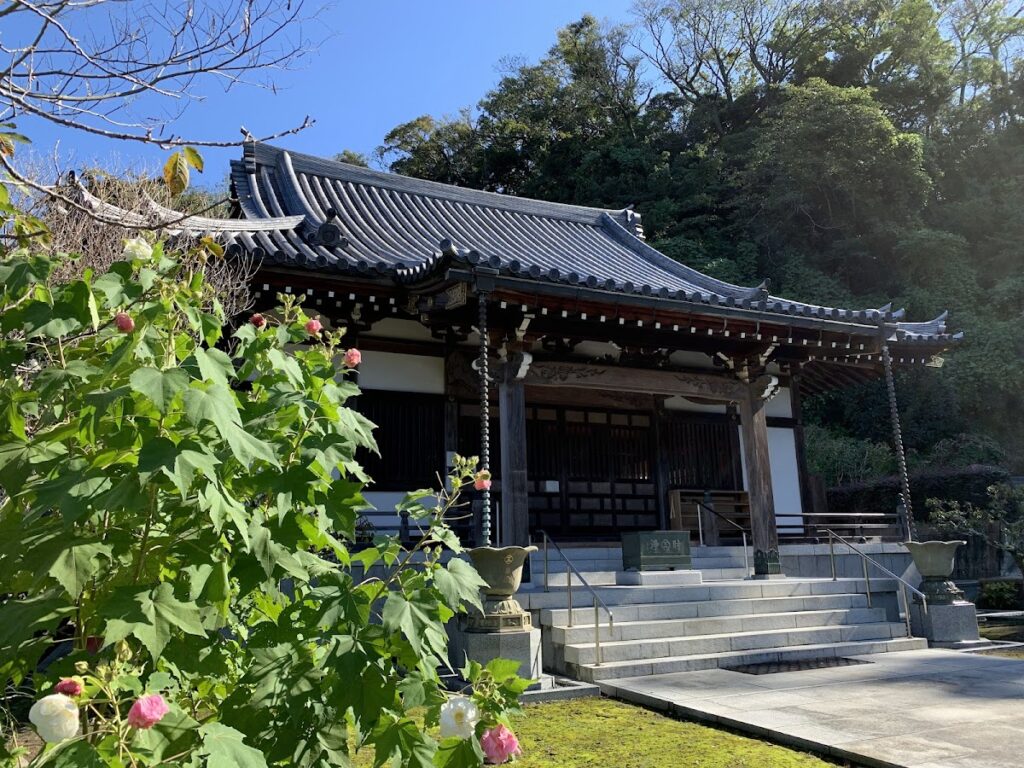
Complete Guide to Raikoji Temples | History, Highlights, and Access Information for Famous Temples Nationwide
Raikoji is the name of several temples located throughout Japan. This temple name, derived from “Raigo,” refers to Amida Buddha coming from the Pure Land to welcome believers, and has been used in various regions as Pure Land Buddhism spread. This article comprehensively introduces historically and culturally significant Raikoji temples, explaining their characteristics, highlights, and access information in detail.
What is Raikoji Temple? | Origin and Meaning of the Temple Name
The temple name Raikoji originates from the Buddhist term “Raigo.” Raigo refers to the Pure Land Buddhist teaching that Amida Buddha, accompanied by bodhisattvas, comes to welcome dying believers to the Pure Land.
This faith flourished from the mid-Heian period, and the temple name “Raikoji” was adopted particularly by temples of Pure Land Buddhist sects such as the Jodo-shu, Jodo Shinshu, Ji-shu, and Yuzu Nembutsu-shu. Therefore, temples with the same name are scattered throughout Japan, each possessing its own unique history and cultural assets.
List of Major Raikoji Temples | Regional Characteristics
Raikoji Temples in Moriguchi City, Osaka Prefecture
Sect: Yuzu Nembutsu-shu
Founded: Shohei 2 (1347)
Principal Image: Tenpitsu Nyorai (Amida, Kannon, and Seishi Triad)
Raikoji Temple, located in Sata-nakamachi, Moriguchi City, was established in Raikomachi, Moriguchi City, by Jitsuzon Shonin, a disciple of the Yuzu Nembutsu-shu restorer, Homyo Shonin. The most distinctive feature of this temple is its history of relocating 26 times over more than 300 years due to a unique inheritance system. Established in its current location in 1678 (Enpō 6), it has been a center of worship ever since.
Main Cultural Properties:
- “Colored Silk Painting of the Hachiman Mandala” (Nationally Designated Important Cultural Property)
- “Stone Thirteen-Storied Pagoda” (Osaka Prefecture Designated Tangible Cultural Property)
Ghost Legend: A legend remains that in 1743 (Kanpō 3), the ghost of a woman appeared at the temple, leaving footprints before attaining Buddhahood. It is known as a temple with a long history of spiritual efficacy dating back to the Kamakura period.
Access:
Approximately 15 minutes on foot from Dainichi Station on the Osaka Metro Tanimachi Line, or immediately after alighting at Sata Nakamachi bus stop on the Keihan Bus.
Raikōji Temple, Kamakura City, Kanagawa Prefecture
Sect: Jishū (Jishū Sect)
Mountain Name: Mankōzan
Address: Nishimikado, Kamakura City
A Jishū sect temple quietly nestled in Nishimikado, Kamakura City. Located in an area that retains the atmosphere of the ancient capital of Kamakura, it is a popular tourist spot due to its tranquil environment, far removed from the hustle and bustle of everyday life.
The Jishu sect was founded by Ippen Shonin during the Kamakura period and is known for its “Odori Nenbutsu” (dancing nenbutsu), where people chant the nenbutsu while dancing. Raikoji Temple in Kamakura is one of the important temples that continues to pass down the teachings of the Jishu sect.
Access: Approximately 20 minutes on foot from the east exit of Kamakura Station on the JR Yokosuka Line, or 5 minutes on foot from the “Kiremichi” bus stop on the Keikyu Bus.
Raikoji Temple, Shimosuwa Town, Nagano Prefecture
Sect: Jodo-shu Chion-in School
Restoration and Founding: Tenbun 10 (1541)
Location: Within Shimosuwa-juku
Raikoji Temple in Shimosuwa Town is known as a temple associated with Izumi Shikibu. A legend remains about the childhood of Izumi Shikibu, a female poet of the Heian period, and her guardian deity, the Kanayaki Jizo (iron-fired Jizo), is enshrined here.
This Jizo statue is said to have been brought here by Hojo Tokiyori, a monk of Saimyoji Temple. Every year in mid-April, a special ceremony is held to unveil the statue, attracting many worshippers. It’s a must-see spot when sightseeing in Shimosuwa.
Access: Approximately 10 minutes on foot from Shimosuwa Station on the JR Chuo Main Line
Raikoji Temple, Chiryu City, Aichi Prefecture
Sect: Rinzai Zen, Myoshinji School
Founding: 931 AD
Principal Image: Nyoirin Kannon Bodhisattva
Raikoji Temple in Chiryu City is an ancient temple said to have been founded in 931 AD by a monk named Raikoji In who came to this area from Byodoin Temple in Uji, Yamashiro Province. Later, it received patronage from Murakami Hyobu Kanefusa, the lord of Imasaki Castle, but for a time it was without a resident priest.
During the Keicho era of the Edo period, a certain Furuta from Chiryu-juku was deeply moved by the beauty of the principal image, the Nyoirin Kannon Bodhisattva, and decided to restore the temple. He trained under Zen Master Gudō of Mino Province and resided at this temple as Kyūshin Koji. In 1623 (Genna 9), Abbot Mitsudo Shōyū was invited from Ryūju-ji Temple in Atsuta to serve as the restorer and founding abbot, and the temple has continued to this day as a temple of the Myōshin-ji branch of the Rinzai school.
Access: Approximately 15 minutes on foot from Chiryū Station on the Meitetsu Nagoya Main Line
Raikō-ji Temple, Katori City, Chiba Prefecture
Official Name: Tōkōzan Hōjuin Raikō-ji Temple
Sect: Jōdo-shū (Pure Land Buddhism)
Founding Abbot: Kenkyū 9 (1198)
Founding Priest: Myōe Kōben Shōnin
Raikō-ji Temple in Kaizuka, Katori City, is an ancient temple founded by Myōe Kōben Shōnin, a renowned monk of the Kamakura period. Known for its connections to the Minamoto and Tokugawa families, it boasts a history of over 800 years.
Myōe Shōnin is known as a monk of the Kegon sect, but he was also deeply knowledgeable in Pure Land Buddhism and is said to have founded a Pure Land temple in this area. During the Edo period, it received patronage from the Tokugawa family and flourished as a center of local faith.
Access: Approximately 15 minutes by taxi from JR Narita Line “Sawara Station”
Raikōji Temple, Yamagata City, Yamagata Prefecture
Official Name: Shōgakuzan Seijōin Bongyōji Temple
Sect: Pure Land Buddhism
Founded: Tenshō 19 (1591)
Founder: Kyūki Shōnin
Raikōji Temple in Yamagata City was founded in Tenshō 19 (1591) by Kyūki Shōnin on the site of Senjuin, a branch temple of Yamadera Risshakuji Temple. The original main hall was destroyed by fire in Kōka 3 (1846), but it was later rebuilt and stands to this day.
As a Jodo sect temple in Yamagata, it has attracted local faith, and its historical connection to Yamadera Risshaku-ji Temple is also an interesting point.
Access: Approximately 10 minutes by city loop bus from JR Yamagata Station
Raikoji Temple, Matsubara City, Osaka Prefecture
Detailed Name: Shobutsu-zan Gonen-in
Sect: Yuzu Nembutsu Sect (Central Head Temple, Six Branch Temples)
Founded: Established in the first year of Shochu (1324)
Originally called Amida-ji Temple, it received the name Raikoji Temple in the first year of Shochu (1324). Initially located in what is now Hirakata City, it was destroyed by fire a total of 26 times before being burned down in the Summer Siege of Osaka, and moved around to various locations.
In the 9th year of Genna (1623), when Takagi Masatsugu received land in Kawachi, it was rebuilt as his family temple. This is an important temple, holding the status of a head temple among 36 temples located in the three counties of Tanboku, Tannan, and Yagami in the Kawachi region, and Kake County in the Settsu region.
Access: Approximately 12 minutes on foot from Kawachi-Matsubara Station on the Kintetsu Minami-Osaka Line
Raikoji Temple, Kyotanabe City, Kyoto Prefecture
Location: 12 Matsui-Satogaichi, Kyotanabe City
Raikoji Temple in Kyotanabe City is located in a quiet residential area of Kyotanabe, known as a “town where you can take a break.” While some aspects of its detailed history are unclear, it is a beloved temple that attracts the faith of the local people.
Access: 5 minutes on foot from the Matsui bus stop (Keihan Bus)
Principal Image and Form of Worship at Raikoji Temple
The principal image of temples bearing the name Raikoji varies depending on the sect, but many enshrine Buddhas related to Pure Land Buddhism, centered around Amida Buddha.
Main Types of Principal Deities
Amida Buddha: In temples of the Jodo, Jishu, and Yuzu Nembutsu sects, Amida Buddha, the principal deity of the Pure Land, is common. The “Tenpitsu Nyorai” at Raikoji Temple in Moriguchi City is a unique form, combining Amida, Kannon, and Seishi into one.
Kannon Bodhisattva: Some temples, like Raikoji Temple in Chiryu City, have Nyoirin Kannon Bodhisattva as their principal deity. Kannon Bodhisattva is worshipped as a symbol of compassion and a being who relieves people’s suffering.
Jizo Bodhisattva: Some temples, like the Tetsuyaki Jizo at Raikoji Temple in Shimosuwa Town, consider Jizo Bodhisattva an important object of worship. Jizo Bodhisattva, a bodhisattva who travels through the six realms to save sentient beings, has attracted particular devotion from the common people.
Cultural Properties and Highlights of Raikoji Temple
Raikoji temples throughout Japan preserve numerous valuable cultural properties, including nationally designated important cultural properties and locally designated cultural properties.
Cultural Properties of Raikoji Temple, Moriguchi City
The Hachiman Mandala Painting on Silk (Nationally Designated Important Cultural Property) is a valuable painting that expresses the syncretic idea of Shinto and Buddhism, a fusion of Hachiman worship and Buddhism. It is an important resource for studying medieval religious art.
The Thirteen-Storied Stone Pagoda (Osaka Prefecture Designated Tangible Cultural Property) is a stone pagoda standing behind the temple grounds, exhibiting characteristics of stone art from the Kamakura to Muromachi periods.
Ghost Legends and Folk Beliefs
The ghost legend of Raikoji Temple in Moriguchi City tells of a female ghost who appeared at the temple in 1743 (Kanpo 3) and left footprints before attaining Buddhahood. This legend has been passed down since the Edo period as evidence of the strong spiritual power of Raikoji Temple. These tales of miraculous events illustrate the spiritual role temples have played within their communities. People recognized temples not merely as religious institutions, but as sacred places connecting this world and the next.
Etiquette and Manners for Visiting Raikoji Temple
When visiting Raikoji Temple, please observe the following basic etiquette.
Basic Procedure for Visiting
- Bow at the Temple Gate: Before passing through the temple gate, which is the entrance to the temple, bow before entering the grounds.
- Purify at the Water Basin: If there is a water basin, purify your left hand, then your right hand, and then your mouth.
- Worship at the Main Hall: Join your hands in prayer in front of the main hall and quietly offer your prayers. If there is a bell, ring it before praying. In Jodo-style temples, you may also chant Buddhist prayers.
- Offering a Coin: Offer a coin with gratitude. There is no set amount for offerings, but please quietly place your donation in the offering box.
- Visiting the Temple Grounds: If there are cultural properties or gardens, please observe them quietly. Please be careful not to take pictures in areas where photography is prohibited.
Attire and Items to Bring When Visiting
There are no specific dress code requirements, but it is best to avoid revealing clothing and wear modest attire. Even in summer, try to wear clothing that minimizes skin exposure.
If you wish to receive a Goshuin (temple stamp), please bring your Goshuincho (stamp book). Many Raikoji temples offer Goshuin, but it is recommended to check in advance.
Access to Raikoji Temple and Tourist Information
Recommended Tourist Course
Kamakura Area: When visiting Raikoji Temple in Kamakura City, a recommended tour course is one that starts from Kamakura Station and combines it with major tourist spots such as Tsurugaoka Hachimangu Shrine, Kenchoji Temple, and Engakuji Temple. The Nishimikado area is relatively quiet, allowing you to enjoy a leisurely stroll.
Shimosuwa Area: Raikoji Temple in Shimosuwa Town is a popular tourist destination, often combined with other attractions such as Suwa Grand Shrine’s Shimosha Akimiya, the Manji Stone Buddha, and Lake Suwa. As it’s also a hot spring area, relaxing in a hot spring after your visit is highly recommended.
Osaka Area: Raikoji Temples in Moriguchi City and Matsubara City are easily accessible from Osaka City. They can be combined with other major Osaka tourist spots such as Osaka Castle and Shitennoji Temple.
Visiting Hours and Admission Fees
Most Raikoji Temples are open from 9:00 AM to 4:00 PM or 5:00 PM. However, hours vary by temple, so it’s recommended to check their official website or call before visiting.
While many temples offer free admission, special viewings and cultural property tours may require separate fees. Additionally, a donation of approximately 300 to 500 yen is usually required for receiving a Goshuin (temple stamp).
Annual Events and Activities
Various Buddhist services and events are held throughout the year at each Raikoji temple.
- Spring Services: Many temples hold spring equinox services.
- Opening of the Statue: Raikoji Temple in Shimosuwa Town holds an opening of the Tetsuyaki Jizo statue in mid-April.
- Autumn Services: Autumn equinox services, Ojuya services, etc.
- New Year’s Eve Bell Ringing: Some temples allow visitors to ring the New Year’s Eve bell.
On special event days, cultural properties that are not usually open to the public may be displayed, so it’s a good idea to check the information in advance.
Tourist Spots Around Raikoji Temple
Around Kamakura City
- Tsurugaoka Hachimangu Shrine: A representative shrine of Kamakura
- Kenchoji Temple: The first-ranked Zen temple of the Five Great Zen Temples of Kamakura
- Zeniarai Benzaiten Shrine: A shrine famous for increasing wealth
- Komachi Street: Perfect for strolling and souvenir shopping
Around Shimosuwa Town
- Suwa Taisha Shimosha Akimiya: One of the Ichinomiya shrines of Shinano Province
- Manji Stone Buddha: A stone Buddha known for its unique appearance
- Lake Suwa: The largest lake in Nagano Prefecture
- Nidec Music Box Museum Suwanone: Enjoy the history and sounds of music boxes
Around Moriguchi City and Matsubara City
- Osaka Castle: A representative tourist spot of Osaka
- Shitennoji Temple: An ancient temple founded by Prince Shotoku
- Dotonbori: Osaka Gourmet Food and Entertainment District
- Expo Commemoration Park: The Tower of the Sun is its symbol
The Significance and Modern Role of Visiting Raikoji Temples
As the temple name Raikoji suggests, these temples embody the core of Pure Land Buddhism: “Raiko,” that is, Amida Buddha coming to welcome the deceased at the time of death. Since the Middle Ages, people from all walks of life, from samurai to commoners, have visited these temples praying for rebirth in paradise.
Even today, Raikoji temples are not merely tourist attractions, but function as spiritual havens for people. By escaping the hustle and bustle of daily life and quietly offering prayers, one can confront oneself and attain inner peace.
Furthermore, the cultural artifacts preserved by each Raikoji temple are valuable resources for learning about Japanese religious art and history. Through these cultural artifacts, we can connect with the faith and aesthetic sensibilities of our ancestors.
Summary | The Charm of Visiting Raikoji Temples
Raikoji temples, scattered throughout Japan, each possess their own unique history and culture, and have played an important role as centers of local faith. Each temple in Japan has its own unique story: the ghost legends of Moriguchi City, the tranquil atmosphere of Kamakura, the legend of Izumi Shikibu in Shimosuwa, and the Kannon worship of Chiryu City.
Visiting a Raikoji temple is also a journey through the history of Japanese Pure Land Buddhism. The aspirations of people who believed in the compassion of Amida Buddha and wished for rebirth in paradise still live on in each temple.
When visiting as a tourist, researching the historical background, cultural assets, and surrounding tourist spots of each Raikoji temple beforehand will allow you to gain a deeper understanding and appreciation. The time spent praying and calming your mind in the quiet temple grounds will be a precious experience for us living in modern society.
A journey through Raikoji temples across Japan is a wonderful opportunity to experience Japanese religious culture and history. Please visit a Raikoji temple near you, or one you encounter during your travels.

