
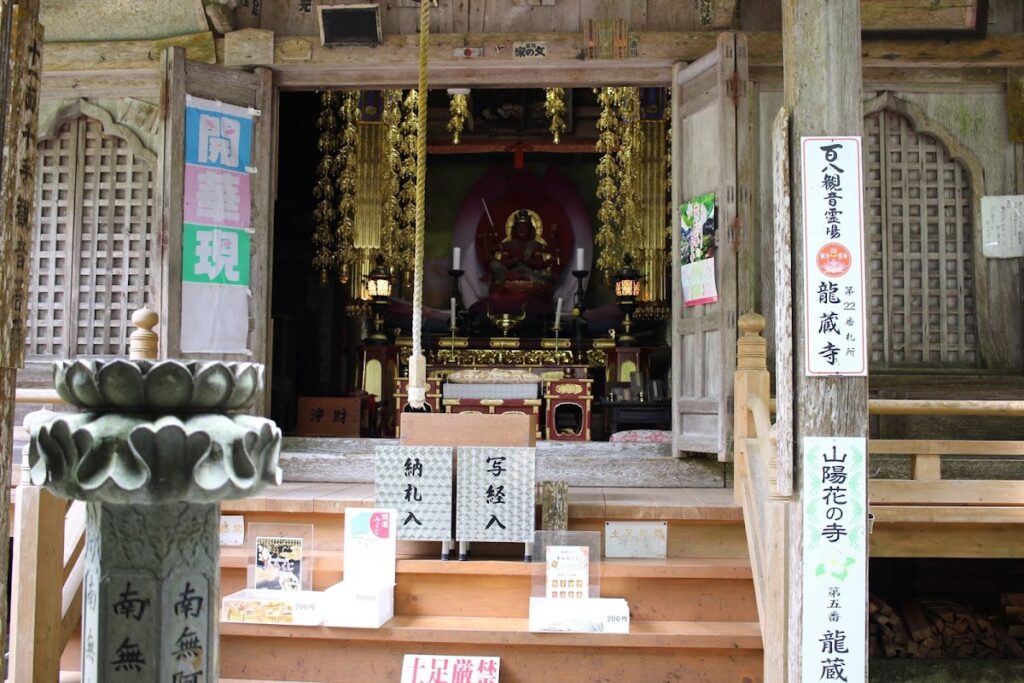
Complete Guide to Ryuzoji Temple | The Charm and Highlights of Yamaguchi City’s Oldest Temple with a 1300-Year History
Located on the mountainside of Takiyama in Yoshiki, Yamaguchi City, Yamaguchi Prefecture, Ryuzoji Temple is the oldest temple in Yamaguchi City, boasting a history of approximately 1300 years. Belonging to the Omuro branch of the Shingon sect, it is beloved by locals as the “Temple of Human Restoration.” With its nationally designated natural monument, the tallest ginkgo tree in Japan, the nationally important cultural property, the seated statue of Dainichi Nyorai, and the Tsuzumi Falls, one of Yamaguchi’s three famous waterfalls, this sacred site, where history and nature harmonize, attracts many visitors throughout the year.
History and Origin of Ryuzoji Temple
Founding Legend
The founding of Ryuzoji Temple dates back to the second year of the Bunmu era (698 AD). It is said that the temple originated when En no Ozunu, a monk revered as the Great Bodhisattva of Divine Transformation, traveled from Mount Hiko in Bungo Province and enshrined the Kumano Gongen of Kishu in a cave in the inner sanctuary, performing a sacred goma ritual. En no Ozunu is known as the founder of Shugendo (mountain asceticism), and the temple’s name, “Ryū no Kura” (Dragon’s Storehouse), is said to have originated from his miraculous power.
Historical Development
From the Nara period to the Heian period, Ryūzōji Temple flourished as a center of mountain worship. Despite the effects of warfare in the Middle Ages, it continued to attract local faith. During the Edo period, it received the patronage of the Mōri clan, and the foundations of the current temple complex were laid. Having survived the anti-Buddhist movement of the Meiji era, it has continued to uphold its religious traditions for over 1300 years to the present day.
Role as a Pilgrimage Site
Ryūzōji Temple is the 17th temple on the Chūgoku Thirty-Three Kannon Pilgrimage, making it an important place of worship for pilgrims. Furthermore, it is also known as a pilgrimage site for Kannon in China, and plays a part in a pilgrimage route connecting famous and ancient temples in the Sanyo and Sanin regions. Many pilgrims visit, and it is cherished as a place to experience the compassion of Kannon.
Main Highlights of the Temple Grounds
Nationally Designated Natural Monument – Japan’s Tallest Ginkgo Tree
The symbol of Ryuzo-ji Temple is the giant ginkgo tree, over 900 years old. Boasting a height of approximately 45 meters, it is designated as a national natural monument as the tallest ginkgo tree in Japan. Its trunk circumference reaches approximately 10 meters, and its overwhelming presence captivates visitors.
Every year from mid- to late November, this giant ginkgo tree is dyed a magnificent golden color. The yellow carpet covering the entire temple grounds is truly a work of art created by nature. During the autumn foliage season, many tourists and photography enthusiasts visit to enjoy its beauty. Having survived for such a long period of 900 years, the giant ginkgo tree is also a living witness to the history of Ryuzo-ji Temple. ### National Important Cultural Property: Seated Statue of Dainichi Nyorai
The seated statue of Dainichi Nyorai, enshrined in the Kannon-do Hall, is a precious Buddhist statue designated as a National Important Cultural Property. Believed to be a work from the late Heian period, its elegant form and exquisite sculptural technique are highly regarded. Dainichi Nyorai, the supreme Buddha of Esoteric Buddhism, is revered as a being embodying the truth of the universe.
This statue is made of cypress wood using the joined-wood technique and features a majestic appearance adorned with gold leaf. Its serene expression and well-proportioned physique are characteristic of Heian Buddhist art. In the Kannon-do Hall, one can view this precious cultural property in a tranquil setting.
Yamaguchi’s Three Famous Waterfalls: Tsuzumi-no-Taki Waterfall
At the back of the temple grounds lies Tsuzumi-no-Taki Waterfall, one of Yamaguchi’s three famous waterfalls. The sound of the waterfall, cascading down from a height of approximately 15 meters, resembles the sound of a drum being struck, hence its name. The area around the waterfall basin has long been revered as a sacred site and used as a place of ascetic practice.
Tsuzumi Falls is designated as a scenic spot, offering beautiful natural scenery throughout the seasons. In the season of fresh greenery, a refreshing landscape unfolds, while in autumn, the contrast between the red and yellow trees and the white spray of water is magnificent. Waterfall asceticism is also practiced here, and it continues to be used as a place for purifying the mind and body.
Kannon Hall and Main Hall
The Kannon Hall, the central building of Ryuzo-ji Temple, is a stately wooden structure housing the aforementioned seated statue of Dainichi Nyorai. The hall is enveloped in a solemn atmosphere, allowing worshippers to quietly offer their prayers.
Daily services are held in the Main Hall, where goma fire rituals and prayers are performed. As a Shingon Buddhist temple, traditional esoteric Buddhist rituals are still preserved. The hall enshrines the principal image and other Buddhas, receiving the wishes of worshippers.
The Inner Sanctuary and the Cave
The Inner Sanctuary, the site of the temple’s founding, contains a cave where En no Ozuno enshrined Kumano Gongen. This sacred area, reached by climbing a steep mountain path, remains a revered site of Shugendo (mountain asceticism). Inside the cave is a small shrine, visited by practitioners and devout worshippers.
The path leading to the Inner Sanctuary is a lush mountain trail, offering opportunities to observe seasonal plants and wild birds. It’s a special space where the rigor of a training ground coexists with the beauty of nature.
Seasonal Charms
Spring at Ryuzo-ji Temple
In spring, Ryuzo-ji Temple is adorned with cherry blossoms and fresh greenery. From late March to early April, mountain cherry blossoms and Somei Yoshino cherry trees bloom, painting the path a delicate pink. The large ginkgo tree also sprouts new leaves, beginning to spread its vibrant green foliage. Bathed in the spring sunshine, the temple grounds are filled with a vibrant, life-affirming atmosphere. ### Ryuzo-ji Temple in Summer
In summer, the temple grounds, enveloped in deep green, exude a refreshing atmosphere. The sound of water cascading from the Tsuzumi Waterfall further enhances the sense of coolness, making you forget the heat. Waterfall meditation is sometimes performed here, highlighting its aspect as a place for spiritual training. The sound of cicadas echoing through the grounds evokes the charm of a Japanese summer.
Ryuzo-ji Temple in Autumn (Famous for Autumn Leaves)
Ryuzo-ji Temple is most bustling with tourists during the autumn foliage season. From mid- to late November, the large ginkgo tree turns a magnificent golden color, and the maple and other trees turn bright red. The entire temple grounds are enveloped in vibrant red and yellow hues, making it a well-known spot for viewing autumn leaves in Yamaguchi Prefecture.
Every year at this time, many tourists and photography enthusiasts from both within and outside the prefecture visit. In the quiet hours of early morning, the autumn leaves illuminated by the morning sun present a fantastical beauty. At dusk, the yellow leaves, bathed in the setting sun, glow golden, offering a variety of expressions throughout the day.
Ryuzo-ji Temple in Winter
Winter at Ryuzo-ji Temple is enveloped in silence, exuding a dignified atmosphere. On snowy days, the temple grounds transform into a world of white, creating a landscape reminiscent of an ink painting. The bare ginkgo tree also radiates a powerful presence, conveying the beauty of winter’s bareness. Because there are fewer visitors during this time, it’s an opportunity to quietly reflect on oneself.
Ryuzo-ji Temple as a Power Spot
A Sacred Site with Profound Spiritual Power
Ryuzo-ji Temple has long been known as a power spot. It is a sacred site of Shugendo (mountain asceticism) founded by En no Ozuno, and is said to be filled with the energy of prayers accumulated over 1300 years. The cave in the inner sanctuary, in particular, is considered a place that emits powerful spiritual energy, attracting visitors seeking purification of mind and body and the fulfillment of their wishes.
The Energy of Nature
The 900-year-old ginkgo tree is a symbol of life force that has survived for a long time. It is said that by touching this giant tree, one can feel the energy of nature. The pure water of the Tsuzumi Waterfall is also believed to have the power to purify the mind and body, and one can experience spiritual purification through waterfall meditation.
A Temple for Pet Memorials
Ryuzo-ji Temple is also known as a “temple for pet memorials.” You can hold memorial services for your beloved pet, a member of your family, and pray for the peace of their soul. It is also possible to visit the temple grounds with your pet, demonstrating the Buddhist compassion that cherishes animals. It is a place that offers solace and healing to those grieving the loss of a pet, and is appreciated by many pet owners.
Training and Events You Can Experience
Goma Ritual
Ryuzo-ji Temple performs the traditional Goma ritual of Shingon Esoteric Buddhism. The Goma ritual is a ceremony in which worldly desires are burned away through flames and wishes are conveyed to Buddha. You can make a reservation for a Goma fire ritual (fire ritual) for individuals or groups, and pray for various wishes such as family safety, business prosperity, academic success, and recovery from illness.
Waterfall Meditation Experience
At Tsuzumi Falls, you can experience waterfall meditation by reservation. Waterfall meditation has been practiced since ancient times as a method of purification of mind and body and training the spirit. By being immersed in the cold waterfall water, you can experience clearing your mind of distractions and achieving a state of emptiness. It is conducted safely under the guidance of an instructor, so even beginners can try it.
Shojin Ryori (Vegetarian Buddhist Cuisine)
At Ryuzo-ji Temple, you can enjoy shojin ryori (vegetarian Buddhist cuisine) by reservation. Shojin ryori, which does not use meat or fish, and is made only with plant-based ingredients such as vegetables, tofu, and sesame seeds, is a meal based on Buddhist teachings. Dishes that make use of seasonal ingredients have a gentle flavor that brings out the taste of the ingredients, and are said to have the effect of balancing mind and body.
Annual Events
Ryuzo-ji Temple holds various events throughout the year. Traditional Buddhist events such as the first shrine visit of the New Year, the bean-throwing ceremony on Setsubun, the spring and autumn equinox memorial services, and the Obon festival’s Segaki memorial service are held. Participating in these events allows you to experience traditional Japanese culture and Buddhist teachings.
Basic Information
Location and Access
Address: 1750 Yoshiki, Yamaguchi City, Yamaguchi Prefecture 753-0811
Phone: 083-924-1357
FAX: 083-928-0780
Access by Car:
- Approximately 15 minutes from Ogori IC on the Chugoku Expressway
- Approximately 10 minutes by car from Yuda Onsen Station on the JR Yamaguchi Line
- Approximately 25 minutes by car from Shin-Yamaguchi Station on the JR Sanyo Shinkansen
Public Transportation:
- Approximately 10 minutes by taxi from Yuda Onsen Station on the JR Yamaguchi Line
- Access by car is recommended as bus services are limited.
Visiting Information
Visiting Hours: Grounds are freely accessible (Please check for visits to Kannon-do Hall, etc.)
Admission Fee:
- Adults: 300 yen (prices may vary depending on the season, such as the autumn foliage season)
- Junior and senior high school students: 200 yen
- Elementary school students: 100 yen
Parking: Free parking available (approximately 50 spaces)
Notes:
- The temple grounds are a sacred place, so please pray quietly.
- Photography is permitted, but photography inside the main hall may be prohibited.
- Pets are allowed, but please keep them on a leash and observe proper etiquette.
- Reservations are required for waterfall meditation, Goma fire ritual, and vegetarian meals.
Nearby Tourist Attractions
Yuda Onsen: A representative hot spring resort in Yamaguchi Prefecture, located about 10 minutes by car from Ryuzo-ji Temple. Known for its legend of the white fox, this historic hot spring town boasts many inns and hotels. Enjoying the hot springs in conjunction with a visit to Ryuzo-ji Temple is highly recommended.
Rurikoji Five-Storied Pagoda: A representative tourist spot in Yamaguchi City. The beautiful five-storied pagoda, designated a National Treasure, is considered one of Japan’s three most famous pagodas.
Yamaguchi Prefectural Museum of Art: A museum primarily exhibiting works by artists associated with Yamaguchi Prefecture. It boasts a rich collection of works by Yasuo Katsuki.
Joei-ji Temple Sesshu Garden: A garden built by Sesshu, a painter-monk of the Muromachi period. It is designated as a national historic site and place of scenic beauty.
Tips for Maximizing the Charm of Ryuzo-ji Temple
Best Time to Visit
Ryuzo-ji Temple offers beautiful scenery throughout the four seasons, but the best time to visit is during the autumn foliage season, from mid- to late November. You can enjoy the yellow leaves of the large ginkgo tree and the red leaves of the maple trees simultaneously, painting the entire temple grounds in vibrant colors. However, crowds are expected during this time, so visiting on weekdays or early in the morning is recommended.
The fresh green season (late April to May) also offers a refreshing atmosphere. The relatively fewer tourists and the opportunity for quiet worship are also advantages.
Photography Tips
When photographing the large ginkgo tree, try taking pictures from various angles. A view looking up from the base captures the overwhelming height and power of the waterfall. Photographing the entire waterfall from a distance creates a beautiful image that harmonizes with the surrounding landscape.
When photographing the Tsuzumi Waterfall with a slow shutter speed, the flow of water appears silky smooth, creating a fantastical atmosphere. If using a tripod, please be considerate of other visitors.
Estimated Time Required
If you plan to stroll leisurely through the temple grounds, allow approximately 1 to 1.5 hours. If you extend your visit to the inner sanctuary, you will need an additional 30 minutes to 1 hour. If you plan to have a vegetarian meal or participate in the Goma ritual, allow even more time.
Clothing and Items to Bring
The temple grounds are located on a mountainside and have stairs and slopes, so comfortable shoes and clothing are recommended. Especially if visiting the inner sanctuary, appropriate hiking gear is necessary.
Bring insect repellent in the summer and warm clothing in the winter. Because you may get splashed with water around Tsuzumi Falls, it’s a good idea to waterproof electronic devices such as cameras.
Buddhist Teachings Presented by Ryuzo-ji Temple
As a Temple of Human Restoration
Ryuzo-ji Temple proclaims itself as a “Temple of Human Restoration.” It functions as a place where minds and bodies weary from the stresses and worries of modern society can be healed through the power of nature and prayer, allowing visitors to rediscover their true humanity. The tranquil atmosphere of the temple grounds, the vitality emanating from the 900-year-old ginkgo tree, and the pure sound of Tsuzumi Falls soothe the hearts of visitors.
Practice of Shingon Esoteric Buddhism
As a temple of the Omuro branch of Shingon Buddhism, Ryuzo-ji Temple continues to practice the teachings of Esoteric Buddhism. Through Goma rituals and various prayers, you can experience the compassion and wisdom of Buddha. The tradition of Shugendo, dating back to En no Ozuno, is also inherited, providing a place to train mind and body through practices such as waterfall meditation.
Harmony with Nature
The grounds of Ryuzo-ji Temple are a space where man-made structures and nature are beautifully harmonized. Throughout its 1300-year history, people have maintained the temple not by destroying nature, but by coexisting with it. The careful preservation of the 900-year-old ginkgo tree and the conservation of the clear waters of Tsuzumi Falls demonstrate the practical application of the Buddhist teaching of “All sentient beings possess Buddha-nature” (all living beings have Buddha-nature).
Summary
Ryuzo-ji Temple, the oldest temple in Yamaguchi City with a 1300-year history, possesses many attractions. Centered around its three main highlights—the tallest ginkgo tree in Japan (a nationally designated natural monument), the seated statue of Dainichi Nyorai (a nationally important cultural property), and Tsuzumi Falls (one of Yamaguchi’s three famous waterfalls)—visitors can enjoy the beauty of nature throughout the seasons.
While it is famous for its autumn foliage, it also displays different expressions in each season: the fresh greenery of spring, the cool summer, and the tranquil winter. With its spiritual power as a spiritual spot, its compassionate approach to pet memorial services, and opportunities to experience rituals such as waterfall meditation and goma fire rituals, Ryuzo-ji Temple possesses diverse facets, making it more than just a tourist destination; it’s a place of spiritual solace.
Its convenient location, easily accessible from the Yuda Onsen area of Yamaguchi City, is another attractive feature. Combining a visit with a hot spring trip will allow you to enjoy a fulfilling journey that refreshes both mind and body. Why not spend some special time away from everyday life at Ryuzo-ji Temple, where history, nature, and faith harmonize?

