Rurikoji Temple Complete Guide | Highlights, History, and Access Information for the National Treasure Five-Storied Pagoda and Koyama Park
The Rurikoji Temple Five-Storied Pagoda, standing in Koyama Park in Yamaguchi City, Yamaguchi Prefecture, is a representative tourist spot of “Yamaguchi, the Kyoto of the West,” and is a national treasure building counted as one of Japan’s three most famous pagodas. This five-storied pagoda, which conveys the excellent architectural techniques of the Muromachi period and the essence of Ouchi culture, continues to fascinate many tourists with its beautiful scenery harmonizing with nature throughout the seasons.
This article comprehensively introduces information you should know before visiting, including the history of Rurikoji Temple and its national treasure five-storied pagoda, its architectural features, seasonal highlights, surrounding tourist spots, and access methods.
What is Rurikoji Temple? | A Representative Ancient Soto Zen Temple in Yamaguchi
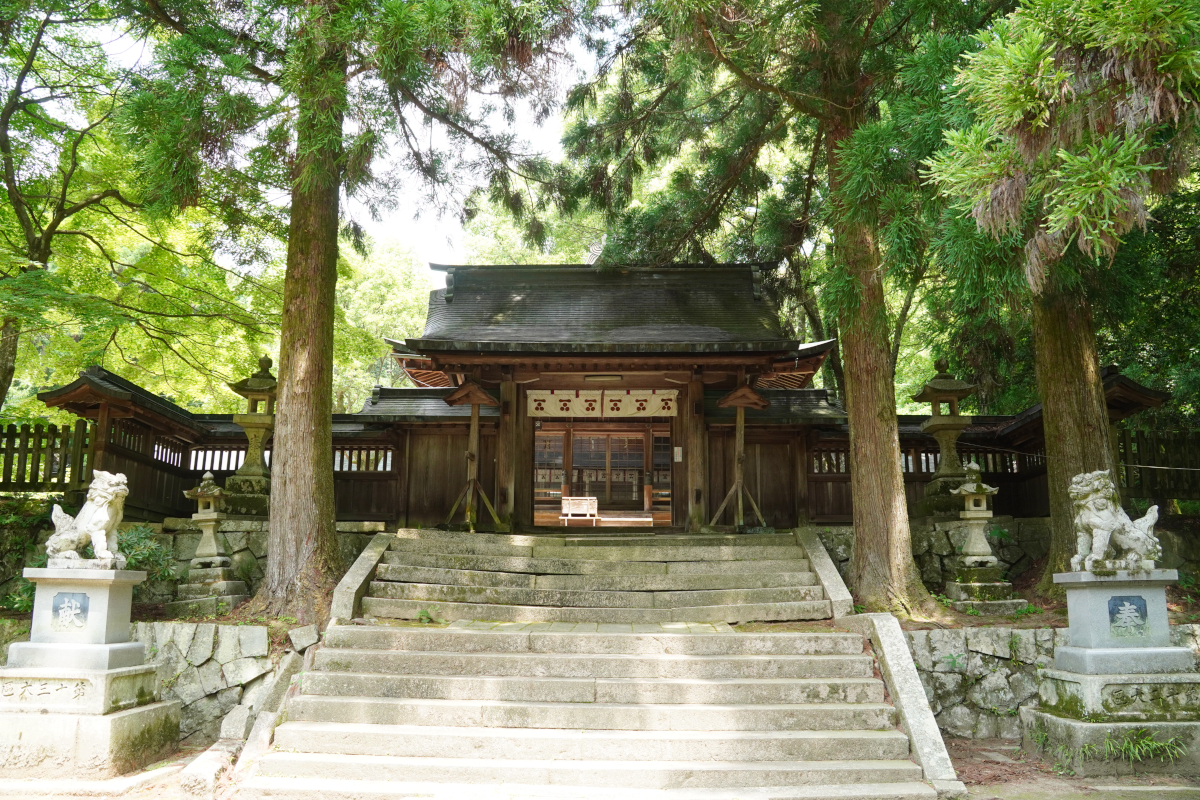
Rurikoji Temple is a Soto Zen temple located in Koyama-cho, Yamaguchi City. Centered around its national treasure five-storied pagoda, the temple grounds are called Koyama Park and are also known as a famous spot for cherry blossoms and plum blossoms. This important temple conveys the Ouchi culture of the Ouchi clan’s heyday and is a must-see spot for tourists visiting Yamaguchi City.
The Founding and History of Rurikoji Temple
The history of Rurikoji Temple has undergone complex changes. It began in 1471 (Bunmei 3), when the wife of Sue Hirofusa founded it in what is now Niho Takano, Yamaguchi City, to mourn her husband. Initially named “Anyoji,” it was renamed “Rurikoji” in 1492 (Meio 1).
The current site of Koyama Park was originally home to “Koshakuji Temple,” built by Ouchi Yoshihiro, the 25th head of the Ouchi clan. After the Battle of Sekigahara, when Mori Terumoto entered Hagi Castle, Koshakuji Temple was moved to Hagi in 1604 (Keicho 9). Rurikoji Temple was then relocated from Niho to its former site in 1690 (Genroku 3), resulting in its current form. Thus, the current Rurikoji Temple and its National Treasure Five-Storied Pagoda have a unique history, having originally belonged to separate temples before becoming integrated through the course of history.
The Relationship Between the Kozan Mausoleum and the Mori Family
Within the grounds of Rurikoji Temple is the Kozan Mausoleum, designated as a national historic site as one of the “Mori Family Mausoleums of the Hagi Domain.” This demonstrates the deep relationship between the Mori family and Rurikoji Temple and is an indispensable element in discussing the history of Yamaguchi.
National Treasure Rurikoji Five-Storied Pagoda | The Beauty of One of Japan’s Three Famous Pagodas
The Rurikoji Five-Storied Pagoda was planned by Morimi, the 26th head of the Ouchi clan, to commemorate his brother Yoshihiro, the 25th head of the Ouchi clan, who died in the Oei Rebellion in 1399. However, Morimi also died in battle against the Shoni forces in Kyushu, and the pagoda is said to have been completed around 1442.
Architectural Features and the Secret of its Beauty
The Rurikoji Five-Storied Pagoda, a National Treasure, stands 31.2 meters tall. Its most striking features are its elegant proportions, with the tower slenderizing towards the top, and the graceful curve of its cypress bark roof. This refined aesthetic beauty has earned it the title of one of Japan’s three most famous pagodas, alongside the Horyu-ji Five-Storied Pagoda in Nara and the Daigo-ji Five-Storied Pagoda in Kyoto.
This five-storied pagoda, which strongly retains the architectural style of the mid-Muromachi period, was designated a National Treasure in 1952 as a valuable structure that conveys the essence of Ouchi culture. Its meticulous wooden joinery, well-balanced structure, and harmonious appearance with the surrounding nature are highly regarded as one of the finest examples of Japanese architecture.
Reiwa Era Major Renovation | First Complete Roof Replacement in Approximately 70 Years
The Rurikoji Five-Story Pagoda underwent a complete roof replacement (Reiwa Era Major Renovation) during the Reiwa era, the first such replacement in approximately 70 years. This large-scale restoration has restored the pagoda to its original beauty, ensuring its continued preservation for future generations.
Hinoki bark roofing is a traditional Japanese roofing technique, created by layering multiple sheets of cypress bark. While periodic replacement is necessary, its beautiful curves and the texture unique to natural materials further enhance the elegance of the pagoda.
Koyama Park | Enjoying Nature and History Through the Seasons
Koyama Park, where the Rurikoji Five-Story Pagoda stands, is a beautifully maintained park where nature and history harmonize. Within the park, in addition to the five-story pagoda, there are numerous historical sites such as the Rozando Hall and the Shinryutei Pavilion, as well as many other attractions including a bronze statue of Ouchi Hiroyoshi and the Full Moon Garden.
Spring at Koyama Park | Famous for Plum and Cherry Blossoms
In spring, Koyama Park is a popular spot for viewing plum and cherry blossoms, attracting many visitors. From late February to early March, the plum blossoms are in full bloom, creating a beautiful landscape with the five-story pagoda as a backdrop.
From late March to early April, the cherry blossoms are in full bloom, creating a spectacular contrast between the pagoda and the blossoms. The park is also illuminated at night, allowing visitors to enjoy the magical sight of the cherry blossoms and pagoda in the evening.
Summer: Fresh Greenery and Azaleas
In early summer, Koyama Park is enveloped in vibrant fresh greenery. Around May, azaleas bloom profusely, coloring the area around the five-story pagoda. It’s a season to enjoy a refreshing stroll amidst the lush green environment.
Autumn Foliage | The Most Beautiful Season
Many tourists describe Koyama Park as “the most beautiful” in autumn. From mid- to late November, the maple and ginkgo trees change color, vividly adorning the five-story pagoda. The combination of the pagoda and autumn leaves, especially when silhouetted against the morning mist, is truly picturesque.
During the autumn nighttime illumination, the autumn leaves and pagoda are fantastically lit, offering a different atmosphere from the daytime.
Winter Snowscape | The Five-Story Pagoda Enveloped in Silence
The snow-covered five-story pagoda displays a special beauty filled with silence and solemnity. While snowfall is not heavy in Yamaguchi City, the pagoda on a snowy day has a unique charm and is a popular subject for photography enthusiasts.
Nighttime Illumination | The Fantastical Appearance of the Five-Story Pagoda
The Rurikoji Five-Story Pagoda is illuminated daily from sunset until 11 PM. The five-story pagoda, illuminated in the darkness, displays a completely different, fantastical beauty compared to the daytime, illuminating Koyama Park at night as a symbol of “Yamaguchi, the Kyoto of the West.”
The illumination during cherry blossom and autumn foliage seasons is particularly breathtaking, allowing visitors to enjoy different expressions depending on the season. The reflection of the five-story pagoda in the pond is also a must-see.
Highlights within Koyama Park
Rozando
This building is said to be the former residence of Reizei Tamehiro, a poet who served Ouchi Masahiro, a poet of the Muromachi period. It is also used as a tea room, and its elegant atmosphere captivates visitors.
Chinryutei
This tea room is located within Koyama Park, built in a tranquil garden. It is a space where you can experience the beauty of a Japanese garden and the culture of the tea ceremony.
Statue of Ouchi Hiroyoshi
A bronze statue of Ouchi Hiroyoshi, the 24th head of the Ouchi clan and the man who developed Yamaguchi into the “Kyoto of the West,” stands within the park. It symbolizes the prosperity of Ouchi culture.
Full Moon Garden
This beautiful Japanese garden, located within Koyama Park, features a pond and strolling paths. The harmonious blend of seasonal plantings and stonework makes it a popular resting spot during walks.
Rurikoji Temple Museum | Deepening Your Understanding of the Five-Storied Pagoda’s History
Koyama Park houses the Rurikoji Temple Museum, which boasts extensive exhibits on the history, architectural techniques, and Ouchi culture of the National Treasure Five-Storied Pagoda. Through structural models and historical materials, you can gain a deeper understanding of the pagoda’s value.
Visiting the museum before or after your visit will deepen your understanding of the pagoda and make for a more fulfilling sightseeing experience.
Ouchi Culture and Rurikoji Temple | The History of Yamaguchi, the “Kyoto of the West”
The Rurikoji Five-Storied Pagoda is a cultural legacy of the Ouchi clan, who made Yamaguchi a prosperous “Kyoto of the West” during the Muromachi period. The Ouchi clan actively adopted Kyoto’s aristocratic culture, developing Yamaguchi into a cultural and economic center of western Japan.
The History of the Ouchi Clan and the Five-Storied Pagoda
The Ouchi clan were powerful daimyo (feudal lords) based in Suo and Nagato provinces. They amassed wealth through trade with Korea and the Ming Dynasty, and transplanted Kyoto’s culture to Yamaguchi. The 25th head of the clan, Yoshihiro, died fighting against Ashikaga Yoshimitsu in the Oei Rebellion. His younger brother, Morimi, began the construction of the five-storied pagoda to commemorate his brother. Morimi also died in battle, but the pagoda was completed and remains to this day as a symbol of Ouchi culture.
The Cultural Significance of Yamaguchi, the “Kyoto of the West”
During the Ouchi clan’s era, Yamaguchi flourished as a cultural city second only to Kyoto, earning the title of “Kyoto of the West.” The Rurikoji Five-Storied Pagoda is a testament to its cultural prosperity and a valuable cultural asset that conveys the high level of architectural technology and aesthetic sense of the time.
Nearby Tourist Attractions | Places to Visit Alongside Rurikoji Temple
Tourist Areas in Yamaguchi City
Numerous tourist attractions where you can experience Yamaguchi’s history and culture are scattered around Rurikoji Temple.
Yamaguchi Xavier Memorial Cathedral
A Catholic church within walking distance of Rurikoji Temple. A beautiful cathedral built to commemorate the missionary activities of Francis Xavier in Yamaguchi.
Yamaguchi Prefectural Museum of Art
Located approximately 1.5 km from Koyama Park, it houses and displays artworks related to Yamaguchi Prefecture, including works by Sesshu.
Joeiji Temple Sesshu Garden
A national historic site and scenic spot said to have been created by Sesshu, a painter-monk of the Muromachi period. Known as a masterpiece of Japanese garden design.
Yuda Onsen | A Base for Yamaguchi Sightseeing
Located approximately 3km from Rurikoji Temple, Yuda Onsen is an ideal base for exploring Yamaguchi Prefecture. This hot spring town boasts abundant hot spring water and is lined with numerous inns and hotels, perfect for relaxing and unwinding after a day of sightseeing.
Yuda Onsen is easily accessible from Rurikoji Temple, just about 10 minutes away by bus or taxi. The hot spring town also offers plenty of footbaths and restaurants, allowing you to enjoy both sightseeing and hot springs.
Access Information | How to Get to Rurikoji Temple
Access by Public Transportation
From JR Yamaguchi Station
- Walking: Approximately 30 minutes (approximately 2.5 km)
- Bus: Approximately 10 minutes by bus bound for “Prefectural Office” from the JR Yamaguchi Station bus stop, get off at “Kozan Park Five-Storied Pagoda” bus stop.
- Taxi: Approximately 10 minutes
From JR Shin-Yamaguchi Station
- Bus: Approximately 30 minutes by bus bound for “Prefectural Office” from the Shin-Yamaguchi Station bus stop, get off at “Kozan Park Five-Storied Pagoda” bus stop.
- Taxi: Approximately 20 minutes
From Yuda Onsen
- Bus: Approximately 10 minutes from the Yuda Onsen bus stop, get off at “Kozan Park Five-Storied Pagoda” bus stop.
- Taxi: Approximately 10 minutes
- Walking: Approximately 40 minutes (It is also possible to enjoy a stroll while walking)
Access by Car and Parking
From the Chugoku Expressway
- Approximately 20 minutes from Ogori Interchange
Parking Information
There are several parking lots around Koyama Park.
- Koyama Park Parking Lot (Free, approximately 100 spaces)
- Paid parking lots in the surrounding area are also available.
During peak tourist seasons and weekends, it can get crowded, so we recommend arriving early.
Visiting Information | Opening Hours and Fees
Basic Information
Visiting Hours
- Koyama Park: Open all day (24 hours)
- Rurikoji Temple Main Hall: 9:00 AM – 5:00 PM (may vary depending on the season)
Admission Fee
- Viewing the exterior of Koyama Park and the Five-Storied Pagoda: Free
- Rurikoji Temple Museum: Adults 200 yen, Junior high school students and younger free
Illumination Hours
- Sunset – 11:00 PM (daily)
Closed Days
- Koyama Park: None (open all year round)
- Rurikoji Temple Museum: Mondays (or the following day if Monday is a public holiday), New Year holidays
Estimated Time Required
- Stroll around the Five-Storied Pagoda and Koyama Park: 30 minutes – 1 hour
- Including a visit to the museum: 1 hour – 1 hour 30 minutes
- Stroll including surrounding historical sites: 2 hours – 3 hours
Best Season and Recommended Time to Visit Rurikoji Temple
Best Season
Spring (Late March to Early April)
Cherry blossom season. The collaboration of the five-story pagoda and cherry blossoms is a spectacular sight.
Autumn (Mid-to-Late November)
Autumn foliage season. Many tourists visit during this most beautiful time.
Winter (January to February)
The five-story pagoda in a snowy landscape is exceptionally beautiful. There are fewer tourists, allowing for quiet appreciation.
Recommended Time
Early Morning (6:00-8:00)
The five-story pagoda enveloped in morning mist is fantastical and perfect for photography. There are fewer tourists, allowing for quiet appreciation.
Evening (Around Sunset)
Enjoy the transition from the five-story pagoda illuminated by the setting sun to the illuminated pagoda.
Nighttime (Illuminated)
The fantastically illuminated five-story pagoda is a must-see. The reflection of the five-story pagoda in the pond is also beautiful.
Photo Spots | Beautiful Photos of the Five-Story Pagoda
Recommended Shooting Points
Classic Frontal Angle
The angle of capturing the five-story pagoda head-on from the entrance of Koyama Park is the most classic and beautiful composition.
Five-Story Pagoda Across the Pond
This spot allows you to photograph the reflection of the five-story pagoda in the pond. On windless days, the pagoda is reflected on the mirror-like surface of the water.
Combination with Autumn Leaves or Cherry Blossoms
Including seasonal flowers or autumn leaves in the foreground makes for a more impressive photograph.
Nighttime Illumination
Using a tripod and long exposure, you can capture the five-story pagoda in a fantastical nighttime light-up.
Photography Etiquette
- When using a tripod, be careful not to obstruct the passage of other tourists.
- Entering private property is strictly prohibited.
- When taking photos in the early morning or at night, please be considerate of nearby residents.
Points to Note and Etiquette When Visiting Rurikoji Temple
Worship Etiquette
Rurikoji Temple is an active temple. Please understand that it is not only a tourist spot but also a place of worship, and observe the following etiquette.
- Please refrain from speaking loudly inside the main hall.
- Photography is only permitted in designated areas.
- Please take all your trash with you.
- Do not touch plants or buildings.
Clothing and Belongings
- As Koyama Park has uneven terrain, comfortable walking shoes are recommended.
- In summer, the sun is strong, so please bring a hat, parasol, and water.
- In winter, it gets cold, so please remember to dress warmly.
- In rainy weather, in addition to an umbrella, please be careful as the ground can be slippery.
Yamaguchi City History and Culture Experience
Take the opportunity to visit Rurikoji Temple to experience the rich history and culture of Yamaguchi City more deeply.
Ouchi Culture Experience
Various experience programs related to Ouchi culture are available in Yamaguchi City. You can experience traditional crafts such as Ouchi lacquer painting and Ouchi doll making.
Yamaguchi Food Culture
There are many restaurants around Rurikoji Temple and in Yamaguchi City where you can enjoy local Yamaguchi cuisine. Enjoy local delicacies such as fugu (pufferfish) dishes, kawara soba (buckwheat noodles served on a hot tile), and Yamaguchi uiro (a type of steamed rice cake).
Summary | Fully Experience the Charm of Rurikoji Five-Storied Pagoda
The Rurikoji Five-Storied Pagoda, a national treasure, is a masterpiece of Muromachi period architecture, counted among Japan’s three most famous pagodas, and continues to be loved by many as a symbol of “Yamaguchi, the Kyoto of the West.” It is a valuable cultural asset that conveys the essence of Ouchi culture, and its beautiful scenery, harmonizing with the changing seasons, deeply moves visitors.
Combining a stroll through Koyama Park, visiting nearby historical sites, and staying at Yuda Onsen (hot spring resort) will allow you to enjoy a more fulfilling Yamaguchi sightseeing experience. The five-storied pagoda, which shows different expressions depending on the season and time of day—cherry blossoms in spring, autumn leaves, and nighttime illuminations—offers new discoveries and emotions with every visit.
The Rurikoji Five-Storied Pagoda, a national treasure, has been beautifully restored after its major renovation in the Reiwa era, the first in approximately 70 years. Be sure to see its elegant form with your own eyes. Rurikoji Temple, where history, nature, and the beauty of Japanese architecture harmonize, is a must-see tourist spot when visiting Yamaguchi.