Complete Guide to Saifuku-ji Temple | History, Cultural Properties, and Visiting Information for Famous Temples Across Japan
There are several temples named “Saifuku-ji” throughout Japan, each with its own unique history and cultural properties. This article provides a detailed explanation of Saifuku-ji Temples throughout Japan, including the Jodo sect temple in Tsuruga City, Fukui Prefecture, which boasts a nationally designated important cultural property; the Soto sect temple in Uonuma City, Niigata Prefecture, known for its Ishikawa Uncho sculptures; and other Saifuku-ji temples across the country, covering everything from their historical background to visiting information.
Saifuku-ji Temple in Tsuruga City, Fukui Prefecture | Nationally Designated Important Cultural Property and Scenic Garden
History and Origins of Ohara-san Saifuku-ji Temple
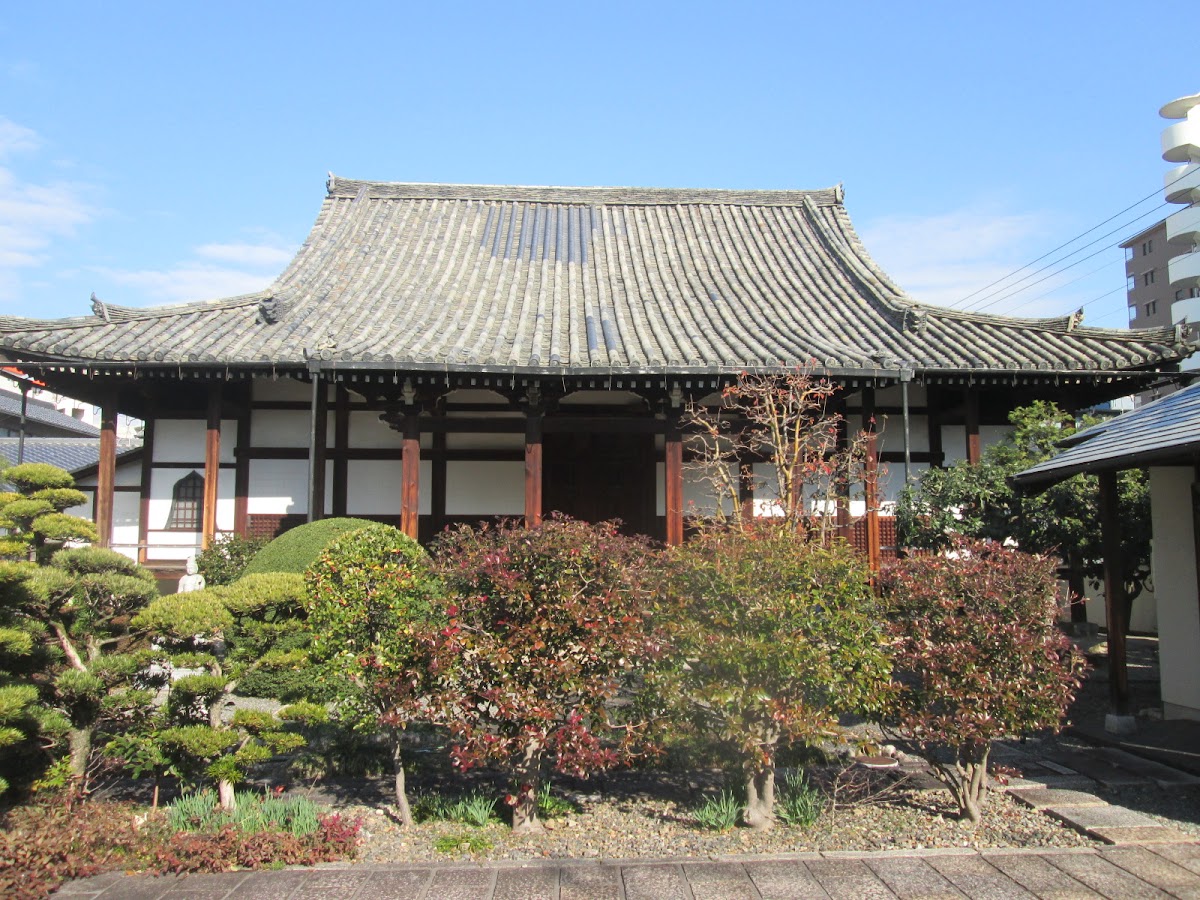
Located in Hara, Tsuruga City, Fukui Prefecture, Ohara-san Saifuku-ji Temple is a prestigious temple belonging to the Chinzei branch of the Jodo sect. Founded by Ryōnyo Shōnin, this temple is known as “Echigo no Shūrei” (Beautiful Peaks of Echigo) and attracts many worshippers as a “temple of good fortune” with a history as an imperial prayer temple.
Also known as Myōkain, the temple complex, dating back to the Edo period, still retains much of its original character. It has a history of playing a vital role as a center for spreading the teachings of the Jōdo sect in Tsuruga.
Nationally Designated Important Cultural Properties
The most distinctive feature of Seifuku-ji Temple is that its main buildings are designated as National Important Cultural Properties. The buildings, including the Miei-dō (Founder’s Hall), Amida-dō (Amida Hall), and Shoin (Study Hall), are valuable cultural heritage sites that convey the architectural style of the Edo period.
The Miei-dō is the central building housing the principal image, characterized by its exquisite woodworking techniques and elegant design. The Amida-dō, as a hall enshrining Amida Buddha, forms the core space of faith in Jōdo sect temples. The Shoin served as both a living space for monks and a reception area for visitors.
These structures are not only valuable individually, but they also form a harmonious temple layout within the entire grounds, and are highly regarded as an important example of the perfected form of Edo period temple architecture.
Nationally Designated Scenic Spot: Shoin Garden
The vast Shoin Garden, covering approximately 1,400 tsubo (approximately 4,600 square meters), is the pride of Saifuku-ji Temple and is designated a National Scenic Spot. Created in the mid-Edo period, this garden is said to represent the Pure Land on earth, embodying the religious worldview unique to Jodo sect temples.
The garden displays different expressions throughout the seasons. In spring, new greenery sprouts; in summer, water lilies adorn the water’s surface; in autumn, autumn leaves color the grounds; and in winter, the snowscape exudes a serene beauty. The view of the garden from the corridor provides visitors with deep spiritual peace.
The garden, incorporating elements of a pond-centered strolling garden, is designed to allow visitors to enjoy the scenery from various angles while walking, with the stonework, plantings, and water flow arranged in exquisite balance.
Tsuruga City Designated Tangible Cultural Properties and Shaributsu
In addition to nationally designated cultural properties, Seifuku-ji Temple also possesses several tangible cultural properties designated by Tsuruga City. These are preserved as important historical materials that tell the story of the region.
The Shaributsu (relic of Buddha) held by the temple is one of the most sacred relics in Buddhism and is an object of worship. Furthermore, there are halls dedicated to Konpira-do and Benzaiten, making it a place where diverse beliefs coexist.
Visiting Information and Access
Location: 13-7 Hara, Tsuruga City, Fukui Prefecture
Phone: 0770-22-3926
Sect: Jodo-shu Chinzei-ha
Visiting: Please inquire by phone in advance.
The temple is located approximately 10 minutes by car or 30 minutes on foot from Tsuruga Station. Tea ceremonies and memorial services are regularly held on the temple grounds, and limited-edition Goshuin (temple stamps) are also popular.
Nishifuku-ji Temple in Uonuma City, Niigata Prefecture | The Sculptural Art of Ishikawa Uncho
Overview of Akagi-san Nishifuku-ji Temple
Akagi-san Nishifuku-ji Temple, located in Oura, Uonuma City, Niigata Prefecture, is a Soto Zen temple founded in 1534 (Tenbun 3) during the late Muromachi period by the founding priest, Hoshitsu Soshun Daiohsho. This temple, also known as “Echigo Nikko,” is nationally renowned for the works of Ishikawa Uncho, one of Japan’s leading sculptors.
Masterpieces by Ishikawa Uncho
The greatest highlight of Seifuku-ji Temple is the Kaisando (Founder’s Hall), located next to the main hall. Built in 1857 (Ansei 4) by the 23rd head priest during the late Edo period, this hall features sculptures, paintings, and plasterwork by Ishikawa Uncho, both inside and out.
Ishikawa Uncho was a master craftsman of the late Edo period, sometimes called “Japan’s Michelangelo,” and his skill is considered extraordinary. The sculptures adorning the ceiling, transoms, pillars, and other parts of the Kaisando are breathtaking, depicting diverse motifs such as dragons, phoenixes, flowers and birds, and human figures in three dimensions.
In particular, masterpieces such as the Dogen Zenji Subduing the Tiger and the Shakyamuni Nirvana are highly regarded as representing the pinnacle of Uncho’s art. These sculptures are not merely decorative, but religious art that visually conveys the teachings of Zen Buddhism.
Architectural Features
The founder’s hall boasts a magnificent large roof made of zelkova wood and thatched roofing, and is covered by a protective roof to withstand the snowy climate. This double structure protects the valuable cultural artifact from snow damage while simultaneously creating a unique space.
The main hall was built in the Edo period in the Tang style (Zen Buddhist style) and exhibits a typical temple layout for a Soto Zen temple.
Visiting Information and Precautions
Location: 174 Oura, Uonuma City, Niigata Prefecture
Sect: Soto Zen
Visiting Hours: May be closed or have reduced hours during the winter season (generally December to March)
Visiting Format: Self-guided (individual viewing)
Even for group visits, individual viewing is requested. Tour organizers are advised to check the latest information on the official website in advance. Winter operating status must be confirmed before visiting.
Access Information
Approximately 20 minutes by bus or taxi from JR Joetsu Line’s “Koide Station” or “Urasa Station.” As a tourist spot in Uonuma City, it’s an important base for Uonuma sightseeing, with many other attractions nearby.
Nishifuku-ji Temple in Konan-ku, Yokohama City | A Soto Zen Temple in an Urban Area
Nirakusan Nishifuku-ji Temple (Kamiooka Kannon)
Nirakusan Nishifuku-ji Temple, located in Kamiooka-higashi, Konan-ku, Yokohama City, Kanagawa Prefecture, is a Soto Zen temple also known as “Kamiooka Kannon.” Despite its convenient urban location, less than a 10-minute walk from Kamiooka Station on the Keihin Kyuko Line, it maintains a tranquil temple grounds.
As an urban temple, it plays a central role in the local community and is characterized by its temple management that responds to modern needs.
Location: Kamiooka-Higashi, Konan-ku, Yokohama City
Sect: Soto Zen
Access: Approximately 10 minutes on foot from Keikyu Line “Kamiooka Station”
Seifuku-ji Temple of the Jodo Shinshu Honganji School
Temples with Shinran Shonin as their Founder
There are several Seifuku-ji temples of the Jodo Shinshu Honganji School throughout Japan. These temples revere Shinran Shonin as their founder and transmit the teachings of Jodo Shinshu, which believes in the original vow of Amida Buddha.
In 2024, the 750th anniversary memorial service for Shinran Shonin was solemnly held in various locations, and many followers gathered. Regular memorial services, such as perpetual sutra recitation services, are also held, and they function as centers of faith in the community.
Each temple is also undertaking modern initiatives such as “Buppu Cafes,” creating spaces where people can feel closer to Buddhism. Through events such as the Flower Festival Parade, the temple actively engages with the local community.
Origin and Characteristics of the Temple Name “Seifuku-ji”
Meaning of “Seifuku”
The name “Seifuku-ji” is frequently found in temples of the Pure Land Buddhism tradition. “Se” refers to the Western Pure Land, and “Fuku” signifies happiness and good fortune, expressing a faith that desires happiness in the Western Pure Land.
This is why there are many Seifuku-ji temples in sects centered on Amida Buddhism, such as the Jodo-shu, Jodo Shinshu, and Ji-shu. However, the name Seifuku-ji can also be found in Zen Buddhist temples, such as the Soto-shu, with interpretations based on the doctrines of each sect.
Reasons for the Nationwide Existence
The existence of numerous temples with the same name throughout Japan stems from the spread of Buddhism from the medieval to the early modern period. It is believed that influential figures and monks in various regions chose the name “Seifuku-ji” with auspicious meanings when establishing temples as centers of faith in their respective areas.
Each Saifuku-ji temple is an independent temple, and they differ greatly in terms of sect, history, cultural assets, and size. When visiting, it is important to check the location and characteristics of the temple you wish to visit beforehand.
Points to Note and Manners When Visiting Saifuku-ji Temple
Things to Check Before Visiting
When visiting Saifuku-ji Temple, please note the following:
- Identifying the Temple: There are multiple temples with the same name, so please confirm the exact location.
- Visiting Hours: Visiting hours vary depending on the temple.
- Winter Closure: Temples, especially those in snowy regions, may be closed or have reduced hours during the winter.
- Advance Notice: Advance notice is required for group visits.
- Admission Fee: Fees vary by temple.
Visiting Manners
Temples are places of worship, and the protection of cultural properties is important:
- Quiet: Please be quiet within the temple grounds.
- Photography: Please refrain from taking photos in areas where photography is prohibited.
- No Touching: Please do not touch cultural properties.
- Clothing: Please avoid revealing clothing and visit in appropriate attire.
- Smoking and Eating: Please refrain from smoking and eating outside of designated areas.
Privacy Policy and Personal Information
Modern temples may require you to provide personal information when applying for memorial services or participating in events. Please check each temple’s privacy policy and understand how your personal information will be handled before using their services.
Tourist Spots Around Seifuku-ji Temple
Around Tsuruga City (Fukui Prefecture)
When visiting Seifuku-ji Temple in Tsuruga City, Fukui Prefecture, you can also visit the following spots:
- Kehi Shrine: An ancient shrine that serves as the guardian deity of the Hokuriku Road
- Kanazaki Shrine: A shrine known for its cherry blossoms
- Tsuruga Port: A tourist area where you can experience the atmosphere of a port town
- Kehi Pine Grove: One of Japan’s three great pine groves
Around Uonuma City (Niigata Prefecture)
Around Seifuku-ji Temple in Uonuma City, Niigata Prefecture:
- Eirin-ji Temple: A temple that houses works by Uncho
- Uonuma no Sato: A sake brewery of Hakkaisan
- Okutadami Lake: Natural beauty throughout the seasons
- Oze: A treasure trove of alpine plants (summer)
Annual Events at Each Seifuku-ji Temple
Regular Memorial Services and Special Events
Each Seifuku-ji temple holds regular memorial services monthly, according to its sect:
Jodo-shu temples hold monthly memorial services, spring and autumn equinox services, and Obon (Buddhist festival) services.
Jodo Shinshu temples hold important events such as monthly regular Dharma services, Hoonko (memorial service for Shinran Shonin’s death anniversary), and perpetual sutra recitation services.
Soto-shu temples hold Zen-specific events such as Zen meditation sessions, founder’s memorial services, and Daruma memorial services.
Special Public Openings of Cultural Properties
Seifuku-ji temples, which house cultural properties, sometimes hold special public openings of cultural properties that are normally closed to the public. These openings often coincide with the spring and autumn tourist seasons and Cultural Property Protection Weeks, so it is recommended to check the official website or the tourist association’s information.
Goshuin (Temple Seals) and Amulets
Types of Goshuin
Each Saifuku-ji temple offers its own unique goshuin. Saifuku-ji temple in Tsuruga City, Fukui Prefecture, is particularly popular for its seasonal and specially-issued goshuin.
Goshuin are proof of your temple visit; they should be cherished as a record of your faith, not a collection. It is proper etiquette to bring your goshuincho (goshuin notebook) and respectfully request one.
Amulets and Souvenirs
Each temple offers amulets and souvenirs that reflect its unique characteristics:
- Victory Charm: Saifuku-ji Temple, Tsuruga City, Fukui Prefecture (known as a temple of victory)
- Academic Achievement Charm: Available at each temple
- Traffic Safety Charm: Responding to modern needs
- Health and Longevity Charm: Responding to the needs of an aging society
Saifuku-ji Temple’s Cultural Property Preservation Activities
Preservation and Repair of Important Cultural Properties
Saifuku-ji Temple, which houses nationally designated important cultural properties, conducts regular preservation and repair work. Since wooden buildings inevitably deteriorate over time, expert surveys and planned repairs are essential.
Repairing cultural properties requires significant expense and specialized skills. In addition to subsidies from the national and local governments, donations and admission fees are used to cover repair costs.
Passing on to Future Generations
Beyond the physical preservation of cultural properties, educational activities to convey their value and significance to future generations are also crucial. Educational travel programs for school personnel and cultural heritage lectures for the general public are held.
Summary: The Diverse Charms of Saifuku-ji Temples
Saifuku-ji temples, scattered throughout Japan, are valuable temples, each possessing its own unique history and culture. From the nationally designated important cultural property and scenic garden in Tsuruga City, Fukui Prefecture, to the Ishikawa Uncho sculptures in Uonuma City, Niigata Prefecture, and various Jodo, Jodo Shinshu, and Soto Zen temples, they offer a diverse range of attractions.
When visiting, understanding the characteristics of each temple and observing appropriate manners during your visit will lead to a deeper experience. We encourage you to actually visit Saifuku-ji temples, which play a vital role in the preservation of cultural properties and the transmission of faith, and experience their charm firsthand.
Temples are not merely tourist spots; they are places that have supported the faith and culture of local people throughout their long history. Even today, they play a central role in local communities through religious services and events. By visiting Saifuku-ji temples, you can experience the profound depth of Japanese Buddhist culture and history.