Complete Guide to Saiganji Temples: History, Highlights, and Access Information for Saiganji Temples Nationwide
There are several temples named Saiganji throughout Japan. Each has a different sect, history, and origin, and has attracted local faith. This article provides a detailed explanation of the historical background, cultural assets, highlights, and visiting information for representative Saiganji temples.
What is Saiganji?: Origin of the Name and Nationwide Distribution
The name Saiganji means “the shore of the Western Pure Land” in Buddhism. It is a name based on Pure Land Buddhism, which seeks to reach the Western Pure Land where Amida Buddha resides, and is particularly common in temples of the Jodo sect and Jodo Shinshu sect. Saiganji temples exist throughout Japan, each deeply intertwined with the history of its region.
Major Saiganji temples include the Saiganji in Fushimi Ward, Kyoto City, known for its Abura-kake Jizo (oil-splashing Jizo); the Saiganji in Fukakusa, Fushimi Ward, Kyoto City, associated with Shinran Shonin; the Jodo sect Saiganji in Bunkyo Ward, Tokyo; and the Rinzai sect Saiganji in Iijima Town, Nagano Prefecture. Each has its own unique history and culture, and has functioned as a center of faith in its region.
Saiganji in Fushimi Ward, Kyoto City (Abura-kake Jizo)
History and Founding
Saiganji in Fushimi Ward, Kyoto City, is a Jodo sect temple officially called “Abura-kake-san Jizo-in Saiganji.” It was founded in 1590 by Unkai Shonin. This temple is widely known as “Abura-kake Jizo” and attracts worshippers seeking business prosperity.
From its founding, it developed as a center of Jizo worship, and during the Edo period, it flourished as a temple that attracted the faith of ordinary people. As a temple with a unique form of worship that blends the teachings of the Jodo sect with the faith in Jizo Bodhisattva, it occupies an important position in Kyoto’s religious culture.
The Origin and Legend of the Oil-Pouring Jizo
There is an interesting legend about how Saiganji Temple came to be known as the “Oil-Pouring Jizo.” One day, an oil merchant from Yamazaki tripped in front of the temple gate, spilling almost all of his oil. Disheartened by the great loss, the merchant accepted it as misfortune and poured the remaining oil over Jizo Bodhisattva as an offering. It is said that afterward, his business prospered, and he became very wealthy.
From this legend, the custom arose of people praying for business prosperity by pouring oil over Jizo Bodhisattva. Even today, worshippers praying for business prosperity and increased wealth can be seen pouring oil over the statue. This unique method of worship is known as rare among Kyoto’s temples.
Highlights and Cultural Assets
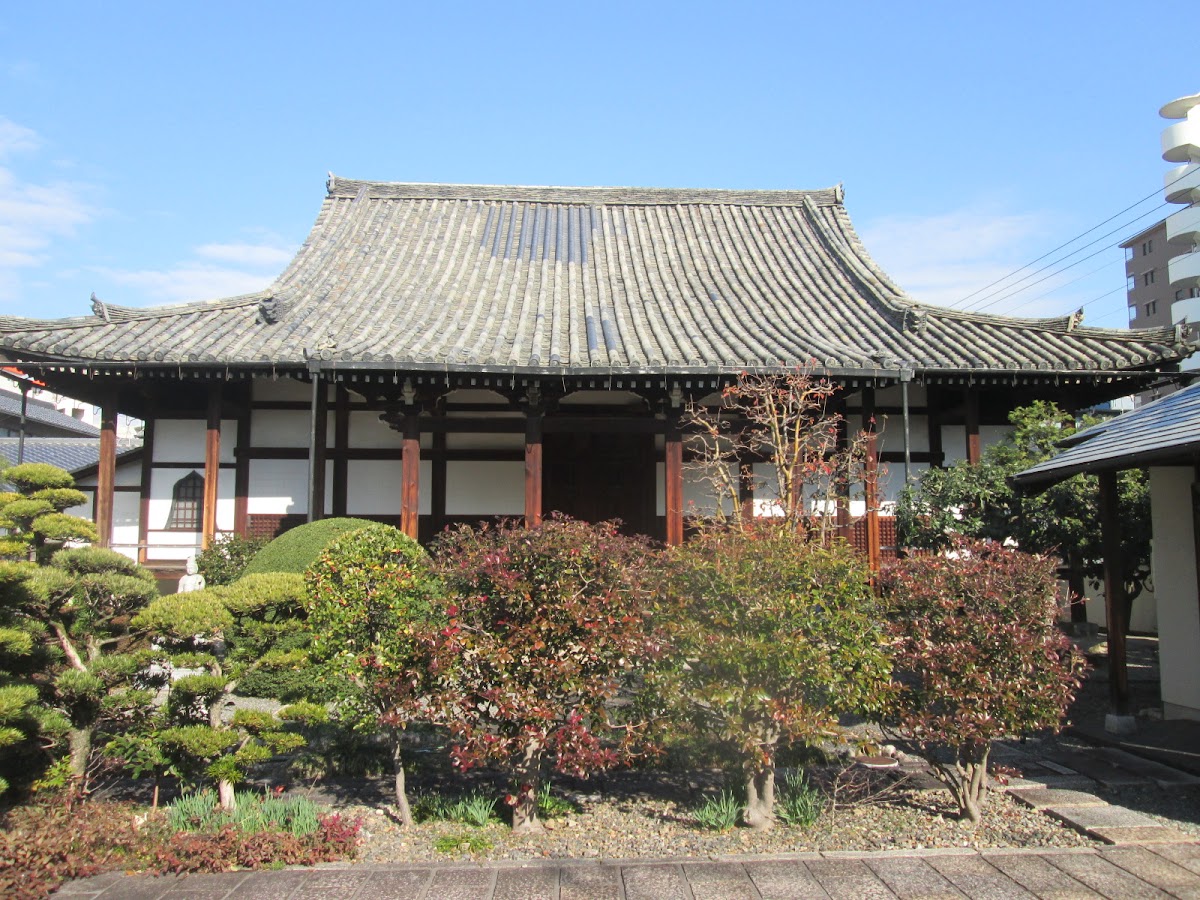
The Jizo Bodhisattva statue, the principal image of Abura-kake Jizo, has a unique patina due to years of being doused in oil. Furthermore, several stone Buddha statues and monuments dating back to the Edo period are found within the temple grounds, conveying the state of popular faith at that time.
The main hall retains the architectural style of the late Edo period, reflecting the simple yet dignified construction of Kyoto’s townspeople culture. Although small, the temple grounds are meticulously maintained, providing a peaceful space for worship away from the hustle and bustle of the city.
Access and Visiting Information
The temple is accessible via the Kyoto Municipal Subway and Keihan Railway. Other famous temples and shrines, such as Fushimi Inari Taisha and Tofuku-ji, are located nearby, making them convenient additions to a Kyoto sightseeing trip. While visits are usually free, it is recommended to check in advance if there are any religious ceremonies or other events.
Seiganji Temple in Fukakusa, Fushimi Ward, Kyoto City (A Temple Associated with Shinran Shonin)
History and its Relationship to Shinran Shonin
Seiganji Temple, located in Fukakusa, Fushimi Ward, Kyoto City, is a temple of the Jodo Shinshu Honganji sect and is known as the mausoleum of Tamahihime, the wife of Shinran Shonin. This temple has a history of approximately 800 years and is said to have originated from a small hall of Hoshoji Temple, the family temple of the Fujiwara clan during the Heian period.
Shinran Shonin married Tamahihime, the daughter of Kujo Kanezane, a member of the Fujiwara clan, but was exiled to Echigo during the Jogen Persecution. It is said that Tamahihime spent her life in this small hall, waiting for Shinran Shonin’s return. Due to this historical background, Seiganji Temple holds significant importance in the faith of Jodo Shinshu Buddhism as a historical site associated with Shinran Shonin.
Tamahihime Mausoleum and Faith
Within the temple grounds is the mausoleum of Tamahihime, an important place of worship for those who admire Shinran Shonin and followers of Jodo Shinshu Buddhism. Tamahihime’s devoted life is recounted as a model of marital bonds and faith, deeply moving many.
The mausoleum is enveloped in a tranquil atmosphere, providing a space of peace and solace to visitors. For followers of Jodo Shinshu Buddhism in particular, it is considered an important place to reflect on the life of Shinran Shonin.
Temple Characteristics and Activities
Saiganji Temple operates with the wish to be a temple where people can find solace and encounter the compassion of Amida Buddha during difficult and sad times. It is open to the local community, holding regular Dharma talks and Buddhist lectures, actively fulfilling the role of Buddhism in modern society.
In the main hall, Buddhist services based on the teachings of Jodo Shinshu Buddhism are held, welcoming not only parishioners but also the general public. The balance between historical significance and modern temple management is a major characteristic of this temple.
Saiganji Temple, Bunkyo-ku, Tokyo
Founding and History
Saiganji Temple, located in Bunkyo-ku, Tokyo, is a Jodo sect temple officially known as “Tokozan Shogonin Saiganji.” It was founded in 1616 (Genna 2) by Honrensha Kakuyo Shonin Chosatsu, a disciple of Ichiren Nenyo, the founder of Sekiguchi Daizenji Temple. Since its founding in the early Edo period, it boasts a history of over 400 years.
During the Edo period, it attracted the faith of samurai and townspeople, developing as a local family temple. Having survived the anti-Buddhist movement after the Meiji Restoration, it continues to transmit the teachings of the Jodo sect to this day.
Grounds and Architecture
Despite its location in the heart of the city, the temple grounds maintain a quiet and peaceful atmosphere. While the main hall is not a historical building that survived wartime destruction, it follows the traditional style of temple architecture. The temple grounds still contain tombstones dating back to the Edo period, preserving the region’s history.
Its convenient location, within walking distance of Korakuen Station, makes it a beloved urban oasis for local residents and visitors alike.
Information for Temple Members
The Seiganji Temple website is primarily operated to provide information and announcements to temple members. Information necessary for parishioners, such as service dates, annual events, and information on Obon and Higan, is regularly updated. A distinctive feature is its use of modern communication methods while maintaining traditional temple management practices.
Seiganji Temple, Taito Ward, Tokyo
Shinshu Otani School Temple
Located in Higashi-Ueno, Taito Ward, Tokyo, Seiganji Temple is a Shinshu Otani School temple, also known as Shōtōzan. Founded in 1710 (Hōei 7) by Chōen, who obtained a license to establish the temple, it has functioned as a center of Shinshu faith in the eastern Tokyo region since its founding in the mid-Edo period.
The Shinshu Otani sect is a branch of Jodo Shinshu Buddhism that inherits the teachings of Shinran Shonin, and its head temple is Higashi Honganji in Kyoto. Saiganji Temple, as a Shinshu Otani sect temple in Tokyo, plays a role in transmitting doctrine and supporting the religious life of the local community.
Connections with the Community
Taito Ward is an area where the downtown culture that has continued since the Edo period remains strong, and Saiganji Temple has functioned as an integral part of the local community. It has strong ties with local residents through the danka system (parishioner system), and is involved not only in funerals and memorial services but also in local cultural events.
Saiganji Temple in Iijima Town, Nagano Prefecture
An Ancient Temple of the Rinzai Sect
Saiganji Temple, located in Iijima Town, Kamiina District, Nagano Prefecture, is a historic temple of the Rinzai sect, founded during the Kamakura period. It is believed that Saiganji Temple was founded around the Juei era (1182-1183) in the area where the Iijima clan, a retainer of the Kamakura Shogunate, had their castle, as a Zen Buddhist temple under the patronage of the shogunate.
The temple’s founding priest is said to be Rankei Dōryū, a high-ranking monk from China who also founded Kenchōji Temple in Kamakura. Rankei Dōryū had a significant influence on the development of Zen Buddhism in Japan, and his disciples founded Zen temples throughout the country. Saiganji Temple is one such temple, becoming a center of Zen Buddhist culture in Shinshu (present-day Nagano Prefecture).
The Charm of the Pond Garden
The greatest highlight of Saiganji Temple is its pond garden, which is said to have existed since the Kamakura period. This garden is believed to have existed since the temple’s founding and is a valuable cultural asset with a history of approximately 800 years. Unlike the dry landscape gardens typical of Zen temples, it is a strolling garden centered around a pond, allowing visitors to enjoy the natural beauty of the four seasons.
The garden retains its medieval style, but has undergone later renovations to reach its current form. Zen philosophy is reflected in the stonework and plantings, and it is designed as a space for calming the mind in tranquility. It is attracting attention from garden enthusiasts and researchers as one of the representative garden cultures of Nagano Prefecture.
Relationship with the Iijima Clan
It is believed that the Iijima clan, a powerful samurai family in the region, was deeply involved in the founding of Saiganji Temple. The Iijima clan ruled this region as retainers of the Kamakura Shogunate. Given the Shogunate’s policy of protecting Zen Buddhism, it is presumed that the Iijima clan also supported the founding of Zen temples.
To the southeast of the temple remain the ruins of the Iijima clan’s castle, a valuable historical landscape illustrating the relationship between samurai and temples in the medieval period.
Visiting Information and Access
Iijima Town in Nagano Prefecture is located in the Ina Valley, nestled between the Central and Southern Alps, and enjoys a rich natural environment. It can be accessed via the JR Iida Line, and from the nearest station, it is a walk or taxi ride away. It is recommended to check with the temple in advance regarding garden visits.
Seiganji Temple, Kameoka City, Kyoto Prefecture
Temple on the Site of Tanba Maruoka Castle
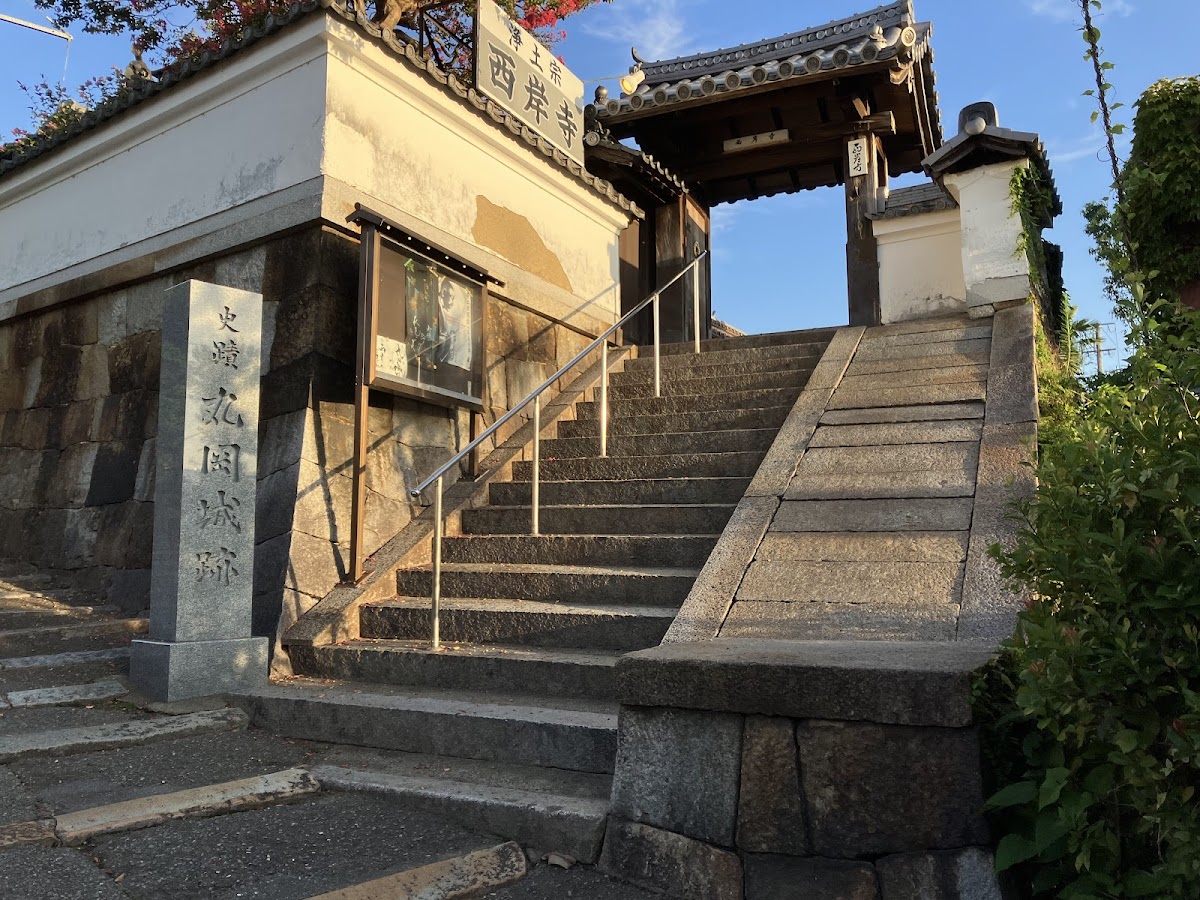
Seiganji Temple, located in Amabe-cho, Kameoka City, Kyoto Prefecture, is a temple built on the site of the main keep of Tanba Maruoka Castle (Amabe Castle). Situated on a small hill where the place name Amabe-cho Kojō (Old Castle) remains, it is an interesting place where the history of the castle and the temple intertwine.
The Tanba region is also known as the area ruled by Akechi Mitsuhide during the Sengoku period, and many historical stories remain at the castle ruins in this region. As a temple with a unique location on a castle site, Seiganji Temple is an important place that conveys the history of the region.
History and Culture of the Tanba Region
Kameoka City is located in the central-western part of Kyoto Prefecture and has flourished as the center of Tanba Province since ancient times. Seiganji Temple, as a temple that has witnessed the historical changes of this region, is a place of faith for the local residents.
One of the attractions of this temple is its location on the site of a former castle, offering a panoramic view of the Kameoka Basin from its grounds.
Characteristics of Saiganji Temple by Sect
Saiganji Temple of the Jodo Sect
At Saiganji temples of the Jodo Sect, Amida Buddha is the principal deity, and the teachings of Honen Shonin, who preached salvation through chanting the Nembutsu (invocation of Amida Buddha), are practiced. Examples include the Saiganji Temple with the Abura-kake Jizo in Kyoto and the Saiganji Temple in Bunkyo Ward, Tokyo. In Jodo Sect temples, faith centered on the Nembutsu, “Namu Amida Butsu,” is practiced, and the teaching that everyone is equally saved is preached.
Saiganji Temple of the Jodo Shinshu Sect
At Saiganji temples of the Jodo Shinshu Honganji sect and the Shinshu Otani sect, salvation is preached based on the teachings of Shinran Shonin, through faith in the original vow of Amida Buddha. Examples include the Saiganji Temple in Fukakusa, Fushimi Ward, Kyoto, and the Saiganji Temple in Taito Ward, Tokyo. In Jodo Shinshu Buddhism, salvation through the power of others, rather than self-reliance, is emphasized, and living according to Buddhist teachings in daily life is highly valued.
Seiganji Temple (Rinzai Zen)
Seiganji Temple in Iijima Town, Nagano Prefecture, is a Rinzai Zen temple characterized by its practice centered on zazen (seated meditation) and the pursuit of enlightenment through koans (riddles). Zen Buddhism emphasizes enlightenment through direct experience, not just through teachings of words and texts. The garden is also an important element in expressing Zen philosophy.
Manners and Etiquette for Visiting the Temple
Basic Temple Visiting Manners
When visiting Seiganji Temple, it is important to observe basic temple visiting manners. Bow when passing through the temple gate and walk quietly within the temple grounds. When praying in the main hall, offer your donation, then clasp your hands together in prayer and pray sincerely.
Regarding photography, even if permitted, consideration should be given to avoiding disturbing other visitors. Photography should be avoided, especially during religious services and inside the main hall.
Differences in Customs by Sect
In Jodo-shu and Jodo Shinshu temples, chanting the Nembutsu (invocation of Amida Buddha) is the basic custom. In Rinzai-shu temples, it is common to join hands in prayer and meditate. It is desirable to respect the customs of each sect when visiting.
How to Visit the Abura-kake Jizo (Oil-Pouring Jizo)
At Saiganji Temple in Kyoto, home to the Abura-kake Jizo, there is a unique method of worship where one pours oil on the statue while praying. Purchase oil provided by the temple and pour it over the Jizo Bodhisattva statue while praying for business prosperity and other wishes. It is important to do this respectfully and with gratitude.
Annual Events and Memorial Services
Major Annual Events
Each Saiganji temple holds annual events according to its sect. In Jodo-shu and Jodo Shinshu temples, major events include the spring and autumn equinox services, the Obon festival, and the December memorial service. These events are sometimes open not only to temple parishioners but also to general visitors.
Special Memorial Services
At Saiganji Temple, associated with Shinran Shonin, the Hoonko service, held on the anniversary of Shinran Shonin’s death, is an important memorial service. In addition, special memorial services related to the history and principal image of each temple are held, such as the anniversary of the temple’s founder and the Jizo Bodhisattva festival.
Saiganji Temple and Local Culture
Business Prosperity Faith
Saiganji Temple in Kyoto, home to the Abura-kake Jizo (oil-pouring Jizo), is known for its faith in business prosperity, attracting many shop owners and businesspeople. The legend of the oil merchant teaches the importance of maintaining faith even in difficult circumstances, and continues to inspire many people today.
Preservation of Historical Landscapes
Saiganji Temple in Iijima Town, Nagano Prefecture, plays a role in protecting the historical landscape of the region by preserving its garden from the Kamakura period. Such preservation of cultural properties also contributes to the formation of the region’s identity.
A Place of Spiritual Solace in Urban Areas
Saiganji Temple in Tokyo is an important place for people seeking peace of mind amidst the hustle and bustle of the city. In modern society, temples function not only as religious institutions but also as places of spiritual healing.
Access Guide to Saiganji Temple
Access to Saiganji Temple in Kyoto
Saiganji Temple in Kyoto is easily accessible by public transportation. To reach Saiganji Temple with its Abura-kake Jizo statue, use the Keihan Railway or the Kyoto Municipal Subway. For Saiganji Temple in Fukakusa, the nearest station is Fukakusa Station on the Keihan Railway. It is also accessible by bus from Kyoto Station.
Access to Saiganji Temple in Tokyo
To reach Saiganji Temple in Bunkyo Ward, the nearest station is Korakuen Station on the Tokyo Metro Marunouchi Line and Namboku Line. It is also within walking distance from Kasuga Station on the Toei Mita Line and Oedo Line. Saiganji Temple in Taito Ward is accessible on foot from JR Ueno Station or Ueno Station on the Tokyo Metro Hibiya Line or Ginza Line.
Access to Saiganji Temple in Iijima Town, Nagano Prefecture
To reach Iijima Town, Nagano Prefecture, take the JR Iida Line. From the nearest station to the temple, you can travel on foot or by taxi. If traveling by private car, the nearest interchanges are Komagane IC or Matsukawa IC on the Chuo Expressway.
Summary: The Diversity and Charm of Saiganji Temples
Saiganji temples throughout Japan each possess their own unique history and culture, supporting local faith. While belonging to different sects such as Jodo-shu, Jodo Shinshu, and Rinzai-shu, the common name “Saigan” embodies the same wish for the Pure Land.
Kyoto’s Abura-kake Jizo is associated with the faith of business prosperity, Fukakusa’s Seiganji Temple embodies the legacy of Shinran Shonin, Tokyo’s Seiganji Temple serves as a center of faith in the city, and Nagano’s Seiganji Temple preserves Zen and garden culture.
Visiting these temples allows one to understand the diversity of Japanese Buddhist culture and the regional forms of faith. Beyond their historical value, the existence of Seiganji Temples, which continue to be a source of spiritual support for people today, demonstrates the richness of Japanese religious culture.
When visiting, it is important to understand the historical background and sectarian characteristics of each temple and to visit with respect. Seiganji Temple, as a place of faith that continues from the past to the present and into the future, will undoubtedly continue to welcome many people.