Complete Guide to Saikoji Temples: History, Origin, and Access Information for Saikoji Temples Across Japan
Saikoji (or Seikoji) is the name of a group of Buddhist temples found throughout Japan. Each Saikoji has its own unique history and origin, and is cherished as a place of faith deeply rooted in its community. This article provides detailed information on the history, highlights of the temple grounds, and access information for major Saikoji temples.
What is Saikoji?: Origin of the Name and Nationwide Distribution
The name Saikoji means “light of the Western Pure Land,” and originates from the belief in the Pure Land in Buddhist teachings. Temples with the same name exist throughout Japan, each belonging to a different sect and possessing its own unique history.
The Saikoji temples throughout Japan primarily belong to the following sects:
- Jodo Shinshu Honganji-ha: The most common sect
- Tendai-shu: With Enryaku-ji Temple on Mount Hiei as its head temple
- Soto-shu: A branch of Zen Buddhism
- Jodo-shu: With Honen Shonin as its founder
These temples are deeply intertwined with local history and culture, and have played a vital role as centers of faith.
Saikoji Temple in Katsushika Ward, Tokyo: An ancient temple boasting a history of 800 years since its founding
Overview of Choetsuzan Raigoin Saikoji Temple
Located in Yotsugi, Katsushika Ward, Tokyo, Saikoji Temple, officially known as “Choetsuzan Raigoin Saikoji,” is a Tendai sect temple founded in 1225. Its head temple is Enryaku-ji Temple on Mount Hiei, and it is known as an ancient temple with a history of nearly 800 years since its founding.
Founder: Kasai Saburo Kiyoshige and the History of the Kamakura Period
Saikoji Temple was founded by Kasai Saburo Kiyoshige, a samurai warrior of the Kamakura period. Kiyoshige was a powerful retainer who served three generations of Kamakura shoguns, including Minamoto no Yoritomo, and ruled the Kasai region. It is said that Saikoji Temple was built in this location due to his deep faith.
Kasai Kiyoshige contributed to the establishment of the Kamakura shogunate, and for his achievements, he became the lord of the Kasai region. Saikoji Temple also serves as Kiyoshige’s family temple and is deeply intertwined with the history of the Kasai clan.
Highlights of the Temple Grounds and the Main Hall
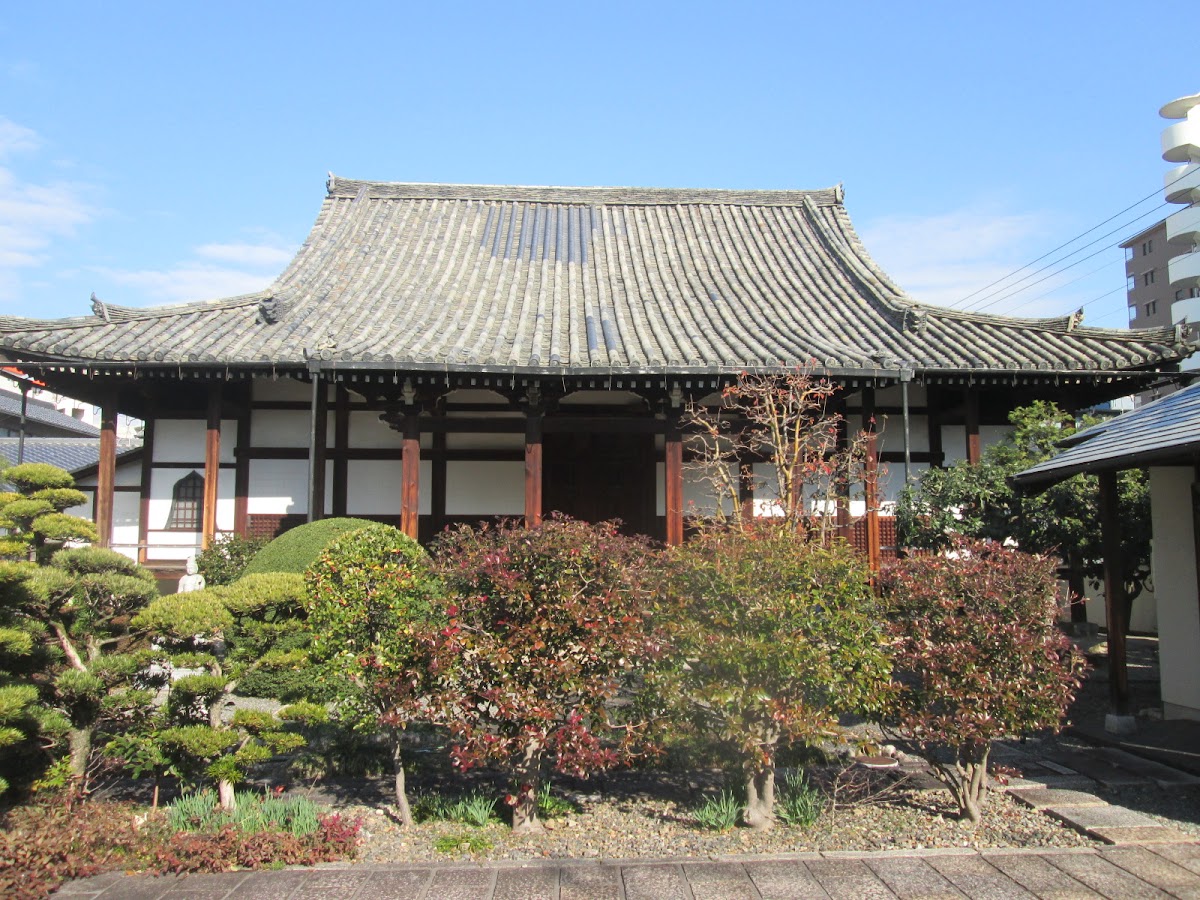
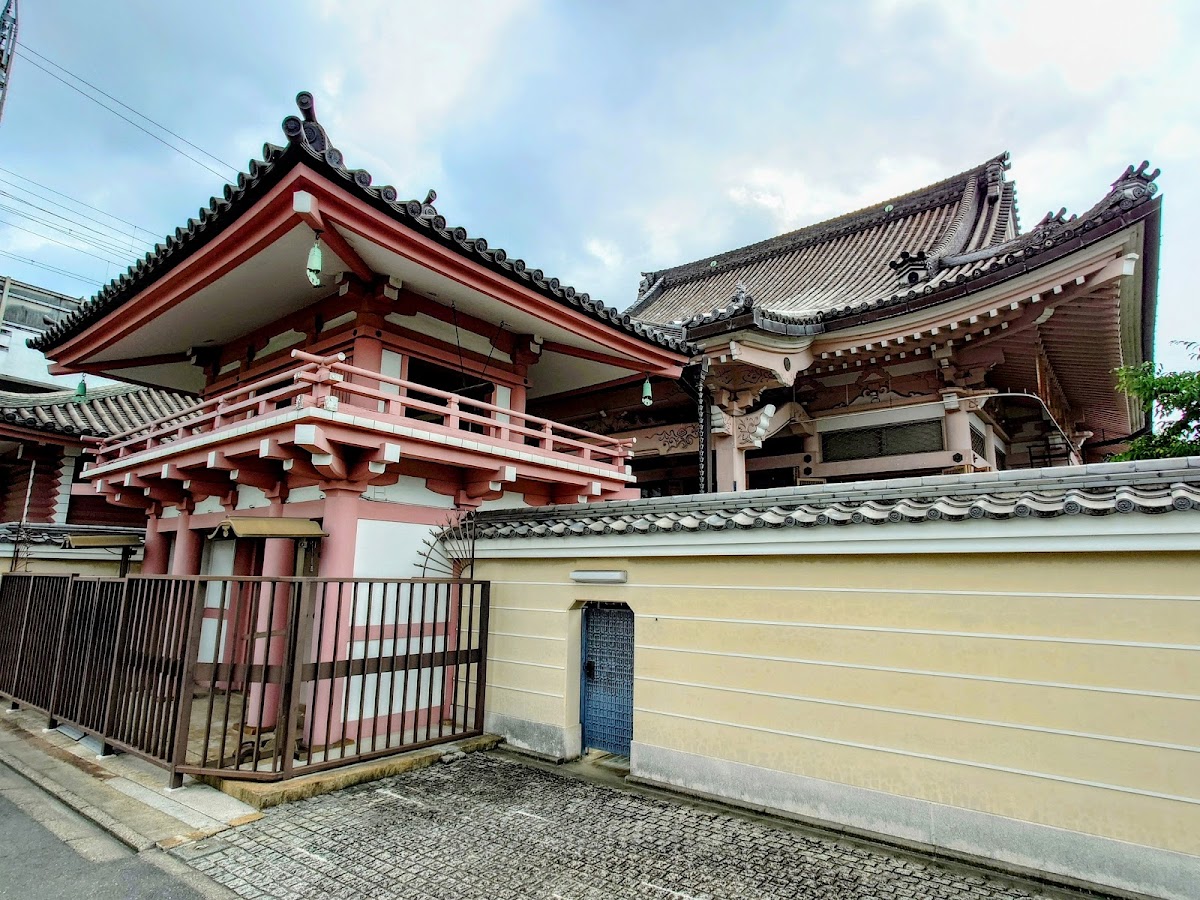
The grounds of Saikoji Temple in Katsushika Ward are dotted with buildings that evoke a sense of history. The main hall maintains the style of traditional temple architecture while functioning as a place of worship for the local people. The temple grounds are enveloped in a tranquil atmosphere, a space that allows one to forget the hustle and bustle of the city.
Access Information
- Location: Yotsugi, Katsushika-ku, Tokyo
- Nearest Station: Within walking distance of Yotsugi Station on the Keisei Line
- Transportation: Convenient access by train
Saikoji Temple in Nagano City: The Temple of the Karukaya Father and Son Legend and Picture Storytelling
Characteristics of Karukayasan Jakushoin Saikoji Temple
Saikoji Temple, located in Nagano City, Nagano Prefecture, is a temple belonging to the Jodo sect. Its mountain name is Karukayasan and its temple name is Jakushoin. The principal image is the Karukaya Father and Son Jizo statue, and it is known nationwide as the “Temple of Picture Storytelling.”
The Story of Karukaya Shonin and Ishidomaru
Saikoji Temple is the setting for the tragic story of Karukaya Shonin and his son Ishidomaru, known from medieval Buddhist narratives and Noh plays. This story tells of Ishidomaru, a son who travels to visit his father, the monk Karukaya Shonin. It is a moving tale depicting the deep affection between parent and child and the rigor of the Buddhist path.
Within the temple grounds, monuments and statues related to the father and son are erected, conveying the scenes of the story to visitors.
Picture Storytelling: Preserving Traditional Performing Arts
At the main hall of Saikoji Temple, picture storytelling is performed by the head priest’s wife. Picture storytelling is a traditional Japanese performing art that uses pictures to explain the origins and stories of gods and Buddhas. You can hear the tragic tale of the Karukaya father and son through picture storytelling, immersing yourself in the world of the story through both sight and sound.
This picture storytelling is designated as an Intangible Folk Cultural Property of Nagano Prefecture and is protected as a valuable cultural heritage.
Temple Grounds Guide and Highlights
- Karukaya Parent-Child Jizo Statues: Enshrined as the principal image
- Parent-Child Monument: Located in various places on the temple grounds
- Picture Storytelling Venue: Held regularly in the main hall
Access Information
- Location: Nagano City, Nagano Prefecture
- Transportation: Take a bus from Nagano Station and get off at “Karukaya-yama-mae”
- Bus Stop Name: Karukaya-yama-mae (Intersection name is also “Karukaya-yama”)
Saikoji Temple, Sabae City, Fukui Prefecture: A Base for Shinshu Buddhism in the Hokuriku Region
Founded by Sonnyo, the 7th Head Priest of Honganji Temple
Saikoji Temple, located in Sabae City, Fukui Prefecture, is an ancient temple founded by Sonnyo (Rennyo’s father), the 7th Head Priest of Honganji Temple. It is an important temple that served as a foothold for Shinshu Buddhism in the Hokuriku region and occupies a noteworthy position in the history of Jodo Shinshu Buddhism. ### History of the Sengoku Period: The Battle Against Oda Nobunaga
Saikoji Temple once boasted a considerable number of followers and wielded significant influence in the Hokuriku region. However, during the Sengoku period, it suffered a defeat in battle against Oda Nobunaga’s forces and was forced into temporary decline. This history is an important example illustrating the conflict between religious forces and samurai power during the Sengoku period.
Present-day Saikoji Temple
Present-day Saikoji Temple in Sabae City continues to uphold the teachings of Shin Buddhism and serves as a center of faith in the region. As a temple possessing both historical value and religious significance, it attracts many visitors.
Access Information
- Location: Sabae City, Fukui Prefecture
- Transportation: Bus or taxi from Sabae Station
Saikoji Temple, Sakado City, Saitama Prefecture: A Soto Zen Buddhist Temple
The Origins of Kojima Bungo and Saikoan
Saikoji Temple, located in Sakado City, Saitama Prefecture, is a Soto Zen Buddhist temple established in the early Edo period. It began when Kojima Bungo, who served the Uesugi clan, a daimyo of Echigo Province, built a hermitage on his property and named it “Saikoan.”
Restoration during the Tenbun Era
During the Tenbun era (1532-1555), Kojima Bungo’s son, Echigo, restored the hermitage, and it became a formal temple known as “Saikoji.” This history demonstrates the deep connection between the samurai class and Buddhism.
Characteristics of the Soto Zen School
The Soto Zen school is a branch of Zen Buddhism that emphasizes seated meditation (zazen). Saikoji Temple conducts training and religious services based on the teachings of the Soto Zen sect, and serves as a spiritual center for the local community.
Access Information
- Location: Sakado City, Saitama Prefecture
- Transportation: Bus or walking from Sakado Station
Saikoji Temple in Oi Town, Kanagawa Prefecture: A Jodo Shinshu Honganji-ha Temple
History of Matsueizan Saikoji Temple
Saikoji Temple, located in Oi Town, Kanagawa Prefecture, belongs to the Jodo Shinshu Honganji-ha sect, and its mountain name is Matsueizan. According to oral tradition, it was founded in 958 (Tentoku 2), and according to temple tradition, it was established on March 18, 1286 (Koan 9) by the Tendai sect’s Eijun Risshi.
Conversion from Tendai Sect to Jodo Shinshu Sect
Saikoji Temple was originally a Tendai sect temple, but it converted to Jodo Shinshu Sect during the time of the 16th abbot, Eikai. The current head priest is the 29th in line, and the temple has a long history, deeply rooted in the community.
Temple Grounds Surrounded by Greenery
Saikoji Temple in Oi-machi is known as “a temple nestled in greenery,” situated in a rich natural environment. The temple grounds display beauty throughout the seasons, providing tranquility to visitors.
Access Information
- Location: Oi-machi, Ashigarakami-gun, Kanagawa Prefecture
- Transportation: Within walking distance from Sagami-Kaneko Station on the JR Gotemba Line
Saikoji Temples in Hokkaido: Introduction to Temples in Various Regions
There are several Saikoji temples in Hokkaido:
Saikoji Temple in Shibetsu City
Saikoji Temple in Shibetsu City, Hokkaido, was built during the pioneering era and has grown alongside the development of the region.
Saikoji Temple in Tsukigata Town
Saikoji Temple in Tsukigata Town, Kabato-gun, is a temple deeply connected to the history of Hokkaido.
Saikoji Temple in Hidaka Town
Saikoji Temple in Hidaka Town, Saru District, also plays an important role as a center of local faith.
Saikoji Temple in Kyoto: A Temple with the History of the Ancient Capital
There is also a temple named Saikoji in Kyoto. Kyoto’s Saikoji Temple has its roots in the history and culture of the ancient capital and is a place visited by many worshippers and tourists.
Annual Events and Memorial Services at Saikoji Temple
Saikoji temples throughout Japan hold various events and memorial services throughout the year:
Regular Memorial Services
- Monthly Memorial Service: Held regularly every month
- Higan-e: Held during the spring and autumn equinoxes
- Obon Memorial Service: An important event for honoring ancestors
Special Events
- Hanamatsuri: Celebrating the birth of Buddha
- Joya no Kane: A traditional event on New Year’s Eve
- Hatsumode: Visiting a temple in the new year
Cultural Activities
- Picture Storytelling Performance (Saikoji Temple, Nagano City)
- Dharma Talk: A lecture on Buddhist teachings by the head priest
- Sutra Copying Session: A meditation experience to calm the mind
Features of Saikoji Temple’s Grounds and Main Hall
Architectural Styles of the Main Hall
Each Saikoji temple’s main hall exhibits an architectural style that reflects the characteristics of its respective Buddhist sect. Jodo Shinshu temples enshrine Amida Buddha as their principal deity, while Tendai temples house a variety of Buddhist statues.
Layout of the Temple Grounds
A typical Saikoji Temple grounds include the following facilities:
- Sanmon (Temple Gate): The entrance to the temple
- Hondo (Main Hall): The central building housing the principal image of Buddha
- Kuri (Priest’s Quarters): The living quarters of the head priest
- Shoro (Bell Tower): The building where the temple bell is hung
- Cemetery: The burial grounds of the temple parishioners
Visiting Saikoji Temple and Worship Manners
Worship Etiquette
Basic worship manners when visiting Saikoji Temple:
- Bow at the Sanmon: Bow before entering the temple grounds
- Purification at the Chozuya (Water Basin): Cleanse your hands and mouth
- Worship at the Hondo (Main Hall): Quietly join your hands in prayer and pray sincerely
- Offering a monetary donation: Offer with gratitude
Clothing and Items to Bring
- Clean and understated clothing is desirable
- Bringing prayer beads is recommended
- Photography is only permitted in designated areas
Saikoji Temple and the Local Community
Saikoji temples in various locations function not only as religious institutions but also as centers of local communities.
Contribution to Community Activities
- Children’s Association: Promoting the healthy development of local children
- Bon Odori Dance Festival: Held as a summer tradition
- Cleaning Activities: Beautifying the temple grounds and surrounding areas
Protection of Cultural Properties
Many Saikoji temples play a role in preserving and passing on historical and cultural properties of the region to future generations. They strive to protect valuable cultural heritage such as ancient documents, Buddhist statues, and buildings.
The Abbot and Management of Saikoji Temple
The Abbot’s Role
The abbot of Saikoji Temple assumes the following roles:
- Performing Buddhist Services: Presiding over various Buddhist ceremonies
- Dharma Talks: Expounding on Buddhist teachings
- Consulting with Parishioners: Advising on life’s problems
- Temple Management: Maintaining the temple grounds and facilities
Temple Succession
At many Saikoji temples, the abbot position has been passed down through generations, preserving a history spanning several hundred years. In modern times, while preserving tradition, temple management that is in line with the times is required.
Inquiries and Access Information for Saikoji Temple
Pre-Visit Checklist
Things to check before visiting Saikoji Temple:
- Opening Hours: Varies by temple
- Memorial Service Schedule: May be crowded on special days
- Parking Availability: Advance confirmation is recommended
- Admission Fee: Generally free, but special viewings may be charged
How to Contact Each Saikoji Temple
You can inquire via each temple’s official website or by phone. Contacting them in advance will allow for a more fulfilling visit.
Cherry Blossoms and Seasonal Scenery at Saikoji Temple
Many Saikoji temples have cherry trees planted on their grounds, which bloom beautifully in spring.
Spring Cherry Blossoms
During cherry blossom season, the temple grounds are dyed in a soft pink, attracting many visitors and flower viewers. The tranquil atmosphere of the temple harmonizes with the beauty of the cherry blossoms, creating a peaceful space.
Seasonal Expressions
- Summer: Fresh greenery covers the temple grounds, creating a cool atmosphere.
- Autumn: Beautiful autumn leaves create a tranquil atmosphere.
- Winter: A serene presence amidst a snowy landscape.
Summary: The Diversity and Common Spirit of Saikoji Temples
Saikoji temples, scattered throughout Japan, each possess different histories and characteristics, yet they share a common role: transmitting Buddhist teachings and serving as spiritual havens for local communities.
From the 800-year-old Saikoji in Katsushika Ward, Tokyo, to the Nagano-shi Saikoji known for its picture-storytelling, and the Sabae-shi Saikoji in Fukui Prefecture, which served as a base for Shinshu Buddhism’s missionary work in the Hokuriku region, each Saikoji temple embodies the history and culture of its respective region.
Visiting a Saikoji temple is more than just sightseeing or worship; it’s a valuable opportunity to experience Japanese history and culture, and the teachings of Buddhism. Walking through the grounds of various Saikoji temples and quietly offering prayers in the main hall will bring peace of mind and new insights.
Saikoji Temple will continue to adapt to changing times, preserve its traditions, and contribute to the local community. Please refer to the access information for Saikoji Temples in various locations and consider visiting in person.