Complete Guide to Sano Shrine | History and Highlights of the Kirishima Six Shrines, Located at the Birthplace of Emperor Jimmu
Sano Shrine, located in Takaharu-cho, Nishimorokata-gun, Miyazaki Prefecture, is a historic shrine said to have been founded at the birthplace of Emperor Jimmu, the first emperor of Japan. Counted as one of the Kirishima Six Shrines, this shrine boasts a history of approximately 2400 years. Its approach, lined with centuries-old cedar trees, and its unique character, stemming from its history of eruptions and reconstructions of Mount Kirishima, attract many visitors.
History and Origins of Sano Shrine
Origins of Founding and Connection to Emperor Jimmu
The founding of Sano Shrine dates back approximately 2400 years to the reign of Emperor Kōshō, the fifth emperor. According to shrine tradition, it was originally founded at the sacred site of Emperor Jimmu’s birthplace.
Emperor Jimmu’s childhood name was “Sano no Mikoto,” and it was customary for ancient members of the imperial family to use the name of their birthplace as their childhood name. Therefore, it is said that the local place name “Sano” became the origin of the emperor’s childhood name. The subsidiary shrine, Oujihara Shrine, located about 1 kilometer west of the current Sano Shrine, is considered to be his actual birthplace.
Positioning as one of the Six Kirishima Shrines
Sano Shrine holds an important position as one of the “Six Kirishima Shrines,” which are enshrined around Mount Kirishima. The Six Kirishima Shrines refer to Kirishima Jingu, Kirishima Higashi Shrine, Sano Shrine, Kirishima Mine Shrine, Higashi Kirishima Shrine, and Ebisu Shrine, each playing a central role in the Kirishima Mountain faith.
These shrines have deep relationships with one another and have a history of development influenced by the mountain worship and Shugendo (mountain asceticism) of Mount Kirishima. Sano Shrine has been revered as a shrine with deep ties to the Imperial family, particularly due to its connection with Emperor Jimmu.
History of Relocation and the Impact of Mount Kirishima Eruptions
An essential part of the history of Sano Shrine is the numerous relocations caused by eruptions of Mount Kirishima. It is said that the shrine was originally located about 1 kilometer west of its current location, at the site of Oujihara Shrine.
In ancient times, it was also called “Sukutsuka Daimyojin,” and records indicate it was located on the left bank 500 meters downstream from Takenoshita Bridge. Records show it was rebuilt in 1526 (Daiei 6), and it has long been revered as the ancestral shrine of the region.
However, repeated eruptions of Mount Kirishima destroyed the shrine buildings, and for a time, a temporary shrine was erected at the western foot of Takahara Town. Subsequently, in 1610 (Keicho 15), a new shrine building was constructed at the present-day Sano site, and the deity was relocated, marking the beginning of the present-day Sano Shrine.
Shrine Rank and Changes in the Modern Era
In the Meiji era, Sano Shrine was ranked as a prefectural shrine. Later, it became a branch shrine of Miyazaki Jingu, a Kanpei Taisha (Grand Imperial Shrine), further deepening its relationship with the Imperial Family.
After World War II, due to reforms in the shrine system, it became an independent shrine again and is currently designated as a Beppyo Jinja (Special Shrine) of the Association of Shinto Shrines. A Beppyo Jinja is a shrine with exceptional historical significance as designated by the Association of Shinto Shrines, and only a limited number of shrines nationwide receive this designation.
Main Deity and Enshrined Deities
Emperor Jimmu (Kamuyamato Iwarehiko no Mikoto)
The main deity enshrined at Sano Shrine is Emperor Jimmu (Kamuyamato Iwarehiko no Mikoto). As the first emperor of Japan, he is the founding father of the nation, as recorded in the Nihon Shoki and Kojiki, and his childhood name was Sano no Mikoto.
Emperor Jimmu was born in Hyuga Province (present-day Miyazaki Prefecture), and at the age of 45, he began his eastern expedition and is said to have been enthroned in Yamato Province (present-day Nara Prefecture). Sano Shrine is revered as a shrine of special significance because it is located in the place where Emperor Jimmu was born and raised.
Divine Virtues and Faith
The divine virtues of Sano Shrine, which enshrines Emperor Jimmu, are said to include national peace and security, good fortune, victory in competitions, and business prosperity. Because it enshrines the founding father of the nation, many people visit the shrine when starting new businesses or at important life milestones.
Furthermore, because Emperor Jimmu successfully completed his eastern expedition, it is also believed that the shrine offers the strength to overcome difficulties and the blessings of achieving goals.
Highlights and Features of the Shrine Grounds
The Majestic Cedar-Lined Approach
What leaves the strongest impression on visitors to Sano Shrine is the cedar-lined approach leading to the shrine buildings. Giant cedar trees, some said to be hundreds of years old, stretch straight for approximately 300 meters.
These cedar trees are believed to be descendants of the “Sano Cedar,” said to have been donated by Shimazu Yoshihiro, a warlord of the Sengoku period. The majestic atmosphere created by these giant cedars seems to mark the entrance to a sacred area, leaving a deep impression on worshippers.
Especially in the early morning and evening, when sunlight filters through the trees, a mystical scene unfolds, attracting many photography enthusiasts and tourists. The cedar avenue displays different expressions throughout the seasons, offering beautiful scenery from the fresh green of spring, the deep green of summer, the contrast with the autumn foliage, and the snow-covered landscape of winter.
Architectural Style and Characteristics of the Shrine
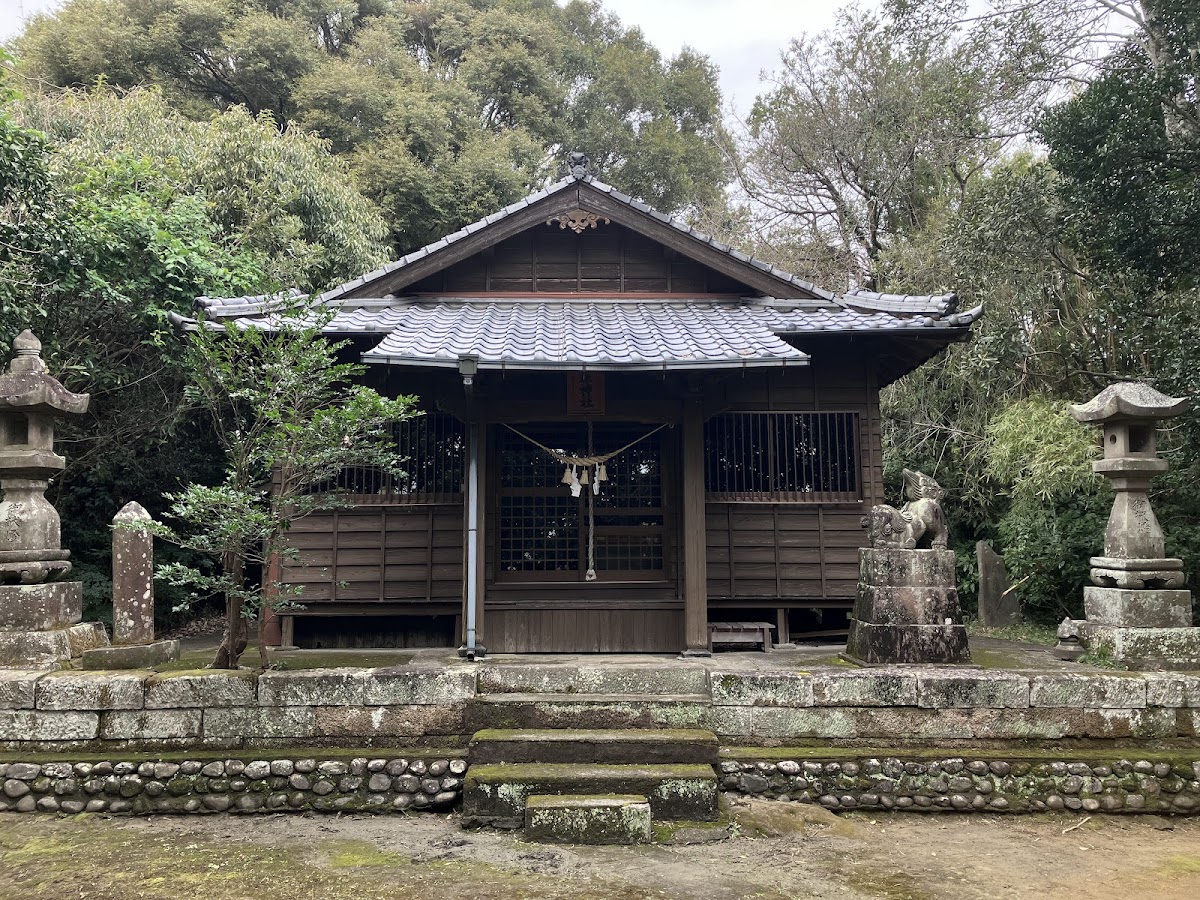
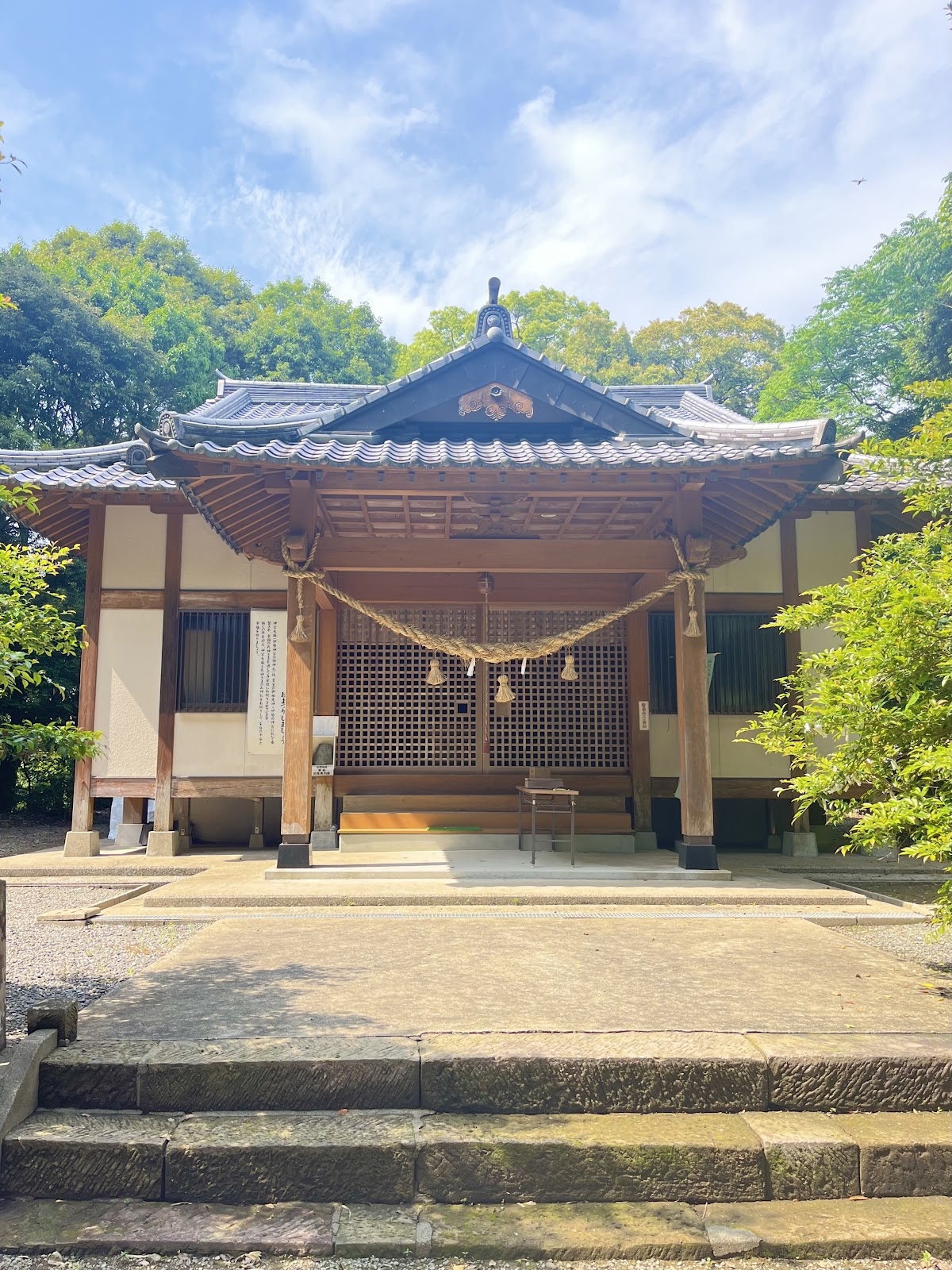
The current shrine building is based on the structure built after the relocation in 1610 (Keicho 15). The main hall is in the Shinmei-zukuri style, exhibiting a simple yet dignified appearance.
The worship hall is in the Irimoya-zukuri style, creating an open and welcoming atmosphere for worshippers. The entire shrine complex takes advantage of its location at the eastern foot of Mount Kirishima, with an emphasis on harmony with nature.
In addition to the main hall and worship hall, the shrine grounds also include a Kagura-den (sacred dance hall) and a shrine office. The well-maintained grounds give worshippers a refreshing impression.
Relationship with Oujihara Shrine
Located approximately 1 kilometer west of Sano Shrine, Oujihara Shrine is a subsidiary shrine of Sano Shrine and is considered the actual birthplace of Emperor Jimmu.
The area around Oujihara Shrine has been developed as “Oujihara Park,” and many historical sites related to Emperor Jimmu remain there. When visiting Sano Shrine, visiting Ojihara Shrine at the same time will allow you to gain a deeper understanding of the history of Emperor Jimmu’s birthplace.
Annual Events and Festivals
Nawashirota Festival
The most representative festival of Sano Shrine is the “Nawashirota Festival,” held every February. This festival is a traditional event praying for a bountiful harvest, and a Shinto ritual is performed in the sacred rice field, mimicking the act of rice planting.
At the Nawashirota Festival, parishioners dress in traditional costumes and offer Kagura (sacred dance) and rice planting songs. This festival is a valuable cultural heritage that conveys the form of agricultural rituals that have continued since ancient times, and is carefully preserved by the local people.
Sano Kagura
The “Sano Kagura,” which is passed down at Sano Shrine, is a traditional performing art designated as an Intangible Folk Cultural Property of Miyazaki Prefecture. The Kagura performance, offered every December, consists of 33 pieces and is performed over the course of an entire night.
Many of the Kagura pieces are based on Japanese mythology, such as the story of Amaterasu Omikami hiding in the Heavenly Rock Cave and the myth of the transfer of the land. Performed to the sounds of flutes and drums, the Kagura is a sacred ritual passed down through generations of local people, expressing gratitude to the gods and praying for a bountiful harvest in the coming year.
Other Annual Events
Sano Shrine holds various festivals and events throughout the year. Traditional Japanese Shinto rituals such as the New Year’s Day Festival, Setsubun Festival, Spring Grand Festival, Summer Purification Ceremony, Autumn Grand Festival, and Niiname-sai (harvest festival) are solemnly observed.
These events are closely intertwined with the lives of the local people, and the custom of visiting the shrine at seasonal turning points to offer gratitude and prayers to the gods continues to this day.
Access and Visiting Information
Location and Contact Information
Address: 7520 Kamamuta, Takahara-cho, Nishimorokata-gun, Miyazaki Prefecture
Phone Number: 0984-42-1007
Access by Car
The shrine is approximately 15 minutes by car from the Takahara Interchange on the Miyazaki Expressway. Proceed along National Route 223 towards Kirishima, and follow the signs to reach Sano Shrine.
It is approximately 40 minutes by car from Kagoshima Airport and approximately 1 hour by car from Miyazaki City. Many tourists visit this shrine in conjunction with Kirishima Jingu Shrine, making it a popular part of the Kirishima area’s sightseeing route.
Parking
The shrine grounds have a free parking lot with space for approximately 50 regular cars. It can accommodate large tour buses, making group visits possible.
There is a parking lot near the entrance to the approach to the shrine; from there, walk along the cedar-lined path to the main shrine building. The shrine is approximately a 5-minute walk from the parking lot.
Access by Public Transportation
It’s about a 15-minute taxi ride from Takahara Station on the JR Nippo Main Line. However, public transportation is limited within Takahara town, so access by car is more convenient.
Miyazaki Kotsu also operates bus routes, but the number of services is limited, so it is recommended to check the timetable in advance.
Visiting Hours and Admission Fee
Entry to the shrine grounds is generally free, and there is no admission fee. The shrine office is open from 9:00 AM to 5:00 PM.
If you wish to receive a Goshuin (shrine stamp) or amulet, it is recommended to visit during the shrine office’s opening hours.
Nearby Tourist Attractions
Oujibaru Park
Located approximately 1 kilometer west of Sano Shrine, Oujibaru Park is a historical park centered around Oujibaru Shrine, which is said to be the birthplace of Emperor Jimmu.
Within the park are historical sites such as the “First Bath Pond,” said to have been used for Emperor Jimmu’s first bath, and the “Reference Site for the Mausoleum of Tamayorihime-no-Mikoto,” dedicated to his mother, Tamayorihime-no-Mikoto. The park also features a vast lawn area and a campsite, making it a facility enjoyable for families.
Kirishima Shrine
Kirishima Shrine, one of the six Kirishima shrines along with Sano Shrine, is approximately a 30-minute drive away. A prestigious shrine dedicated to Ninigi-no-Mikoto, its vermilion-lacquered buildings are beautiful, and it attracts many worshippers.
The “Kirishima Shrine Pilgrimage,” which visits both Sano Shrine and Kirishima Shrine, is a popular tourist route exploring the land of mythology.
Mount Takachiho
Mount Takachiho, one of the main peaks of the Kirishima mountain range, is an active volcano with an elevation of 1,574 meters. At the summit stands the “Ama-no-Sakahoko,” a spear said to have been thrust into the ground by Ninigi-no-Mikoto during the descent of the heavenly grandson.
The trailhead is located at Takachiho-gawara, about a 20-minute drive from Sano Shrine, and the round-trip hiking course takes approximately 4 hours. Those confident in their physical fitness are encouraged to try climbing this sacred mountain, the setting of mythology.
Hot Springs in Takahara Town
Around Takahara Town, there are many hot spring facilities, including the Kirishima Onsenkyo hot spring area. After visiting Sano Shrine, you can relax and soothe your fatigue in the hot springs.
Day-trip bathing facilities are also plentiful, and a soak in the hot springs after exploring the land of mythology is especially wonderful.
The Charm of Sano Shrine and Points to Note When Visiting
Sano Shrine as a Power Spot
Sano Shrine is known as a powerful power spot due to its special history as the birthplace of Emperor Jimmu. It is especially recommended to visit when seeking encouragement to start something new or to receive the strength to overcome difficulties. Many visitors say that walking through the sacred atmosphere created by the centuries-old cedar trees cleanses the soul and gives them renewed energy.
Recommended Photo Spots
The most popular photo spot at Sano Shrine is undoubtedly the cedar-lined approach. The scenery created by the straight path and the giant cedar trees lining both sides is breathtaking.
The early morning hours when sunlight filters through the trees and the evening hours when the soft light shines are particularly beautiful, allowing for fantastical photographs. Also, during the autumn foliage season, the contrast between the green cedars and the surrounding autumn leaves makes for stunning photographs.
Goshuin (Shrine Seals) and Amulets
Sano Shrine offers goshuin (shrine seals) as a memento of your visit. The goshuin, inscribed with the characters “Sano-no-Mikoto,” the childhood name of Emperor Jimmu, is a precious memento of your visit.
Various amulets are also available, catering to various wishes such as good fortune, traffic safety, and academic success. ### Manners and Mindset for Visiting the Shrine
Sano Shrine is a sacred place, so please observe the following manners when visiting.
- Bow before passing through the torii gate.
- Avoid walking in the center of the path (the center is considered the path of the gods).
- Cleanse your hands and mouth at the purification fountain.
- At the main hall, pray using the two bows, two claps, and one bow ritual.
- Be quiet on the shrine grounds and refrain from speaking loudly.
- Take photographs only in designated areas.
By praying with sincerity, you can receive the blessings of the gods.
The Four Seasons of Sano Shrine
Sano Shrine in Spring
In spring, the shrine grounds and surrounding trees are enveloped in fresh greenery, creating a vibrant landscape. During cherry blossom season, the green of the cedar trees and the pink of the cherry blossoms create a beautiful contrast.
The Spring Grand Festival is also held, bringing together local people to pray for a bountiful harvest in the new year.
Sano Shrine in Summer
In summer, Sano Shrine is enveloped in deep green cedar trees, creating a cool and refreshing atmosphere. Located at a high altitude, it remains relatively cool even in midsummer, making it a popular summer retreat.
Amidst the sound of cicadas, a quiet visit to Sano Shrine in summer offers a peaceful space to forget the hustle and bustle of city life.
Sano Shrine in Autumn
In autumn, the surrounding trees change color, creating a beautiful landscape with the contrast between the green cedar trees and the vibrant autumn leaves. The Autumn Grand Festival and Niiname-sai (harvest festival) are held, offering prayers of gratitude for the year’s harvest.
The best time to see the autumn leaves is from early to mid-November, attracting many tourists.
Sano Shrine in Winter
In winter, Sano Shrine is occasionally covered in snow, presenting a fantastical landscape. In December, the Sano Kagura (traditional dance) is performed, allowing visitors to appreciate traditional performing arts.
On New Year’s Day, the shrine is bustling with worshippers, filling the grounds with people praying for happiness in the new year.
Summary
Sano Shrine is a venerable ancient shrine boasting a history of approximately 2400 years, with a special significance as the birthplace of Emperor Jimmu. As one of the six Kirishima Gongen shrines, it plays a central role in the Kirishima Mountain faith, and after being relocated due to the eruption of Mount Kirishima, it now resides in its current location.
The majestic approach lined with centuries-old cedar trees, the Sano cedar said to have been donated by Shimazu Yoshihiro, and the sacred shrine buildings deeply impress visitors. Traditional events such as the Naeshiroda Festival and Sano Kagura are also preserved, making it a valuable place that conveys traditional Japanese culture to the present day.
When visiting Miyazaki Prefecture, be sure to visit Sano Shrine and experience Japanese history and culture in this special space, the birthplace of Emperor Jimmu. Walking along the cedar-lined path and offering prayers at the sacred shrine will cleanse your soul and give you renewed energy.