Kashiwabara Shrine (Miyazaki City, Miyazaki Prefecture) Complete Guide | History, Deities, Benefits, and Access Information
Kashiwabara Shrine, located in Kashiwabara, Miyazaki City, Miyazaki Prefecture, is a venerable shrine with a history of over 700 years. It enshrines Hachiman, the deity invited from Usa Shrine in Buzen Province (present-day Usa Jingu Shrine), and has long been revered as a guardian deity of the region.
This article comprehensively introduces information useful for those visiting this local Miyazaki shrine, including the detailed history of Kashiwabara Shrine, its enshrined deities and benefits, highlights of the grounds, access methods, and points to consider when visiting.
Basic Information about Kashiwabara Shrine
Official Name: Kashiwabara Shrine
Location: 821 Kashiwabara, Miyazaki City, Miyazaki Prefecture
Postal Code: 880-2111
Telephone Number: 0985-47-1444
Affiliated Area: Ikime area, Miyazaki City
Shrine Rank: Former Village Shrine
Kashiwabara Shrine is located west of the center of Miyazaki City and is cherished by local residents as the guardian shrine of the Ikime area. Surrounded by a quiet rural landscape, it is a shrine where visitors can worship in a peaceful atmosphere.
History of Kashiwabara Shrine | Over 700 Years of Tradition
Origin of Founding and Enshrinement in Shōwa 4 (1315)
The history of Kashiwabara Shrine dates back to August of Shōwa 4 (1315) in the late Kamakura period. According to ancient records, during the reign of Prince Koreyasu, Tsuchimochi Mikawa-no-kami Yoshitsugu, the governor of Hyuga Province, prayed for peace and order in the land and the well-being of his people, and invited a divided spirit from Usa Shrine in Buzen Province (present-day Usa Jingu Shrine in Usa City, Oita Prefecture) to the shrine.
The Tsuchimochi clan was a powerful samurai family that ruled the northern part of Hyuga Province, and it is believed that their influence extended to the southern region of Kashiwabara, which is the background to this invitation. Usa Jingu Shrine is the head shrine of all Hachiman shrines nationwide, and inviting a divided spirit from it was a symbol of protection and authority for samurai families at the time.
Transition from the Medieval to the Early Modern Period
From the Muromachi period to the Sengoku period, Hyuga Province became the stage for the power struggle between the Shimazu and Ito clans. Kashiwabara was no exception, and although affected by the turmoil of war, the shrine was protected by the faith of the local residents.
During the Edo period, the shrine came under the control of the Satsuma Domain (Shimazu clan) and served as the guardian shrine of Kashiwabara Village, becoming a spiritual pillar for the villagers. Records show that regular festivals were held during this time, functioning as a place to pray for abundant harvests and family safety.
Modernization and the Present (After the Meiji Era)
With the Meiji-era separation of Shinto and Buddhism and the introduction of the shrine ranking system, Kashiwabara Shrine was ranked as a village shrine. This signified official recognition as a major local shrine.
Due to municipal mergers during the Showa era, Kashiwabara Village was incorporated into Miyazaki City, and is now part of the city as Kashiwabara, Miyazaki City. The shrine continues to play a central role in the local community as a shrine within Miyazaki City.
Even as times have changed through the Heisei and Reiwa eras, Kashiwabara Shrine continues to attract the faith of local people, and various festivals are held throughout the year.
Deities and Blessings
Three Deities
Kashiwabara Shrine enshrines three deities central to Hachiman worship.
Honda Wake no Mikoto
This is the divine name of Emperor Ojin, the 15th emperor. He is the central deity of Hachiman and is revered as the god of military success and national protection. As an emperor who incorporated continental culture and strengthened the nation, he is also believed to have divine virtues for the development of culture and industry.
Tamayorihime no Mikoto
She is the mother goddess of Emperor Jimmu and the daughter of the sea god. She is worshipped as the goddess of safe childbirth, child-rearing, and matchmaking. Also, as she belongs to the family of the sea god, she also has aspects as a guardian deity of water blessings and fishing.
Okinagatarashihime no Mikoto
This is the divine name of Empress Jingu, the mother of Emperor Ojin. Known for the legend of the conquest of the Three Kingdoms of Korea, she is revered as a goddess of victory, safe childbirth, and national protection. Because she was a woman who displayed strong leadership, she is also worshipped as a guardian deity for women.
Main Benefits
The main benefits believed to be obtainable at Kashiwabara Shrine are as follows:
- National Peace and Security, Regional Safety: Basic divine virtues based on prayers for national peace and security, which are the origin of the shrine’s founding.
- Long-lasting Military Fortune and Victory: Traditional blessings as Hachiman-sama.
- Family Safety and Protection from Evil: Daily protection as the local guardian deity.
- Abundant Harvests and Industrial Development: Role as the guardian deity of agricultural areas.
- Safe Childbirth and Child-rearing: Divine virtues of Tamayorihime-no-Mikoto and Empress Jingu.
- Matchmaking and Good Relationships: Divine virtues of Tamayorihime-no-Mikoto.
- Academic Success: Divine virtues of Emperor Ojin for the promotion of culture.
Highlights of the Shrine Grounds
Shrine Buildings and Architectural Style
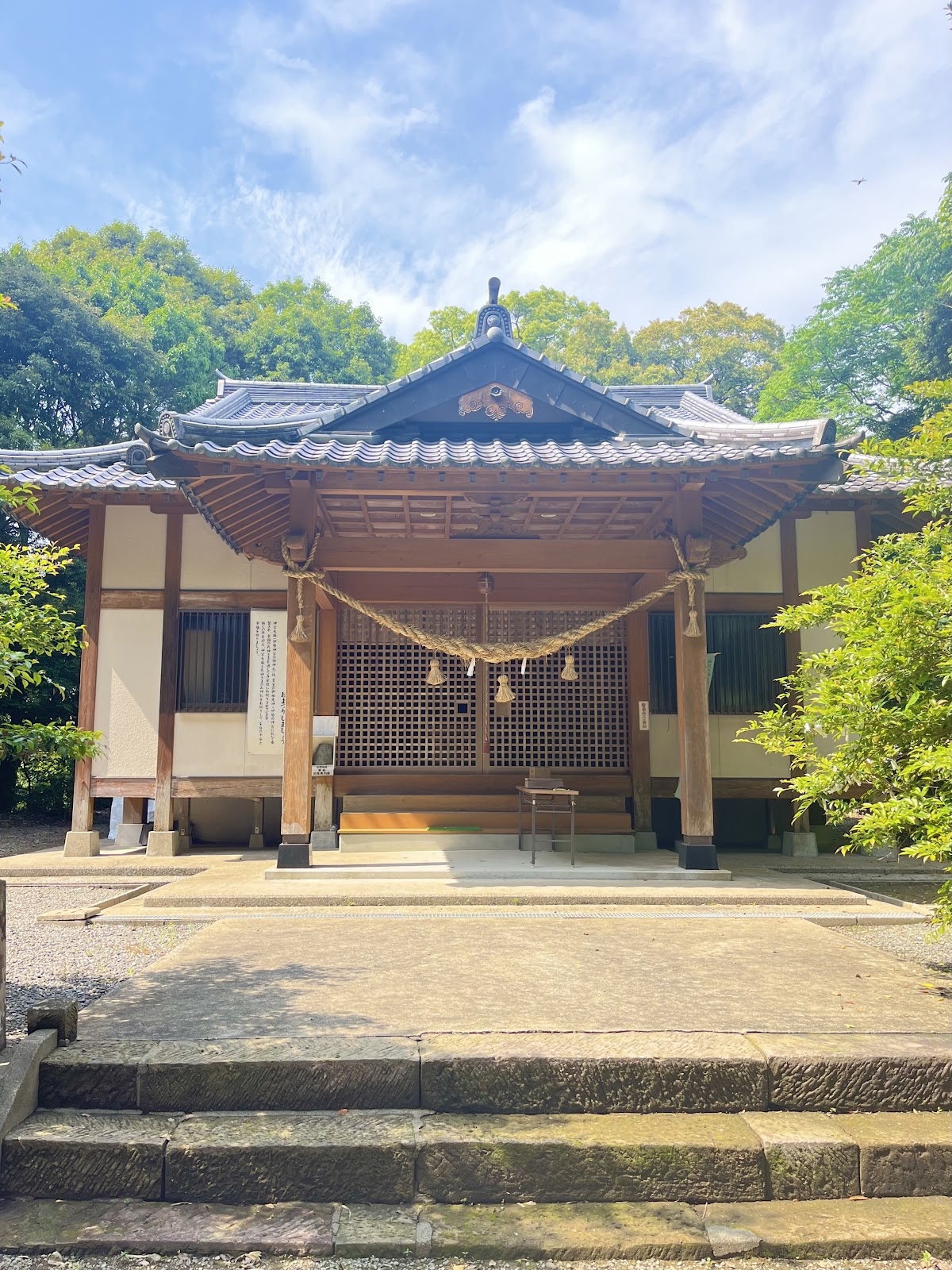
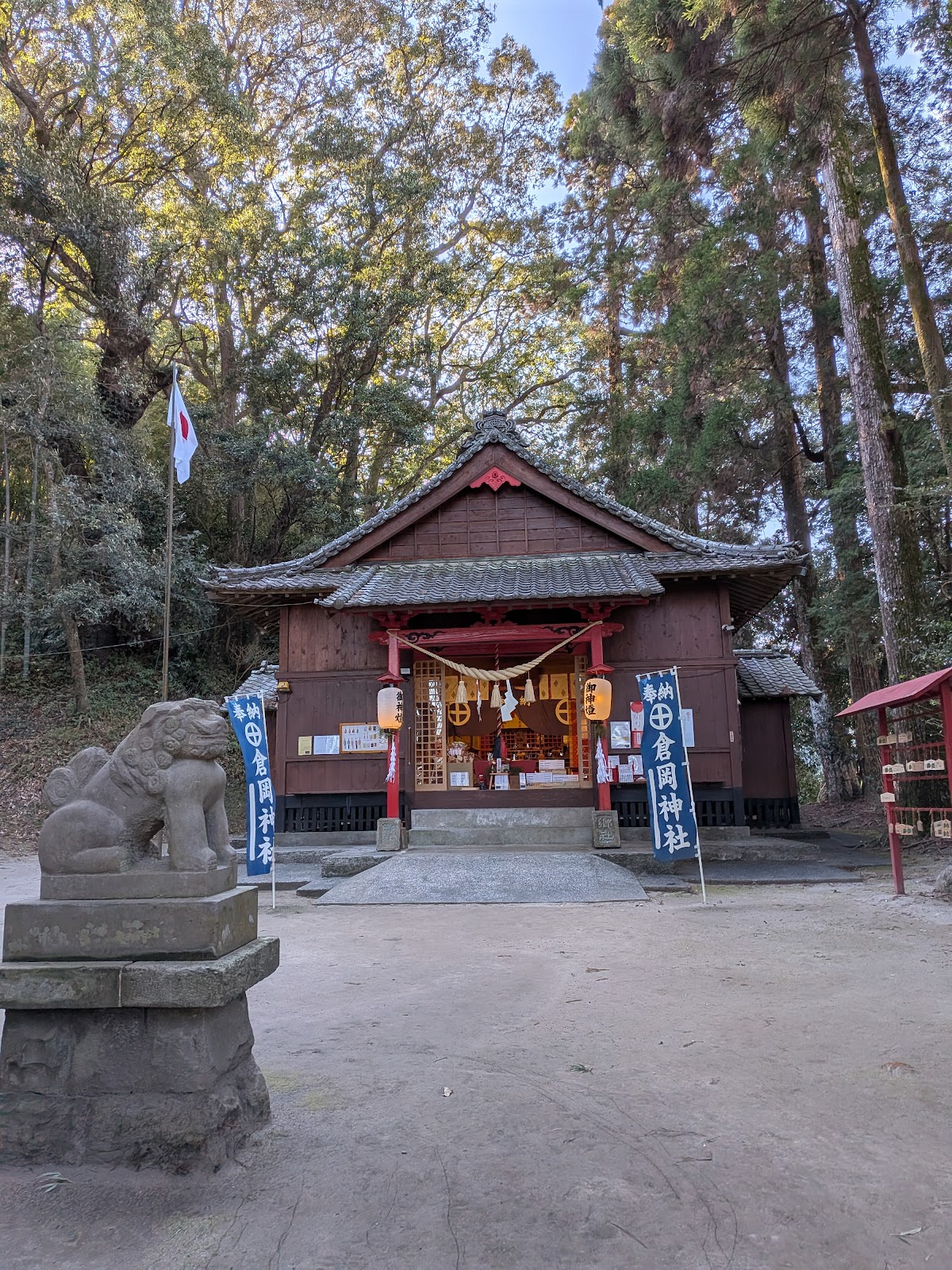
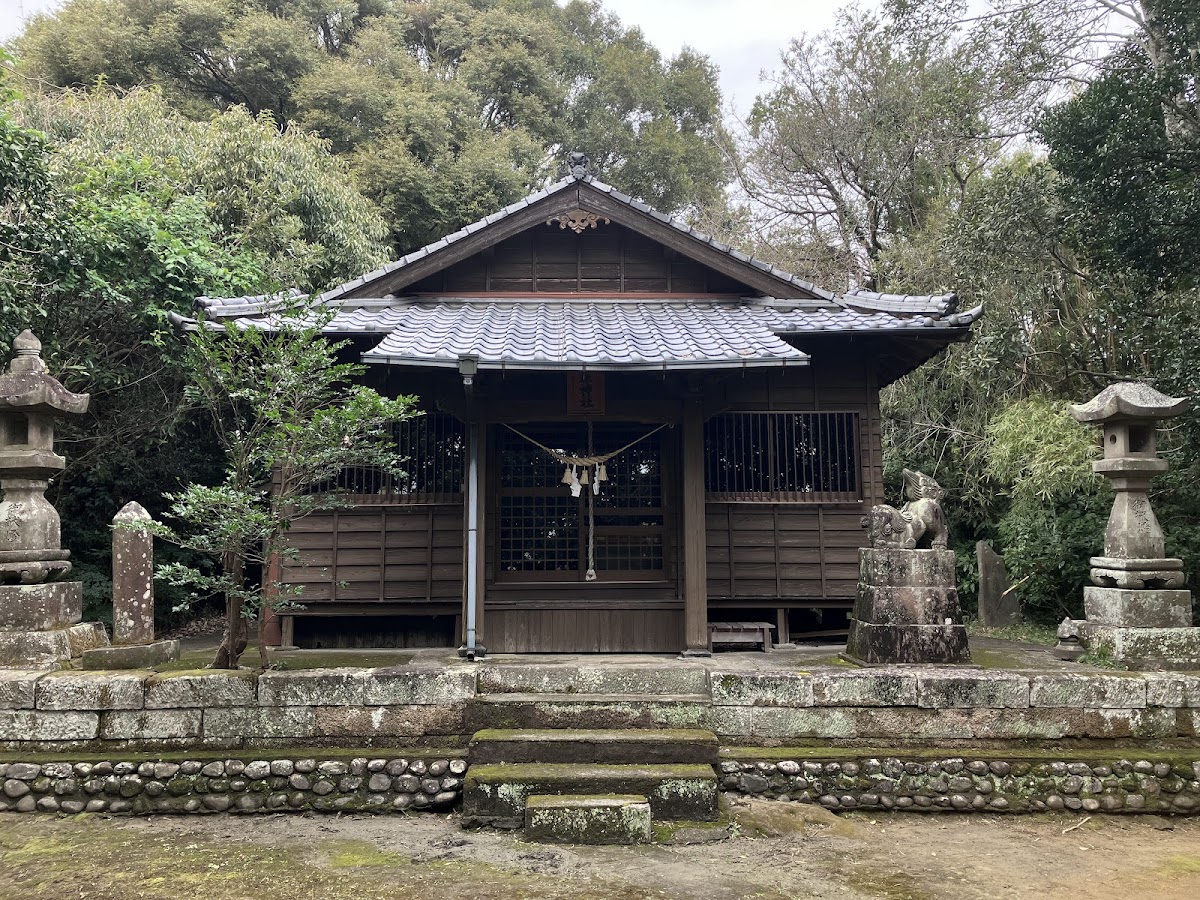
The shrine buildings of Kashiwabara Shrine are based on the traditional Shinmei-zukuri style, but are structured to suit the local climate and environment. The main hall is simple yet dignified, and the texture of the wood, which has a long history, creates a solemn atmosphere.
The main hall is where worshippers offer their prayers, and it becomes bustling with people during local festivals. The sacred ropes and offerings are meticulously maintained, reflecting the dedication of the Shinto priests to their daily service.
Natural Environment of the Shrine Grounds
The shrine grounds are lined with ancient trees, displaying different expressions throughout the seasons. In particular, one can enjoy the beauty of each season: the fresh green of spring, the deep green of summer, the vibrant autumn foliage, and the tranquility of winter.
The nature surrounding the shrine is a valuable green space in the increasingly urbanized city of Miyazaki, and visiting while listening to the birdsong is a calming experience.
Water Basin and Approach to the Shrine
As you proceed along the approach to the shrine, you will find a water basin where you can purify your body and mind before praying. The ritual of scooping water with a ladle and purifying your left hand, right hand, and mouth is an important act of respect towards the gods.
The approach to the shrine is well-maintained, creating a safe and comfortable environment for elderly people and those with small children.
Annual Festivals and Events
Kashiwabara Shrine holds various festivals and events throughout the year.
Annual Grand Festival
The annual grand festival, held at a fixed time each year, is the most important festival at the shrine. Local people gather, and events such as the dedication of Kagura (sacred dance) and the procession of the portable shrine take place, serving as a venue for the transmission of traditional culture.
New Year’s Visit and Festival
Many worshippers visit the shrine in the new year to pray for safety throughout the year and the health of their families. The shrine is especially lively from New Year’s Day to the third day, and is a local New Year’s tradition.
Other Annual Events
- Setsubun Festival: Traditional events such as bean-throwing
- Summer Purification Ceremony: A Shinto ritual to purify oneself of the impurities accumulated over the past six months
- Shichi-Go-San Festival: A visit to celebrate the growth of children
- Year-End Purification Ceremony: A Shinto ritual to purify oneself of the impurities accumulated over the past year
These events are important opportunities to deepen the bonds of the local community.
Access and Transportation Information
Access by Car
From Miyazaki City Center
- Head south on National Route 220 towards Ikime.
- The journey takes approximately 20-30 minutes.
- There is parking available around the shrine, but it may be crowded during festivals.
From Miyazaki Expressway
- Approximately 30 minutes from Miyazaki IC via National Route 10 and National Route 220.
Access by Public Transportation
By Bus
- Take a Miyazaki Kotsu bus from Miyazaki Station or Miyako City.
- Take a bus bound for Ikime or Kashiwabara.
- It is accessible on foot from the nearest bus stop.
- Bus service is limited, so it is recommended to check the timetable in advance.
Landmarks and Directions
Kashiwabara Shrine is located in Kashiwabara, Miyazaki City, between residential and rural areas. There are facilities nearby, such as the Ikime-no-Mori Sports Park, and locals will kindly give you directions if you ask them.
Searching for “Kashiwabara Shrine Miyazaki City” on your car navigation system or smartphone map app will show you the exact location.
Manners and Etiquette for Visiting the Shrine
Basic Etiquette for Visiting the Shrine
When visiting Kashiwabara Shrine, please observe the following basic etiquette.
- Bow before passing through the torii gate: This is a courtesy when entering the sacred area.
- Avoid walking in the center of the approach: The center is considered the path of the gods.
- Purify yourself at the water basin: Purify in the following order: left hand → right hand → mouth → handle of the ladle in your left hand.
- Worship at the main hall: The basic method is two bows, two claps, one bow (two bows, two claps, one bow).
- Bow at the torii gate upon leaving: Turn around and bow to express gratitude to the gods.
Attire and Mindset
Shrines are sacred places, so it is desirable to visit in clean clothing. Special formal attire is not necessary, but avoid overly revealing or dirty clothing.
By praying quietly and with a calm mind, you can deepen your dialogue with the gods.
Goshuin and Gifts
About Goshuin
Kashiwabara Shrine offers Goshuin (stamped seals). A Goshuin (temple/shrine stamp) is proof of your visit and a tangible representation of your connection with the deity.
When receiving a Goshuin, please note the following:
- Always receive it after offering prayers.
- Prepare a Goshuincho (stamp book) (first-time visitors may be able to purchase one at the shrine).
- Request it using polite language.
- Prepare a donation (typically 300-500 yen).
Amulets and Souvenirs
Kashiwabara Shrine offers various amulets and souvenirs.
- Exorcism Amulet: An amulet to protect you from misfortune.
- Traffic Safety Amulet: A prayer for safety when driving or cycling.
- Academic Success Amulet: For students and those taking exams.
- Safe Childbirth Amulet: A prayer for safe childbirth for pregnant women.
- Family Safety Amulet: A amulet for peace and tranquility in the home.
These souvenirs have been blessed by the Shinto priests, so please handle them with care.
About the Kashiwabaru Area
Characteristics of the Area
Kashiwabaru is a district belonging to the Ikime area of Miyazaki City, with the postal code 880-2111. Its official name is “Miyazaki City, Oaza Kashiwabaru.”
Located west of central Miyazaki City, it is a region where rural landscapes and residential areas coexist. It has long been an agricultural area, with rice cultivation being the primary agricultural activity.
Origin of the Place Name
The place name “Kashiwabaru” is thought to originate from the fact that many oak trees grew in this area. “Haru” is a Miyazaki dialect reading of “hara,” meaning flat land or wilderness.
Oak trees have been considered sacred trees since ancient times and have been used in Shinto rituals. It has been suggested that this area may have been a place of worship even before the founding of Kashiwabaru Shrine.
Surrounding Facilities and Environment
The Kashiwabaru area has the following facilities:
- Ikime no Mori Sports Park: A comprehensive sports park equipped with sports facilities.
- Ikime Kofun Cluster: A group of ancient burial mounds designated as a national historical site.
- Agricultural Facilities: JA (Japan Agricultural Cooperatives) facilities and a direct sales outlet for agricultural products.
- Regional Community Center: A hub for residents’ interaction.
Kashiwabara Shrine, along with these facilities, functions as the cultural and spiritual center of the region.
Nearby Tourist Attractions
When visiting Kashiwabara Shrine, we recommend also visiting the nearby tourist attractions.
Ikime Shrine
A shrine nationally known as the god of healing eye diseases, located about 10 minutes by car from Kashiwabara Shrine. Affectionately known as “Ikime-san,” it attracts many worshippers.
Miyazaki Shrine
A representative shrine of Miyazaki, dedicated to Emperor Jimmu, the first emperor of Japan. Located about 20 minutes by car from Kashiwabara Shrine, it features a vast precinct and magnificent shrine buildings.
Aoshima Shrine
A representative tourist spot in Miyazaki City, popular as a shrine for matchmaking. Situated on Aoshima Island surrounded by subtropical plants, it possesses a unique atmosphere.
Ikime Kofun Cluster
A large cluster of burial mounds from the Kofun period, designated as a national historic site. Believed to be the burial grounds of powerful clans who ruled the Miyazaki Plain, it’s a must-see spot for history buffs.
The Charm of Kashiwabara Shrine and Reasons to Visit
A Serene Space for Prayer
The greatest charm of Kashiwabara Shrine is its tranquil environment, far removed from the hustle and bustle of urban areas. Unlike large, touristy shrines, it offers a simple, community-rooted atmosphere where you can offer your prayers attentively.
The Weight of Over 700 Years of History
Since its founding in 1315, this shrine has watched over the community for over 700 years, a history of great value. You can experience a form of faith that has remained unchanged despite the passage of time.
Connections with the Local Community
Kashiwabara Shrine is not a tourist shrine, but a tutelary shrine deeply rooted in the lives of local residents. During festivals, local people gather, and you can witness the passing down of traditions to the next generation. Experiencing this kind of “living faith” is a valuable experience.
Connections with Usa Shrine
The shrine’s history, stemming from its invitation from Usa Shrine, the head shrine of all Hachiman shrines nationwide, speaks to its high status. As a part of Kyushu’s shrine network, it’s a place where you can experience Shinto culture.
Points to Note and Manners When Visiting
Photography
Photography is generally permitted on the shrine grounds, but please observe the following points:
- Refrain from photographing the interior of the main hall or during Shinto rituals.
- Be considerate of other visitors.
- Avoid using flash photography.
- When posting on social media, accurately include the location and shrine name.
Visiting Hours
Shrines are generally open from sunrise to sunset. The atmosphere is especially sacred during the quiet hours of early morning and evening.
While the granting of Goshuin (temple/shrine stamps) and amulets at the shrine office is generally from around 9:00 AM to 4:00 PM, it is recommended to confirm by phone beforehand.
Regarding Pets
Policies regarding pets on shrine grounds vary from shrine to shrine. When visiting Kashiwabara Shrine, please check beforehand or make arrangements such as having your pet wait in the car.
Shrine Pilgrimage in Miyazaki City and Kashiwabara Shrine
Miyazaki City has numerous shrines scattered throughout, each with its own unique history and characteristics. Kashiwabara Shrine can be incorporated into the following shrine pilgrimage routes.
Pilgrimage to Hachiman Shrines
There are several Hachiman shrines in Miyazaki Prefecture that were established by inviting deities from Usa Shrine. A shrine pilgrimage tracing the spread of Hachiman worship, starting from Kashiwabara Shrine, is also an interesting theme.
Shrine Pilgrimage in Western Miyazaki City
A route visiting shrines in the western area of Miyazaki City, including Kashiwabara Shrine, Ikime Shrine, and Sarukawa Shrine, can be completed in half a day to a full day.
Historical Exploration Route
Combining Kashiwabara Shrine and the Ikime Kofun Cluster creates a route that allows you to experience Miyazaki’s history from ancient to medieval times.
Summary
Kashiwabara Shrine is a venerable shrine with over 700 years of history, located in Kashiwabara, Miyazaki City. It enshrines Hachiman, who was invited from Usa Shrine in 1315, and also enshrines three deities: Hondawake-no-Mikoto (Emperor Ojin), Tamayorihime-no-Mikoto, and Okinagatarashihime-no-Mikoto (Empress Jingu).
It offers various blessings, including national security, family safety, military success, safe childbirth, and matchmaking, and has long been revered as the local guardian deity. A major attraction of Kashiwabara Shrine is its tranquil environment, far removed from the hustle and bustle of the city, allowing for peaceful worship.
It’s easily accessible, about 20-30 minutes by car from the center of Miyazaki City, and there are other tourist spots nearby, such as Ikime Shrine and Miyazaki Jingu Shrine. When visiting Miyazaki, be sure to visit Kashiwabara Shrine and experience the form of faith nurtured by its long history.
When visiting, observing basic manners and showing respect to the deities will lead to a deeper experience. Goshuin (shrine stamps) and amulets are also available, so it’s recommended to receive one as a memento of your visit.
Because Kashiwabara Shrine hasn’t been commercialized for tourism, it’s a valuable place to experience the original form of a shrine and a form of faith rooted in the local community. Spend a peaceful moment at Kashiwabara Shrine, where Miyazaki’s history, culture, and the prayers of its people breathe life into.