Complete Guide to Sekkeiji Temple | History, Cultural Assets, and Visiting Information for the 33rd Temple of the Shikoku 88 Temple Pilgrimage
Sekkeiji Temple is a Rinzai Zen temple of the Myoshinji school located in Nagahama, Kochi City, Kochi Prefecture. As the 33rd temple of the Shikoku 88 Temple Pilgrimage, it welcomes many pilgrims and visitors. Its formal name is Kofukuzan Kofukuin, and its principal image is Yakushi Nyorai (Medicine Buddha). It is also known as the family temple of the Sengoku period warlord Chosokabe Motochika and is an ancient temple possessing numerous valuable cultural assets attributed to Unkei.
History of Sekkeiji Temple
Founding and Founder
Sekkeiji Temple is said to have been founded during the Enryaku era (782-806), and it is believed to have been established by Kobo Daishi Kukai. Originally called “Shorinzan Kofuku-ji,” it was a Shingon Buddhist temple. Legend says that when Kobo Daishi (Kukai) toured Shikoku, he enshrined Yakushi Nyorai (Medicine Buddha) as the principal image and carved a seated statue of Kobo Daishi himself.
From the Heian period to the Kamakura period, Kofuku-ji flourished as a training ground for Shingon Esoteric Buddhism, but gradually declined with the changing times.
From Ruin to Restoration
Kofuku-ji fell into complete disrepair for a time, becoming virtually a ruin. It was during this period of ruin that the famous ghost legend, described later, originated.
During the Tensho era (1573-1592), Chosokabe Motochika, a Sengoku daimyo of Tosa Province, dedicated himself to the restoration of this dilapidated temple. As a follower of the Rinzai sect, Motochika converted the temple to his own sect, the Myoshin-ji branch of the Rinzai sect, and changed its name to “Sekkei-ji.” The temple name “Sekkei” originates from Motochika’s posthumous Buddhist name, “Sekkei Josan Daikoji.”
Meiji Restoration and Restoration by Yamamoto Genpo
During the anti-Buddhist movement of the Meiji era, Sekkei-ji Temple suffered another major blow. Many temple treasures were scattered, and the temple’s influence declined significantly.
However, in the Showa era, with the appointment of the high-ranking Rinzai Zen priest, Yamamoto Genpo, as the head priest, Sekkei-ji Temple underwent a dramatic restoration. Yamamoto Genpo was a renowned monk, sometimes called the “Hakuin of the Showa era,” and under his guidance, Sekkei-ji Temple was once again developed as an important pilgrimage site of the Shikoku Pilgrimage.
Highlights of the Temple Grounds
Main Hall
The main hall of Sekkei-ji Temple enshrines Yakushi Nyorai (Medicine Buddha) as its principal image. Among the temples of the Shikoku Pilgrimage, only two belong to the Rinzai school of Zen Buddhism: Fujii-dera Temple (the eleventh temple) and this Sekkei-ji Temple. In the main hall, pilgrims and visitors can perform sutra copying and chanting, offering prayers in quiet contemplation.
The main hall’s architectural style is characteristic of Zen temples, exuding a simple yet dignified atmosphere.
Daishi-do Hall
The Daishi-do Hall, dedicated to Kobo Daishi, is an important place of worship for pilgrims. It houses a statue of Kobo Daishi, said to have been carved by Kobo Daishi himself, and attracts many worshippers.
Batō Kannon (Horse-Headed Kannon)
Located beside the main hall, the Batō Kannon is a Buddha statue particularly revered by pilgrims as a protector of safe travels. A constant stream of worshippers visit to pray for safety during their Shikoku pilgrimage. Hayagriva (Horse-Headed Kannon) is one of the Six Kannon, believed to save beings in the animal realm, but especially to protect travelers and animals such as horses.
Burial Grounds of Chosokabe Motochika and Nobuchika
Within the temple grounds are the burial grounds of Chosokabe Motochika, who restored Sekkei-ji Temple, and his eldest son, Chosokabe Nobuchika. Nobuchika was a warrior who served in Toyotomi Hideyoshi’s Kyushu campaign and died in the Battle of Hetsugigawa. His death at the young age of 22 brought great sorrow to Motochika.
For fans of Sengoku period warlords and history enthusiasts, these burial grounds are a must-see spot.
Adjacent to Hata Shrine
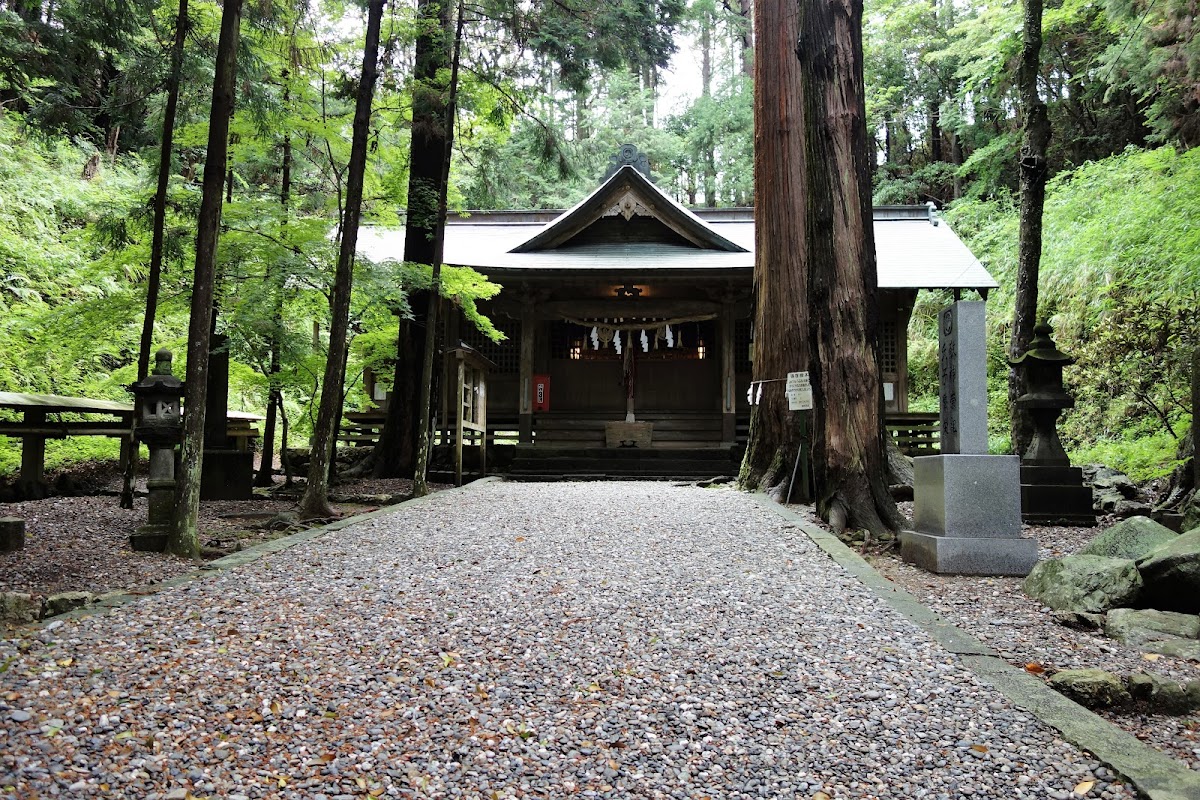
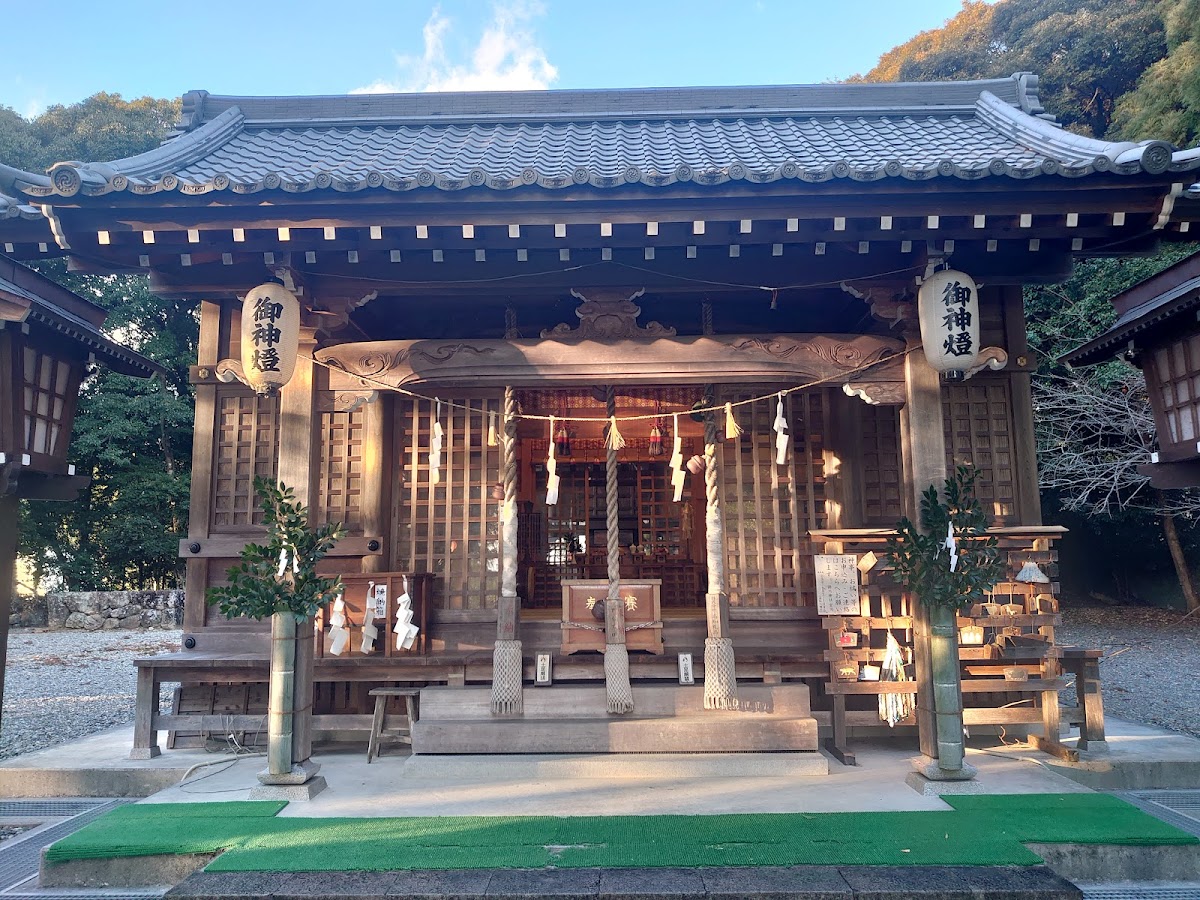
Immediately next to Sekkei-ji Temple is Hata Shrine, a remnant of the syncretism of Shinto and Buddhism. Hata Shrine has long been a place of local faith, and together with Sekkei-ji Temple, it has supported the spiritual culture of the region.
Cultural Properties and Temple Treasures
Nationally Designated Important Cultural Properties
Sekkei-ji Temple is a treasure trove of cultural properties, housing 16 nationally designated Important Cultural Properties.
Principal Image: Seated Yakushi Nyorai Statue
This seated statue of Yakushi Nyorai, believed to be a work from the later years of Unkei, a renowned Buddhist sculptor of the Kamakura period, is enshrined as the principal image of Sekkei-ji Temple. It exhibits the powerful and realistic expression characteristic of Unkei’s style and is an important work in the history of Buddhist sculpture.
Two Attendant Bodhisattva Statues
Flanking the Yakushi Nyorai are the attendant bodhisattva statues of Nikko Bosatsu and Gekko Bosatsu. These are said to be the work of Unkei’s son, Tankei, and while inheriting his father’s style, they are characterized by a more elegant expression.
Twelve Divine Generals Standing Statues
The twelve standing statues of the Divine Generals, who protect Yakushi Nyorai (Medicine Buddha), are also attributed to Tankei, and are an excellent group of sculptures, each with a unique expression and posture. The dynamic figures of the warriors, symbolizing the twelve zodiac signs, represent the pinnacle of Buddhist sculpture from the Kamakura period.
Bishamonten and Attendant Statues
Bishamonten and his attendant statues are also designated as Important Cultural Properties, and their expression, combining the dignity and compassion of a war god, is magnificent.
Viewing these cultural properties requires advance reservations, so those who wish to appreciate them in detail are advised to contact the temple beforehand.
Legends and Anecdotes
Ghost Legend
Sekkei-ji Temple has a ghost legend, which is rare among the Shikoku Pilgrimage sites.
When Kofuku-ji Temple was in ruins, a ghost would appear night after night, lamenting that it had forgotten the last line of a poem: “On the mountaintop where we should see off the moon of dawn, what words remain?” One day, a high-ranking monk named Gekko Wajo, who was traveling, stopped by this abandoned temple and heard the story of the ghost. He composed a poem: “On the mountaintop where we should see off the moon of dawn, the remaining words are to go west.” It is said that the ghost was comforted by the monk’s poem, attained Buddhahood, and never appeared again.
This legend is passed down as a story symbolizing the power of words and the compassionate spirit of Buddhism.
The Anecdote of Daigen Osho
During the Edo period, there is an anecdote about a monk named Daigen Osho (Taigen Kazuhisa) who, suffering from an eye disease and nearly blind, completed his seventh Shikoku pilgrimage barefoot at the advanced age of 96 and was saved at Sekkei-ji Temple. This story, demonstrating the power of faith and the spiritual efficacy of the pilgrimage route, has given courage to many pilgrims.
Transportation Information and Access
Location
857-3 Nagahama, Kochi City, Kochi Prefecture 781-0270
Access by Public Transportation
By JR
From JR Kochi Station, take the Tosa Electric Railway bus bound for Katsurahama and get off at the “Nagahama” bus stop. It’s approximately a 5-minute walk from there.
By Tram
Another route involves taking the Tosa Electric Railway tram and getting off at the “Sanbashidori 5-chome” tram stop, then transferring to a bus.
Access by Car
Approximately 30 minutes from the Kochi IC on the Kochi Expressway via National Route 32 and National Route 56. It’s located on the way to Katsurahama, approximately 2 kilometers northeast of the popular tourist spot, Katsurahama.
A parking lot for visitors is available on the temple grounds.
Nearby Tourist Attractions
Sekkeiji Temple is located near Katsurahama Beach, making it possible to combine your visit with sightseeing at other attractions such as the Sakamoto Ryoma statue and Katsurahama Aquarium. It also offers good access to Kochi city center, allowing you to visit Harimaya Bridge and Kochi Castle.
Preceding and Following Temples and the Pilgrimage Route
From Temple No. 32, Zenjibuji Temple
From the previous temple, Temple No. 32, Zenjibuji Temple, it’s approximately a 7-kilometer walk. The pilgrimage route along Urado Bay offers a pleasant walk while enjoying the sea breeze.
To Temple No. 34, Tanemaji Temple
The next temple, Temple No. 34, Tanemaji Temple, is approximately a 7-kilometer walk. Tanemaji Temple is known for prayers for safe childbirth, and the route from Sekkeiji Temple to Tanemaji Temple features picturesque rural scenery.
Etiquette for Visiting and Information on Sutra Copying
Visiting Hours
Visiting hours are from 7:00 AM to 5:00 PM. The reception hours for the sutra copying office are the same, but may vary depending on the season, so we recommend checking in advance.
Sutra Copying Fees
- Sutra Copying Notebook: 300 yen
- Hanging Scroll: 500 yen
- White Robe: 200 yen
Order of Visiting
- Bow at the main gate
- Purify yourself at the water basin
- Chant sutras and votive slips at the main hall
- Chant sutras and votive slips at the Daishi Hall
- Copy your sutra at the sutra copying office
- View cultural properties and historical sites within the temple grounds
- Bow at the main gate and exit
Inner Sanctuary and Related Temples
The inner sanctuary of Sekkei-ji Temple is located a short distance from the main temple. Visiting the inner sanctuary is also recommended as a full-fledged pilgrimage experience.
Annual Events
Spring Grand Festival
Every spring, a memorial service is held to coincide with the anniversary of the death of Chosokabe Motochika.
Yakushi Nyorai Festival
A special memorial service is held on the 8th of every month, the festival day of Yakushi Nyorai.
Kobo Daishi Memorial Service
The 21st of every month is the festival day of Kobo Daishi, and pilgrims and local believers gather.
Temple Lodgings and Rest Facilities
While Sekkeiji Temple does not have its own temple lodgings, there are plenty of accommodation options in the surrounding area, including pilgrim lodgings, guesthouses, and hotels. It is also close to Kochi city center, offering a wide range of lodging choices.
There is a rest area on the temple grounds where pilgrims and visitors can take a break.
Points to Note When Visiting Sekkeiji Temple
Regarding Cultural Property Viewing
Advance reservations are required to view the Buddhist statues, which are designated as important national cultural properties, in detail. Those who wish to view the Yakushi Nyorai statue by Unkei and the attendant statues by Tankei up close should contact the temple in advance.
Regarding Photography
Photography is generally permitted within the temple grounds, but there may be restrictions on photography inside the main hall and of cultural artifacts. Please be sure to check before taking pictures.
Regarding Attire
There are no specific dress code requirements for visiting the temple, but please dress appropriately as it is a sacred place. Visitors in pilgrimage attire are also welcome.
The Charm and Characteristics of Sekkeiji Temple
Sekkeiji Temple has a unique history among the 88 temples of the Shikoku Pilgrimage. It boasts a variety of attractions, including its conversion from Shingon Buddhism to Rinzai Zen Buddhism, its deep connection with Chosokabe Motochika, valuable cultural artifacts by Unkei and Tankei (father and son), and ghost legends.
Its location near Katsurahama, a representative tourist spot in Kochi Prefecture, is also convenient for visitors. This temple is worth visiting for a wide range of people, from pilgrims on the Shikoku Pilgrimage to cultural heritage enthusiasts, history buffs of the Sengoku period, and general tourists.
As a temple of the Myoshinji branch of the Rinzai school of Zen Buddhism, the tranquil atmosphere imbued with the spirit of Zen is a major attraction of Sekkei-ji Temple. It offers a chance to escape the hustle and bustle of the city and spend time quietly reflecting on oneself.
Summary
Sekkei-ji Temple, the 33rd temple of the Shikoku 88 Temple Pilgrimage, boasts a history of over 1200 years and continues to welcome many pilgrims and visitors. Founded by Kobo Daishi, restored by Chosokabe Motochika, and revived by Yamamoto Genpo, it continues to play an important role in the Shikoku pilgrimage.
The Buddhist statues by Unkei and Tankei, father and son, are designated as National Important Cultural Properties and are of extremely high value in the history of Japanese Buddhist art. Furthermore, the tombs of Chosokabe Motochika and Nobuchika, father and son, are a valuable historical site that conveys the history of Tosa during the Sengoku period.
The unusual legend of a ghost and the unique atmosphere of a Zen Buddhist temple are also part of Sekkeiji Temple’s charm. Its proximity to Katsurahama Beach and easy accessibility as part of a Kochi sightseeing trip are also major advantages.
We recommend visiting Sekkeiji Temple not only for pilgrims on the Shikoku Pilgrimage, but also for anyone interested in cultural properties and history, and anyone seeking inner peace. Why not experience the depth of Japanese history, culture, and faith at this ancient temple nestled at the foot of Mount Kofuku?