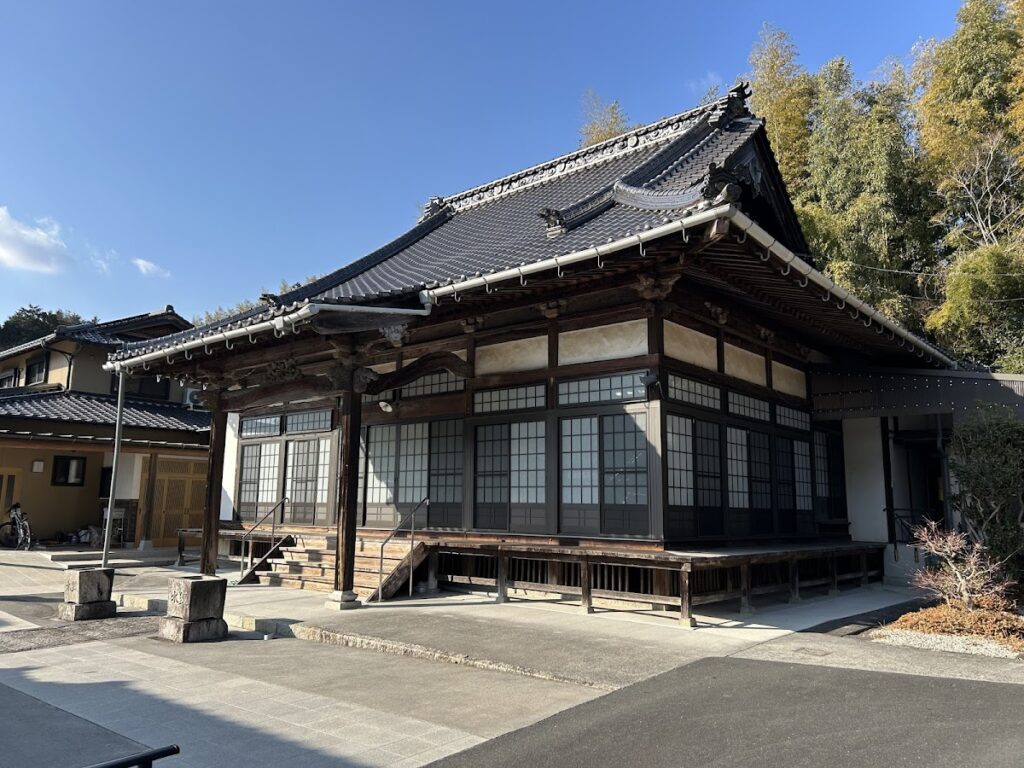
Complete Guide to Senpuku-ji Temples: History, Characteristics, and Access Information for Senpuku-ji Temples Scattered Across Japan
There are several Buddhist temples named “Senpuku-ji” throughout Japan. Each has a different history and characteristics, and is cherished as a place of worship rooted in its local community. This article provides detailed information about major Senpuku-ji temples, including their origins, sects, principal images, cultural properties, and access methods—information you should know before visiting.
What is Senpuku-ji?
The temple name “Senpuku-ji” is an auspicious name meaning “a thousand blessings,” and is adopted by Buddhist temples throughout Japan. Despite sharing the same name, each temple has its own unique history and tradition, and belongs to a different sect.
When searching for “Senpuku-ji,” multiple temples will appear, so it’s important to check the location and sect. This article provides detailed information about major Senpuku-ji temples, categorized by region.
Senpuku-ji Temple (Shigisan Shingon Sect), Yokkaichi City, Mie Prefecture
Basic Information
Senpuku-ji Temple, located in Ikuwa-cho, Yokkaichi City, Mie Prefecture, is a Buddhist temple belonging to the Shigisan Shingon sect. Its mountain name is Ikuwa-san, and its temple name is Shigisan Betsuin.
Sect: Shigisan Shingon Sect
Principal Deity: Bishamonten
Mountain Name: Ikuwa-san
Temple Name: Shigisan Betsuin
History and Origin
Ikuwa-san Senpuku-ji Temple, a Shingon sect temple enshrining Bishamonten as its principal deity, has long attracted the faith of the local community. As a branch temple of the Shigisan Shingon sect, it has a deep connection with its head temple, Shigisan Chogosonshi-ji Temple in Nara Prefecture.
Bishamonten is also known as one of the Seven Lucky Gods and is widely worshipped as the god of military fortune and wealth. This temple holds annual events centered around the worship of Bishamonten.
Location and Access
Address: Ikusacho, Yokkaichi City, Mie Prefecture
Access: Accessible by foot or bus from the nearest station using the Kintetsu Nagoya Line. It is recommended to check detailed access information in advance.
Points to Note When Visiting
As a temple with Bishamonten as its principal deity, many visitors come to pray for business prosperity and family safety. The temple grounds offer a peaceful environment for worship, allowing for a calm and peaceful experience.
Senpuku-ji Temple (Jodo Shinshu Honganji School), Fukui City, Fukui Prefecture
Basic Information
Senpuku-ji Temple, located in Matsumoto, Fukui City, Fukui Prefecture, belongs to the Jodo Shinshu Honganji School. With its mountain name Azamiudayama, it is a central figure in the Jodo Shinshu faith of the region.
Sect: Jodo Shinshu Honganji-ha
Mountain Name: Azamiudayama
Address: 4-8-7 Matsumoto, Fukui City, Fukui Prefecture
Phone: 0776-24-2362
Facility Information
Senpuku-ji Temple has a facility called “Rindo Hall,” which is used for memorial services and various events. It functions not only as a place for memorial services in the main hall but also as a community gathering place, where various Buddhist events are held.
Annual Events
As a temple of the Jodo Shinshu Honganji-ha, annual events based on the teachings of Shinran Shonin are observed. Important memorial services, including the Hoonko, are held regularly, with participation from parishioners and local residents.
Information regarding annual events for the 2025 fiscal year is available on the official website. Those wishing to visit can check the information in advance.
Access Information
Address: 4-8-7 Matsumoto, Fukui City, Fukui Prefecture
Access: Accessible by city bus from JR Fukui Station or on foot. Located in the center of Fukui City, it is relatively easy to access.
Points to Note When Visiting
Jodo Shinshu Honganji-ha temples have different customs than typical Buddhist temples. Jodo Shinshu has unique worship practices, such as breaking incense sticks and laying them down, and not rubbing prayer beads together during prayer. It is advisable to check these beforehand.
Senpuku-ji Temple (Tendai Sect), Hitachi City, Ibaraki Prefecture
Basic Information
Senpuku-ji Temple, located in Kuji-cho, Hitachi City, Ibaraki Prefecture, is a temple belonging to the Tendai sect. Situated on a hill overlooking the Pacific Ocean, it is known for its excellent views.
Sect: Tendai Sect
Location: 1-33-10 Kuji-cho, Hitachi City, Ibaraki Prefecture
Postal Code: 319-1222
Location and Scenery
Senpuku-ji Temple, located in Kuji-cho in southern Hitachi City, sits on a hill overlooking the Pacific Ocean. This location allows visitors to find peace of mind while gazing at the sea, creating a uniquely open and peaceful atmosphere for worship.
As a Tendai sect temple, it inherits the traditional Buddhist teachings of Enryaku-ji Temple on Mount Hiei, its head temple.
Buddhist Statues and Cultural Assets
Senpuku-ji Temple houses many fascinating Buddhist statues, making it a popular destination for those interested in Buddhist statue pilgrimage. As a Tendai sect temple, it enshrines various Buddhist statues, including Kannon Bodhisattva and Fudo Myoo, each with its own deep history of faith.
Relationship with the Community
As the only temple in Kuji-cho, Hitachi City, it serves as the family temple for the local residents. We conduct community-based temple activities, including ancestral memorial services and Buddhist memorial services.
Access Information
Address: 1-33-10 Kuji-cho, Hitachi City, Ibaraki Prefecture
Access: Within walking distance from Kujihama Station on the JR Joban Line. Access by car is also possible, and parking is available. Since it is located on a hill, we recommend checking the route in advance.
About Perpetual Memorial Services and Tree Burials
In recent years, Senpuku-ji Temple has also been offering modern memorial services such as perpetual memorial services and tree burials. We also provide consultations for those considering closing their family graves or opting for perpetual memorial services due to the declining birthrate, aging population, and changes in family structures. For costs and details, please contact the temple directly.
Senpuku-ji Temple (Shingon-shu Yamashina-ha) in Odai-cho, Taki-gun, Mie Prefecture
Basic Information
Located in Yanagihara, Odai-cho, Taki-gun, Mie Prefecture, Senpuku-ji Temple belongs to the Shingon-shu Yamashina-ha sect and is known as the 9th temple on the Ise Saigoku Thirty-Three Kannon Pilgrimage.
Sect: Shingon-shu Yamashina-ha
Mountain Name: Muryozan
Principal Image: Eleven-faced Kannon Bodhisattva
Address: 201 Yanagihara, Odai-cho, Taki-gun, Mie Prefecture
Phone: 0598-85-0077
Positioning as a Sacred Site
As the 9th temple on the Ise Saigoku Thirty-Three Kannon Pilgrimage, it is a temple visited by many pilgrims. It enshrines the Eleven-faced Kannon Bodhisattva as its principal image and serves as a center of Kannon worship.
The Ise Saigoku Thirty-Three Kannon Pilgrimage is a pilgrimage to Kannon temples centered in the Ise region, and Senpuku-ji Temple is one of its important temples. Pilgrims can receive a Goshuin (temple stamp) as a memento of their pilgrimage.
About the Eleven-Faced Kannon Bodhisattva
The principal image, the Eleven-Faced Kannon Bodhisattva, is believed to watch over and save all sentient beings from all directions, possessing eleven faces. It is said to offer various blessings, including protection from disaster, healing from illness, and worldly benefits.
Access and Visiting Information
Address: 201 Yanagihara, Odai-cho, Taki-gun, Mie Prefecture
Phone: 0598-85-0077
Access: Take the Kisei Expressway towards Odai-cho. If using public transportation, a bus or taxi from the nearest station is required.
Comprehensive information for pilgrims is available, and detailed information is also provided on the official website of the Ise Saigoku Thirty-Three Kannon Pilgrimage.
Senpuku-ji Temple (Koyasan Shingon Sect), Anan City, Tokushima Prefecture
Basic Information
Senpuku-ji Temple, located in Anan City, Tokushima Prefecture, is a temple belonging to the Koyasan Shingon sect and is known as Tsunomine-san Senpuku-ji.
Sect: Koyasan Shingon Sect
Mountain Name: Tsunomine-san
Principal Image: Yakushi Nyorai (Hidden Buddha)
Side Buddhas: Fudo Myoo seated statue (left), Kobo Daishi (Kukai) seated statue (right)
History and Origin
Tsunomine-san Senpuku-ji Temple, as a temple of the Koyasan Shingon sect, inherits the teachings of Kobo Daishi Kukai. The principal image, Yakushi Nyorai, is carefully protected as a hidden Buddha and is only unveiled on special occasions.
The temple houses seated statues of Fudo Myoo and Kobo Daishi as flanking deities, reflecting the Shingon Esoteric Buddhism faith.
Yakushi Nyorai Faith
The principal deity, Yakushi Nyorai, is widely worshipped as the Buddha of healing illnesses and longevity. Formally known as Yakushi Rurikō Nyorai, he is considered the principal deity of the Eastern Pure Land of Lapis Lazuli, having made twelve great vows to relieve the suffering of all sentient beings.
While the statue is a hidden image and not usually open to the public, its mystique deepens the faith of its followers.
Location and Access
Located in Anan City, Tokushima Prefecture, this Shingon Buddhist temple in the Shikoku region attracts local devotion. It is recommended to check access methods and visiting hours in advance.
General Etiquette for Visiting Senpuku-ji Temple
Preparation Before Visiting
When visiting a temple, please note the following:
- Attire: Modest, understated clothing is preferable.
- Visiting Hours: Generally from early morning to evening (may vary by temple).
- Photography: Photography is often permitted within the temple grounds, but confirmation is necessary for photography inside the main hall.
- Offering: Prepare an appropriate offering for Goshuin (temple stamps) or special viewings.
Basic Visiting Procedure
- Bow at the Temple Gate: Bow before entering the temple grounds.
- Purification at the Water Basin: Cleanse your hands and mouth.
- Worship at the Main Hall: Join your hands in prayer and pray quietly.
- Goshuin: If desired, obtain one at the temple office or sutra hall.
- Bow Upon Exit: Turn around and bow when leaving the temple gate.
Differences by Sect
Senpuku-ji Temple comprises temples belonging to multiple sects, therefore, the worship customs differ:
- Shingon Sect: Esoteric Buddhist practices, including Goma prayer, are performed.
- Jodo Shinshu Sect: Unique customs regarding incense offering and the use of prayer beads.
- Tendai Sect: Customs inherited from the traditions of Mount Hiei.
It is advisable to confirm the sect of each temple and follow its customs.
Annual Events at Senpuku-ji Temple
Main Buddhist Events
Each Senpuku-ji temple observes annual events according to its respective Buddhist sect:
Spring:
- Spring Equinox Ceremony (March)
- Flower Festival (Buddha’s Birthday) (April 8th)
Summer:
- Obon Festival (August)
- Segaki Ceremony
Autumn:
- Autumn Equinox Ceremony (September)
- Hoonko Ceremony (Jodo Shinshu temples)
Winter:
- New Year’s Eve Bell Ringing (December 31st)
- Shusho-e Ceremony (January)
Special Events
Each temple also holds its own special events. For example, temples that are pilgrimage sites may hold special services for pilgrims.
Detailed event schedules are often available on each temple’s website or blog, so it is recommended to check before visiting.
Tourist Attractions and Nearby Facilities Around Senpuku-ji Temple
Around Yokkaichi City (Mie Prefecture)
The area around Senpuku-ji Temple in Yokkaichi City is a blend of industrial zones and historical streetscapes. Numerous other temples and shrines are scattered nearby, making it ideal for temple hopping.
Around Fukui City (Fukui Prefecture)
Senpuku-ji Temple in Fukui City is located in the city center, providing easy access to historical sites such as Fukui Castle Ruins and Yokokan Garden.
Around Hitachi City (Ibaraki Prefecture)
Senpuku-ji Temple in Hitachi City is situated on a hill overlooking the Pacific Ocean, offering beautiful coastal scenery. Hitachi City also boasts many other attractions, including the Hitachi Civic Center and Oiwa Shrine.
Around Odai Town (Mie Prefecture)
Senpuku-ji Temple in Odai Town is located in a naturally rich area, with nearby spots to enjoy nature, such as the clear waters of the Miyagawa River and Osugidani Valley.
Anan City Area (Tokushima Prefecture)
Around Senpuku-ji Temple in Anan City, you can experience the nature and culture of Shikoku, with pilgrimage sites of the Shikoku Pilgrimage and scenic coastal areas.
Contact Information for Senpuku-ji Temple
Pre-Visit Information
To ensure a smooth visit, please check the following before visiting the temple:
- Visiting Hours: Varies by temple; prior confirmation is necessary.
- Memorial Service Schedule: General visits may be restricted on days with major memorial services.
- Parking Availability: Confirmation is necessary if traveling by car.
- Goshuin (Temple Stamp) Reception Hours: Check the temple office’s opening hours.
- Special Viewings: Special viewing dates for hidden Buddha statues and cultural properties.
How to Find Contact Information
For contact information for each Senpuku-ji Temple, please refer to the phone numbers listed in this article or their official websites via internet search. Many temples now provide information on websites and social media, allowing you to obtain the latest information.
Obtaining Information Online
- Official Website: Event schedules and latest information are posted.
- Google Maps: Location confirmation and review.
- Temple Search Sites: Specialized sites such as HomeMate and Omairi.
- Pilgrimage Sites: For pilgrimage temples, detailed information is available on the official pilgrimage website.
Senpuku-ji Temple and the Local Community
Role as a Family Temple
Many Senpuku-ji temples play an important role as family temples for local residents. They are the center of religious activities related to important life events such as ancestral worship, memorial services, and funerals.
Community Gathering Place
Temples are not merely religious facilities; they also function as hubs for local communities. Various events and gatherings are held using the main hall and community halls (such as Rindo Hall), providing a place to deepen community bonds.
Cultural Inheritance
As a Buddhist temple, it contributes to the preservation and inheritance of traditional Japanese culture and Buddhist art. It plays a role in protecting various cultural assets such as Buddhist statues, architecture, gardens, and calligraphy, and passing them on to future generations. ### Modern Initiatives
We offer memorial services tailored to modern lifestyles, including perpetual memorial services, tree burials, and columbariums. We are also adapting to the times by providing consultations on closing graves and offering online memorial services for parishioners living far away.
The Significance of Visiting Senpuku-ji Temple
Seeking Peace of Mind
Taking time to calm your mind in a quiet temple, away from the stresses of modern society, is important for mental health. A community-based temple like Senpuku-ji offers a tranquil environment for worship, far removed from the hustle and bustle of the city.
Ancestor Worship and Gratitude
Worshiping ancestors at a family temple is a traditional Japanese custom. Through a visit to Senpuku-ji Temple, you can express gratitude to your ancestors and reaffirm your own roots.
Experiencing Buddhist Teachings
Each Senpuku-ji temple of a different sect holds sermons and events based on its respective doctrines. Experiencing Buddhist teachings can provide guidance and spiritual support for life.
Engaging with Buddhist Teachings ### Learning about Local History
Temples are important institutions that tell the story of a region’s history. By visiting Senpuku-ji Temple, you can learn about the history, culture, and faith of the people in that region.
Summary: Planning a Visit to Senpuku-ji Temple
Senpuku-ji Temples, scattered throughout Japan, are fascinating temples, each with its own unique history and characteristics. Senpuku-ji temples in various locations—a Shingon Buddhist temple in Yokkaichi City, Mie Prefecture; a Jodo Shinshu Honganji-ha temple in Fukui City, Fukui Prefecture; a Tendai Buddhist temple in Hitachi City, Ibaraki Prefecture; a Shingon Yamashina-ha temple in Odai-cho, Mie Prefecture; and a Koyasan Shingon Buddhist temple in Anan City, Tokushima Prefecture—serve as centers of local faith.
When planning a visit, start by confirming the location and sect of the Senpuku-ji Temple you wish to visit, and then research access methods and visiting hours. Obtaining the latest information from each temple’s official website or blog, and checking the dates of annual events and special viewings, will allow for a more fulfilling visit.
Visiting a temple offers not only peace of mind but also a valuable opportunity to experience traditional Japanese culture and local history. Through a visit to Senpuku-ji Temple, you can connect with Buddhist teachings, express gratitude to your ancestors, and have time for self-reflection.
Using the information presented in this article, please plan your visit to Senpuku-ji Temple. Each temple awaits your visit with heartfelt anticipation.