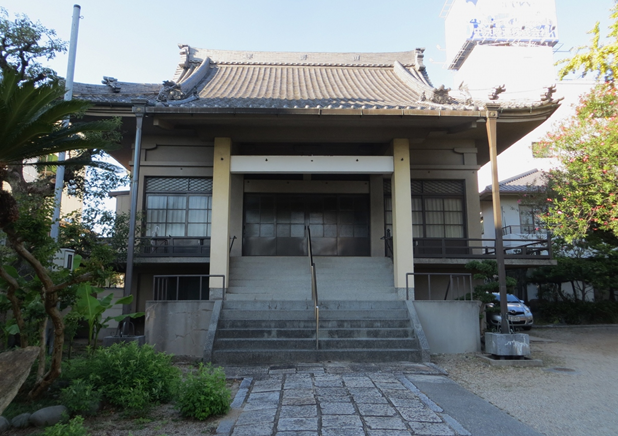
Complete Guide to Shinpukuji Temples: A Thorough Explanation of Famous Temples Nationwide, Including Those in Okazaki, Minato Ward, and Chichibu
Shinpukuji (or Shinfukuji) is the name of a group of Buddhist temples found throughout Japan. Each Shinpukuji has its own unique history and cultural assets, and has played an important role as a center of local faith. This article focuses on particularly famous Shinpukuji temples, providing detailed explanations of their history, cultural assets, locations, and transportation access.
Table of Contents
- What is Shinfukuji Temple?: Temples with the same name spread throughout Japan
- Shinfukuji Temple (Okazaki City, Aichi Prefecture): A famous Tendai sect temple known as Mikawa Yakushi
- Shinfukuji Temple (Minato Ward, Tokyo): A branch temple of the Shingon Chizan sect
- Shinfukuji Temple (Chichibu City, Saitama Prefecture): The second temple of the Chichibu pilgrimage
- Shinfukuji Temple (Okaya City, Nagano Prefecture): An ancient temple of the Shingon Chizan sect
- Other Shinfukuji Temples: Saitama City, Nagaoka City, Niigata Prefecture, etc.
- Cultural Properties and Important Cultural Properties of Shinfukuji Temples
- Transportation Access Information to Each Shinfukuji Temple
- Recommendations for Visiting Shinfukuji Temples
What is Shinfukuji Temple?: Temples with the same name spread throughout Japan
The temple name “Shinfukuji” means “true good fortune” in Buddhism and has been adopted throughout Japan. There are multiple spellings, such as “眞福寺” and “真福寺,” but they all have the same meaning.
The various Shinpukuji temples throughout Japan belong to different sects, including the Tendai, Shingon Chizan, and Shingon Buzan branches, each with its own unique history and traditions. This article will provide detailed information focusing on Shinpukuji temples that attract many visitors and possess significant cultural and historical value.
Shinpukuji Temple (Okazaki City, Aichi Prefecture): A renowned Tendai sect temple known as Mikawa Yakushi
Overview
Located on Yakushiyama in Shinpukuji-cho, Okazaki City, Aichi Prefecture, Shinpukuji Temple is a Tendai sect temple officially called Ryojusen Kokenin Shinpukuji. Its mountain name is Ryojusen, and it attracts many worshippers from across Japan, not just Aichi Prefecture, as “Mikawa Yakushi.”
The principal image is a Yakushi Nyorai commonly known as Suitai Yakushi, which is believed to have miraculous powers, particularly for physical health and eye diseases, and has long been revered. Furthermore, it is a popular tourist spot known for its bamboo-based cuisine and selected as one of Okazaki’s Top 100 Sightseeing Spots.
History
There are various theories regarding the founding of Shinfuku-ji Temple, but according to tradition, it was founded by Prince Shotoku. It is said that when Prince Shotoku established temples throughout Japan during the reign of Empress Suiko, he enshrined a highly efficacious Yakushi Nyorai (Medicine Buddha) in this location.
From the Heian period to the Kamakura period, it developed as a Tendai sect temple and played a central role in Buddhist faith in the Mikawa region. Although it was caught in the ravages of war during the Sengoku period, it was rebuilt under the patronage of the Tokugawa family during the Edo period and continues to attract local devotion to this day.
Cultural Properties and Temple Treasures
Shinfuku-ji Temple in Okazaki City preserves numerous cultural properties. These include the principal image of Yakushi Nyorai, the attendant statues of Nikko Bosatsu and Gekko Bosatsu, and the Twelve Heavenly Generals, among other Buddhist statues from the Heian to Kamakura periods.
The temple grounds contain the main hall and Yakushi-do (Medicine Buddha Hall), built during the Edo period, and are valuable structures for the study of architectural styles. Furthermore, numerous Buddhist art objects and ancient documents collected by successive chief priests are preserved, and special exhibitions are held periodically.
Bamboo Feast Cuisine and Temple Grounds Highlights
One of the major features of Shinfuku-ji Temple is its bamboo feast cuisine. This vegetarian cuisine, using local bamboo shoots, is known as a specialty that allows visitors to enjoy the flavors of each season. Especially during the spring bamboo shoot season, many worshippers come from all over the country.
The temple grounds are beautiful in nature throughout the seasons, and the autumn autumn foliage season offers particularly magnificent scenery. Located at the foot of Mt. Yakushi, the temple grounds offer a panoramic view of Okazaki city, and the peaceful environment for worship is also a major attraction.
Location and Access
Location: Yakushiyama, Shinfukuji-cho, Okazaki City, Aichi Prefecture
Access:
- Approximately 20 minutes by bus from Higashi-Okazaki Station on the Meitetsu Nagoya Main Line, then a 5-minute walk from the Shinfukuji bus stop.
- Approximately 15 minutes by taxi from Kita-Okazaki Station on the Aichi Loop Railway.
- Approximately 20 minutes by car from Okazaki IC on the Tomei Expressway.
- Parking available (free).
Shinfukuji Temple (Minato-ku, Tokyo): Branch Temple of the Shingon-shu Chizan-ha
Overview
Located in Motoazabu, Minato-ku, Tokyo, Shinfukuji Temple is a temple of the Shingon-shu Chizan-ha sect. It holds an important position as a branch temple of the sect, which has Chishakuin Temple in Kyoto as its head temple. It houses the Shingon-shu Chizan-ha sect’s administrative office and serves as the sect’s activity base in Tokyo.
History
Shinfuku-ji Temple was founded in 1605 (Keicho 10) by Shokai, the restorer and founder of the temple. It was established in the early Edo period, shortly after Tokugawa Ieyasu established the shogunate in Edo, as part of the urban development and placement of Buddhist temples in Edo.
Throughout the Edo period, it developed as a Shingon Buddhist temple, and even after the Meiji Restoration, it functioned as a central temple of the Shingon Chizan sect in Tokyo. Currently, it serves as a quiet temple in the heart of the city, a place of worship for local residents.
Cultural Properties and Temple Treasures
Shinfuku-ji Temple in Minato Ward preserves numerous Buddhist statues and artifacts from the Edo period. Cultural properties that tell the story of Shingon Buddhism are enshrined there, including the principal image of Fudo Myoo, a statue of Kobo Daishi, and portraits of successive chief priests.
Within the temple grounds, Edo-period stone Buddha statues and memorial towers remain, making it a valuable historical site that conveys the history of Edo.
Location and Access
Location: Motoazabu, Minato-ku, Tokyo
Access:
- Approximately 10 minutes on foot from Hiroo Station on the Tokyo Metro Hibiya Line
- Approximately 15 minutes on foot from Azabu-Juban Station on the Toei Oedo Line
- 3 minutes on foot from the Motoazabu bus stop (Toei Bus)
Shinfuku-ji Temple (Chichibu City, Saitama Prefecture): Second Temple of the Chichibu Pilgrimage
Overview
Located in Chichibu City, Saitama Prefecture, Shinfuku-ji Temple is known as the second temple of the Chichibu Thirty-Four Kannon Pilgrimage. Its official name is Ootanayama Shinfuku-ji, and it serves as an important base for the Chichibu pilgrimage.
History and Faith
The Chichibu pilgrimage is believed to have been established during the Muromachi period, and Shinfuku-ji Temple has long functioned as a center of Kannon worship. Pilgrims on the pilgrimage continue their journey from Shimanbu-ji Temple, the first temple, to Shinfuku-ji Temple.
The principal image is the Holy Kannon Bodhisattva, and it is especially believed to bring blessings for family safety and business prosperity. In addition to the Kannon Hall, the temple grounds also have a sutra copying office, which is bustling with worshippers seeking temple stamps.
Location and Access
Location: Yamada, Chichibu City, Saitama Prefecture
Access:
- Approximately 15 minutes on foot from Chichibu Station on the Chichibu Railway
- Approximately 20 minutes on foot from Seibu Chichibu Station on the Seibu Chichibu Line
- 5 minutes on foot from the Yamada bus stop on the Chichibu Railway Bus
Shinfuku-ji Temple (Okaya City, Nagano Prefecture): An ancient temple of the Shingon Chizan sect
Overview
Located in Okaya City, Nagano Prefecture, Shinfuku-ji Temple belongs to the Shingon Chizan sect and is officially called Seiryuzan Shinfuku-ji. As an ancient temple of Shinshu (Nagano Prefecture), it has attracted the faith of the local community.
Highlights of the Temple Grounds
Shinfuku-ji Temple in Okaya City is known for its weeping cherry trees and weeping plum trees. In spring, the temple grounds are adorned with cherry and plum blossoms, attracting many worshippers and tourists. Especially from April to May, coinciding with the Hanamatsuri (Flower Festival) celebrating the birth of Buddha, the temple grounds are enveloped in a vibrant atmosphere.
The main hall is a late Edo period building, retaining many characteristics of Shinshu temple architecture. Lake Suwa can be seen from the temple grounds, and the temple is also known for its beautiful scenery.
Location and Access
Location: Okaya City, Nagano Prefecture
Access:
- Approximately 15 minutes on foot from Okaya Station on the JR Chuo Main Line
- Approximately 10 minutes by car from Okaya Interchange on the Chuo Expressway
Other Shinfuku-ji Temples: Saitama City, Nagaoka City, Niigata Prefecture, etc.
Shinfuku-ji Temple (Bessho, Minami-ku, Saitama City)
This temple belongs to the Shingon-shu Buzan-ha sect, and its official name is Hokozan Muryoin Shinfuku-ji. The founding date is unknown, but a stone stupa with an Amida Triad seed syllable inscription dated Showa 3 (1314) remains, indicating that it is an ancient temple dating back to the Middle Ages. This stone stupa is a Saitama City Designated Tangible Cultural Property.
It is said that the temple was restored by the monk Yuzon (died Kanbun 6, 1666), and the current temple appearance was established during the Edo period.
Transportation Access: From JR Musashino Line “Musashi-Urawa Station,” take a bus and get off at the “Bessho” bus stop, then a 5-minute walk.
Shinfuku-ji Temple (Nagaoka City, Niigata Prefecture)
Shinfuku-ji Temple also exists in Nagaoka City, Niigata Prefecture, and functions as a center of local faith. Detailed histories are recorded in local historical documents, revealing that each Shinfuku-ji Temple has developed uniquely.
Cultural Properties and Important Cultural Properties of Shinfuku-ji Temples
Numerous cultural properties are preserved at Shinfuku-ji Temples throughout Japan. These range from those designated as Important Cultural Properties to those designated by prefectures and municipalities.
Buddhist Statues and Paintings
Each Shinfuku-ji Temple houses Buddhist statues dating from the Heian period to the Edo period. In particular, there are many statues of Yakushi Nyorai, Kannon Bosatsu, and Fudo Myoo, reflecting the beliefs of each sect. Valuable Buddhist paintings, such as mandalas and portraits of high-ranking monks, are also preserved.
Buildings
Some temples still have buildings such as the main hall, temple gate, and bell tower that date back to before the Edo period. These are valuable resources for understanding the architectural techniques and styles of that time.
Ancient Documents and Texts
Buddhist texts collected by successive chief priests and ancient documents recording the history of the temple are also important cultural assets. These are indispensable historical materials for regional history research.
Summary of Transportation Access Information to Each Shinfuku-ji Temple
This summarizes how to access major Shinfuku-ji temples throughout Japan.
Access by Public Transportation
- Okazaki City: Convenient access by bus from Meitetsu Higashi-Okazaki Station
- Minato Ward: Within walking distance from Tokyo Metro Hiroo Station
- Chichibu City: Accessible on foot from Chichibu Railway Chichibu Station or by pilgrimage bus
- Okaya City: Within walking distance from JR Okaya Station
- Saitama City: Accessible by bus from JR Musashi-Urawa Station
Access by Car
While most Shinfuku-ji temples have nearby parking facilities, congestion is expected, especially during peak tourist seasons and events. It is recommended to check parking information on each temple’s official website in advance.
Recommendation for Visiting Shinfuku-ji Temples
By visiting the Shinfuku-ji temples scattered throughout Japan, you can experience the diversity and regional characteristics of Japanese Buddhist culture.
Seasonal Attractions
- Spring: Cherry blossoms and plum blossoms in Okaya City, flower festivals in various locations
- Summer: Summer memorial services, fresh greenery in the temple grounds
- Autumn: Autumn leaves in Okazaki City, autumn festival
- Winter: New Year’s visit to the temple, Setsubun festival
Shinfuku-ji Temple as a Pilgrimage Site
As the second temple on the Chichibu Thirty-Four Kannon Pilgrimage, Shinfuku-ji Temple is an important point on the pilgrimage. Visiting the temples in order from the first allows you to experience the true essence of the pilgrimage.
Points to Note When Visiting Cultural Properties
When visiting each Shinfuku-ji Temple, be sure to check the opening dates and times of the cultural properties in advance. Temple treasures that are normally not open to the public may be viewable during special exhibition periods. Also, if you are collecting temple stamps (Goshuin), it is recommended to bring your pilgrimage notebook.
Etiquette for Visiting Temples
When visiting a temple, please observe the following etiquette:
- Bow at the temple gate before entering the grounds.
- Quietly join your hands in prayer at the main hall.
- Take photographs only in designated areas.
- Be quiet on the temple grounds and avoid disturbing other visitors.
- If using dining facilities such as Takezen Ryori, advance reservations are recommended.
Summary
There are temples named Shinfukuji throughout Japan, each with its own unique history and cultural assets. Shinfukuji temples in various locations, such as the Tendai sect’s Shinfukuji in Okazaki City, Aichi Prefecture (known as Mikawa Yakushi), the Shingon Chizan sect’s branch temple in Minato Ward, Tokyo, and the second temple on the Chichibu pilgrimage route, have all played important roles as centers of faith in their respective regions.
Understanding the characteristics of each Shinfukuji temple—its mountain name, sect, principal image, and cultural assets—will allow you to gain a deeper understanding of the richness of Japanese Buddhist culture. When visiting for worship or sightseeing, we recommend taking the time to appreciate the history and cultural assets of each temple and to find peace of mind in the quiet grounds.
Many of these temples are located in relatively convenient locations, so please do visit the various Shinfuku-ji temples while enjoying the changing seasons. You’re sure to discover the unique charms of each temple, such as bamboo cuisine, autumn leaves, and cherry blossoms.