Complete Guide to Shingu Shrines | A Thorough Explanation of the History, Deities, and Worship Methods of Shingu Shrines Nationwide
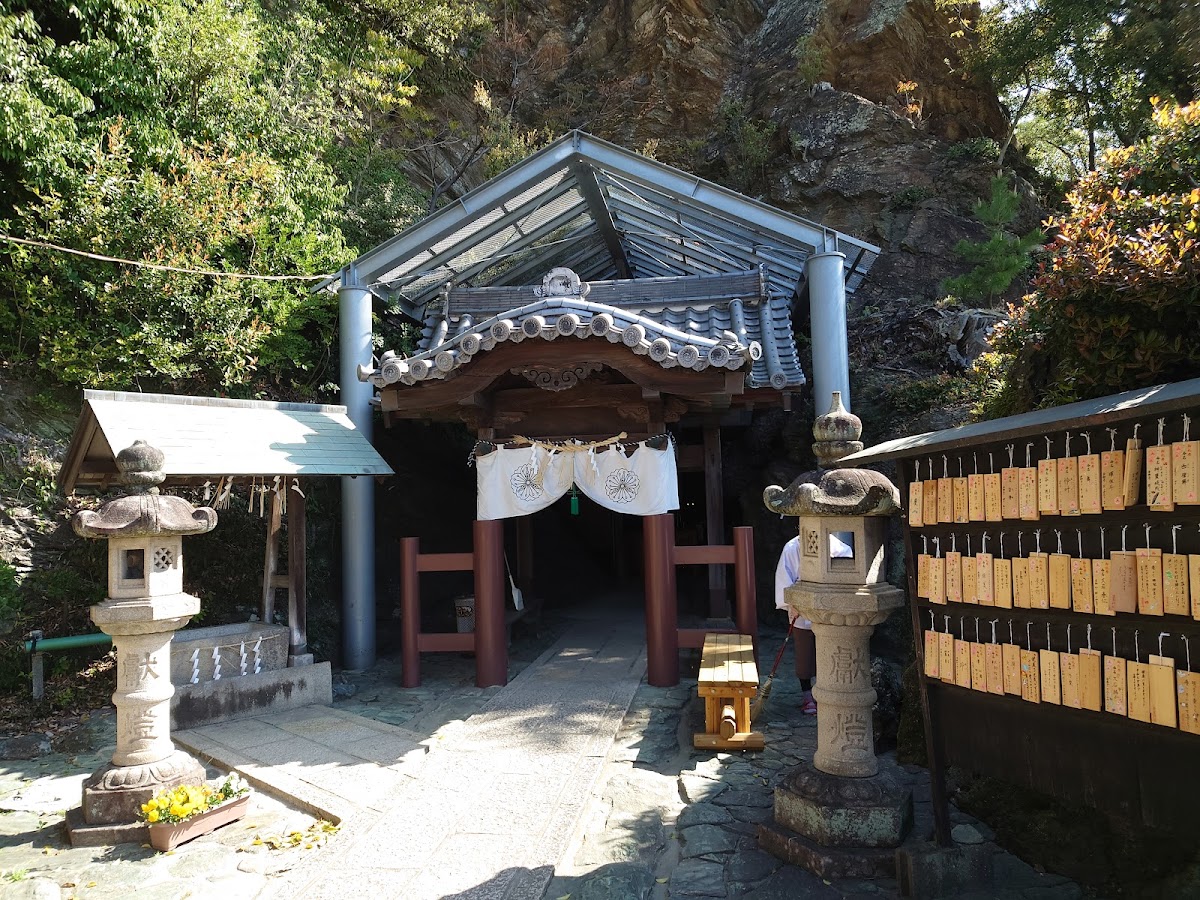
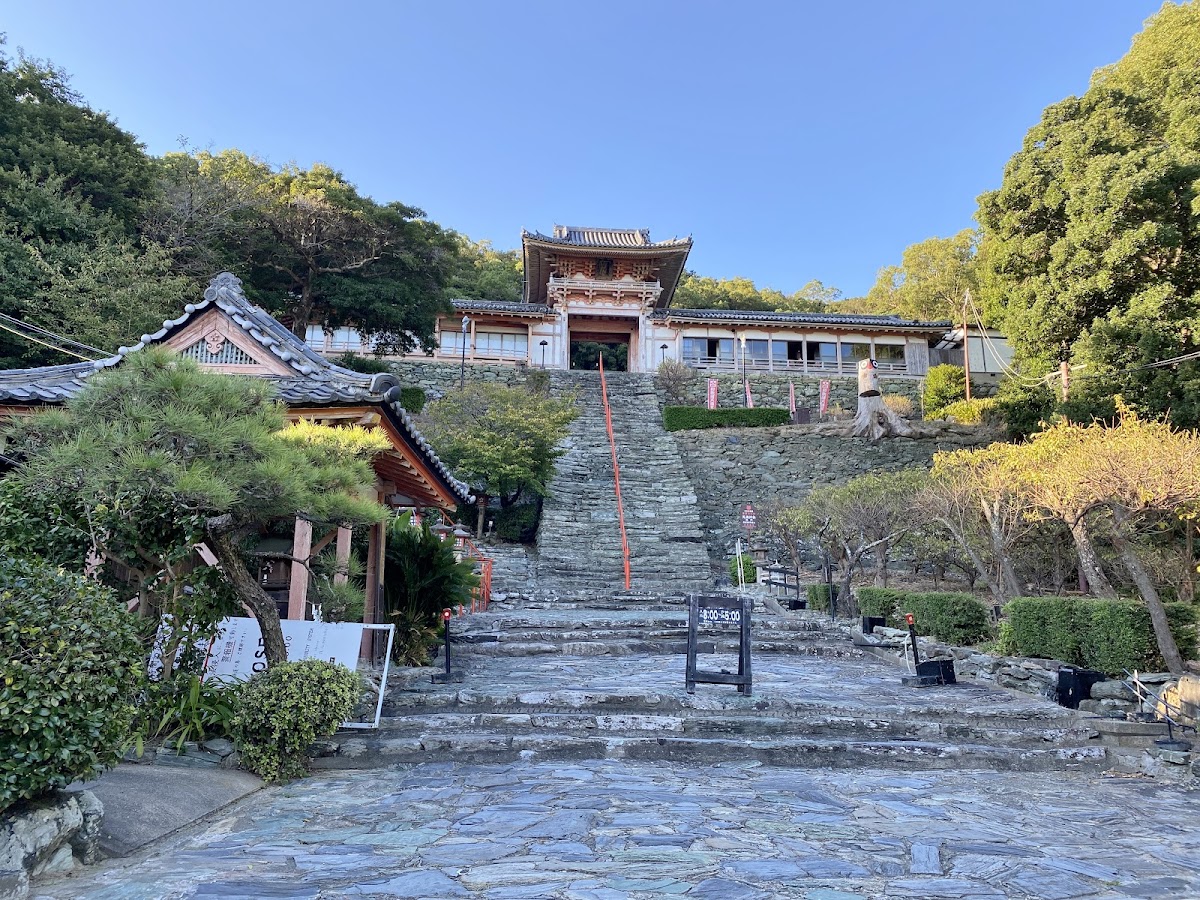
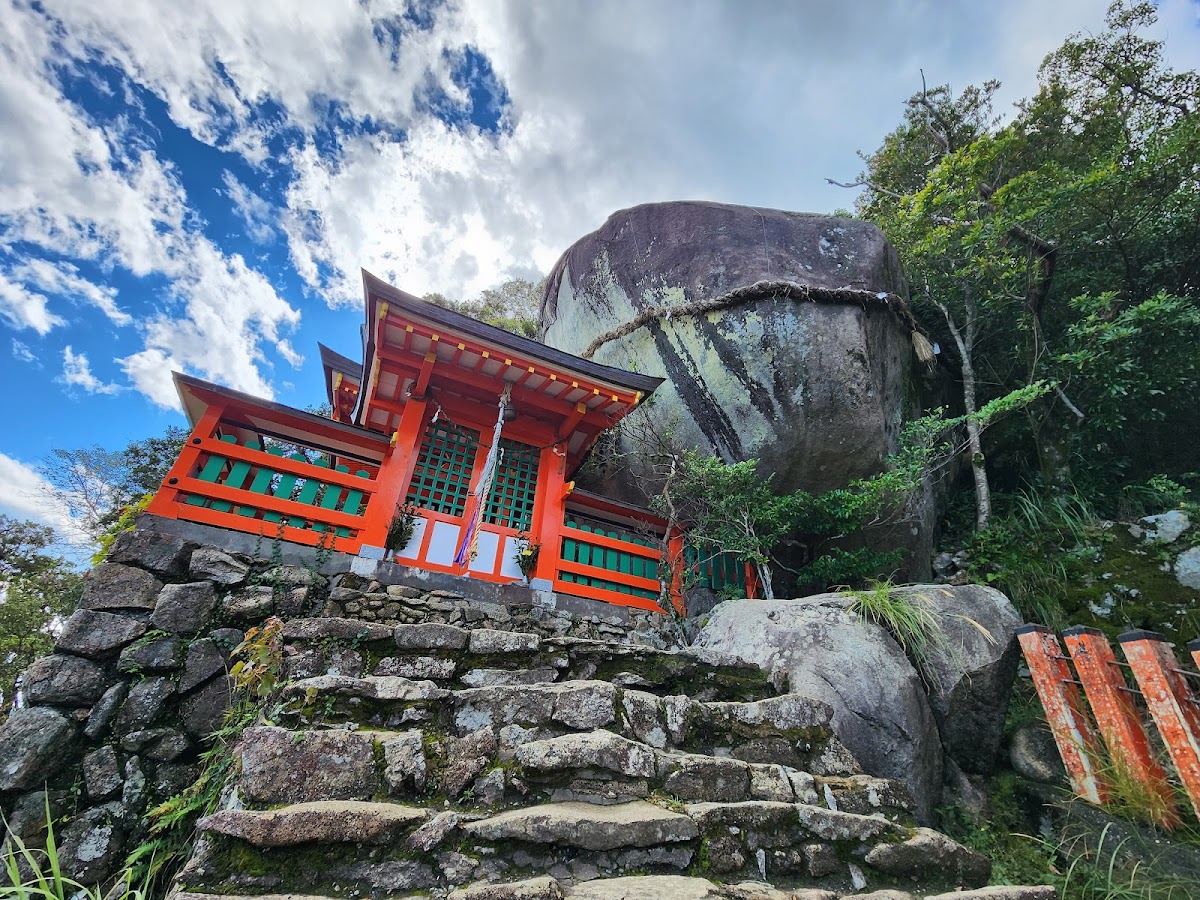
Shingu shrines are located throughout Japan. Each Shingu shrine has its own unique history and origins, and has been deeply revered by local people. This article provides a thorough explanation of major Shingu shrines, including detailed information, enshrined deities, blessings, worship methods, and access information.
What are Shingu Shrines? | Origin of the Name and Nationwide Distribution
The name “Shingu” can mean a new shrine in contrast to the main shrine, or it can refer to a shrine that was established by inviting a deity from Kumano Shingu (Kumano Hayatama Taisha). Multiple Shingu shrines exist throughout Japan, each revered as a local tutelary deity or as a highly sacred shrine dedicated to specific gods.
Major Shingu Shrines include the Shingu Shrine located within the grounds of Kamigamo Shrine in Kyoto, the Shigaraki Ichinomiya Shingu Shrine in Shigaraki-cho, Koka City, Shiga Prefecture, the Shingu Shrine (Noji Shrine) in Kusatsu City, the Shingu Shrine in Takahama-cho, Fukui Prefecture, and the Shingu Shrine in Higashihiroshima City, Hiroshima Prefecture.
Kamigamo Shrine Shingu Shrine | A shrine known for its sacred dance prayers in Kyoto
About the Shingu Shrine within the grounds of Kamigamo Shrine
The Shingu Shrine, located within the grounds of Kamo Wakeikazuchi Shrine (Kamigamo Shrine), is known for its special worship style. Normally, the main gate is closed, and worship is conducted from in front of the gate. However, on the second and fourth Sundays of each month, designated as festival days, the gate is opened, allowing visitors to receive special sacred dance prayers.
Sacred Dance Prayer and Kamo Dance
On the days the gate is open, a sacred dance prayer ceremony is held, featuring the “Kamo Dance” performed by shrine maidens. This Kagura (sacred dance) preserves a time-honored tradition, allowing visitors to witness the sacred dance up close. Please note that Kagura prayers may require advance reservations; it is recommended to check the Kamigamo Shrine official website before visiting.
Visiting Hours and Items
At the Shingu Shrine within Kamigamo Shrine, special items are sometimes distributed on opening days. These include amulets and Goshuin (stamped seals), some of which are only available on these days, making them a memorable souvenir of your visit. Visiting hours are generally from 9:00 AM to around 4:00 PM, but may change depending on the season or festivals.
Shigaraki Ichinomiya Shingu Shrine | A 1,300-Year-Old Shrine in Shigaraki
History of its Founding in the First Year of the Reiki Era
Located in Shigaraki-cho, Koka City, Shiga Prefecture, Shigaraki Ichinomiya Shingu Shrine is a 1,300-year-old shrine founded in September of the first year of the Reiki Era (715 AD) during the reign of Emperor Gensho, the 44th emperor. Since its founding in the Nara period, it has remained a prominent presence in the Shigaraki region, revered as a center of local faith.
Deities and Blessings
Shigaraki Ichinomiya Shingu Shrine is widely revered and worshipped as the tutelary deity (ujigami) of Nagano, Kamiyama, Eda, and Ogawa in Shigaraki town, and has been known as “Shingu Daimyojin.” The enshrined deities are gods who protect the region, and are believed to bestow blessings such as family safety, abundant harvests, and business prosperity.
Dragon God Worship of the Source of Life
This shrine also has a tradition of worshipping the dragon god who governs the source of life. Water is the source of life and an indispensable element for the pottery industry in Shigaraki, the pottery capital. This dragon god worship is deeply connected to the regional characteristics of Shigaraki as a production area for Shigaraki ware, and is deeply revered by those involved in pottery.
Ceramic Gratitude Prayer and Rituals
As a ritual unique to Shigaraki, the production area of Shigaraki ware, a ceramic gratitude prayer ceremony is held to express gratitude for the pottery. This ceremony allows those involved in pottery to offer their gratitude to the gods, forming a unique culture that blends Shigaraki’s traditional industry with Shinto beliefs.
Grounds and Access
In addition to the main hall and worship hall, the grounds include a forest where visitors can enjoy the beauty of nature throughout the seasons. Cherry blossoms in spring and autumn leaves in fall are particularly beautiful, delighting visitors. Access is within walking distance from Shigaraki Station on the Shigaraki Kogen Railway, or about 10 minutes by car from the Shigaraki Interchange on the Shin-Meishin Expressway. A parking lot for visitors is also available on the grounds.
Shingu Shrine (Kusatsu City) | An Ancient Shrine Also Known as Noji Shrine
Dedicated to Kotosakao-no-Mikoto and Hayatamao-no-Mikoto
Shingu Shrine, located in Kusatsu City, Shiga Prefecture, is approximately 2.5 km southwest of JR Kusatsu Station. The enshrined deities are Kotosakao-no-Mikoto and Hayatamao-no-Mikoto, and the shrine is also known as Noji Shrine. These two deities are deeply connected to Kumano faith.
Connection to Kumano Faith
Kotosakao-no-Mikoto and Hayatamao-no-Mikoto are also the principal deities of Kumano Hayatama Taisha (Shingu City), one of the three Kumano shrines. For this reason, this shrine is considered one of the important shrines demonstrating the spread of Kumano faith. In the Middle Ages, Kumano faith spread throughout Japan, and Kumano shrines and Shingu shrines were established in various locations.
Visiting the Shrine and its Benefits
Kusatsu’s Shingu Shrine is believed to offer blessings for matchmaking, marital harmony, and family safety. Kotoshikao-no-Mikoto and Hayatamao-no-Mikoto are deities associated with the myth of Izanagi and Izanami, and are worshipped as guardians of harmonious human relationships and new beginnings.
Shingu Shrine in Takahama Town, Fukui Prefecture | Symbolized by a Giant Ginkgo Tree
History and Features of the Shrine Grounds
Shingu Shrine in Takahama Town, Fukui Prefecture, is a historic shrine known for its striking giant ginkgo tree. Climbing the long staircase within the grounds leads to Atago Shrine, where visitors can enjoy the scenery. This staircase path is considered a sacred route that brings purification of mind and body to worshippers.
Annual Festival and Connection to the Community
During the annual festival held in October, portable shrines and floats parade through the town of Wada, and the shrine grounds become lively. This festival is a major event in which the entire community participates, demonstrating the strong bond between the shrine and the local community. The procession of the portable shrine is a sacred ritual in which the deity travels through the region, blessing the people.
Shingu Shrine in Hiroshima Prefecture | Two shrines in Higashihiroshima City and Hatsukaichi City
Shingu Shrine in Saijo-cho, Higashihiroshima City
Shingu Shrine, located in Jike, Saijo-cho, Higashihiroshima City, Hiroshima Prefecture, is known for its gently sloping and easy-to-walk grounds. The Isobe family, who serve as the chief priests, trace their ancestry to Isobe Sakon Hidezane, the seventh-generation descendant of Sasaki Moritsuna (a member of the Uda Genji clan and a retainer of Minamoto no Yoritomo). It is said that they came to this area from Isobe in Kozuke Province around the time of the Kenmu Restoration (1334) and served as Shinto priests.
According to the “Geihan Tsushi” (General History of the Geihan Domain), Isobe Sakon Hidezane is considered an ancestor of the Isobe family, the chief priests of Shingu Shrine in Jike Village (present-day Jike, Saijo-cho), indicating the shrine’s long history.
Shingu Shrine in Hatsukaichi City and the Legend of Ohno Goro
Shingu Shrine, located on a small hill in Hatsukaichi City, is dedicated to Jiro of the Ohno Goro family and is affectionately known as “Shingu-san” by locals. This legend has been passed down in the region for centuries and is deeply intertwined with the shrine’s history.
Etiquette and Manners for Visiting Shingu Shrine
Basic Etiquette for Visiting Shrine
The basic etiquette for visiting Shingu Shrine is the same as for visiting any other shrine. Bow before passing through the torii gate, and avoid walking in the center of the path. After purifying yourself at the water basin, perform the two bows, two claps, and one bow ritual in front of the main hall.
Receiving a Prayer
If you wish to receive a prayer, it is recommended that you make a reservation by phone in advance. The reception hours for prayers are generally from 9:00 AM to around 4:00 PM, but this varies depending on the shrine, so confirmation is necessary. The prayer fee (offering) varies depending on the content of the prayer, but it is generally around 5,000 to 10,000 yen.
The Special Nature of the Kagura Prayer
At shrines that perform Kagura prayers, such as the Shingu Shrine of Kamigamo Shrine, a special form of prayer is offered that differs from regular prayers. The performance of Kagura by shrine maidens is the highest offering to the gods, and it is believed that those present receive special divine blessings.
Items Offered at Shingu Shrine | Amulets and Goshuin (Shrine Seals)
Unique Items Offered at Each Shrine
Shingu Shrine offers items that reflect the unique characteristics of each shrine. At Shingu Shrine in Shigaraki, ceramic amulets and lucky charms are available; at Shingu Shrine in Kusatsu, amulets for matchmaking are offered; and at Shingu Shrine in Takahama, amulets for good fortune and prosperity are offered. Each shrine offers items corresponding to the divine virtues of its enshrined deity.
About Goshuin (Shrine Seals)
Goshuin are sacred items given as proof of worship. Bring your goshuincho (seal book) and receive your goshuin at the shrine office after your visit. The fee for a goshuin is generally around 300 to 500 yen. A goshuin is not merely a stamp; it is proof of a connection with the deity, so please handle it with care.
Access and Visiting Information for Shingu Shrine
Access to Kamigamo Shrine Shingu Shrine
Approximately 5 minutes by city bus from Kitayama Station on the Kyoto Municipal Subway Karasuma Line, get off at Kamigamo Shrine bus stop. By car, approximately 40 minutes from the Kyoto Minami Interchange on the Meishin Expressway. As it is a subsidiary shrine of Kamigamo Shrine, you can visit it in conjunction with a visit to Kamigamo Shrine.
Access to Shigaraki Ichinomiya Shingu Shrine
Approximately 15 minutes on foot from Shigaraki Station on the Shigaraki Kogen Railway. By car, approximately 10 minutes from the Shigaraki Interchange on the Shin-Meishin Expressway. Parking is available. Visiting in conjunction with a tour of Shigaraki ware pottery kilns is also recommended.
Access to Kusatsu Shingu Shrine
Approximately 30 minutes on foot from JR Kusatsu Station, or by bus. By car, approximately 15 minutes from the Ritto Interchange on the Meishin Expressway. There are many historical sights in the surrounding area, such as the Kusatsu-juku Honjin (main inn).
Precautions for Visiting
The shrine grounds are a sacred place, so please visit in silence. Photography is only permitted in designated areas; please refrain from taking pictures in areas where photography is prohibited, such as inside the main hall. Many shrines prohibit bringing pets, so please check in advance.
Records of Annual Events and Festivals at Shingu Shrine
Major Annual Events
Shingu Shrine holds various festivals throughout the year. Beginning with the New Year’s Day Festival, traditional Japanese Shinto rituals such as the Setsubun Festival, Spring Grand Festival, Summer Purification Ceremony, Autumn Grand Festival, and Niiname-sai (harvest festival) are preserved and passed down to future generations.
Records and Transmission of Festivals
Each shrine carefully preserves records of its festivals, passing them down to future generations. Ancient documents, photographs, and videos of festivals remain, serving as valuable resources for understanding the history of the shrine. At Shingu Shrine in Shigaraki, records of prayers of gratitude for pottery production are considered particularly important.
The Changing Faces of the Shrine Grounds Through the Seasons
The grounds of Shingu Shrine display different faces throughout the four seasons. From cherry blossoms in spring, fresh greenery in early summer, autumn leaves, and snowscapes in winter, there are delights to enjoy in every season. In particular, Shingu Shrine in Shigaraki and Shingu Shrine in Takahama are situated in rich natural environments, allowing visitors to experience the changing seasons while offering their prayers.
Shingu Shrine and the Local Community
Role as a Local Guardian Deity
Many Shingu Shrines are revered as the local guardian deity (ubusunagami) of their respective regions. A ubusunagami is a deity that protects people born in a particular area throughout their lives, and therefore has very strong ties to the local residents. People visit the shrine at important life events such as a baby’s first shrine visit, Shichi-Go-San (a traditional rite of passage for children), and exorcisms.
Parishioner Organization and Shrine Management
Each Shingu Shrine has a parishioner organization that supports the maintenance and management of the shrine and the operation of festivals. Led by the parishioner representatives, local residents are actively involved in activities such as cleaning, festival preparations, and the planning and management of shrine events. Through these activities, the bonds of the local community are strengthened.
The Role of Shingu Shrines in Modern Times
In modern society, Shingu Shrines are not merely places of worship, but also play an important role in preserving the cultural identity of the region. Through festivals, intergenerational exchange is fostered, and traditional culture is passed down. Furthermore, they serve as a spiritual haven, providing comfort to many people. ## Benefits of Visiting Shingu Shrine
Benefits by Deity
The benefits of visiting Shingu Shrine vary depending on the deity enshrined. Shrines dedicated to Kotoshikao-no-Mikoto and Hayatamao-no-Mikoto are associated with matchmaking, marital harmony, and family safety. Shrines dedicated to the Dragon God are associated with business prosperity and abundant harvests. Shingu Shrine within Kamigamo Shrine, dedicated to Kamo Wakeikazuchi-no-Kami, is believed to offer protection from evil and good fortune.
Special Divine Blessings of the Kagura Prayer
The Kagura prayer performed at Shingu Shrine within Kamigamo Shrine is believed to bestow special divine blessings. The “Kamo Dance” performed by shrine maidens is considered the highest form of offering to the gods, and it is believed that witnessing it brings powerful purification and good fortune.
Summary | Recommendation for Visiting Shingu Shrine
Shingu Shrines, located throughout Japan, each possess their own unique history and tradition, attracting the faith of local people. Each Shingu Shrine in Shigaraki boasts a 1,300-year history, including the Shingu Shrine at Kamigamo Shrine where special sacred dance prayers are offered, and the Shingu Shrine in Kusatsu that preserves the Kumano faith. Each shrine offers its own unique charm and is well worth visiting.
When visiting, it is recommended to check the opening hours, prayer reception hours, and dates of special festivals on each shrine’s official website beforehand. Participating in special festivals unique to each shrine, such as sacred dance prayers or prayers of gratitude for pottery, will allow you to have a deeper religious experience.
While on the shrine grounds, please pray quietly and cherish your connection with the deities by receiving amulets and goshuin (shrine stamps). We hope that your visit to Shingu Shrine will bring you peace of mind and good fortune.