Complete Guide to Shōhōji Temples | A Thorough Explanation of Famous Temples Nationwide, from History to Visiting Information
There are several temples named “Shōhōji” throughout Japan, each with its own unique history and culture. This article comprehensively introduces Shōhōji temples worth visiting, covering their historical background, architectural features, visiting information, and access methods.
What is Shōhōji?
The name Shōhōji originates from the Buddhist concept of “Shōbō” (正法). Shōbō refers to the era when the Buddha’s teachings were correctly transmitted, or to the correct teachings themselves. The existence of temples with the same name throughout Japan is thought to be because their founders named them with the wish to spread the correct teachings of Buddhism.
The Shōhōji temples in various regions belong to different sects, such as Shingon, Sōtō, Rinzai, Jōdo, Nichiren, and Ōbaku, each possessing its own unique history and characteristics. This article will focus on Shōhōji temples of particularly high historical and cultural value.
Shōhōji Temple (Ōharano), Nishikyō-ku, Kyoto City | An Ancient Temple Associated with Jianzhen
History and Origin
Located in Ōharano Minami Kasuga-chō, Nishikyō-ku, Kyoto City, Shōhōji Temple is a prestigious temple of the Tōji branch of the Shingon sect, designated as a special head temple. Its mountain name is Hōjuzan, its principal image is a three-faced thousand-armed Kannon, and it is also known as the 41st temple on the Saigoku Yakushi Forty-Nine Pilgrimage.
The founding of Shōhōji Temple dates back to the Tenpyō Shōhō era (749-757). It is said to have begun when Zhiwei Daitoku, a senior disciple of Jianzhen (who founded Tōshōdai-ji Temple), retired to this area. Zhiwei Daitoku was a monk who came to Japan from Tang China with Jianzhen and is an important figure who transmitted the correct Buddhist precepts to Japan.
Highlights of the Temple Grounds
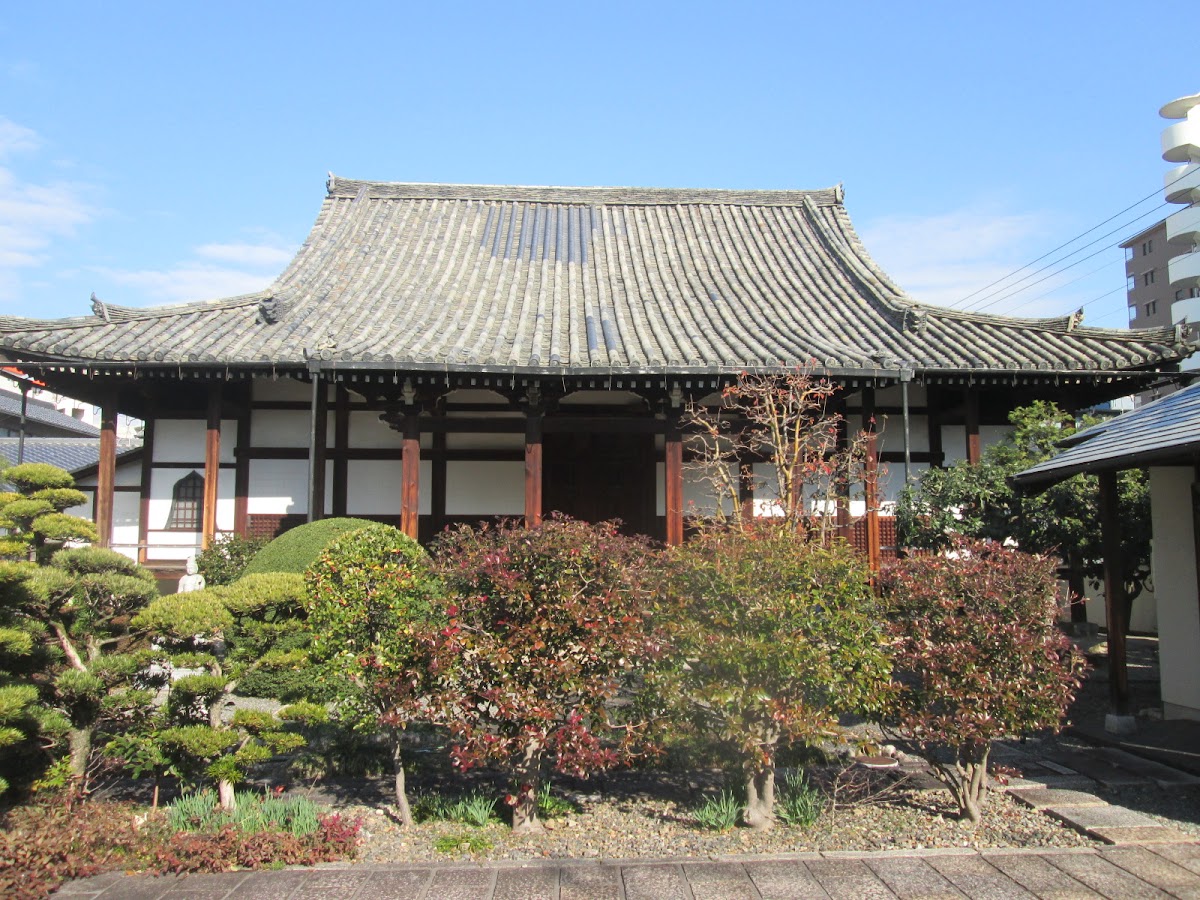
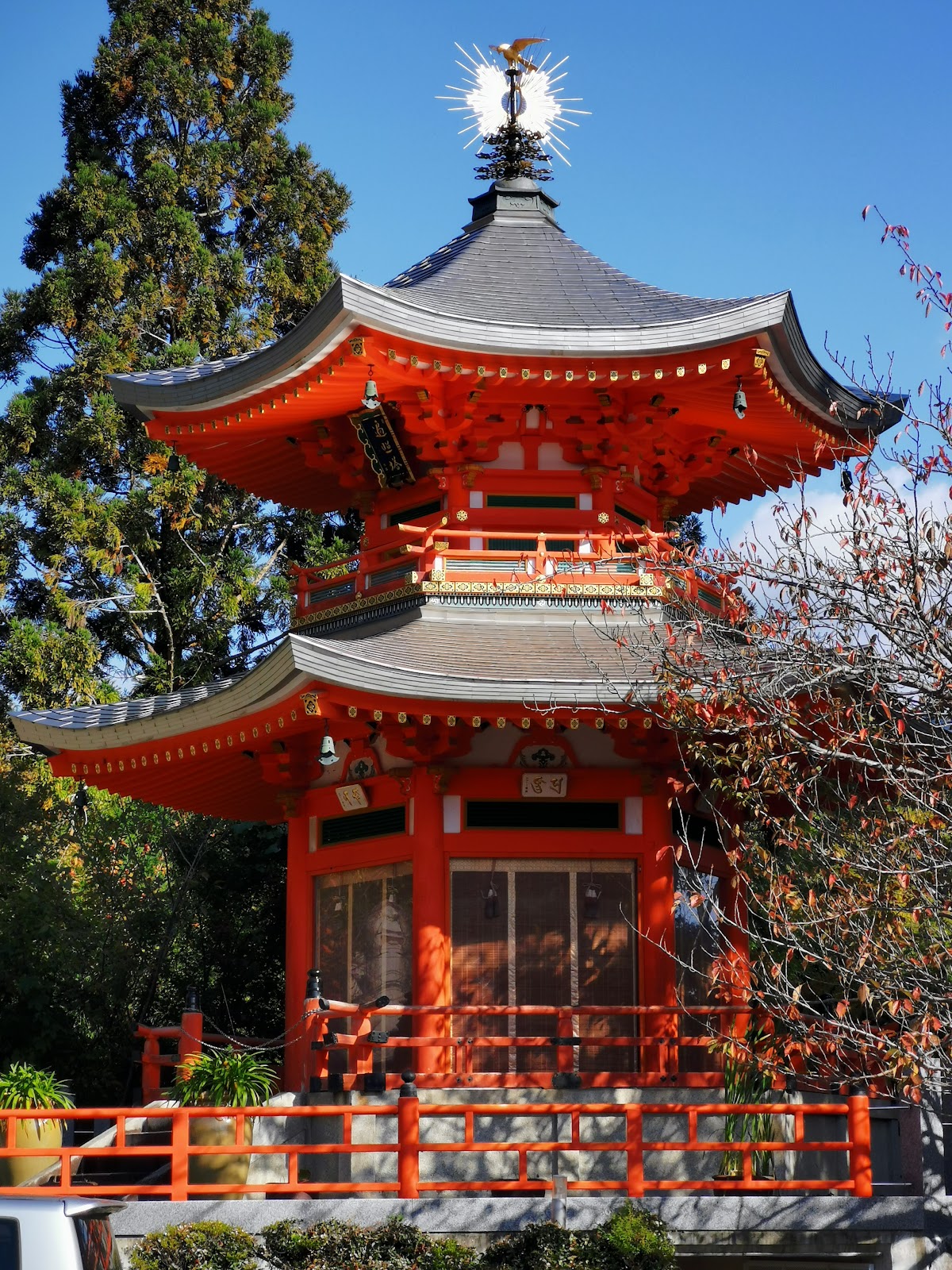
The grounds of Shōhōji Temple contain numerous buildings and cultural assets of high historical value. The temple buildings, including the main hall, are nestled in the quiet mountains of Rakusai, Kyoto, creating a landscape that harmonizes with the beauty of nature throughout the seasons.
Particularly noteworthy is the garden that spreads across the temple grounds. Utilizing the natural environment of Oharano, the garden displays different expressions with each season: cherry blossoms in spring, fresh greenery in early summer, and autumn leaves in fall.
Access and Visiting Information
To access Shōhōji Temple in Nishikyo Ward, Kyoto City, take a city bus or Hankyu bus from JR Kyoto Station towards Oharano. It is accessible on foot from the nearest bus stop. If traveling by car, it is close to the Oharano Interchange on the Kyoto Jūkan Expressway, and parking is available.
Please note that visiting hours and admission fees may vary depending on the season and events; it is recommended to check the official website in advance.
Shōhōji Temple, Ōshū City, Iwate Prefecture | A Famous Sōtō Zen Temple in Tohoku
History of Ōbai Nengezan Entsū Shōhōji Temple
Located in Kuroishi-chō, Mizusawa, Ōshū City, Iwate Prefecture, Shōhōji Temple is an important religious center in the Tohoku region as a Sōtō Zen temple. Its mountain name is Ōbai Nengezan, and its official name is “Ōbai Nengezan Entsū Shōhōji Temple.”
This temple has a history of serving as a training ground for Sōtō Zen, and rigorous Zen training continues there to this day. As a central temple of the Sōtō Zen sect in the Tohoku region, it has trained many monks.
Architecture and Cultural Heritage
The temple complex of Shōhōji Temple is characterized by its robust construction adapted to the climate and natural features of the Tohoku region. The main hall and other major buildings exhibit ingenuity unique to snowy regions, making them of high architectural historical value.
The temple grounds house cultural artifacts such as Buddhist statues, scriptures, and calligraphy accumulated over a long history, serving as valuable resources for conveying the Buddhist culture of Tohoku.
Visiting and Access
Shōhōji Temple in Ōshū City can be accessed by bus or taxi from Mizusawa Station or Mizusawa-Esashi Station on the JR Tōhoku Main Line. It is approximately a 20-minute drive from the Mizusawa Interchange on the Tōhoku Expressway.
Located in a quiet mountain area, it offers an ideal environment for those seeking to escape the hustle and bustle of city life and experience the spirit of Zen.
Shōhōji Temple in Hino Town, Shiga Prefecture | A Temple Popular for its Wisteria
Kamakake Wisteria Temple
Shōhōji Temple, located in Kamakake, Hino Town, Gamō District, Shiga Prefecture, is a Rinzai Zen Myōshinji sect temple widely known as the “Wisteria Temple.” It is situated at the foot of Mt. Shōhōji (elevation 361.8m), approximately 5.3km southeast of Hino Station on the Ōmi Railway.
The principal image is an eleven-faced Kannon, which has attracted the faith of the local community. This temple is known as the “Wisteria Temple” because of the magnificent wisteria trees on its grounds, which attract many worshippers and tourists during the blooming season.
Best Time to See the Wisteria and the Scenery
The wisteria at Shōhōji Temple is typically in full bloom from late April to early May. The sight of the purple wisteria blossoms covering the temple grounds is breathtaking, and it is known as one of the most famous wisteria viewing spots in Shiga Prefecture.
During the wisteria blooming season, special visiting hours are sometimes set, and events such as illuminations are held in some years. Visiting the temple while enveloped in the fragrance of wisteria leaves a deep impression on visitors.
Access and Surrounding Information
The temple can be accessed by bus or taxi from Hino Station on the Ōmi Railway. During the wisteria blooming season, temporary buses may also be operated. By private car, it is approximately 30 minutes from the Yōkaichi Interchange on the Meishin Expressway.
There are also many other tourist attractions in the surrounding Hino town, allowing you to enjoy a historical stroll through Ōmi in conjunction with your visit to Shōhōji Temple.
Shōhōji Temple, Yawata City, Kyoto Prefecture | A Famous Temple Associated with the Tokugawa Family
Connection to Okame-no-kata, a Concubine of Tokugawa Ieyasu
Shōhōji Temple, located in Yawata City, Kyoto Prefecture, has the mountain name Tokugeizan and is known as a temple associated with Okame-no-kata, a concubine of Tokugawa Ieyasu. Its origins date back to 1191 (Kenkyū 2), when Takada Kurōdo Tadakuni, a retainer of the Kamakura Shogunate who came to this area from Shimizu (present-day Shimizu Ward, Shizuoka City, Shizuoka Prefecture) as an envoy of Minamoto no Yoritomo, founded a Tendai sect temple.
The third head priest, Sōkyū, changed his surname to “Shimizu,” after his birthplace, and thereafter the temple became the Shimizu family’s ancestral temple. From 1546 (Tenbun 15), it became an imperial prayer temple of Emperor Go-Nara, and around this time it converted to the Jōdo sect.
Edo Period Temple Architecture
Shōhōji Temple in Yawata City boasts well-preserved temple architecture from the early Edo period, making it a valuable historical site that conveys the architectural style of that time. The main hall, priest’s quarters, and temple gate retain strong characteristics of the early Edo period.
Cultural Properties and Scenic Garden
Shōhōji Temple houses numerous tangible cultural properties, including Buddhist statues and paintings. Particularly noteworthy is its garden, designated as a scenic spot. This garden embodies the pinnacle of Edo period garden design techniques and is highly regarded as a pond-centered strolling garden.
The garden offers seasonal beauty, showcasing different scenery depending on the time of year: cherry blossoms in spring, fresh greenery in early summer, autumn leaves, and snowscapes in winter.
Access and Visiting Information
Shōhōji Temple is accessible on foot or by bus from Yawata-shi Station on the Keihan Railway. Located southeast of the Otokoyama Hills, it is also a popular tourist route that includes a visit to Iwashimizu Hachimangu Shrine.
Shōhōji Temple in Gifu City | A Famous Ōbaku Zen Temple with the Kago Daibutsu (Basket Buddha)
Gifu Daibutsu, One of Japan’s Three Great Buddhas
Shōhōji Temple in Gifu City is an Ōbaku Zen temple with the mountain name Kinpōzan. This temple is nationally known for housing the “Kago Daibutsu” (Basket Buddha).
Officially known as the “Shōhōji Daibutsu-den” (Shōhōji Great Buddha Hall), this Buddha was created in the late Edo period using clay sculpting and lacquer and gold leaf techniques. Boasting a height of 13.63 meters, this Buddha is the largest Kago Daibutsu in Japan and is designated as a Gifu Prefecture Important Cultural Property (designated March 6, 1974).
Characteristics of the Kago Daibutsu
The most distinctive feature of the Gifu Daibutsu lies in its unique construction method. It is made using an extremely elaborate technique: a framework is constructed from bamboo, layers of clay are applied, then the entire Buddhist canon is attached, followed by lacquer and gold leaf application.
This technique creates a soft and warm expression, different from wooden or bronze Buddha statues. The serene expression of the Buddha brings peace to visitors.
Cultural Landscape of the Nagara River
Shōhōji Temple was designated on March 18, 2014, as an important component of the “Nationally Important Cultural Landscape: Gifu’s Cultural Landscape in the Middle Reaches of the Nagara River.” It is an important spot that conveys the historical and cultural value of the Nagara River basin.
Access and Visiting Information
Approximately 15 minutes by bus from JR Gifu Station or Meitetsu Gifu Station, get off at “Gifu Park/History Museum” bus stop, and it’s about a 5-minute walk. Located at the foot of Mt. Kinka, where Gifu Castle is located, and near the Nagara River, it can be visited along with other major Gifu tourist spots.
Shōhōji Temple, Taito Ward, Tokyo | A Temple Associated with Ukiyo-e Publisher Tsutaya Jūzaburō
Nichiren Buddhist Temple
Shōhōji Temple, located in Higashi-Asakusa, Taito Ward, Tokyo, is a Nichiren Buddhist temple with the mountain name Seikōzan. Its former head temple was the Daihonzan Kominato Tanjōji Temple, and it belongs to the Tsūshi/Sendagaya lineage.
This temple is particularly noteworthy because it houses the grave of Tsutaya Jūzaburō, a ukiyo-e publisher who was active in the late Edo period. Tsutaya Jūzaburō is known as a highly skilled publisher who launched the careers of ukiyo-e artists such as Kitagawa Utamaro and Tōshūsai Sharaku, and made a significant contribution to the development of Edo culture.
Cultural and Historical Value
Due to the presence of Tsutaya Jūzaburō’s grave, Shōhōji Temple is an important site for Edo culture and ukiyo-e researchers. Ukiyo-e fans and those interested in cultural history can be seen visiting to pay their respects to Shigezaburo.
Access
Within walking distance from Asakusa Station on the Tokyo Metro Ginza Line and Toei Asakusa Line, or accessible from Asakusa Station on the Tobu Skytree Line. It’s also close to tourist attractions such as Senso-ji Temple, making it a convenient stop during Tokyo sightseeing.
Shōhō-ji Temple, Sado City, Niigata Prefecture | A Sōtō Zen Temple with a Noh Stage
Zuizenzan Shōhō-ji Temple
Shōhō-ji Temple, located in Sado City, Niigata Prefecture, is a Sōtō Zen temple with the mountain name Zuizenzan. It has long been a central figure in Buddhist culture on Sado Island, attracting the faith of the local community.
Shōhō-ji Candlelight Noh
A major feature of this temple is the annual “Shōhō-ji Candlelight Noh” performance held in the main hall every June. The Noh performance, lit by candlelight, creates a fantastical atmosphere and has become a summer tradition in Sado.
Temples with Noh stages are rare throughout Japan, making this a valuable place that preserves the tradition of Sado’s Noh culture.
Access
After crossing to Sado Island by Sado Kisen ferry, access is by bus or rental car. It’s a must-visit spot when sightseeing in Sado.
Points to Note When Visiting Shōhōji Temple
Temple Visiting Etiquette
When visiting Shōhōji Temple, please observe general temple visiting etiquette. Bow at the main gate before entering the grounds, and quietly offer your prayers in the main hall. Even in areas where photography is permitted, please be considerate of other visitors.
About Goshuin (Temple Seals)
Many Shōhōji temples offer Goshuin. Bring your Goshuincho (stamp book) and politely request one to receive the unique Goshuin of each temple. Understand that Goshuin are proof of your visit, not collection items, and receive them with sincerity.
Event and Festival Information
Each Shōhōji temple holds various events and festivals throughout the year. We recommend checking the official website or contacting the temple in advance for information on special viewings, memorial services, and seasonal events.
Access Information for Shōhōji Temples in Various Locations
The following is a summary of access methods to major Shōhōji temples throughout Japan:
Kyoto City, Nishikyo Ward: Bus from JR Kyoto Station, or via the Ōharano IC on the Kyoto Jūkan Expressway
Iwate Prefecture, Ōshū City: Bus or taxi from JR Mizusawa Station or Mizusawa-Esashi Station, or via the Mizusawa IC on the Tōhoku Expressway
Shiga Prefecture, Hino Town: Bus or taxi from Ōmi Railway Hino Station, or via the Yōkaichi IC on the Meishin Expressway
Kyoto Prefecture, Yawata City: Walking or bus from Keihan Railway Yawata-shi Station
Gifu City: Bus from JR Gifu Station or Meitetsu Gifu Station
Tokyo, Taito Ward: Walking from Subway or Tobu Asakusa Station
Niigata Prefecture, Sado City: Take the Sado Kisen ferry, then use local transportation on the island
While all temples are accessible by public transport, private cars may be more convenient in some locations. We recommend checking the latest access information before your visit.
How to Enjoy Visiting Shōhōji Temples
Learning About the Differences in Sects
Shōhōji temples throughout Japan belong to different sects, including Shingon, Sōtō, Rinzai, Jōdo, Nichiren, and Ōbaku. Visiting each temple allows you to experience the diversity of Japanese Buddhism. Paying attention to differences in architectural styles, the arrangement of Buddha statues, and worship etiquette will lead to a deeper understanding.
Visiting by Season
Many Shōhōji temples are located in places where you can enjoy the beauty of nature throughout the seasons. Visiting in different seasons—cherry blossoms in spring, wisteria and fresh greenery in early summer, autumn leaves in fall, and snowscapes in winter—will allow you to discover different aspects of the temples.
Exploring History
Each Shōhōji temple has connections to important figures in Japanese history, such as Jianzhen, Minamoto no Yoritomo, Tokugawa Ieyasu, and Tsutaya Jūzaburō. Learning about the historical background while visiting will allow you to experience a deeper sense of awe.
Summary
Temples bearing the name “Shōhōji” are scattered throughout Japan, each fostering its own unique history and culture. These include the ancient temple in Kyoto associated with the Venerable Ganjin, the Sōtō Zen training monastery in Iwate, the wisteria-viewing spot in Shiga, the temple in Yawata associated with the Tokugawa family, the Kago Daibutsu in Gifu, the temple in Tokyo associated with Tsutaya Jūzaburō, and the temple in Sado with a Noh stage—each possessing its own distinct characteristics.
Visiting each Shōhōji offers a valuable opportunity to learn about the diversity and depth of Japanese Buddhist culture. After checking access information and visiting etiquette, we encourage you to actually visit. By calming your mind in the tranquil grounds and touching the cultural artifacts preserved over a long history, you will gain insights and peace rarely found in everyday life.
We hope you enjoy your journey through Shōhōji, experiencing Japanese history, culture, and the teachings of Buddhism. For the latest information on each temple and special viewing schedules, we recommend checking the official website or contacting the relevant party before your visit.