Complete Guide to Shounji Temple: History, Grounds, Access, and Cemetery Information for a Famous Tokyo Temple
While there are several temples named Shounji throughout Japan, two particularly well-known Shounji temples are located in Hiroo, Shibuya Ward, and Ikebukuro, Toshima Ward, Tokyo. This article provides a detailed and comprehensive explanation of these Shounji temples, covering their historical background, highlights of their grounds, access methods, and memorial service options such as cemeteries and tree burials.
What is Shounji?: Origin of the Name and Shounji Temples Nationwide
The temple name “Shounji” means auspicious clouds in Buddhism and has been adopted by many temples since ancient times as a lucky name. There are dozens of temples named Shounji throughout Japan, each with its own distinct sect, history, and characteristics.
In Tokyo, the following two Shounji temples are particularly well-known:
- Shounji Temple in Hiroo, Shibuya Ward (Rinzai sect, Daitokuji branch)
- Shounji Temple in Ikebukuro, Toshima Ward (Soto sect)
Each temple preserves its own unique history and culture, and is cherished by local residents and visitors as a valuable place offering tranquility despite being in the heart of the city.
Shounji Temple in Hiroo, Shibuya Ward: A Grand Temple in the City Center
Basic Information and Sect
Shounji Temple, located in Hiroo 5-chome, Shibuya Ward, belongs to the Rinzai sect, Daitokuji branch. Its mountain name is Zuisenzan, and it is a historically significant temple with Daitokuji Temple in Murasakino, Kyoto, as its head temple. Known as the largest temple in Shibuya Ward, despite its prime location at the end of the Hiroo shopping street, stepping into its grounds reveals a tranquil space that makes you forget the hustle and bustle of the city.
History and Founding Circumstances
There are various theories regarding the founding date of Shounji Temple in Hiroo, but it is believed to have a history dating back to the early Edo period. It had deep ties to Edo Castle and developed under the patronage of the Edo Shogunate.
Notably, during the Tokyo air raids of 1945, while the surrounding area suffered catastrophic damage, the main hall and major temple buildings escaped destruction. Thanks to this miraculous preservation, valuable pre-war buildings and historical sites can still be viewed today.
Highlights of the Temple Grounds
Temple Gate and Main Hall
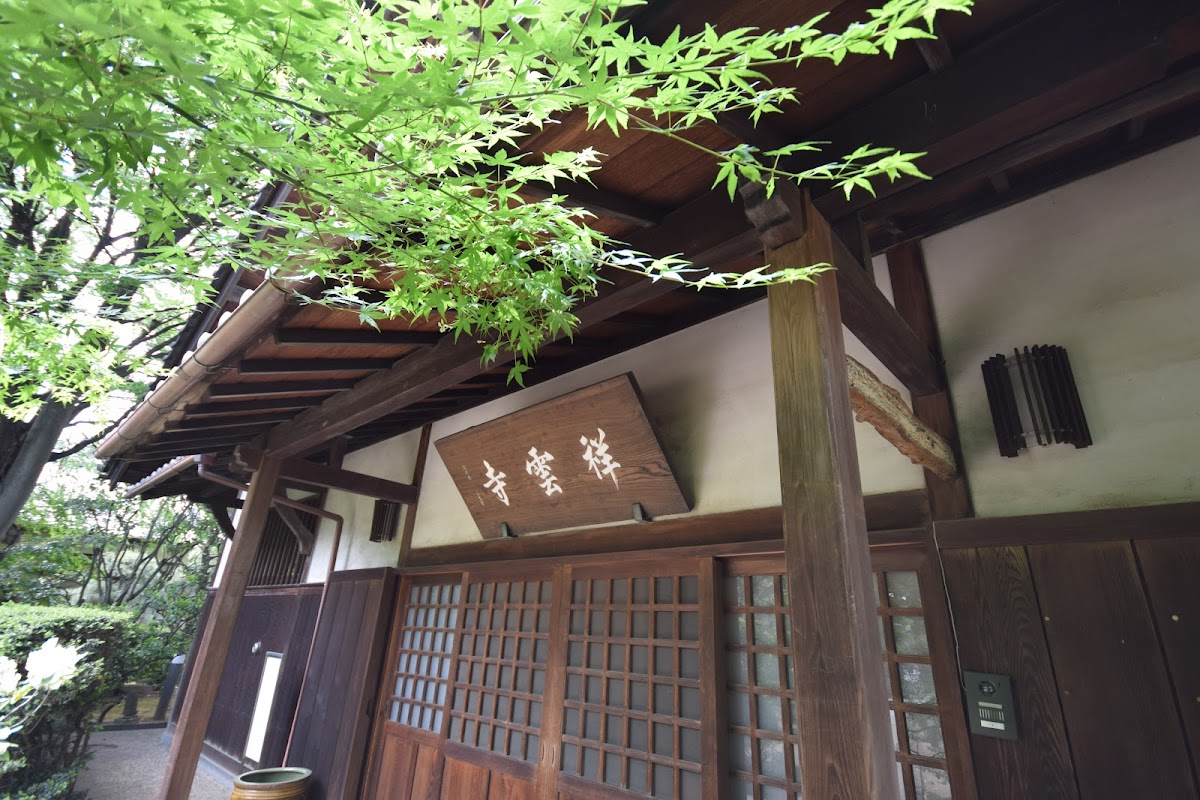
Upon passing through the temple gate in Hiroo 5-chome, the first thing that catches the eye is the majestic main hall. Having escaped the bombing of Tokyo, the main hall possesses high historical value and conveys the beauty of wooden architecture to this day. The principal image is enshrined inside the main hall, where daily religious services are performed.
The Inner Garden and Tea House
At the back of the temple grounds lies a beautiful Japanese garden with lush, shimmering moss. A tea house is also located within this inner garden, making it a precious space where one can experience traditional Japanese culture despite being in the heart of the city. Visitors can enjoy the scenery throughout the seasons, and it is particularly popular during the fresh green season and the autumn foliage season.
Historical Sites and Temple Treasures
The temple grounds are dotted with historical sites, including numerous burial grounds dating back to the Edo period. Furthermore, valuable Buddhist statues, calligraphy, paintings, and ancient documents are preserved as temple treasures, and are occasionally displayed to the public.
Annual Events
Shounji Temple, as a Zen Buddhist temple, holds various annual events:
- Spring and Autumn Equinox Memorial Service: An important event for honoring ancestors
- Obon Memorial Service: A memorial service for the repose of spirits
- Zen Meditation Session: A Zen meditation experience open to the public
- Sutra Copying Session: An opportunity to calm the mind and become familiar with Buddhism
Many of these events are open not only to temple parishioners but also to the general public, providing a valuable opportunity to experience Buddhist culture in the city.
Access Information
Location: 5-chome, Hiroo, Shibuya-ku, Tokyo
Nearest Station:
- Approximately 3 minutes on foot from Hiroo Station on the Tokyo Metro Hibiya Line
- Located at the end of Hiroo Shopping Street
Access from Hiroo Station is extremely convenient, and the temple can be reached in just a few minutes on foot. Many visitors combine their visit with shopping and café hopping, enjoying a stroll through Hiroo Shopping Street.
Shounji Temple in Ikebukuro, Toshima Ward: A Temple Where You Can Visit 24 Hours a Day
Basic Information and Features
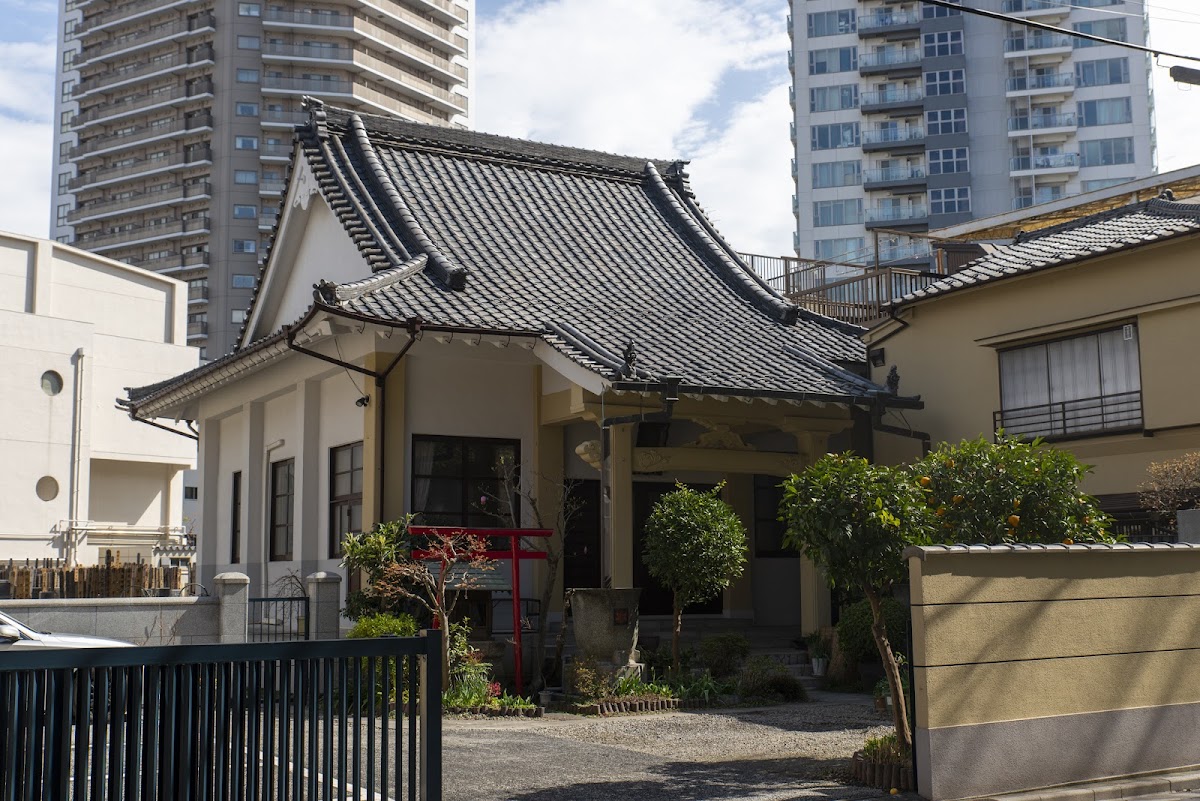
Shounji Temple, located in Ikebukuro 3-chome, Toshima Ward, is a temple belonging to the Soto Zen sect. Its mountain name is Zuihozan, and its principal image is Yakushi Nyorai (Medicine Buddha). The most distinctive feature of this temple is that you can visit the graves 24 hours a day. This initiative, which takes into account the busy lifestyles of modern times, is highly valued by many parishioners and visitors.
History: Connection to the Toyama Clan, Lords of Edo Castle
Shounji Temple in Ikebukuro was founded in 1532 (Tenbun 1). The founder was Toyama Hayato-no-kami Kagehisa, a senior retainer of the Later Hojo clan and lord of Edo Castle. Initially, it was built within the Wadakura Gate of Edo Castle and started as a branch temple of Komagome Kichijoji Temple.
Later, due to urban development and temple policies during the Edo period, it was moved several times, finally settling in its current location in Ikebukuro. With a history spanning nearly 500 years, this temple has witnessed the transformation from Edo to Tokyo, becoming an integral part of the region’s historical identity.
Temple Facilities and Cemetery
Shounji Temple in Ikebukuro boasts a well-maintained temple complex including a main hall, study hall, and living quarters. It also features a cemetery, accommodating various forms of memorial services, such as perpetual memorial graves and individual burial plots.
The 24-hour visiting system is noteworthy as a prime example of modern temple management that balances security and convenience. Lighting and security systems are in place to ensure safe visits to the graves, even at night.
Access Information
Location: 3-1-6 Ikebukuro, Toshima-ku, Tokyo
Contact: 03-3984-2408
Nearest Station:
- Approximately 10-minute walk from Ikebukuro Station (JR, Tokyo Metro, Seibu Line, Tobu Tojo Line)
- From Ikebukuro Station West Exit, head towards Meiji-dori
Its excellent accessibility is a major feature, as it is within walking distance of Ikebukuro, a major terminal station in central Tokyo.
Other Shounji Temples
Shounji Temple in Utsunomiya City, Tochigi Prefecture
Shounji Temple, a Soto Zen temple located in Utsunomiya City, Tochigi Prefecture, is a renowned temple with a history of over 500 years. Within its grounds is the Shounji Kannon Pilgrimage Site, known for allowing visitors to experience the 33 Kannon pilgrimage sites of the Saigoku Kannon Pilgrimage. It attracts many worshippers as a center of local faith.
Shounji Temple in Sakai City, Osaka Prefecture
There is also a Shounji Temple in Sakai City, Osaka Prefecture, a historical temple featured in Sakai tourist guides. Each Shounji temple in the region possesses its own unique history and characteristics, playing an important role in local culture.
About Shounji Temple’s Cemeteries and Memorial Service Options
Tree Burial Cemetery
In recent years, tree burial has been gaining attention as a nature-oriented method of memorial service. Shounji Temple in Hiroo offers a tree burial cemetery that takes advantage of its lush green environment despite being located in the heart of the city.
Benefits of Tree Burial:
- A memorial service based on the philosophy of returning to nature
- Lower costs compared to tombstone construction
- Perpetual memorial services are available even without successors
- An environmentally friendly memorial service method
The availability of tree burial in Hiroo, a prime location in the heart of the city, is an ideal option that combines easy access with a natural environment, attracting inquiries from many people.
Perpetual Memorial Service Cemetery
In today’s society, characterized by a declining birthrate, an aging population, and the rise of nuclear families, the need for perpetual memorial service cemeteries is increasing year by year. Shounji Temple offers perpetual memorial service cemeteries for those without successors or those who do not want to burden their descendants with the responsibility of maintaining their graves. Features of Perpetual Memorial Services:
- The temple takes responsibility for perpetual memorial services.
- Often no annual maintenance fees are required.
- Sometimes open to all religious denominations.
- Options include communal graves and individual graves.
Temple Cemeteries (General Burial Plots)
Temple cemeteries with traditional gravestones remain popular. Having a burial plot within the grounds of a historic temple, such as Shounji Temple in Hiroo, is a status symbol and holds significant meaning as a place for ancestral memorial services.
Features of Temple Cemeteries:
- Can be passed down through generations of the family.
- Freedom to choose gravestone designs.
- Easy participation in temple memorial services.
- A sense of security as a member of a historic temple.
Funeral and Memorial Service Information
About Funerals
Shounji Temple primarily conducts funerals for its parishioners. The solemn funerals, conducted according to the customs of the Rinzai and Soto Zen sects, are a way to remember the deceased and comfort the bereaved family.
Regarding the scale and format of funerals, they flexibly accommodate modern needs, offering funerals tailored to the wishes of the bereaved family, from intimate family funerals to general funerals.
Various Memorial Services
- First Seven Day and Forty-Ninth Day Memorial Services: Important memorial services to pray for the repose of the deceased’s soul.
- Annual Memorial Services (First Anniversary, Third Anniversary, etc.): Regular memorial services for the deceased.
- Joint Memorial Services during Obon and Higan: Memorial services for all ancestors.
- Monthly Memorial Services: Individual memorial services.
The careful chanting and sermons by the head priest provide emotional support to the bereaved family and are a precious time to reaffirm the bond with the deceased.
Learn and Enjoy: Cultural Activities at Shounji Temple
Zen Meditation and Sutra Copying Sessions
Shounji Temple in Hiroo, a Zen Buddhist temple, regularly holds Zen meditation sessions. The head priest carefully instructs beginners on the proper way to practice Zen meditation. This is a valuable opportunity to experience authentic Zen training in the heart of the city, attracting a wide range of participants including business professionals and students.
The sutra copying sessions are also a popular program, allowing participants to find spiritual peace by calming their minds and copying sutras such as the Heart Sutra.
Buddhist Lectures and Dharma Talks
The head priest regularly holds Buddhist lectures and Dharma talks. He provides easy-to-understand explanations, from the basic teachings of Buddhism to wisdom applicable to daily life. Many of these lectures are open to non-temple members, making them a place of learning for those interested in Buddhism.
Seasonal Events and Festivals
Seasonal Buddhist events such as the Flower Festival (Buddha’s birthday), Obon (Buddhist festival), and the ringing of the temple bells on New Year’s Eve are also highly valued. These events function as local cultural events, connecting the temple with the local community.
A Temple Preserved and Passed Down in Hiroo
Harmony Between City and History
Hiroo is known as an upscale residential area, yet it is also a place where ancient history and culture thrive. Shounji Temple is a symbolic example of this, and even amidst urban development, it has continued to preserve its historical buildings and lush grounds.
Passing through the temple gate, a tranquil atmosphere flows, and a different world unfolds where time seems to slow down. The value of this space lies in the richness of the soul, which cannot be measured by material wealth alone.
As a Center of the Local Community
Shounji Temple is not merely a religious facility; it also functions as a center of the local community. It is a place for interaction among parishioners and a gathering place for local residents. The temple fosters human connections that tend to become weaker in modern society.
Summary of Inquiry and Access Information
Shounji Temple, Hiroo, Shibuya Ward
Official Name: Zuizenzan Shounji Temple
Sect: Rinzai Zen Daitokuji School
Location: 5-chome, Hiroo, Shibuya-ku, Tokyo
Access: Approximately 3 minutes on foot from Hiroo Station on the Tokyo Metro Hibiya Line
Features: The largest temple in Shibuya Ward, a historical building that escaped wartime destruction, tree burial available
Shounji Temple, Ikebukuro, Toshima Ward
Official Name: Zuihozan Shounji Temple
Sect: Soto Zen School
Principal Image: Yakushi Nyorai (Medicine Buddha)
Location: 3-1-6 Ikebukuro, Toshima-ku, Tokyo
Phone: 03-3984-2408
Access: Approximately 10 minutes on foot from Ikebukuro Station (various lines)
Features: 24-hour grave visitation available, approximately 500 years of history
Manners and Points to Note When Visiting Shounji Temple
Manners for Visiting
When visiting a temple, please observe the following basic manners:
- Dress Code: Modest, understated clothing is preferable.
- Bow at the Temple Gate: Bow before entering the temple grounds.
- Worship at the Main Hall: Clasp your hands together quietly.
- Photography: Take photographs only in permitted areas.
- Quietness: Remain quiet on the temple grounds and do not disturb other visitors.
Points to Note When Visiting Shounji Temple
When visiting Shounji Temple, please pay attention to the following points:
- Architectural Style of the Main Hall: A valuable wooden building dating back to the pre-war period.
- Greenery on the Temple Grounds: Abundant nature unexpected in the heart of the city.
- Moss in the Inner Garden: A beautiful moss garden shining with deep green.
- Historical Sites and Burial Grounds: Stone structures of historical value.
- Seasonal Flowers: The changing scenery of the temple grounds throughout the seasons.
Preparation Before Inquiry
When inquiring about cemeteries and memorial services, it is helpful to organize the following points beforehand:
- Desired form of memorial service (tree burial, perpetual memorial service, traditional burial plot, etc.)
- Budget estimate
- Sect (Yes/No)
- Presence or absence of successors
- Desired location or area
Summary: The Charm and Value of Shounji Temple
Shounji Temple is a renowned temple with multiple locations in Tokyo, each possessing its own unique history and characteristics. The Shounji Temple in Hiroo, Shibuya Ward, boasts historical buildings that escaped wartime destruction and abundant greenery, despite being in the heart of the city. The Shounji Temple in Ikebukuro, Toshima Ward, is a Soto Zen temple offering modern services such as 24-hour grave visits. Each temple meets the needs of modern society.
While offering new forms of memorial services adapted to the times, such as tree burial and perpetual memorial services, their commitment to preserving traditional Buddhist culture and annual events makes them a spiritual haven for many people.
For those seeking a tranquil space for self-reflection amidst the hustle and bustle of the city, those looking for a place to honor their ancestors, or those wishing to experience Buddhist culture, Shounji Temple is a place well worth visiting. Its convenient location in Hiroo and Ikebukuro is another attractive feature, making it easily accessible for a casual visit.
Shounji Temple harmoniously blends history and modernity, where urban life and nature coexist. Stepping through its gates and spending time in its peaceful grounds will be an invaluable experience for busy modern people.