Complete Guide to Tanaka Shrines: A Thorough Explanation of the History and Characteristics of the Historic Tanaka Shrines Scattered Across Japan
There are several shrines named “Tanaka Shrine” throughout Japan, each with its own unique history and beliefs. This article provides detailed information on the history, enshrined deities, blessings, and access methods for each Tanaka Shrine located in Kyoto, Shiga, Shimane, Shizuoka, and other prefectures.
What is Tanaka Shrine?: Origin of the Name and Distribution
The name “Tanaka Shrine” is often derived from a place name, and these shrines were worshipped as the tutelary deities (ubusunagami) of the region formerly known as “Tanaka.” A tutelary deity refers to a local guardian deity that protects the people born in that land.
Each Tanaka Shrine throughout Japan enshrines different deities and has its own unique history. Despite sharing the same name, their founding dates and forms of worship are diverse, making them a prime example of the richness of Japanese shrine worship.
Tanaka Shrine in Sakyo Ward, Kyoto City: An Ancient Shrine Associated with the Kamo Clan
History and Origin
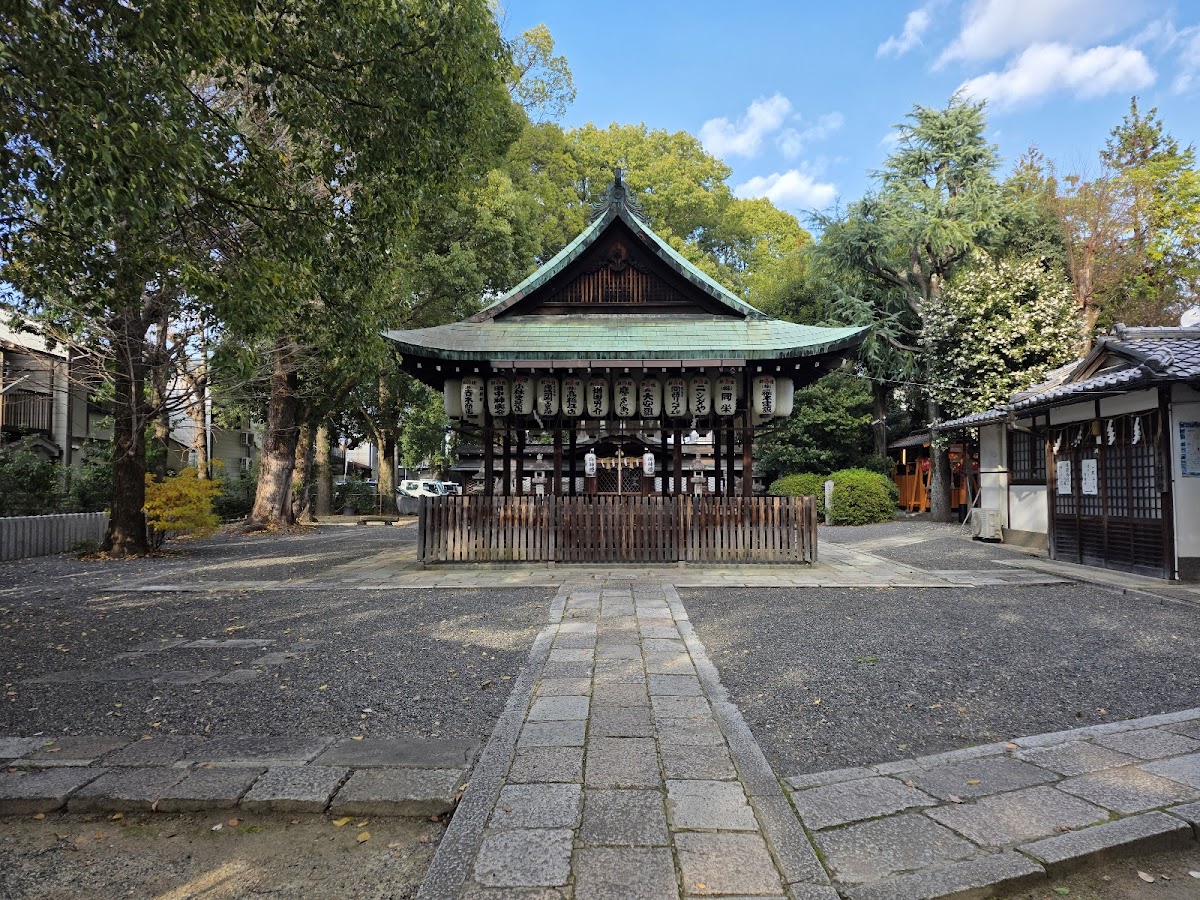
Tanaka Shrine, located in Iwakura, Sakyo Ward, Kyoto City, is believed to be the “Tanaka Shrine” mentioned in the entry for May 22, 863 (Jōgan 5) in the *Nihon Sandai Jitsuroku* (Chronicles of Three Reigns of Japan), and is a historically ancient shrine that already existed in the early Heian period. While the exact founding date is unknown, it is known as a venerable shrine with a history of over a thousand years.
The Tanaka clan, a branch of the Kamo clan, served as priests (hafuri = people who serve the gods) at this shrine, and because the area surrounding the shrine was called “Tanaka,” it is also said to be the ancestral shrine of the Tanaka surname. Thus, it is an interesting shrine with the aspect of being the birthplace of a surname.
Deities and Beliefs
The main deity enshrined here is Ōkuninushi-no-Mikoto. Okuninushi-no-Mikoto is also known as the principal deity of Izumo Taisha Shrine and is believed to grant a wide range of blessings, including matchmaking, business prosperity, and abundant harvests.
Subsidiary Shrine: Tamayanagi Inari Shrine
Within the shrine grounds stands the Tamayanagi Inari Shrine as a subsidiary shrine. This Inari shrine was moved in 1879 (Meiji 12) from Dangō-no-Mori (the area around the current Eizan Electric Railway Chayama Station) and is revered by the parishioners for its miraculous powers.
Inari worship is believed to grant blessings for business prosperity and family safety, and remains a cherished belief deeply intertwined with the lives of local residents.
Features of the Shrine Building
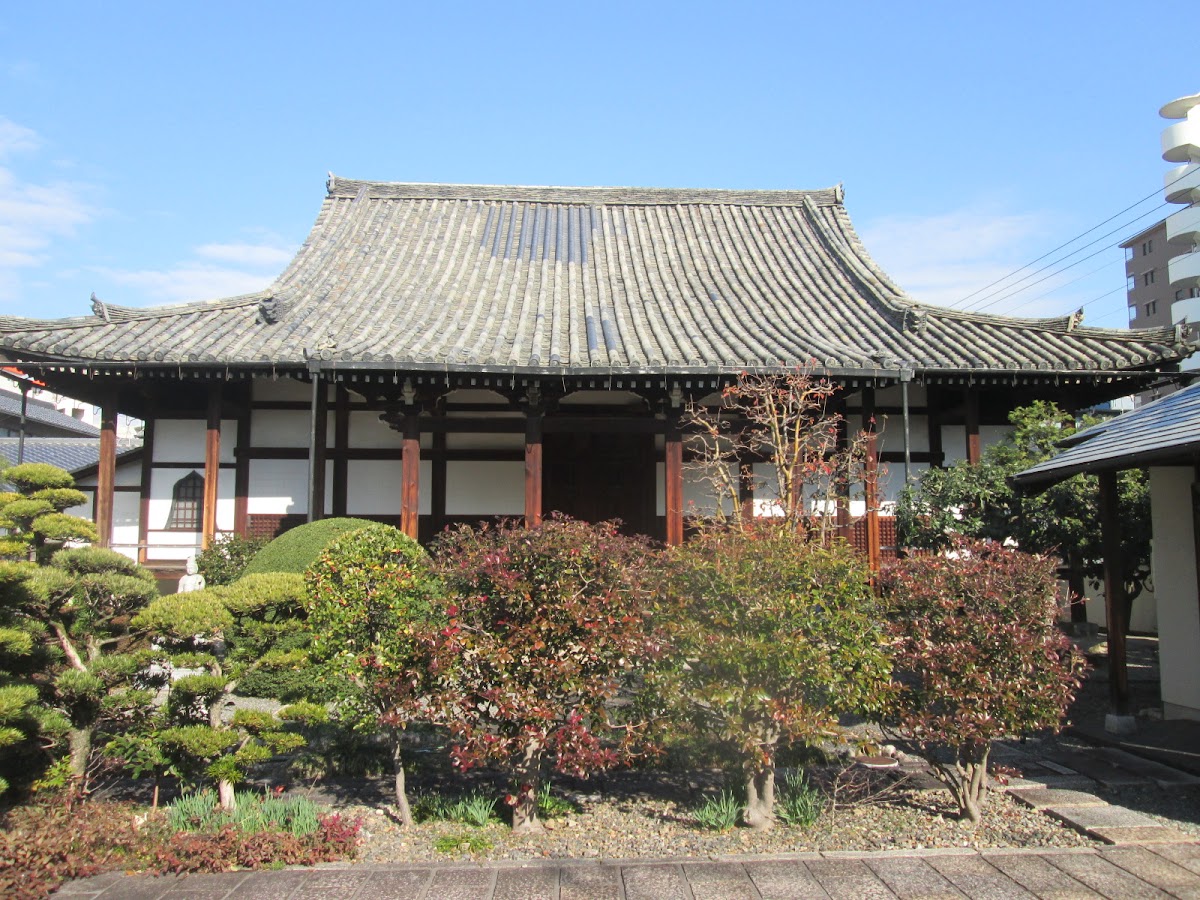
Records show that in 1628 (Kanei 5), the former hall of Hiragi Shrine was donated during the reconstruction of Shimogamo Shrine. Shimogamo Shrine is the common name for Kamo Mioya Shrine and is one of Kyoto’s representative ancient shrines. The fact that Tanaka Shrine inherited the shrine building of Hiragi Shrine, a subsidiary shrine, speaks to the high status of Tanaka Shrine.
Access Information
- Location: Around Iwakura Hataeda-cho, Sakyo-ku, Kyoto City
- Nearest Station: Within walking distance of Chayama Station on the Eizan Electric Railway
- Parking: Parking space available for visitors on the shrine grounds
Tanaka Shrine in Fushimi-ku, Kyoto City: A shrine known for its horse deity and reputation for good fortune
History and Origin
Tanaka Shrine, located in Yokoodori, Fushimi-ku, Kyoto City, is believed to have been founded during the Jiryaku era (1065-1069) of the late Heian period. It is said to have begun with the enshrinement of “Gozu Tenno” from Gion Kanshin-in (present-day Yasaka Shrine), and has attracted worshippers seeking protection against epidemics.
Originally located in Toba-ri Tanaka in the north, the shrine was washed ashore at its current location during a flood in the Tensho era (1573-1591). Legend says that because the shrine remained undamaged, the villagers, revering this miracle, restored the grounds and rebuilt the shrine.
Deities Enshrined
- Takehayasusano-no-Mikoto
- Kushiinadahime-no-Mikoto
- Yahashira-no-Mikogami
These three deities are the main enshrined deities. Susanoo-no-Mikoto is worshipped as the god of protection against misfortune and disease, while Kushinadahime-no-Mikoto is worshipped as the god of matchmaking and family safety.
Worship as a God of Horses
Tanaka Shrine in Fushimi is widely known as the “God of Horses.” In the past, a fish market was located nearby, and many horse-drawn transport businesses lined the streets, giving rise to a belief in the safety of horses and the prosperity of businesses.
Currently, due to its proximity to the Kyoto Racecourse, it attracts worshippers from horse racing fans and those involved in competitive activities as the “God of Winning Horses.” It is also known for attracting visitors praying for victory before major horse races.
Benefits
- Increased Luck in Victory
- Protection from Evil and Disease
- Business Prosperity
- Traffic Safety (Especially Safety Related to Horses and Vehicles)
- Matchmaking and Family Safety
Access Information
- Location: Shimotoba/Yokoodori area, Fushimi Ward, Kyoto City
- Nearest Station: Walking distance from Chushojima Station on the Keihan Main Line or Iseda Station on the Kintetsu Kyoto Line
- Kyoto Racecourse: Within walking distance
Tanaka Shrine in Takashima City, Shiga Prefecture: An Ancient Shrine Famous for its Yabusame (Horseback Archery) Ritual
History and Origin
Tanaka Shrine, located in Takashima City, Shiga Prefecture, has been worshipped since ancient times as the tutelary deity of Tanaka village. According to shrine tradition, it was founded during the Jogan era (859-877) of Emperor Seiwa, making it an ancient shrine with a history dating back to the early Heian period.
In the past, it was called “Wakabayashi Gozu Tenno Shrine” or “Gion Gozu Tenno Shrine.” In 1722 (Kyoho 7), it was granted the highest rank of Shinto deity, Sho-ichii, by imperial decree, and thereafter it was called “Sho-ichii Gozu Tenno Shrine.” Following the separation of Shinto and Buddhism in 1869 (Meiji 2), it was renamed “Tanaka Shrine,” and remains so to this day.
Tanaka Festival and Yabusame Ritual
The Tanaka Festival, held annually on May 4th, is famous for its magnificent Yabusame ritual. With the sounds of gongs and drums, parishioners parade along the approach to the shrine, praying for a bountiful harvest. Yabusame is a traditional ritual in which archers shoot at targets from horseback while galloping, and has been performed since ancient times as an offering of martial arts skills.
This festival is an important annual event in the region, attracting many worshippers and tourists.
Cultural Properties
The shrine grounds contain about six stone artifacts from the Kamakura period, which are carefully preserved as valuable cultural properties. These stone artifacts are important historical materials that convey the depth of faith in the Middle Ages.
Access Information
- Location: Takashima City, Shiga Prefecture
- Access: By car or bus from the nearest station on the JR Kosei Line
Tanaka Shrine in Matsue City, Shimane Prefecture: A subsidiary shrine of Sata Shrine
Location and History
Tanaka Shrine, located in Matsue City, Shimane Prefecture, is a subsidiary shrine of the North Hall of Sata Shrine, known as the second-ranked shrine of Izumo Province. It features a unique arrangement of two shrines facing away from each other, located on an outlying plot about 100 meters east of the main Sata Shrine.
Shrine Building Arrangement
The West Shrine faces the main hall of Sata Shrine and enshrines Konohanasakuya-hime no Mikoto. Konohanasakuya-hime is also known as the goddess of Mount Fuji and is believed to grant blessings for safe childbirth, child-rearing, and protection from fire.
The unusual arrangement of the two shrines, facing away from each other, is thought to be based on the belief that each deity protects a different direction.
Blessings
- Self-discovery and overcoming doubts
- Safe childbirth and child-rearing
- Matchmaking
Access Information
- Location: Matsue City, Shimane Prefecture (approximately 100m east of Sata Shrine)
- Access: Can be visited when visiting Sata Shrine
Tanaka Shrine, Fujieda City, Shizuoka Prefecture: Guardian deity of Tanaka Castle
History and Origin
Tanaka Shrine, located in Fujieda City, Shizuoka Prefecture, is said to have been founded approximately 410 years ago by Takeda Shingen of Kai Province when he expanded Tanaka Castle to ensure the security of his territory, and it was established as a guardian deity.
The shrine’s origins lie in the enshrinement of Ukanomitama-no-kami at an Inari shrine, and it has been affectionately known as “O-Inari-sama.” As a shrine deeply connected to Takeda Shingen, a prominent warlord of the Sengoku period, it also attracts attention from history enthusiasts.
Deity and Blessings
Ukanomitama-no-kami is a representative deity of Inari, and is believed to bestow the following blessings:
- Abundant harvests
- Business prosperity
- Family prosperity
- Industrial development
The shrine has been deeply revered by samurai, commoners, and successive castle lords, and is still cherished as a guardian deity of the region.
Access Information
- Location: Tanaka, Fujieda City, Shizuoka Prefecture
- Access: By car or bus from Fujieda Station on the JR Tokaido Main Line
Similarities and Differences of Each Tanaka Shrine
Common Characteristics
- Local Guardian Deity: All have been worshipped as guardian deities closely connected to the lives of local residents.
- Long History: They have a long history dating back to the Heian period or earlier.
- Strong Faith of Parishioners: As the center of the local community, they have received strong protection from their parishioners.
- Changes in the Meiji Era: They experienced significant changes during the Meiji Restoration, such as the separation of Shinto and Buddhism and changes in shrine names.
Differences
Each Tanaka Shrine differs greatly in its enshrined deity, form of worship, and history:
- Sakyo Ward, Kyoto: Associated with the Kamo clan, it enshrines Okuninushi-no-Mikoto.
- Fushimi Ward, Kyoto: It enshrines Susanoo-no-Mikoto as the god of horses.
- Takashima City, Shiga Prefecture: A shrine of the Gozu Tenno lineage, known for its Yabusame (mounted archery) ritual.
- Matsue City, Shimane Prefecture: A subsidiary shrine of Sata Shrine, dedicated to Konohanasakuya-hime.
- Fujieda City, Shizuoka Prefecture: An Inari shrine associated with Takeda Shingen.
This diversity demonstrates the richness of Japanese shrine worship.
Etiquette and Manners for Visiting Tanaka Shrine
Basic Worship Etiquette
- Bow before passing through the torii gate: Show respect for entering the sacred area.
- Purify yourself at the water basin: Purify your left hand, right hand, and mouth in that order.
- Avoid the center of the approach: The center is considered the path of the gods.
- Two bows, two claps, one bow: This is the general etiquette for visiting shrines.
About Goshuin (Shrine Seals)
Many Tanaka Shrines offer Goshuin. However, some shrines may not have a resident priest, so it is recommended to check in advance.
Photography Etiquette
Photography is generally permitted on the shrine grounds, but please note the following:
- Photography inside the main hall is often prohibited.
- Obtain permission in advance for photography during festivals.
- Be considerate of other worshippers.
Annual Events at Tanaka Shrine
Each Tanaka Shrine holds annual events rooted in local traditions.
Annual Events at Tanaka Shrine
Each Tanaka Shrine holds annual events rooted in local traditions. ### Main Annual Events
- New Year’s Day Festival (January 1st): Praying for peace in the new year
- Setsubun Festival (around February 3rd): Praying for protection from evil and for good fortune
- Spring Festival: Celebrating the arrival of spring and praying for a bountiful harvest
- Summer Purification Ceremony (June 30th): Purifying oneself of the impurities accumulated over the past six months
- Autumn Festival: The most important festival expressing gratitude for the harvest
- Niiname-sai Festival (November 23rd): Offering the new harvest to the gods
In particular, at Tanaka Shrine in Takashima City, Shiga Prefecture, the Tanaka Festival on May 4th is known as the largest event in the region.
Tourist Attractions Around Tanaka Shrine
Around Tanaka Shrine in Sakyo Ward, Kyoto
- Myomanji Temple: A representative temple of the Iwakura area
- Eizan Electric Railway Line: Enjoy a scenic train journey
- Shimogamo Shrine: A representative Kyoto shrine registered as a World Heritage Site
Around Tanaka Shrine in Fushimi Ward, Kyoto
- Kyoto Racecourse: Bustling with people on race days
- Fushimi Inari Taisha: The head shrine of all Inari shrines nationwide, famous for its thousands of torii gates
- Fushimi Sake Breweries: A popular sake brewery tour area, known for its high-quality sake
Around Tanaka Shrine in Takashima City, Shiga Prefecture
- Lake Biwa: Japan’s largest lake, offering a variety of leisure activities
- Shirahige Shrine: Known as “Omi’s Itsukushima,” with its beautiful torii gate standing in the middle of the lake
- Metasequoia Avenue: Beautiful scenery throughout the seasons
Donations to Tanaka Shrine and the Parishioner System
What is the Parishioner System?
Parishioners refer to people who reside within the parish area of a specific shrine and worship that shrine. Many Tanaka shrines have been maintained and operated by local parishioners.
The Role of Parishioners in Modern Times
- Cooperation in the maintenance and management of the shrine
- Operation and participation in festivals
- Volunteer activities such as cleaning
- Financial support through donations
In recent years, due to depopulation and urbanization, many shrines are facing challenges in maintaining the traditional parishioner system.
What General Worshippers Can Do
Even if you are not a parishioner, you can support the shrine in the following ways:
- Offering of donations or first fruits
- Receiving amulets and Goshuin (shrine seals)
- Applying for prayers or supplications
- Participating in cleaning volunteer work on the shrine grounds (if accepted)
Amulets and Gifts of Tanaka Shrine
Each Tanaka shrine offers amulets and gifts that reflect its unique characteristics.
Main Items Offered
- Victory Charm (Tanaka Shrine, Fushimi): For increased luck in winning, and for success in horse racing and other competitive endeavors.
- Exorcism Charm: For protection against evil and disease.
- Matchmaking Charm: For successful relationships and family safety.
- Traffic Safety Charm: Especially for safety when riding horses or vehicles.
- Business Prosperity Charm: For business prosperity and success.
Characteristics of Goshuin (Shrine Seals)
Each Tanaka Shrine’s goshuin reflects the unique characteristics of that shrine. For example, Tanaka Shrine in Fushimi sometimes uses a horse-related stamp.
Architectural Style and Cultural Assets of Tanaka Shrines
Characteristics of Shrine Buildings
The shrine buildings of Tanaka Shrines reflect the architectural styles of their respective eras and regions. Some, like Tanaka Shrine in Sakyo Ward, Kyoto, have inherited the former shrine building from Shimogamo Shrine, showcasing high-status architecture.
Preserved Cultural Properties
- Stone Sculptures (Takashima City, Shiga Prefecture): Valuable stone sculptures from the Kamakura period
- Ancient Documents: Important historical materials conveying the shrine’s founding and history
- Votive Plaques: Evidence of faith from parishioners
Tanaka Shrine and the Local Community
As a Community Center
Tanaka Shrine has played an important role not only as a place of worship but also as a center of the local community. Festivals are a valuable opportunity for local residents to gather together, serving as a place for intergenerational exchange.
Inheritance of Local Culture
The preservation of Yabusame (mounted archery) rituals and traditional festivals is an important activity for passing on the history and culture of the region to future generations. With the declining birthrate and aging population, maintaining these traditions is a challenge.
Value as a Tourism Resource
In recent years, its historical value and unique form of worship have attracted attention, increasing its importance as a tourism resource. The Tanaka Shrine in Fushimi, particularly popular with horse racing fans, and the Tanaka Shrine in Takashima City, famous for its Yabusame (mounted archery) ritual, attract many visitors.
Summary: The Charm of Tanaka Shrines and Recommendations for Visiting
The Tanaka Shrines scattered throughout Japan are each unique shrines that have cultivated their own distinct history and beliefs. While sharing the same name, “Tanaka Shrine,” their enshrined deities and origins differ, each strongly reflecting the history and culture of its respective region.
The Tanaka Shrine in Sakyo Ward, Kyoto, associated with the Kamo clan; the Tanaka Shrine in Fushimi, known as the god of horses; the Tanaka Shrine in Takashima City, famous for its Yabusame ritual; the Tanaka Shrine in Matsue City, a subsidiary shrine of the Sata Shrine; and the Tanaka Shrine in Fujieda City, associated with Takeda Shingen—each preserves a faith deeply rooted in its region.
Understanding the historical background and characteristics of each shrine’s beliefs will lead to a deeper experience during your visit. As a local tutelary shrine and a precious place that preserves traditional Japanese culture, Tanaka Shrine offers us many lessons.
If you have the opportunity to visit Kyoto, Shiga, Shimane, or Shizuoka, please be sure to stop by Tanaka Shrine. The time spent praying in its tranquil grounds and reflecting on its history of faith spanning over a thousand years will surely be a memorable experience.