Complete Guide to Tanigumi-san Kegonji Temple | History and the Charm of Visiting the 33 Kannon Pilgrimage Sites
What is Kegonji Temple? – A Sacred Site of Completion, Affectionately Known as “Tanigumi-san”
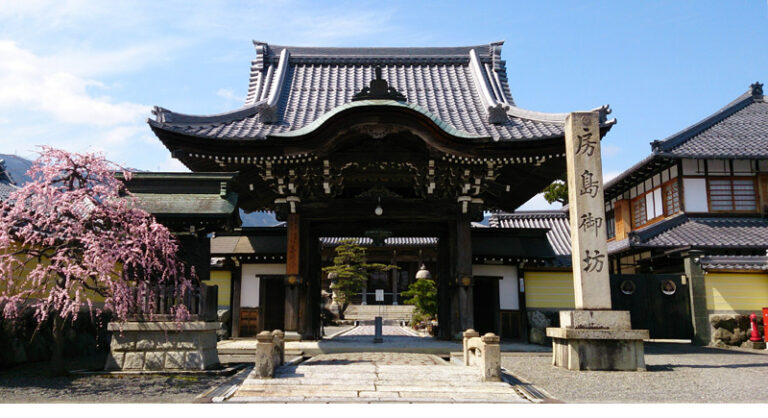
Tanigumi-san Kegonji Temple is a Tendai sect temple located in Tanigumi Tokusumi, Ibigawa-cho, Ibi-gun, Gifu Prefecture. Founded in 798 AD, it is known as an ancient temple boasting a history of over 1,200 years. Affectionately known as “Tanigumi-san” by the local people of Gifu Prefecture, it is the 33rd and final temple on the Saigoku Kannon Pilgrimage, attracting many pilgrims from all over Japan.
The mountain name, “Tanigumi-san,” and the temple name, “Kegonji,” were bestowed by Emperor Daigo, attesting to its high status. Furthermore, during the reign of Emperor Suzaku, it was designated an imperial prayer temple, receiving deep devotion from the imperial family and the court, and playing an important role as a training ground for the protection of the nation.
It is the only temple among the 33 temples of the Saigoku Kannon Pilgrimage located in Gifu Prefecture, and is also the easternmost temple. As a center of Kannon worship, records show that many members of the imperial family and nobility, including Emperor Kazan and Emperor Go-Shirakawa, visited the temple throughout its long history.
History of Kegonji Temple – 1200 Years Since Enryaku 17
Origin of the Temple and the Legend of the Kannon Statue
Kegonji Temple was founded in Enryaku 17 (798), in the early Heian period. It is said to have been founded by Bunen Shonin and Oguchi no Tairyo.
According to legend surrounding its founding, Oguchi Dairyo, a devout follower of Kannon, commissioned a Kyoto sculptor to carve an eleven-faced Kannon statue. On his way back to his hometown of Aizu, he encountered a strange phenomenon: the statue put on sandals and began walking, becoming motionless in Tanigumi, Mino Province. Recognizing this as a divine message from Kannon Bodhisattva, Oguchi Dairyo, together with the monk Toyonen, built a temple on this site and enshrined the statue.
This principal image, the eleven-faced Kannon Bodhisattva, is still enshrined in the main hall and attracts many worshippers.
During the reigns of Emperor Daigo and Emperor Suzaku
Kegonji Temple rose to a historically significant position during the reign of Emperor Daigo. The temple’s history and miraculous powers became widely known, and Emperor Daigo bestowed upon it the mountain name “Tanigumi-san” and the temple name “Kegonji.” This event significantly elevated the temple’s status.
Furthermore, during the reign of Emperor Suzaku, it was designated an imperial prayer temple, receiving strong protection from the imperial court as a place of prayer for the protection of the nation. From this period onward, Kegonji Temple developed from a mere local temple into an important center of Kannon worship with deep ties to the imperial family.
Emperor Kazan and the Establishment of the Saigoku Thirty-Three Kannon Pilgrimage
Kegonji Temple becoming the 33rd temple of the Saigoku Thirty-Three Kannon Pilgrimage is deeply connected to the establishment of the Saigoku pilgrimage by Emperor Kazan. After abdicating in 986, Emperor Kazan organized the Kannon pilgrimage and designated Kegonji Temple as the final destination.
This established Kegonji Temple’s position as the final destination, or the place of completion, of the Saigoku Thirty-Three Kannon Pilgrimage. Since then, reaching Kegonji Temple has become a special place for pilgrims, signifying the completion of their long pilgrimage.
Emperor Go-Shirakawa is said to have visited this temple, and from the Heian period to the Kamakura period, it flourished as a renowned temple visited by many members of the imperial family and nobility.
From the Early Modern Period to the Present
During the Edo period, pilgrimages to Kannon temples spread among commoners, and Kegonji Temple became known as “Tanigumi Kannon,” attracting nationwide devotion. A temple town formed along the approach to the temple, bustling with many worshippers.
Despite the impact of the anti-Buddhist movement of the Meiji era, its position as a center of Kannon worship remained unshaken, and to this day, it continues to welcome many worshippers as the temple where the 33 temples of the Saigoku Kannon Pilgrimage are completed.
Highlights of the Temple Grounds – The Charm Unique to a Site of Completed Pilgrimage
Main Hall – A Magnificent Building Designated as an Important Cultural Property
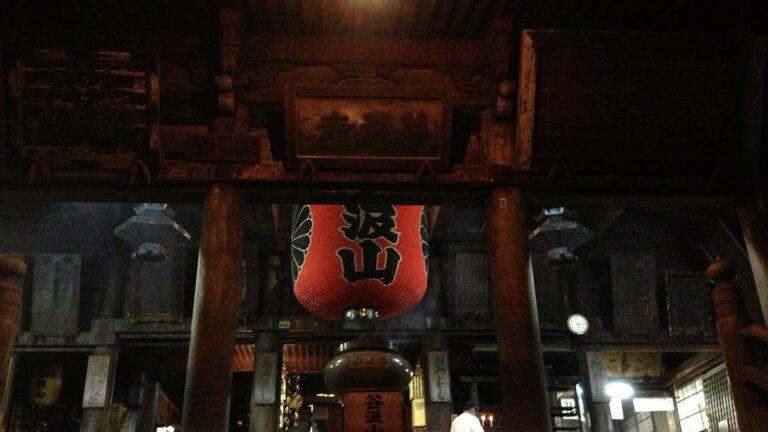
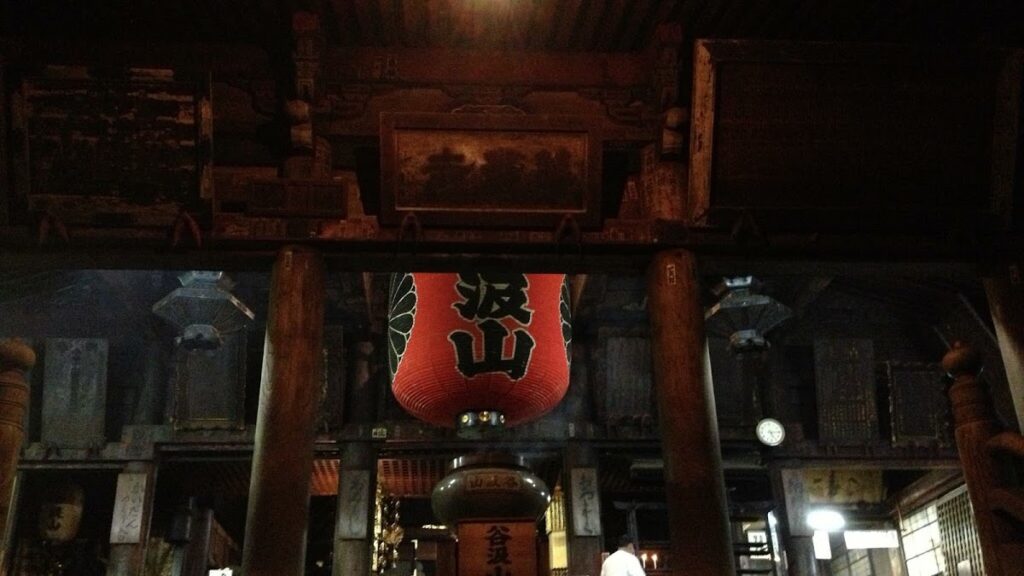
The main hall of Kegonji Temple is a valuable building that conveys the architectural style from the late Muromachi period to the early Edo period. Its imposing hip-and-gable roof structure exudes a dignity befitting a pilgrimage site.
The main hall houses the principal image, the Eleven-Faced Kannon Bodhisattva, allowing visitors to offer prayers in a serene atmosphere. Within the hall, it’s also possible to experience the Kaidan Meguri, a spiritual practice of walking through darkness by touch. This is known as a ritual to dispel worldly desires and purify the mind.
Oizuru-do Hall – Proof of Pilgrimage Completion
The Oizuru-do Hall is where those who have completed the Saigoku Thirty-Three Kannon Pilgrimage dedicate the pilgrim’s robe (oizu) worn during the pilgrimage. Countless oizu are dedicated within the hall, each imbued with the thoughts and gratitude of the pilgrims.
For pilgrims who have completed the pilgrimage, the dedication to the Oizuru-do Hall is the final ritual of their journey, a special place to experience the joy and sense of accomplishment of safely completing their long journey.
Mangan-do Hall – A Place to Offer Gratitude for Completing the Pilgrimage
The Mangan-do Hall is where people who have completed the Saigoku Thirty-Three Kannon Pilgrimage offer prayers of gratitude to Kannon Bodhisattva. Along with the Oizuri-do Hall, it is a facility unique to Kegonji Temple, the site of completion of the pilgrimage, and holds special significance for pilgrims.
Inside the hall, hymns expressing gratitude for the safe completion of the pilgrimage are chanted, creating a solemn atmosphere.
Shojin-otoshi no Koi (Carp of Removing Abstinence) – A Bronze Carp Symbolizing the End of the Pilgrimage
Within the temple grounds stands a bronze carp statue called the “Shojin-otoshi no Koi” (Carp of Removing Abstinence). During the Saigoku pilgrimage, pilgrims purify themselves by eating vegetarian meals. It is customary for pilgrims to touch this carp upon completion of the pilgrimage, breaking their vow of abstinence and marking the end of their journey back to daily life.
This Shojin-otoshi no Koi is a cherished cultural artifact unique to Kegonji Temple, symbolizing the end of the pilgrimage and the beginning of a new daily life. ### The Atmosphere of the Approach and Temple Town
The approach to Kegonji Temple stretches for approximately one kilometer, lined on both sides with souvenir shops and restaurants. The temple town, which retains the charm of an old townscape, is popular with tourists who enjoy strolling along the way to the temple.
Cherry trees and maple trees are planted along the approach, offering different scenery in each season. It is especially bustling with tourists during the cherry blossom season in spring and the autumn foliage season.
Significance as the 33rd Temple of the Saigoku Thirty-Three Kannon Pilgrimage
The Site of Completion and Finality of the Pilgrimage
Kegonji Temple holds a special position as the 33rd and final temple of the Saigoku Thirty-Three Kannon Pilgrimage, marking the completion and finality of the pilgrimage. The long pilgrimage, which began at Nachisan Seiganto-ji Temple (Wakayama Prefecture), the first temple on the pilgrimage route, concludes at Kegonji Temple.
For pilgrims, reaching Kegonji Temple is not merely a visit to the last temple on the pilgrimage route, but a significant milestone signifying the completion of a long journey, the fulfillment of their wishes, and the beginning of a new life. The solemn atmosphere that permeates the entire temple grounds is unique to this place of pilgrimage completion.
Meaning of the Waka Poem
The waka poem of Kegonji Temple is “Because the Buddha’s sign illuminates the world, the lamp has not yet been extinguished.” This poem embodies the meaning that the compassionate light of Kannon Bodhisattva continues to illuminate the world, deeply moving the hearts of those who have completed their pilgrimage.
This waka poem, chanted at the end of the pilgrimage, expresses gratitude for the merit gained from visiting the 33 Kannon sacred sites and for the continued protection of Kannon Bodhisattva.
Special Experiences for Pilgrims
Kegonji Temple offers special experiences for pilgrims who have completed their pilgrimage. Through unique ceremonies not found at other temples, such as the dedication of the pilgrim’s robes, prayers of gratitude at the Mangandō Hall, and the ritual of touching the carp to break the fast, pilgrims can truly feel the completion of their pilgrimage.
Furthermore, a certificate of completion is issued, and many pilgrims receive it as a memento of completing the Saigoku Thirty-Three Kannon Pilgrimage.
Annual Events and Seasonal Charms of Kegonji Temple
Spring – A Famous Cherry Blossom Spot
Kegonji Temple is also widely known as a famous cherry blossom spot. Approximately 200 cherry trees are planted from the approach to the temple grounds, reaching full bloom from late March to early April.
During the cherry blossom season, the “Tanigumi Cherry Blossom Festival” is held, attracting many visitors. The trees are also illuminated at night, allowing visitors to enjoy the magical sight of cherry blossoms after dark. The solemn atmosphere of this sacred site of pilgrimage completion, combined with the vibrant cherry blossoms, is a unique charm of Kegonji Temple in spring.
Summer – A Visit of Fresh Greenery and Tranquility
Summer at Kegonji Temple is a time of tranquility, enveloped in deep greenery. With relatively few visitors, you can leisurely explore the temple grounds. Located in a mountainous area, it’s cooler than the plains, making it ideal for a summer retreat.
In July, the Summer Grand Festival is held, a Buddhist service expressing gratitude to Kannon Bodhisattva and praying for good health.
Autumn – Spectacular Autumn Foliage
Kegonji Temple is also highly regarded as a famous spot for autumn foliage. From mid- to late November, the trees in the temple grounds and along the approach turn red and yellow, creating a magnificent autumn landscape.
The maple trees around the main hall are particularly beautiful, attracting many photography enthusiasts. During the autumn foliage season, the “Tanigumi Maple Festival” is held, featuring illuminations. In the crisp autumn air, the sacred site, adorned with autumn leaves, deeply moves visitors.
Autumn – Spectacular Autumn Foliage ### Winter – The Serene Beauty of a Snowy Landscape
In winter, Kegonji Temple displays a serene beauty covered in snow. The snow-covered grounds exude a mystical atmosphere unlike its usual state, offering a unique winter pilgrimage experience.
On New Year’s Day, the temple is bustling with worshippers, who come to pray for peace and happiness in the coming year. Annual events such as the Setsubun festival are also held.
Visiting Information and Access
Basic Information
- Official Name: Tanigumisan Kegonji Temple
- Sect: Tendai Buddhism
- Principal Image: Eleven-faced Kannon Bodhisattva
- Pilgrimage Site: 33rd temple of the Saigoku Thirty-Three Kannon Pilgrimage (Final Temple)
- Location: 23 Tokusumi, Tanigumi, Ibigawa-cho, Ibi-gun, Gifu Prefecture
- Visiting Hours: 8:00 AM – 5:00 PM (May vary depending on the season)
- Admission Fee: Free entry to the grounds (Some facilities require a fee)
Access Method
Access by Train and Bus
- From Nagoya Station: Take the JR Tokaido Main Line to Ogaki Station (approx. 30 minutes), then the Tarumi Railway from Ogaki Station to Tanigumiguchi Station (approx. 40 minutes), then a bus from Tanigumiguchi Station to Tanigumiyama bus stop (approx. 10 minutes), followed by a 15-minute walk.
- From Gifu Station: There is a direct bus to Tanigumiyama via Gifu Bus (operates only during the season).
Access by Car
- Approximately 30 minutes from Ogaki IC on the Meishin Expressway via National Routes 21 and 417.
- Approximately 20 minutes from Ohno-Kobe IC on the Tokai-Kanjo Expressway.
- Parking: Several paid parking lots are available around the temple town (capacity of approximately 500 cars).
Guidelines for Visiting
Kegonji Temple is a temple of special significance as the final pilgrimage site of the Saigoku Thirty-Three Kannon Pilgrimage. Please keep the following points in mind when visiting.
- Attire: Avoid revealing clothing and dress appropriately for a temple visit.
- Manners: Behave quietly within the temple grounds and be considerate of other visitors.
- Photography: Photography is prohibited in some areas, such as inside the main hall. Please follow the signs.
- Temple Stamp: Those on the Saigoku Thirty-Three Kannon Pilgrimage can receive a temple stamp at the stamp office.
- Estimated Time Required: Allow 1-2 hours for a thorough visit.
Nearby Tourist Attractions
The area around Ibigawa Town, where Kegonji Temple is located, boasts many other attractive tourist spots.
Tanigumi Monzen-machi
The temple town surrounding Kegonji Temple retains its traditional charm. Souvenir shops offer local specialties such as “Tanigumi Monaka” and “Yomogi Mochi.” Restaurants serve vegetarian cuisine and local regional dishes.
Yokozoji Temple
Located about 15 minutes by car from Kegonji Temple, Yokozoji Temple is an ancient temple also known as the “Shosoin of Mino.” It houses numerous important cultural properties and is particularly known as a famous spot for autumn foliage.
Ibigawa Onsen (hot spring)
For relaxation after a pilgrimage, Ibigawa Onsen is highly recommended. Day-trip bathing facilities are available, allowing you to enjoy a trip combining sightseeing and hot springs.
The Modern Significance of Kegonji Temple and Kannon Worship
Healing and Spiritual Support
In modern society, historical Kannon pilgrimage sites like Kegonji Temple play a role as a source of healing and spiritual support. The Saigoku Thirty-Three Kannon Pilgrimage is not merely a tourist attraction, but is supported by many as an opportunity to reflect on oneself and consider the meaning of life.
Kegonji Temple, the final destination of the pilgrimage, continues to hold significant meaning in modern times as a place to confirm the insights and growth gained through the long pilgrimage and to take a new step in life.
Cultural Heritage Preservation and Regional Development
Kegonji Temple is a valuable cultural asset that conveys Japanese religious culture and architectural techniques, and its preservation and transmission are considered crucial. The buildings, including the main hall, as well as Buddhist statues and ancient documents, are invaluable assets that pass on Japanese history to future generations.
Furthermore, Kegonji Temple contributes to regional development as an important tourist resource for Ibigawa Town. The large number of worshippers and tourists who visit throughout the year contribute to the revitalization of the local economy.
As an International Tourist Resource
In recent years, the Saigoku Thirty-Three Kannon Pilgrimage has been designated a “Japan Heritage” site, attracting international attention. Kegonji Temple, the final pilgrimage site, is a symbolic temple of Japanese pilgrimage culture, and the number of tourists from overseas is increasing.
As a place where one can experience Japan’s unique Kannon faith and pilgrimage culture, Kegonji Temple is also gaining value as an international tourist resource.
Summary – The Charm of Tanigumi-san Kegonji Temple
Tanigumi-san Kegonji Temple is a historic temple that has served as a center of Kannon worship for over 1,200 years since its founding in 798 AD. Its deep connection with the Imperial family and court, including the mountain and temple names bestowed by Emperor Daigo, its designation as an imperial prayer temple by Emperor Suzaku, and visits by Emperors Kazan and Go-Shirakawa, speaks to the temple’s high status.
As the 33rd and final temple of the Saigoku Thirty-Three Kannon Pilgrimage, Kegonji Temple holds a special position as the culmination point of the pilgrimage. It is filled with the unique charm of a pilgrimage site, including the Oizuri-do Hall, the Mangan-do Hall, and the carp for breaking the fast. Even today, it continues to welcome many pilgrims as a place where those who have completed their long pilgrimage can experience gratitude and a sense of accomplishment.
The temple grounds, showcasing the beauty of each season—cherry blossoms in spring, lush greenery in summer, vibrant autumn leaves, and snowy winter landscapes—deeply move visitors. As a training ground for the protection of the nation and a sacred site of Kannon worship, Kegonji Temple is a valuable presence that conveys Japanese religious culture to the present day.
Affectionately known as “Tanigumi-san,” Kegonji Temple is a spiritual haven for the people of Gifu Prefecture and holds special significance for Kannon worshippers nationwide, continuing to provide hope and healing to many. Whether you aspire to complete the Saigoku Thirty-Three Kannon Pilgrimage, are interested in Kannon worship, or simply want to experience Japanese history and culture, we encourage you to visit Tanigumi-san Kegonji Temple, the pilgrimage site of fulfillment.