Zenmyoji Temple Complete Guide | Comprehensive Introduction to Zenmyoji Temples Nationwide
There are several temples named “Zenmyoji” throughout Japan. Each belongs to a different sect and possesses its own unique history and cultural assets. This article comprehensively explains the history, highlights, cultural assets, and access methods of Zenmyoji temples located in Fuchu City, Tokyo; Tono City, Iwate Prefecture; Ibigawa Town, Gifu Prefecture, and other locations.
Zenmyoji Temple in Fuchu City, Tokyo | An Ancient Tendai Sect Temple and Valuable Cultural Assets
Basic Information on Zenmyoji Temple (Fuchu City)
Located in Honmachi 1-chome, Fuchu City, Tokyo, Zenmyoji Temple belongs to the Tendai sect and its mountain name is Higanzan. It is conveniently located about a 3-minute walk from Fuchu-Honmachi Station on the JR Musashino Line and Nambu Line, and is a temple beloved by local residents.
Location: 1-5-4 Honmachi, Fuchu City, Tokyo
Sect: Tendai Sect
Mountain Name: Higanzan
Phone Number: 042-364-2986
Admission Fee: Free
Access: 3-minute walk from JR Fuchu-Honmachi Station
History and Origin
The exact founding date of Zenmyoji Temple is unclear, but it is said to have once been a large temple. Igarashi Sadaemon, a farmer in this area, founded a Shinto sect and, after an audience with the Tendai Junko (a high-ranking monk), changed his name to Yoda Iori. He became the restorer and founder of the temple, and the then-resident monk, Shokai, became the restorer and founding abbot, thus rebuilding the temple.
During the Edo period, it flourished as a center of local faith and developed into a temple with many parishioners. Even today, it is positioned as one of the indispensable temples when discussing the history of Fuchu City.
Important Cultural Properties and Points of Interest
Grave of Saionji Sanemitsu (Tokyo Metropolitan Historic Site)
Zenmyoji Temple houses the grave of Saionji Sanemitsu, designated a Tokyo Metropolitan Historic Site on May 1, 1939. Saionji Sanemitsu was a court noble during the Muromachi period and a historical figure with ties to this area. The grave is located in a quiet corner of the temple grounds and is an important spot for history enthusiasts.
Grave of Yoda Iori (Tokyo Metropolitan Historic Site)
The grave of Yoda Iori (Igarashi Sadaemon), the restorer and founder of the temple, was also designated a Tokyo Metropolitan Historic Site on May 1, 1939. Yoda Iori is known as a religious figure of the mid-Edo period, and many visitors come to commemorate his achievements.
Iron Seated Amida Buddha Statue
One of Zenmyoji Temple’s greatest attractions is the iron seated Amida Buddha statue, one of the largest existing iron Buddha statues. This Buddha statue is estimated to have been created between the Kamakura and Muromachi periods. It is extremely rare for an iron Buddha statue and is in excellent condition.
The statue stands approximately 1.5 meters tall and exudes a dignified presence. The unique texture of iron Buddha statues and its aged character captivate visitors. It is a must-see cultural asset for Buddha statue enthusiasts.
Fuchu Kouta Stone Monument
Within the temple grounds is a stone monument inscribed with the lyrics of the fourth verse of the “Fuchu Kouta,” a folk song beloved by the citizens of Fuchu. This monument is cherished by many citizens as a symbol of local culture. It is a valuable monument that allows one to feel the history and culture of Fuchu.
Temple Grounds and Points for Visiting
While the grounds of Zenmyoji Temple are relatively compact, they are characterized by a well-maintained garden and a tranquil atmosphere. The main hall follows the traditional architectural style of Tendai Buddhist temples, presenting a calm and composed appearance.
Visiting is free of charge. However, when viewing cultural artifacts such as the iron statue of Amida Buddha, it is recommended to contact the temple in advance.
Nearby Tourist Attractions
Around Fuchu-Honmachi Station, there are many historical and cultural sites, including Okunitama Shrine and the Fuchu City Local History Museum. Visiting these facilities in conjunction with Zenmyoji Temple will allow you to gain a deeper understanding of Fuchu’s history.
Zenmyoji Temple in Tono City, Iwate Prefecture | An Ancient Jodo Sect Temple and Cultural Assets
Basic Information on Zenmyoji Temple (Tono City)
There is also a temple named Zenmyoji in Tono City, Iwate Prefecture. This temple belongs to the Jodo sect and its mountain name is Konkozan.
Location: Tono City, Iwate Prefecture
Sect: Jodo-shu (Pure Land Buddhism)
Mountain Name: Konkozan
Principal Image: Amida Buddha
History and Background
Zenmyoji Temple in Tono City is known as an important temple that spread the teachings of the Jodo-shu sect throughout the region. The Tono region is a treasure trove of folklore, known for the “Tono Monogatari” (Tales of Tono), and Zenmyoji Temple has played an important role as the center of faith and culture in this region.
Cultural Property
Seated Amida Buddha Statue
The seated Amida Buddha statue, designated as a tangible cultural property by Tono City, is enshrined as the principal image of Zenmyoji Temple. This statue is believed to have been created between the Muromachi period and the early Edo period, and is a representative work of regional Buddhist art.
It is characterized by its serene expression and graceful posture, embodying the wish for rebirth in paradise, a teaching of the Jodo-shu sect. It is a cultural property that you should definitely see when visiting Tono.
Tono Culture and Zenmyoji Temple
The Tono region is known as a sacred site for Japanese folklore research, thanks to Kunio Yanagita’s “Tono Monogatari” (Tales of Tono). Zenmyoji Temple, too, has been cherished by local residents to this day, as an important presence supporting the region’s faith and folk culture.
Zenmyoji Temple in Ibigawa Town, Gifu Prefecture | A Famous Shinshu Otani School Temple Known as Fusajima Gobo
Basic Information on Zenmyoji Temple (Ibigawa Town)
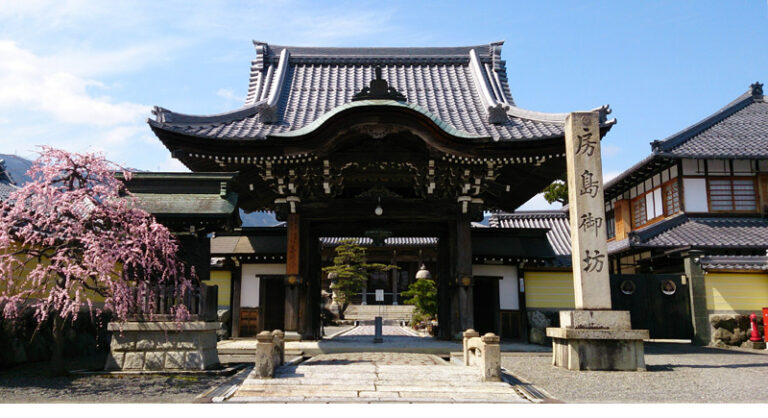
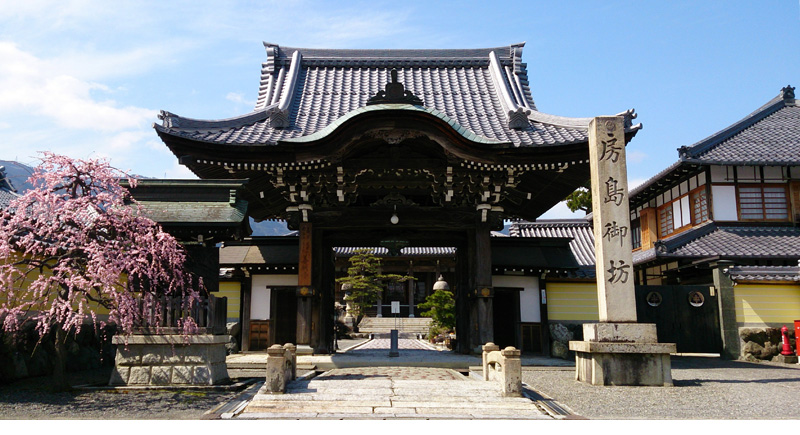
Located in Fusajima, Ibigawa Town, Ibi District, Gifu Prefecture, Zenmyoji Temple is a temple belonging to the Shinshu Otani School and is a famous temple also known as Fusajima Gobo.
Location: Minamiyashiki, Fusajima, Ibigawa-cho, Ibi-gun, Gifu Prefecture
Sect: Shinshu Otani-ha
Mountain Name: Koyo-zan
Principal Image: Amida Buddha
Alternate Name: Fusajima Gobo
History and Origin
Zenmyoji Temple is a central temple of the Shinshu Otani-ha sect, affectionately known locally as “Fusajima Gobo.” The title “Gobo” is an honorific given to temples of particularly high status in Shinshu Buddhism, reflecting Zenmyoji Temple’s importance in this region.
From the medieval to the early modern period, it functioned as a center for Shinshu missionary work in the Mino region and flourished as a large temple with many followers. Even today, it plays an important role as the center of religious culture in Ibigawa-cho.
Architecture and Grounds
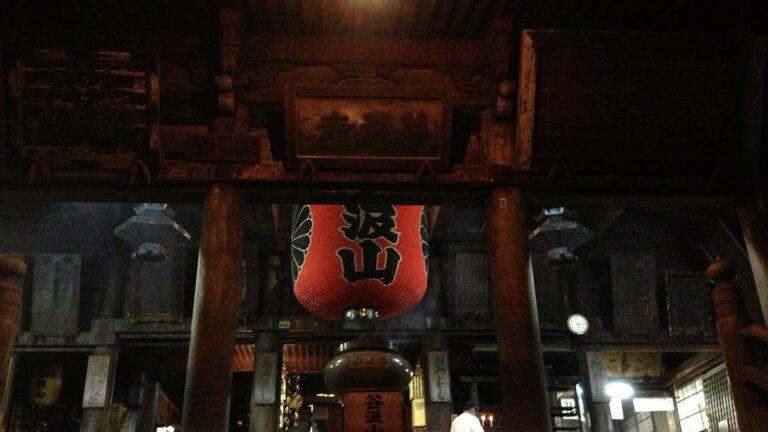
The temple complex of Zenmyoji Temple exhibits the imposing architectural style characteristic of Shinshu Buddhist temples, and the main hall is a magnificent building with a vast space. Ancient trees, some hundreds of years old, flourish within the grounds, creating an atmosphere imbued with a sense of history.
Role in the Community
Zenmyoji Temple, also known as Fusajima Gobo, has functioned not merely as a religious facility but also as a center of the local community. Various Buddhist services and events are held throughout the year, serving as a spiritual pillar for the local residents.
Other Zenmyoji Temples
Zenmyoji Temple in Higashiomi City, Shiga Prefecture
There is also a temple called Zenmyoji in Higashiomi City, Shiga Prefecture. Higashiomi City is known as the birthplace of Omi merchants and is a region dotted with numerous historical temples and shrines. This Zenmyoji Temple is also an important temple in telling the history of the region.
Zenmyoji, Wakayama City, Wakayama Prefecture (Place Name)
In Wakayama City, Wakayama Prefecture, there is a place name called “Zenmyoji.” This is believed to originate from the fact that a temple called Zenmyoji once existed in this area. By remaining as a place name, it preserves the historical memory of the region.
Origin and Meaning of the Temple Name Zenmyoji
The temple name “Zenmyoji” combines two important Buddhist concepts: “Zen” (goodness) and “Mei” (brightness). “Zen” symbolizes good deeds and virtuous roots, while “Mei” symbolizes the light of wisdom and enlightenment.
A temple bearing this name can be interpreted as embodying the wish to guide sentient beings toward goodness and illuminate them with the light of wisdom. The existence of temples with the same name throughout Japan indicates that this universal Buddhist ideal was widely accepted.
Differences and Characteristics of Each Zenmyoji Sect
Tendai Sect (Fuchu City, Tokyo)
The Tendai sect is an important sect of Japanese Buddhism founded by Saicho. The Tendai sect has Enryaku-ji Temple on Mount Hiei as its head temple and the Lotus Sutra as its fundamental scripture. Zenmyoji Temple in Fuchu City has played a role in spreading the teachings of the Tendai sect to the region.
Jodo Sect (Tono City, Iwate Prefecture)
The Jodo sect is a Buddhist sect founded by Honen Shonin, which believes in the original vow of Amida Buddha and aims for rebirth in paradise through chanting the Nembutsu (invocation of Amida Buddha). Zenmyoji Temple in Tono City has functioned as a base for spreading the teachings of the Jodo sect throughout the Tohoku region.
Shinshu Otani Sect (Ibigawa Town, Gifu Prefecture)
The Shinshu Otani sect is a branch of the Jodo Shinshu sect, with Shinran Shonin as its founder, and its head temple is Higashi Hongan-ji Temple in Kyoto. Zenmyoji Temple in Ibigawa Town, known as “Fusajima Gobo,” has played a central role in Shinshu faith in the Mino region.
Manners for Visiting Zenmyoji Temple
Basic Worship Etiquette
When visiting a temple, please observe the following basic manners:
- Bow at the Temple Gate: Bow at the temple gate before entering the temple grounds.
- Purification at the Water Basin: If there is a water basin, purify your hands and mouth.
- Worship at the Main Hall: Join your hands in prayer in front of the main hall and offer your prayers quietly.
- Photography: Check if photography is permitted, and refrain from taking pictures in prohibited areas.
- Respectful Attitude: Act quietly on the temple grounds and be considerate of other visitors.
Differences by Sect
There are slight differences in worship etiquette depending on the sect. In the Tendai sect, joining your hands in prayer and bowing is recommended, while in the Jodo and Shinshu sects, chanting the Nembutsu is recommended. However, general visitors are fine as long as they observe basic etiquette.
Combination Plans for Sightseeing Around Zenmyoji Temple
In the case of Fuchu City, Tokyo
When visiting Zenmyoji Temple in Fuchu City, combining it with the following spots will make for a more fulfilling sightseeing experience:
- Okunitama Shrine: An ancient shrine known as the principal shrine of Musashi Province
- Fuchu City Local History Museum: A facility where you can learn about the history and culture of Fuchu
- Around Fuchu-Honmachi Station: Abundant restaurants and shops
In the case of Tono City, Iwate Prefecture
When visiting Zenmyoji Temple in Tono City, it is recommended to visit places associated with the “Tono Monogatari” (Tales of Tono).
- Tono City Museum: Introducing the folk culture of Tono
- Kappa-buchi: A legendary site appearing in the Tono Monogatari (Tales of Tono)
- Denshoen: Experience the traditional lifestyle and culture of Tono
In the case of Ibigawa Town, Gifu Prefecture
Around Zenmyoji Temple in Ibigawa Town, there are many tourist spots where nature and history are in harmony.
- Tanigumi-san Kegonji Temple: The final temple of the Saigoku Thirty-Three Kannon Pilgrimage
- Ibigawa River: A beautiful river known for its clear waters
- Ibikyo Gorge: A famous spot for autumn foliage
Detailed Access Information to Zenmyoji Temple
Zenmyoji Temple, Fuchu City, Tokyo
Access by Train:
- Get off at Fuchu-Honmachi Station on the JR Musashino Line or Nambu Line, approximately 3 minutes on foot
- Approximately 15 minutes on foot from Fuchu Station on the Keio Line
Access by Car:
- Approximately 10 minutes from Kunitachi-Fuchu IC on the Chuo Expressway
- Parking is limited, so the use of public transportation is recommended
Zenmyoji Temple, Tono City, Iwate Prefecture
Access by Train:
- Get off at Tono Station on the JR Kamaishi Line, then take a taxi or bus
Access by Car:
- Approximately 50 minutes from Hanamaki IC on the Tohoku Expressway
- Approximately 10 minutes from the Tono Interchange on the Kamaishi Expressway
Zenmyoji Temple, Ibigawa Town, Gifu Prefecture
Access by Train/Bus:
- Get off at Ibi Station on the Yoro Railway, then take a bus or taxi.
Access by Car:
- Approximately 30 minutes from the Ogaki Interchange on the Meishin Expressway
- Approximately 20 minutes from the Ono-Kobe Interchange on the Tokai-Kanjo Expressway
Annual Events and Festivals at Zenmyoji Temple
Each Zenmyoji Temple holds annual events according to its sect.
Main Annual Events
- First three days of the New Year: First shrine visit of the year, New Year’s prayers
- Spring and Autumn Equinoxes: Equinox memorial service
- Obon: Obon festival, Segaki memorial service
- End of Year: New Year’s Eve bell ringing (at some temples)
Specific event dates vary by temple, so it is recommended to check before visiting. ## The Relationship Between Zenmyoji Temples and Local Communities
Zenmyoji temples throughout Japan have played a vital role not only as religious institutions but also as spiritual pillars for their communities.
Centers of Education and Culture
During the Edo period, they served as terakoya (temple schools), teaching reading and writing to local children. Even today, they are utilized as places for local cultural activities and lifelong learning.
Community Hubs
Through religious services and events, they provide a place for local residents to gather, strengthening community bonds. Especially in areas experiencing depopulation, the existence of temples is essential for maintaining the community.
Protection and Transmission of Zenmyoji Temple’s Cultural Properties to Future Generations
The cultural properties held by each Zenmyoji temple are valuable assets that tell the history of the region. Protecting these and passing them on to future generations is a crucial issue in modern times.
Cultural Property Preservation Activities
Cultural properties such as the iron seated Amida Buddha statue (Fuchu City) and the seated Amida Buddha statue (Tono City) require regular restoration and preservation treatment. Each temple continues its efforts to protect these cultural properties with the cooperation of its parishioners and local residents.
Digital Archiving
In recent years, efforts to digitally archive cultural properties have been progressing. Detailed records of cultural properties are being created through 3D scanning and high-resolution photography, and these are being used for research and education.
Voices of Visitors to Zenmyoji Temple
Visitors and tourists who have come to Zenmyoji Temple have shared the following comments:
Voices of Visitors to Zenmyoji Temple ### About Zenmyoji Temple in Fuchu City
“It was close to the station, making it easy to visit. I was overwhelmed by the power of the iron statue of Amida Buddha.”
“In the quiet temple grounds, I was able to forget the hustle and bustle of the city and find peace of mind.”
About Zenmyoji Temple in Tono City
“I visited as part of a trip to visit the settings of the Tono Monogatari (Tales of Tono). I was deeply moved by the elegant form of the Amida Buddha statue.”
About Zenmyoji Temple in Ibigawa Town
“I felt the weight of history in the dignified temple buildings of Fusajima Gobo. It was a valuable opportunity to experience the teachings of Shin Buddhism.”
Summary | The Charm and Value of Visiting Zenmyoji Temples
Zenmyoji temples, located throughout Japan, are valuable temples, each possessing its own unique history and cultural assets. Zenmyoji Temple in Fuchu City, Tokyo, a Tendai sect temple, is known for its iron seated statue of Amida Buddha and historical burial grounds. Zenmyoji Temple in Tono City, Iwate Prefecture, a Jodo sect temple, preserves local cultural assets. Zenmyoji Temple in Ibigawa Town, Gifu Prefecture, a Shinshu Otani sect temple, has served as a center of local faith as Fushima Gobo.
Visiting these temples allows you to understand the diversity of Japanese Buddhist culture and the different forms of faith in each region. For history buffs, Buddhist statue enthusiasts, or those seeking quiet time, Zenmyoji temples are well worth a visit.
A journey through the various Zenmyoji temples offers a valuable opportunity to gain a deeper understanding of Japanese religious culture and regional history. We encourage you to visit them in person and experience the unique atmosphere and cultural assets of each temple.