Complete Guide to Toyama Prefecture Gokoku Shrine | Thorough Explanation of History, Goshuin (Seal Stamps), and Visiting Information
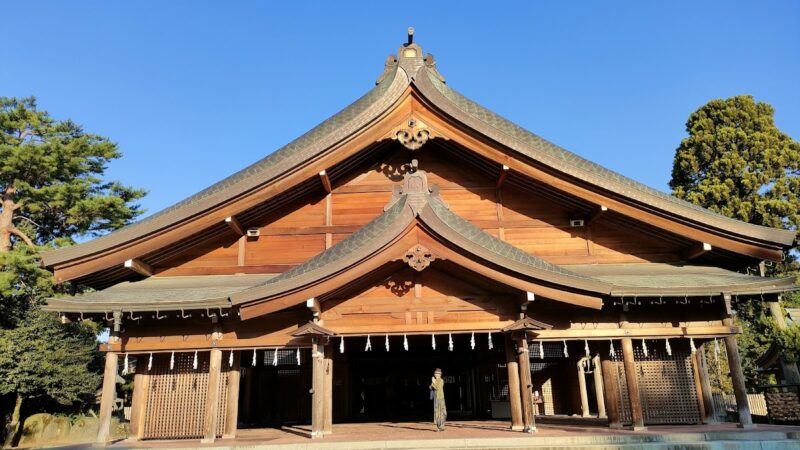
Toyama Prefecture Gokoku Shrine is a shrine located in Isobe-cho, Toyama City, dedicated to those who died in war. Situated in a tranquil setting overlooking the Tateyama mountain range, it is known as one of Toyama Prefecture’s representative Gokoku Shrines, attracting many visitors. This article provides a detailed explanation of everything you need to know before visiting, including the history of Toyama Prefecture Gokoku Shrine, its enshrined deities, how to visit, information on Goshuin, and access.
What is Toyama Prefecture Gokoku Shrine?
Toyama Prefecture Gokoku Shrine is a shrine dedicated to the spirits of those from Toyama Prefecture who sacrificed their lives for their country in wars and incidents since the Meiji Restoration. Gokoku Shrines are established in every prefecture throughout Japan, and Toyama Prefecture Gokoku Shrine is one of them, serving as a spiritual anchor for the local people.
The Role of Gokoku Shrines
Gokoku shrines play the role of comforting the spirits of those who sacrificed their precious lives for the country and passing on their achievements to future generations. They are places of quiet prayer, visited not only by the bereaved families of war dead, but also by many people who pray for peace.
History of Toyama Prefecture Gokoku Shrine
The history of Toyama Prefecture Gokoku Shrine dates back to the Meiji era.
Circumstances of its Founding
It is believed that the shrine originated in 1869 (Meiji 2), when a Shokonsha (shrine for the war dead) was established within Toyama Castle to enshrine the spirits of Toyama domain samurai who died in the Boshin War. Initially a small shrine, its size expanded as the number of war dead increased in subsequent wars.
Renaming to Gokoku Shrine
In 1939 (Showa 14), by order of the Ministry of Home Affairs, all Shokonsha shrines nationwide were renamed Gokoku Shrines, and Toyama Shokonsha was also renamed Toyama Prefecture Gokoku Shrine. This renaming was carried out as part of the process of establishing a national system for commemorating war dead.
Relocation to Current Location
After the war, the Toyama Castle ruins were developed into a park, and in 1955 (Showa 30), the shrine was relocated to its current location in Isobe-cho. The current shrine building is built in a quiet environment with the Tateyama mountain range as a backdrop, providing a peaceful atmosphere for visitors.
About the Enshrined Deities
The following individuals are enshrined as deities at Toyama Prefecture Gokoku Shrine:
Enshrined War Dead
- Fallen soldiers of the Boshin War
- Fallen soldiers of the Satsuma Rebellion
- Fallen soldiers of the First Sino-Japanese War
- Fallen soldiers of the Russo-Japanese War
- Fallen soldiers of World War I
- Fallen soldiers of the Manchurian Incident and the Second Sino-Japanese War
- Fallen soldiers of the Greater East Asia War (Pacific War)
- Public servants who died in the line of duty after the war
In total, approximately 30,000 war dead are enshrined, the majority of whom died in the Greater East Asia War.
Divine Virtues
The divine virtues of Gokoku Shrine are said to include national peace and security, prayers for peace, and family safety. Furthermore, for the bereaved families of war dead, it holds significant meaning as a place to remember the deceased and express gratitude for their achievements.
Points of Interest within the Shrine Grounds
There are several points of interest within the grounds of Toyama Prefecture Gokoku Shrine.
Main Shrine and Worship Hall
The main shrine and worship hall, built in 1955 (Showa 30), are magnificent structures incorporating traditional shrine architectural styles. The spacious grounds in front of the worship hall are bustling with many worshippers during New Year’s visits and annual festivals.
Memorials and Monuments
Within the shrine grounds, several monuments commemorating those who died in various wars, as well as monuments to specific units and regions, are erected. These monuments play an important role in passing on the memories of war to future generations.
Shrine Office
The shrine office provides Goshuin (shrine stamps) and accepts requests for various prayers. Amulets and ema (votive tablets) are also available, and many visitors purchase them as souvenirs of their visit.
Parking
The shrine grounds have a free parking lot for visitors, making it easily accessible by car. Sufficient parking space is available, especially outside of the New Year’s festival period.
Goshuin (Shrine Seal) Information
Toyama Prefectural Gokoku Shrine offers goshuin to visitors.
Goshuin Issuance Hours
Goshuin are usually issued during the shrine office’s opening hours. Generally, this is from 9:00 AM to around 5:00 PM, but this may vary depending on festivals and events, so it is recommended to check in advance.
Goshuin Features
The goshuin of Toyama Prefectural Gokoku Shrine features a simple yet powerful calligraphy style. The words “Toyama Prefectural Gokoku Shrine” are written in ink and stamped in red in the center, along with the date of visit. The goshuin evokes a solemn atmosphere befitting a Gokoku Shrine.
About Goshuincho (Shrine Seal Books)
Toyama Prefectural Gokoku Shrine also offers original goshuincho. The designs sometimes feature motifs of the Tateyama mountain range and landscapes of Toyama, reflecting the rich local character.
Annual Events and Festivals
Toyama Prefecture Gokoku Shrine holds various festivals throughout the year.
Spring Grand Festival
The Spring Grand Festival is held annually from late April to early May. This festival offers gratitude and remembrance to the war dead, the enshrined deities, and prays for peace. It is conducted solemnly with the attendance of bereaved families and related organizations.
Autumn Grand Festival
The Autumn Grand Festival is held annually around October. Similar to the Spring Grand Festival, it offers gratitude and remembrance to the war dead and prays for peace.
New Year’s Visit
Many worshippers visit the shrine for their first shrine visit of the New Year. Visiting Gokoku Shrine for the first shrine visit of the year signifies prayers for peace and a wish for tranquility in the new year, making it an important event for the local community.
Mitama Festival
In summer, the Mitama Festival is sometimes held to comfort the spirits of the deceased. Lanterns are lit, and a memorial service is held in a mystical atmosphere.
How to Visit and Manners
This section introduces the basic manners and etiquette for visiting Gokoku Shrine.
How to Visit
- Bow before passing through the torii gate: Before entering the shrine grounds, bow before the torii gate.
- Purify at the water basin: Purify your hands and mouth at the water basin.
- Proceed to the main hall: The center of the path is considered the path of the gods, so walk along the side.
- Two bows, two claps, one bow: Place your offering in front of the main hall and pray using the two bows, two claps, and one bow ritual.
- Bow when leaving: When leaving the shrine grounds, turn around and bow after passing through the torii gate. ### Attire for Visiting the Shrine
While there are no strict dress code regulations, it is desirable to wear clean, understated clothing, keeping in mind that this is a sacred place. Formal attire is especially appropriate when attending formal ceremonies such as the annual festival.
Photography
Photography is generally permitted within the shrine grounds, but photography inside the main hall and during ceremonies should be avoided. Please also be considerate of other visitors.
Access Information
Detailed instructions on how to access Toyama Prefecture Gokoku Shrine are provided below.
Location
1-1-1 Isobe-cho, Toyama City, Toyama Prefecture 931-8358
Access by Train and Bus
From JR Toyama Station
- Take the Toyama Chihō Railway bus bound for “Toyama University Hospital,” get off at the “Gokoku Jinja-mae” bus stop, and walk for approximately 3 minutes.
- Travel time: Approximately 20 minutes
By Tram
- Take the Toyama Chihō Railway city tram from Toyama Station, get off at the “Daigaku-mae” tram stop, and walk for approximately 15 minutes.
Access by Car
From the Hokuriku Expressway
- Approximately 15 minutes from Toyama IC
- Approximately 20 minutes from Toyama Nishi IC
From the City Center
- Approximately 10 minutes by car from Toyama Station
- Accessible from National Route 41
Parking Information
There is a free parking lot on the temple grounds with space for approximately 50 regular cars. However, congestion is expected during New Year’s visits and annual festivals, so we recommend using public transportation.
Nearby Tourist Attractions
There are several tourist attractions around Toyama Prefectural Gokoku Shrine.
Toyama University
Toyama University’s campus is located very close to the shrine, giving you a lively atmosphere as a student town.
Toyama City Folk Craft Village
At the Toyama City Folk Craft Village, about a 10-minute drive away, you can learn about Toyama’s traditional culture and folk crafts. This cultural area, comprised of multiple facilities, allows you to experience Toyama’s history.
Toyama Castle Park
Toyama Castle Park, located in the center of Toyama City, is the former site of Toyama Prefectural Gokoku Shrine. Currently, it is a place of relaxation for citizens, and you can also visit the Toyama Castle keep (local history museum).
Fugan Canal Kansui Park
Known as “the most beautiful Starbucks in the world,” Fugan Canal Kansui Park is within walking distance of Toyama Station and offers beautiful waterside scenery.
The Significance of Toyama Prefectural Gokoku Shrine and Prayers for Peace
Toyama Prefectural Gokoku Shrine is not merely a tourist spot, but also a place to pass on the memories of war to future generations and to reflect on the preciousness of peace.
Passing on the Memories of War
The memorials and monuments within the shrine grounds convey the historical facts of war and the many lives lost. Especially for younger generations, it is a place that provides an opportunity to learn about the realities of war and to reflect on peace.
A Place of Remembrance for Bereaved Families
For the bereaved families of war dead, Gokoku Shrine is an important place to remember the deceased and express gratitude for their achievements. At the annual festival, elderly bereaved family members can be seen attending and quietly offering prayers.
As a Place for Peace Education
Schools and organizations also visit the shrine, utilizing it as part of peace education. It plays an important role as a place to learn about the tragedy of war and the preciousness of peace.
Points to Note When Visiting
Here are some points to note when visiting Toyama Prefectural Gokoku Shrine.
Opening Hours
The shrine grounds are generally open for worship from sunrise to sunset, but the reception hours at the shrine office are limited. If you wish to receive a Goshuin (shrine stamp) or prayer, please check the opening hours in advance.
Visiting on Festival Days
On festival days such as the Spring and Autumn Grand Festivals, there may be times when general worship is restricted. When a solemn ceremony is being held, please observe quietly or wait until the ceremony has ended.
Visiting in Winter
Toyama is a region with heavy snowfall, and there is often snow on the shrine grounds during winter. Please be careful of your footing and wear non-slip shoes.
Accessibility Information
The shrine grounds are generally flat, but there are some areas with steps. If you wish to visit the shrine in a wheelchair, it is recommended that you consult with the shrine office in advance.
Toyama’s Gokoku Shrine Culture
This section explains the position of Gokoku Shrines in Toyama Prefecture and their relationship with the local community.
Relationship with the Local Community
Toyama Prefecture Gokoku Shrine has deep ties with related organizations such as bereaved families’ associations, the Self-Defense Forces, and the fire department. These organizations regularly visit and make offerings, maintaining ties with the local community.
Connection to Toyama’s History
Toyama Prefecture was under the control of the Kaga Domain during the Boshin War, and later became the independent Toyama Domain. This historical background is also important as background for the spirits of the war dead enshrined at the Gokoku Shrine.
Role in Modern Times
Even in modern times, Toyama Prefecture Gokoku Shrine continues to play an important role as a place to pray for peace and as a place to learn about the region’s history.
Summary: The Significance of Visiting Toyama Prefectural Gokoku Shrine
Toyama Prefectural Gokoku Shrine is a sacred place imbued with the history of Toyama Prefecture and prayers for peace. Located in a tranquil setting overlooking the Tateyama mountain range, it enshrines approximately 30,000 war dead, conveying to visitors the memories of war and the preciousness of peace.
When visiting, it is important not merely as a tourist, but with gratitude for those who sacrificed their lives for their country and with a prayer for peace. Those seeking a Goshuin (shrine stamp) will have a deeper experience if they understand the history and significance behind it before visiting.
When visiting Toyama, be sure to visit Toyama Prefectural Gokoku Shrine and quietly offer your prayers. There, the history of Toyama and the feelings of its people breathe life into the place.