Yakyu Inari Shrine Complete Guide | Thorough Explanation of Goshuin (Shrine Seals), Blessings, Access, and Festival Information
About Yakyu Inari Shrine
Yakyu Inari Shrine is a historic Inari shrine located in Higashimatsuyama City, Saitama Prefecture. Its name evokes “baseball,” making it widely known among baseball enthusiasts and fans, and affectionately revered as the “God of Baseball.”
Founded in 712 AD (Wado 5), it is a venerable shrine boasting a history of over 1300 years. As the guardian shrine of Hiki District in Musashi Province, it has attracted the faith of the local people.
Origin of Yakyu Inari Shrine
The name of the shrine, “Yakyu,” is said to originate from the fact that Minamoto no Yorinobu prayed for victory at this site and dedicated arrows and a bow when suppressing the rebellion of Taira no Tadatsune. This story has led to the belief that the shrine offers blessings for good fortune in competitions and for praying for victory, and in modern times, it attracts many worshippers, especially those involved in sports, particularly baseball.
Benefits of Yagyu Inari Shrine
Main Benefits
Yagyu Inari Shrine is believed to offer the following benefits:
Business Prosperity and Abundant Harvest
As an original benefit of Inari shrines, the belief in business prosperity and abundant harvests has continued since ancient times. The enshrined deity, Ukemochi-no-kami, is revered as the god of food and industry.
Prayers for Victory and Good Fortune
Due to the story of the dedication of arrows and bows, the shrine is believed to offer blessings for victory in all kinds of competitions. Many people visit the shrine before sports matches, especially baseball.
Good Fortune and Protection from Evil
As a central benefit of Inari worship, prayers for good fortune and protection from evil are also offered. Many people visit the shrine at significant life events or when starting something new.
Family Safety and Traffic Safety
As the guardian shrine of the region, prayers for family safety and traffic safety are also accepted. Many visitors come for family milestones such as New Year’s visits and Shichi-Go-San (a traditional rite of passage for children).
As a Baseball Holy Site
Due to the reading of “yakyu” (baseball), the shrine is nationally known as a “baseball holy site,” visited by professional baseball players, high school baseball players, and youth baseball teams to pray for victory.
Numerous baseball-related ema (votive tablets) are dedicated on the shrine grounds, imbued with the wishes of high school baseball players aiming for Koshien (the national high school baseball tournament) and professional baseball players hoping for success. In fact, many reports have been received of players achieving good results after praying at Yakyu Inari Shrine.
About the Deities
The deities enshrined at Yakyu Inari Shrine are as follows:
Main Deity
- Ukemochi-no-kami
Ukemochi-no-kami is a goddess of food appearing in Japanese mythology and is a central deity in Inari worship. She has long been revered as a goddess who brings abundant harvests and business prosperity.
Enshrined Deities
- Ukanomitama-no-mikoto
- Ōnamuchi-no-mikoto
- Sarutahiko-no-mikoto
These deities are enshrined together, and each is believed to bring different blessings.
Highlights of the Shrine Grounds
Main Hall
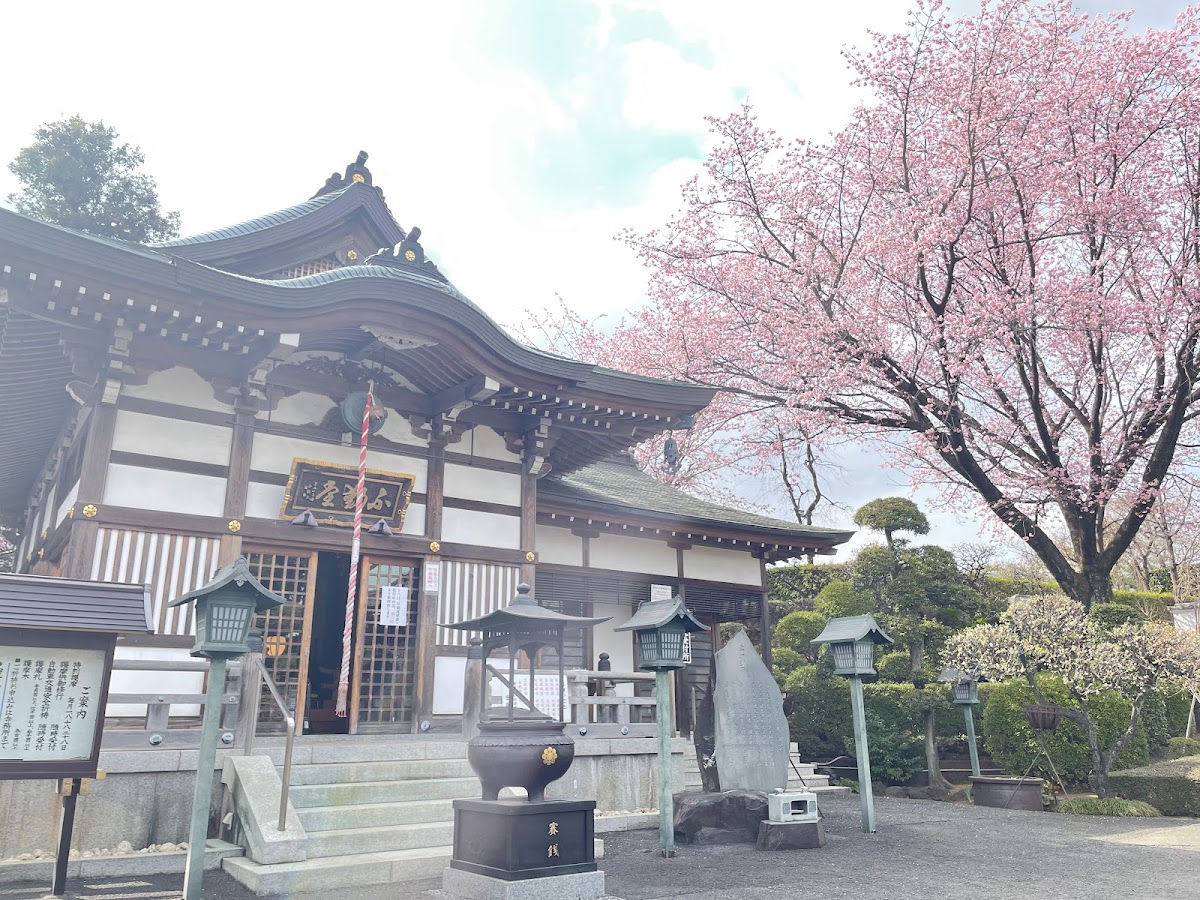
The main hall of Yakyū Inari Shrine is a magnificent building that conveys the beauty of traditional shrine architecture. The vermilion color of the shrine is characteristic of Inari shrines and evokes a sense of solemnity in worshippers.
Baseball-Related Offerings
Numerous baseball-related offerings can be seen on the shrine grounds. Bats, balls, and uniforms donated by professional baseball players and high school baseball players are displayed here, creating an atmosphere befitting a sacred place for baseball.
Ema Hanging Area
The ema hanging area is filled with numerous ema (votive tablets) wishing for victory in baseball games and participation in the Koshien tournament. Seeing wishes such as “Winning the Koshien tournament” and “May I become a professional baseball player” conveys the earnest hopes of the worshippers.
Kagura Hall
At the Kagura Hall within the shrine grounds, kagura (sacred dance) and other performances are offered during festivals. This is a valuable opportunity to witness traditional Shinto rituals up close.
Shrine Office
The shrine office, where you can receive goshuin (stamps), amulets, and ema, is a place that worshippers always visit. Amulets and ema related to baseball are also available.
Goshuin Information
How to Obtain a Goshuin
Yagyu Inari Shrine provides goshuin to worshippers. To receive a Goshuin (temple/shrine stamp), please visit the shrine office following these steps:
- First, complete your prayers at the main shrine.
- Present your Goshuincho (stamp book) at the shrine office.
- Pay the offering fee (usually 300-500 yen).
- Receive your Goshuin.
Goshuin Design
The Goshuin at Yagyu Inari Shrine features the shrine’s name and the date of visit written in ink, followed by a red stamp. It is characterized by its simple yet powerful calligraphy, and many people receive it as a memento of their visit.
Goshuincho (Stamp Book)
Yagyu Inari Shrine also offers original Goshuincho. Multiple designs are available, including baseball-themed designs and traditional Inari shrine designs.
Amulets and Gifts
Baseball Amulet
The representative amulet of Yagyu Inari Shrine is the “Baseball Amulet.” Many people receive it hoping for victory in games, injury prevention, and skill improvement. Many people carry them attached to their bags or gloves.
Victory Charm
The “Victory Charm,” wishing for victory in all kinds of competitions, not just baseball, is also popular. It’s given as a charm for various situations, such as exams, job hunting, and business negotiations.
Business Prosperity Charm
This charm, a traditional blessing of Inari shrines, is for business prosperity. It’s popular among business owners and entrepreneurs who wish for business success and increased sales.
Traffic Safety Charm
Charms for safe driving and cycling are also given. Many people receive them when purchasing a new car or obtaining a driver’s license.
Ema (Votive Tablet)
At Yagyu Inari Shrine, ema with baseball motifs are particularly popular. Unique designs are available, such as those depicting bats and balls, or ema shaped like home plates.
Annual Events and Festivals
New Year’s Visit
Every year from January 1st to 3rd, many worshippers visit the shrine for their first shrine visit of the year. The shrine grounds are bustling with people praying for good fortune and safety in the new year.
Setsubun Festival
On Setsubun (February 3rd), the Setsubun Festival is held. A bean-throwing ritual takes place, and the shrine is crowded with worshippers praying for protection from evil and good fortune.
Hatsuumasai Festival
On the first day of the horse in February, the Hatsuumasai Festival, the most important festival of the Inari Shrine, is held. It is a traditional festival praying for a bountiful harvest and business prosperity.
Annual Grand Festival
In autumn, the Annual Grand Festival is held, featuring traditional rituals such as a procession of portable shrines and the dedication of Kagura (sacred dance). The local community comes together to make the festival a success.
Shichi-Go-San Festival
In November, many worshippers visit the shrine for Shichi-Go-San (a traditional Japanese rite of passage for children). The shrine grounds are bustling with families praying for the healthy growth of their children.
How to Worship and Manners
Basic Worship Etiquette
Worship at Yakyu Inari Shrine follows the general etiquette of a Shinto shrine.
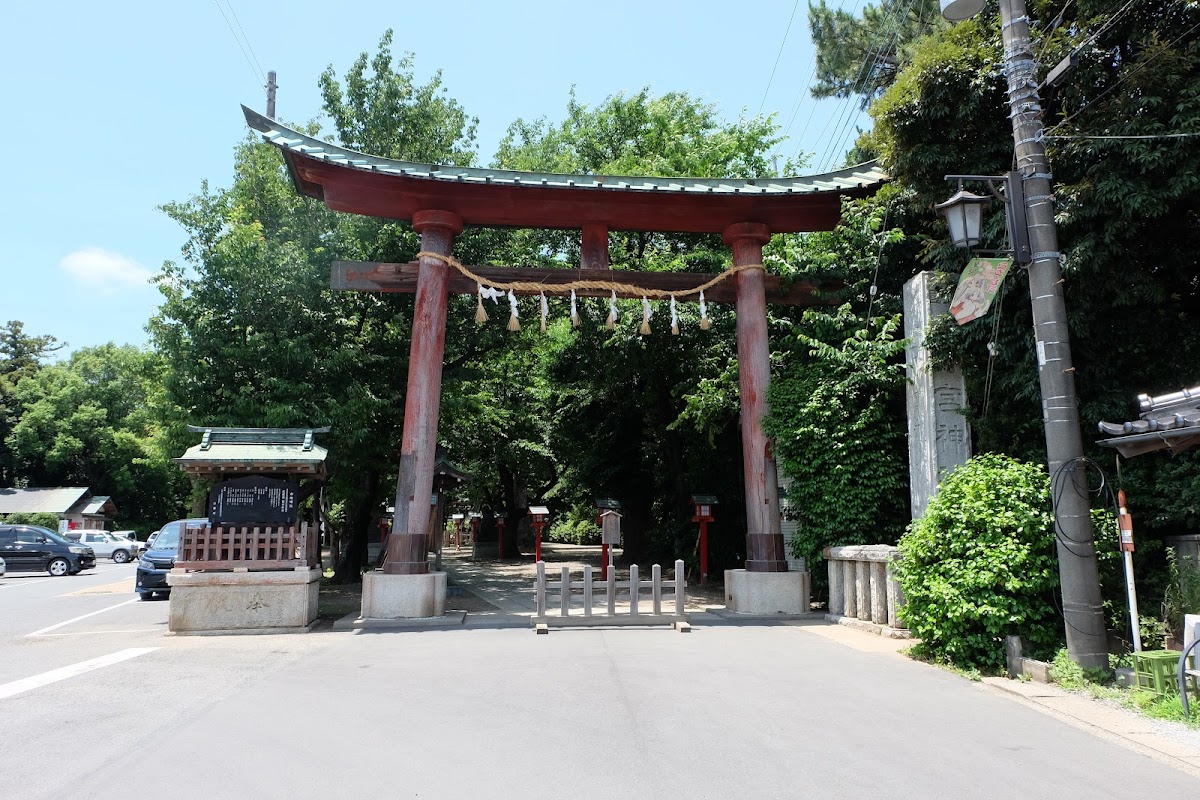
- Bow Before Passing Through the Torii Gate
The torii gate is the entrance to the sacred area. Bow slightly before passing through it.
- Purify at the Water Basin
Purify your hands and mouth at the water basin. Hold the ladle in your right hand, wash your left hand, switch to your left hand and wash your right hand, then switch back to your right hand, receive water in your left hand, and rinse your mouth.
- Avoid Walking in the Center of the Path
The center of the path is considered the path of the gods. Walk along the sides.
- Two Bows, Two Claps, One Bow at the Main Shrine
Place your offering, bow deeply twice, clap your hands twice, silently recite your wish, and finally bow deeply once more.
Attire for Visiting
There are no strict dress code regulations, but it is desirable to wear clean, understated clothing, being mindful that this is a sacred place.
Photography Etiquette
Photography is generally permitted on the shrine grounds, but please refrain from taking photos inside the main shrine or during prayers. Also, please be considerate of other visitors.
Access Information
Location
2-5-14 Yakyu-cho, Higashimatsuyama City, Saitama Prefecture 355-0016
Access by Train
Using the Tobu Tojo Line
- Get off at Higashimatsuyama Station on the Tobu Tojo Line, approximately 3 minutes on foot.
From Tokyo, it takes about 1 hour from Ikebukuro Station on the Tobu Tojo Line. Higashimatsuyama Station is a station where express trains also stop, making access very convenient. The shrine is within walking distance from the station, and there are signs guiding you, so you’re unlikely to get lost.
Access by Car
Using the Kan-Etsu Expressway
- Approximately 10 minutes from the Higashimatsuyama Interchange on the Kan-Etsu Expressway
Using National Route 254
- Accessible from along National Route 254
Parking
Yagyu Inari Shrine has a parking lot for visitors. However, it can become full during busy periods such as New Year’s Day and the annual festival, so using public transportation is recommended.
It is recommended to check with the shrine in advance regarding parking capacity and operating hours.
Nearby Tourist Attractions
Attractions in Higashimatsuyama City
When visiting Yagyu Inari Shrine, why not also explore other tourist attractions in Higashimatsuyama City?
Children’s Zoo and Nature Park
This is a large zoo housing approximately 200 species of animals. You can see rare animals such as koalas and kangaroos.
Iwadono Kannon Shobo-ji Temple
This ancient temple is known as the tenth temple of the Bando Thirty-Three Kannon Pilgrimage. The temple grounds, rich in nature, showcase beauty in every season.
Yoshimi Hyakketsu
This is a group of horizontal burial chambers from the Kofun period, designated as a national historical site. It’s a must-see spot for history buffs.
Higashimatsuyama Gourmet
Higashimatsuyama City is famous for its “yakitori” (grilled chicken skewers). The unique yakitori, made with pork head meat, is characterized by being eaten with spicy miso paste. Visiting a local yakitori restaurant after visiting Yagyu Inari Shrine is highly recommended.
Prayers and Exorcisms
Acceptance of Various Prayers
Yagyu Inari Shrine accepts various prayers.
- Prayer for Victory
- Prayer for Business Prosperity
- Prayer for Family Safety
- Prayer for Traffic Safety
- Prayer for Protection from Evil
- Prayer for Success in Exams
- Prayer for Safe Childbirth
- First Shrine Visit for a Newborn
- Shichi-Go-San (7-5-3 Festival)
How to Apply for Prayer
If you wish to have a prayer performed, please apply at the shrine office. Advance reservations may be required, so especially if you wish to have a group prayer or a prayer on a special date, it is recommended to confirm by phone in advance.
Offering Fee
The offering fee for prayers varies depending on the content of the prayer. Generally, it starts from 5,000 yen, but please contact the shrine directly for details.
History of Yakyu Inari Shrine
Origin of Founding
Yakyu Inari Shrine is said to have been founded in Wado 5 (712 AD). This year is also known as the year the Kojiki (Records of Ancient Matters) was completed, making it an important period in Japanese history.
The Rebellion of Minamoto no Yorinobu and Taira no Tadatsune
The story behind the shrine’s name dates back to the first year of the Chōgen era (1028) in the mid-Heian period. It is said that Minamoto no Yorinobu prayed for victory in this area to quell the rebellion of Taira no Tadatsune, and dedicated arrows and a bow, hence the shrine came to be called “Yakyu Inari Shrine” (Arrow and Bow Inari Shrine).
Due to this story, the shrine became known for its blessings of good fortune in battles and for granting victory, attracting the faith of samurai warriors.
Development during the Edo Period
During the Edo period, the shrine served as the principal guardian shrine of Hiki District in Musashi Province, attracting the deep faith of the local people. It was revered not only by merchants and farmers but also by the samurai class, leading to improvements to the shrine buildings and the enrichment of its festivals.
Modern Era
Even after the Meiji era, the shrine continued to exist as a central shrine in the region, attracting many worshippers. In the Showa era, the shrine’s name, “Yakyu,” became associated with baseball, leading to an increase in visits from people involved in baseball and strengthening its character as a “holy site for baseball.”
Currently, while preserving the traditional local beliefs, it has become a nationally recognized shrine dedicated to the god of baseball.
Frequently Asked Questions Regarding Visits
Visiting Hours
While the grounds of Yakyu Inari Shrine are generally open to visitors, the shrine office has limited hours. If you wish to receive a Goshuin (shrine stamp) or amulet, you must visit during the office’s operating hours.
Generally, the office hours are from 9:00 AM to around 5:00 PM, but these may vary depending on the season and day of the week. To ensure you receive a Goshuin or amulet, it is recommended to call ahead to confirm.
Group Visits
Group visits by baseball teams, companies, and other organizations are possible. Reservations are required for group prayers. Especially during the baseball season from spring to summer, many school baseball teams visit to pray for victory.
If you wish to make a group visit, it is recommended that you contact the shrine at least one week in advance to discuss the date, time, number of people, and the content of the prayer.
Bringing Pets
Regarding bringing pets to shrines, it is generally advised to refrain from bringing them onto the shrine grounds. However, small dogs in carrier bags may be permitted in some cases. It is recommended that you check directly with the shrine for details.
Accessibility
Regarding accessibility within the shrine grounds, there are some areas with steps, so if you wish to visit in a wheelchair, it is recommended that you consult with the shrine in advance. Staff may be able to provide assistance to the extent possible.
Summary
Yagyu Inari Shrine is a venerable shrine with a history of over 1300 years, yet it also attracts modern worshippers as a “holy ground for baseball,” making it a unique and appealing shrine.
In addition to the traditional Inari blessings of business prosperity and abundant harvests, Yagyu Inari Shrine is also famous for its blessings of victory and good fortune in competitions. It attracts a wide range of visitors, including those involved in sports such as baseball, as well as students and business professionals.
Conveniently located just a 3-minute walk from Higashimatsuyama Station on the Tobu Tojo Line, it’s easily accessible for a day trip from Tokyo. There are plenty of things to see, including Goshuin (shrine stamps), unique amulets, and baseball-related offerings.
Why not visit Yagyu Inari Shrine on various occasions, such as when you’re trying something new, before an important competition, or when you want to express your gratitude? You’re sure to feel the blessings backed by its history and tradition.
When you visit Higashimatsuyama City, be sure to stop by Yagyu Inari Shrine and experience its unique atmosphere and history. Baseball fans and non-fans alike will find the shrine’s charm appealing.