Complete Guide to Gandenji Temple (Ganden Kannon) | History, Highlights, and Access Information
Gandenji Temple, nestled in the mountains of Zushi City, Kanagawa Prefecture, is an ancient temple affectionately known as “Ganden Kannon.” As the second temple on the Bandō Thirty-Three Kannon Pilgrimage and a temple associated with the renowned author Izumi Kyōka, it attracts many worshippers and tourists. This article provides detailed information you should know before visiting, including the history of Gandenji Temple, highlights within the temple grounds, visiting information, and access methods.
What is Gandenji Temple (Ganden Kannon)?
Gandenji Temple, officially called “Kaiunzan Gandenji,” is a temple belonging to the Sōtō Zen sect. It is known as the only Sōtō Zen temple among the Bandō Thirty-Three Kannon Pilgrimage sites and is affectionately known as “Ganden Kannon” by locals.
Located on the mountainside beyond the residential area of Zushi City, it is surrounded by abundant nature. Especially during the early summer hydrangea season, the temple is bustling with many visitors as “Zushi’s Hydrangea Temple,” and its tranquil grounds are adorned with vibrant flowers.
History and Legends of Iwadono-ji Temple
Founded in the Yoro Era
The history of Iwadono-ji Temple dates back to the Nara period. According to temple tradition, in the 5th year of the Yoro era (721 AD), when the monk Tokudo visited this area, he encountered an old man who was an incarnation of Kumano Gongen, and learned that this place was a sacred site.
Several years later, the high priest Gyoki Bodhisattva visited this area and carved and enshrined a stone statue of the Eleven-Faced Kannon, which is considered the founding of Iwadono-ji Temple. Gyoki was a representative monk of the Nara period, known for developing temples and social projects throughout the country, and Iwadono-ji Temple was founded as one of them.
The Legend of Minamoto no Yoritomo and Iwadono Kannon
Iwadono-ji Temple has an interesting legend related to Minamoto no Yoritomo. In 1180, during the reign of Minamoto no Yoritomo, when he raised an army to overthrow the Taira clan, he was defeated at the Battle of Ishibashiyama and forced to flee.
According to legend, when Yoritomo prayed to Iwadono Kannon, the Eleven-Faced Kannon of Iwadono-ji Temple transformed into a white dove and guided him, allowing him to escape his pursuers. Because of this miraculous event, Yoritomo later developed a deep faith in Iwadono-ji Temple and dedicated himself to its restoration.
This legend continues to be passed down today as an anecdote demonstrating the miraculous power of Iwadono Kannon.
From the Middle Ages to the Edo Period
Iwadono-ji Temple flourished under the patronage of Minamoto no Yoritomo during the Kamakura period, but it also experienced a period of decline due to subsequent wars. However, as a sacred site of Kannon worship, the faith of the people continued uninterrupted.
In the Edo period, it was developed as the second temple of the Bando Thirty-Three Kannon Pilgrimage, attracting many pilgrims. The current Kannon Hall was rebuilt during the Edo period and preserves the architectural style of that time.
Significance as the Second Temple of the Bando Thirty-Three Kannon Pilgrimage
Iwadono-ji Temple is the second temple on the Bando Thirty-Three Kannon Pilgrimage. The Bando Thirty-Three Kannon Pilgrimage is a pilgrimage route that visits Kannon temples throughout the Kanto region. Following the first temple, Sugimoto-ji Temple (Kamakura City), Iwadono-ji Temple is visited by many pilgrims.
What is the Bando Thirty-Three Kannon Pilgrimage?
The Bando Thirty-Three Kannon Pilgrimage is a pilgrimage route said to have been established by Minamoto no Yoritomo, modeled after the Saigoku Thirty-Three Kannon Pilgrimage. “Bando” means “east of the slope,” referring to the Kanto region east of the Hakone checkpoint. The temples are scattered across one metropolis and six prefectures: Kanagawa, Tokyo, Saitama, Gunma, Tochigi, Ibaraki, and Chiba, centered around Kamakura.
Iwadono-ji Temple is the second temple on the pilgrimage route, following Sugimoto-ji Temple in Kamakura, and many pilgrims travel from Kamakura to Zushi to visit it.
Goshuin (Temple Seal) and Sutra Copying
Iwadono-ji Temple offers goshuin (temple seals) to visitors. The sutra copying office is located in the temple’s living quarters to the left after entering the main gate, where you can receive your goshuin. For those on the Bando Thirty-Three Kannon Pilgrimage, the Iwadono-ji goshuin is a valuable record.
The goshuin features the calligraphy of “Iwadono Kannon” and the temple’s seal. Many visitors receive the goshuin as proof of their pilgrimage and as a memento of their journey.
Kannon Hall and Highlights of the Temple Grounds
From the Main Gate to the Kannon Hall
Visiting Iwadono-ji Temple begins at the main gate, located at the end of a residential area. At the temple gate, there is a box for collecting the entrance fee; you pay 100 yen to enter the temple grounds. This fee is used for the maintenance and upkeep of the temple.
After passing through the temple gate, you will see over 120 stone steps leading up to you. These steps have a deep, historical feel, and with trees lush on both sides, the atmosphere is one of tranquility. As you climb the steps one by one, compose yourself and head towards the Kannon Hall.
Kannon Hall
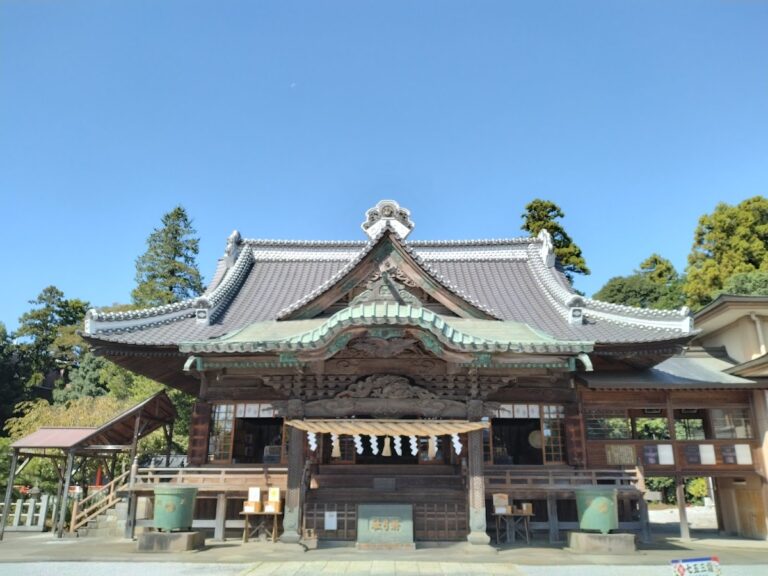
Upon reaching the top of the steps, the Kannon Hall appears before you. The current Kannon Hall was rebuilt during the Edo period and is characterized by its simple wooden architecture. Inside, the principal image, an eleven-faced Kannon statue, is enshrined, and visitors can offer their prayers in front of the hall.
The Kannon Hall, also known as the Old Kannon Hall, is a building of great historical value. Its harmonious appearance with the surrounding nature provides visitors with a sense of peace and tranquility.
Kyoka’s Pond and its Connection to Izumi Kyoka
Beside the Kannon Hall is a small pond called “Kyoka’s Pond.” This pond is associated with Izumi Kyoka, a renowned author who was active from the Meiji to Taisho periods.
Izumi Kyoka lived in Zushi for a period of time for recuperation and is said to have frequently visited Iwadono-ji Temple. Known for his mystical and fantastical style, Kyoka is believed to have been deeply drawn to the tranquil atmosphere of Iwadono-ji Temple and its devotion to Kannon.
Although small, Kyoka’s Pond has a charming atmosphere, and combined with the surrounding trees and moss-covered stones, it creates a fantastical ambiance. For Kyoka fans, it is a valuable spot to trace the footsteps of the literary giant.
Every year on May 5th, Iwadono-ji Temple holds the “Kyoka Festival,” an event commemorating Izumi Kyoka’s achievements.
Famous Hydrangea Spot
Iwadono-ji Temple is known as “Zushi’s Hydrangea Temple,” and in early summer, many hydrangeas bloom throughout the temple grounds and along the approach. The hydrangeas planted on both sides of the stone steps and around the Kannon Hall bloom in a variety of colors, including blue, purple, and pink, delighting visitors.
The best time to see the hydrangeas is usually from mid-June to early July, and during this period, many worshippers and tourists visit. The sight of the tranquil temple grounds adorned with vibrant colors is truly a quintessential early summer scene.
Other Attractions
Besides the Kannon Hall and Kyoka Pond, there are other attractions within the grounds of Iwadono-ji Temple. Stone Buddhas and Jizo Bodhisattvas are enshrined throughout the grounds, quietly watching over worshippers.
Furthermore, Iwadono-ji Temple is designated as the 89th temple of the Kanto 108 Jizo Pilgrimage, making it an important temple in terms of Jizo worship.
From the temple grounds, you can enjoy views of the town of Zushi and Sagami Bay, and on clear days, you can admire the beautiful scenery.
Annual Events and Memorial Services
Iwadono-ji Temple holds various memorial services and events throughout the year.
Regular Events
- 18th of every month: Kannon-e – A memorial service is held on the auspicious day of Kannon (Goddess of Mercy).
- Second Sunday of every month: Hōshin-kai – A gathering of believers is held.
Annual Events
- January 26th: Kōso Kōtan-sai – A memorial service celebrating the birth of Dōgen Zenji, the founder of the Sōtō Zen sect.
- February 15th: Butsu Nehan-e – A memorial service commemorating the passing of Shakyamuni Buddha.
- April 8th: Butsu Tanjō-e (Hanamatsuri) – A memorial service celebrating the birth of Shakyamuni Buddha.
- May 5th: Kyōka-sai – An event commemorating Izumi Kyōka.
These events are important opportunities to deepen the connection between the temple and the local community.
Visiting Information
Visiting Hours and Admission Fee
- Visiting Hours: Free entry to the temple grounds (the temple office is generally open from 9:00 to 16:00)
- Entrance Fee: 100 yen (to be placed in the box at the temple gate)
- Goshuin (Temple Stamp): Available at the temple office (Kuri)
Visiting Etiquette
Iwadono-ji Temple is still a functioning place of worship. Please observe the following etiquette when visiting:
- Visit in silence
- Refrain from eating or drinking on the temple grounds
- Take photographs with consideration for other visitors
- Do not touch plants or buildings
- Take all trash with you
Clothing and Belongings
Since you will be climbing stone steps, comfortable shoes and clothing are recommended. In summer, insect repellent is essential, and in winter, warm clothing is necessary. Those wishing to receive a Goshuin should bring their Goshuincho (stamp book).
Access Methods
Access by Train
From JR Yokosuka Line “Zushi Station” or Keikyu Zushi Line “Zushi-Hayama Station”
- Approximately 20 minutes on foot
- From the station, walk through the Zushi town area and proceed through the residential area to reach the temple gate.
- Guide signs are installed along the way.
Access by Bus
If using the bus from Zushi Station, you will need to walk from the nearest bus stop. However, even the bus stop closest to Iwadono-ji Temple is about a 10-minute walk away, so we recommend walking directly from the station.
Access by Car
- Approximately 10 minutes from the Zushi Interchange on the Yokohama-Yokosuka Expressway
- Parking: There is no dedicated parking lot, so please use nearby coin-operated parking lots.
- Caution is required when driving as the route goes through narrow residential streets.
Combining with Nearby Pilgrimage Sites
Those on the Bandō Thirty-Three Kannon Pilgrimage can combine their visit with Sugimoto-dera Temple (Kamakura City), the first pilgrimage site, or Anyō-in Temple (Kamakura City), the third pilgrimage site. Planning a route that efficiently visits pilgrimage sites in the Kamakura area is recommended.
Attractions Around Iwadono-ji Temple
Hiking Courses
Iwadono-ji Temple is one of the starting points for hiking courses in Zushi and Kamakura. The hiking course from Iwadono-ji Temple through Kinubariyama Mountain towards Kamakura is popular, allowing you to enjoy nature while exploring history.
Zushi City
From Iwadono-ji Temple to the area around Zushi Station, a calm townscape close to the sea unfolds. There are many spots where you can enjoy the natural beauty of the sea and mountains, such as Zushi Beach and Hiroyama Park.
Kamakura Area
Iwadono-ji Temple is about a 15-minute drive from Kamakura city center, and easily accessible by train. It’s recommended to combine a visit with a tour of Kamakura’s temples and shrines.
Best Season to Visit Iwadono-ji Temple
Hydrangea Season (June to Early July)
The best season to visit Iwadono-ji Temple is undoubtedly early summer when the hydrangeas are in full bloom. Colorful hydrangeas adorn the temple grounds, creating a photogenic landscape. However, since there are many visitors during this time, it’s best to aim for less crowded times, such as weekday mornings.
Fresh Green Season (April to May)
The fresh green season from spring to early summer is also recommended for visiting Iwadono-ji Temple. The green of the trees is beautiful, and you can enjoy your visit in the refreshing air. Visiting around the Kyoka Festival on May 5th is also a good idea. ### Autumn Foliage Season (November to Early December)
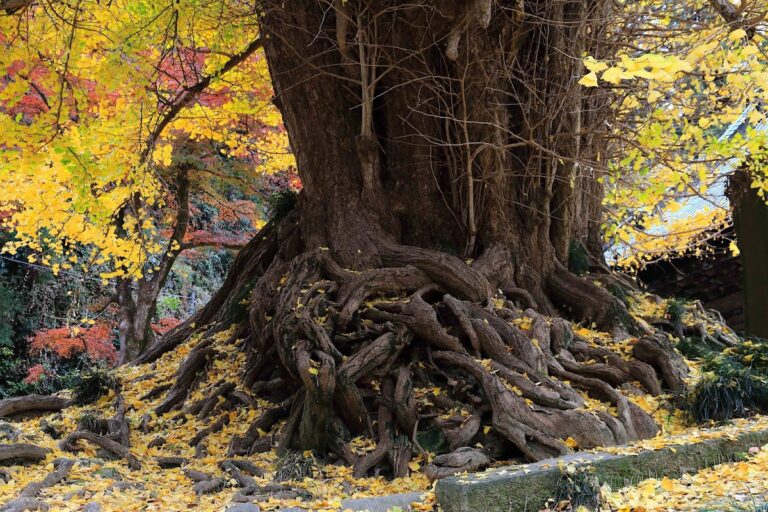
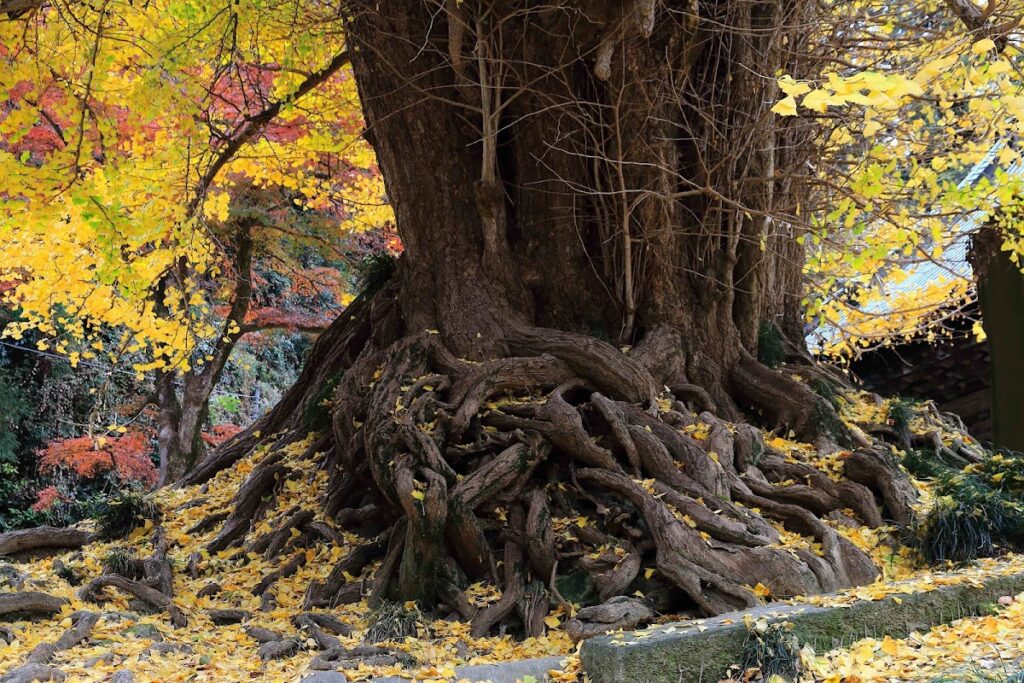
The autumn foliage season is not to be missed. The trees on the temple grounds change color, allowing you to enjoy the beautiful autumn leaves in a tranquil atmosphere. Compared to the hydrangea season, there are fewer visitors, allowing for a more leisurely visit.
Winter Silence
In winter, Iwadono-ji Temple has fewer visitors, allowing you to experience an even more tranquil atmosphere. The time spent quietly praying to Kannon in the crisp air will surely be a cleansing experience for the soul.
Summary of Iwadono-ji Temple’s Charms
Iwadono-ji Temple (Iwadono Kannon) is a historical temple founded during the Nara period and has attracted many followers as the second temple on the Bando Thirty-Three Kannon Pilgrimage. It is a temple with multifaceted charms, including its legends with Minamoto no Yoritomo, its connection to Izumi Kyoka, and its beauty as “Zushi’s Hydrangea Temple.”
Located at the top of a mountain path leading from a quiet residential area in Zushi, the temple grounds offer a tranquil space far removed from the hustle and bustle of the city, a place where one can find peace of mind during worship. The climb up the 120 stone steps provides a moment to shift one’s mind from the ordinary to the extraordinary, and the refreshing feeling upon reaching the Kannon Hall is exceptional.
This temple is worth visiting for a variety of reasons, including pilgrims of the Bandō Thirty-Three Kannon Pilgrimage, those enjoying historical walks in the Kamakura and Zushi area, fans of Izumi Kyōka, and those who simply want to admire hydrangeas.
Why not visit Iwadono-ji Temple on your next day off and experience history, nature, and the compassion of Kannon? It will surely be a memorable pilgrimage experience.
Basic Information
- Temple Name: Kaiunzan Gandenji
- Common Name: Iwadono Kannon
- Sect: Soto Zen
- Principal Image: Eleven-faced Kannon
- Pilgrimage Site: Second temple of the Bando Thirty-Three Kannon Pilgrimage, 89th temple of the Kanto One Hundred and Eight Jizo Pilgrimage
- Address: 5-7-11 Kuki, Zushi City, Kanagawa Prefecture
- Phone: 046-871-2268
- Entrance Fee: 100 yen
- Parking: None (Use nearby coin parking)
- Access: Approximately 20 minutes on foot from Zushi Station on the JR Yokosuka Line and Keikyu Zushi Line
*Please check official information before visiting, as events and visiting hours may change.