Complete Guide to Yakumo Shrine: A Thorough Explanation of the History and Blessings of Gion Faith Across Japan
What is Yakumo Shrine?
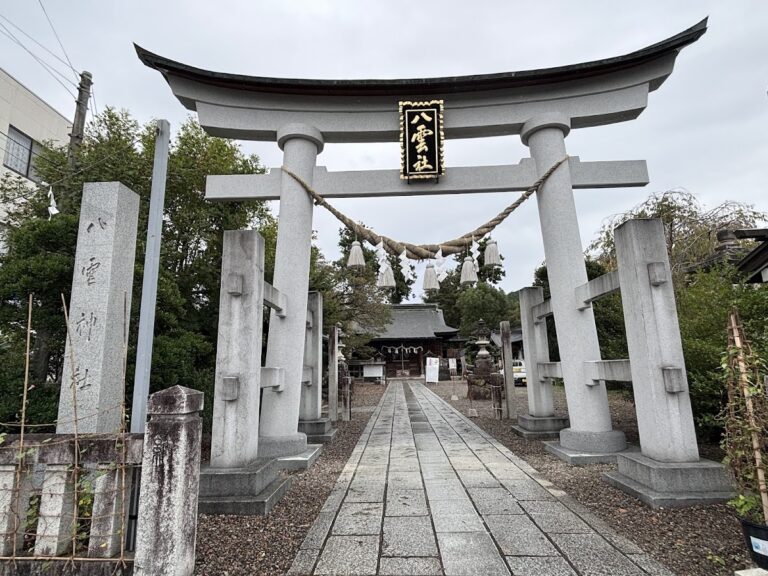
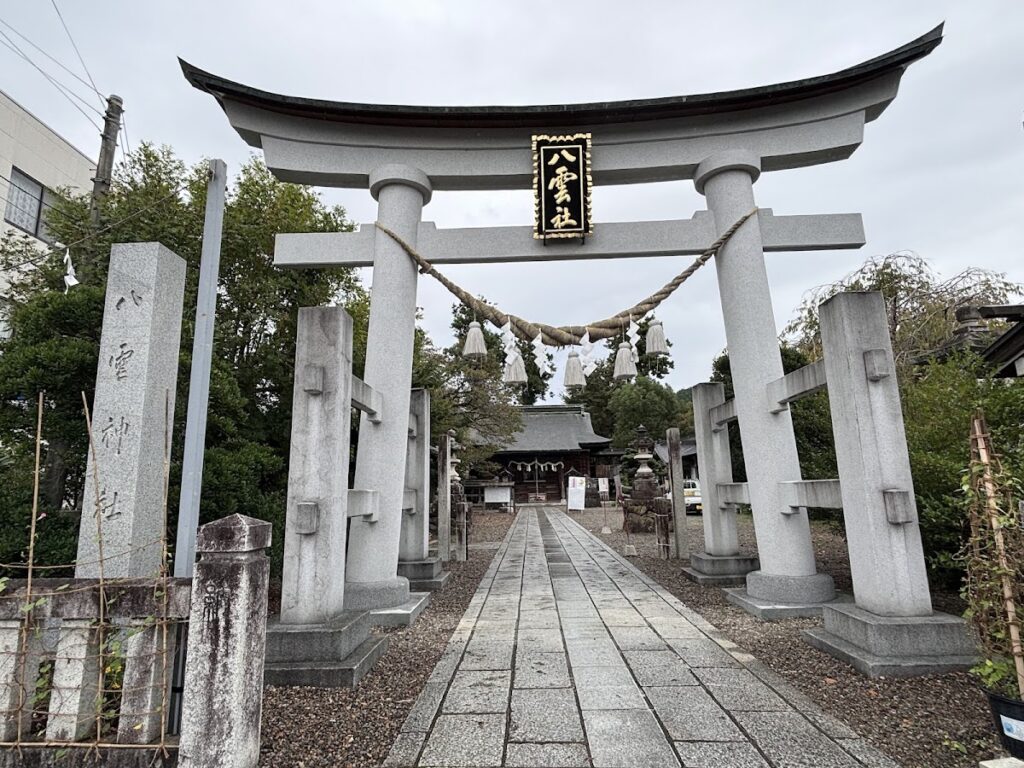
Yakumo Shrine is a general term for shrines based on Gion faith, with Susanoo-no-Mikoto or Gozu Tenno as the main deity. Shrines with the same name exist throughout Japan, each having long been revered as a guardian deity of its region.
The name “Yakumo” originates from the oldest known Japanese waka poem, “Yakumo tatsu Izumo yaegaki tsumagomi ni yaegaki tsukuru sono yaegaki wo,” attributed to Susanoo-no-Mikoto in Izumo Province. This poem is a monumental waka composed by Susanoo-no-Mikoto upon his marriage to Kushinada-hime after defeating the Yamata no Orochi (eight-headed serpent).
Yakumo Shrine is considered one of the most important shrines of the Gion faith, alongside Yasaka Shrine, Gion Shrine, Tenno Shrine, and Suga Shrine. It is particularly known for its blessings of protection against disease and misfortune, and continues to attract many worshippers today.
History of Yakumo Shrine and the Gion Faith
Origins of the Gion Faith
The Gion faith is a system of belief that spread during the Heian period, centered around the Gion Shrine (present-day Yasaka Shrine) in Kyoto. It took the form of syncretism of Shinto and Buddhism, with Gozu Tenno as the principal deity and Susanoo-no-Mikoto as a Shinto representation.
In 869 (Jōgan 11), when a major epidemic swept through Kyoto, the imperial court held a Goryōe (a ritual to appease vengeful spirits) at Shinsen-en Garden, erecting 66 spears—the number of provinces in the country at the time—to worship the deities of the Gion Shrine. This is considered the origin of the Gion Festival, and thereafter, the Gion faith spread throughout Japan as a deity that wards off epidemics.
Nationwide Expansion of Yakumo Shrines
In 870 (Jōgan 12), following the previous year’s epidemic, seven branch shrines of the Gion Shrine were established in major locations throughout Japan. It is believed that some of these branch shrines bore the name “Yakumo Shrine.”
Subsequently, from the medieval to the early modern period, Yakumo Shrines were successively founded by local lords and residents. Especially during the Edo period, Yakumo Shrines were widely established as guardian shrines for towns and villages, attracting the faith of ordinary people.
Separation of Shinto and Buddhism and Name Changes in the Meiji Era
With the Meiji Restoration, the worship of Gozu Tenno was prohibited by the Shinto-Buddhist Separation Order, forcing many Gion Shrines and Tenno Shrines to change their names. At this time, many shrines changed their names to “Yasaka Shrine,” “Yakumo Shrine,” “Suga Shrine,” etc.
Many shrines currently bearing the name “Yakumo Shrine” were formerly known as “Gion Shrine,” “Tenno Shrine,” or “Gozu Tenno Shrine” before the Meiji era. Conversely, some shrines that were formerly called “Yakumo Shrine” changed their name after the Meiji era.
Deities and Benefits of Yakumo Shrine
Main Deity: Susanoo-no-Mikoto
The main deity of Yakumo Shrine is Susanoo-no-Mikoto. In Japanese mythology, he is known as the younger brother of Amaterasu-Omikami and, despite his fierce nature, is known for his heroic exploits, such as slaying the Yamata no Orochi (eight-headed serpent). After descending to Izumo Province, he was revered as the god of nation-building.
Susanoo-no-Mikoto is worshipped as a god with the power to ward off epidemics, and festivals are often held, especially during the summer when epidemics are prevalent. He is also believed to offer a variety of benefits, including protection from misfortune, disaster, matchmaking, and agricultural protection. ### Enshrined Deities
Many Yakumo Shrines enshrine the following deities alongside Susanoo-no-Mikoto:
- Kushinada-hime-no-Mikoto: The wife of Susanoo-no-Mikoto. Benefits include matchmaking and marital harmony.
- Oonamuchi-no-Mikoto: Another name for Okuninushi-no-Mikoto, considered a descendant of Susanoo-no-Mikoto. Benefits include business prosperity and matchmaking.
- Inada-hime-no-Mikoto: Another name for Kushinada-hime-no-Mikoto. Benefits include abundant harvests.
Some shrines also enshrine local tutelary deities and deities invited from other shrines.
Main Benefits
The main benefits that can be received at Yakumo Shrine are as follows:
- Protection from Epidemics and Healing from Illness: The fundamental benefit of Gion faith
- Protection from Misfortune and Disaster: Protection through the strong divine power of Susanoo-no-Mikoto
- Matchmaking and Marital Harmony: The divine virtue of Susanoo-no-Mikoto and Kushinadahime-no-Mikoto as a married couple
- Abundant Harvests and Business Prosperity: The aspect of the deity as a god of nation-building in Izumo
- Academic Achievement: The cultural aspect as the founder of Waka poetry
- Family Safety: The role as a guardian deity of the region
Major Yakumo Shrines Nationwide
Yakumo Shrines in Hokkaido and the Tohoku Region
Yakumo Shrine (Yakumo Town, Hokkaido)
Yakumo Shrine, located in Miyazono-cho, Yakumo-cho, Futami-gun, Hokkaido, is a shrine belonging to the Hokkaido Shrine Association. This shrine is one of the shrines that was invited from Honshu during the Hokkaido pioneering era, and it has attracted worshippers along with the development of the region. It is revered as the guardian deity of the pioneers and as a god that wards off disasters in Hokkaido’s harsh natural environment.
Yakumo Shrines in the Kanto Region
Yakumo Shrine (Kamakura City, Kanagawa Prefecture)
Located in Omachi, Kamakura City, Yakumo Shrine is said to have been founded during the Eiho era (1081-1084) by Shinra Saburo Yoshimitsu, who invited the deity from Kyoto’s Gion Shrine. It is known as Kamakura’s oldest shrine for warding off evil. It is also affectionately known as “Gion-sama” and “Satake Tenno-sama” by the local people.
The Tenno Festival, held every July, is a summer tradition in Kamakura and attracts many worshippers. The shrine grounds contain a sacred tree hundreds of years old, and it is a shrine where worshippers can visit in a tranquil atmosphere.
Yakumo Shrine (Yamato City, Kanagawa Prefecture)
Yakumo Shrine is located in Yamato City, Kanagawa Prefecture, and is affiliated with the Kanagawa Prefectural Association of Shinto Shrines. It is revered as the local guardian deity and as a deity that wards off disease and misfortune.
Hachiman Yakumo Shrine (Hachioji City, Tokyo)
Located in the central urban area of Hachioji City, Tokyo, Hachiman Yakumo Shrine is a rare shrine that, as its name suggests, enshrines both Hachiman Shrine and Yakumo Shrine. It is widely revered as the guardian shrine of Hachioji, blending the Hachiman faith (dedicated to Emperor Ojin) and the Gion faith (dedicated to Susanoo-no-Mikoto).
Yakumo Shrine (Kita Ward, Tokyo)
Yakumo Shrine in Kita Ward, Tokyo, is a shrine with a long history as a guardian deity of the region. It is also introduced as a tourist spot in Kita Ward and is a central place of worship for local residents.
Yakumo Shrine (Nerima Ward, Tokyo)
Located in Nerima Ward, Tokyo, Yakumo Shrine belongs to the Tokyo Metropolitan Association of Shinto Shrines and continues to be worshipped as the local guardian deity. Even amidst increasing urbanization, it plays a central role in the local community.
Yakumo Shrines in the Chubu Region
Yakumo Shrine (Matsusaka City, Mie Prefecture)
Located in Hino-cho, Matsusaka City, Mie Prefecture, Yakumo Shrine is a historically significant shrine known as the “General Guardian Deity of Ise-Matsusaka.” It is believed to be one of seven shrines nationwide that were established in 870 AD (Jogan 12) when an epidemic spread throughout the country, having been invited from Kyoto’s Gion Shrine (present-day Yasaka Shrine).
As a particularly important shrine in the Matsusaka area, it continues to attract many worshippers. Due to its proximity to Ise Grand Shrine, many people visit it in conjunction with a pilgrimage to Ise.
Yakumo Shrine (Motegi Town, Tochigi Prefecture)
Located in Motegi Town, Haga District, Tochigi Prefecture, Yakumo Shrine is known as a central shrine in the region. It actively holds annual events and Shinto rituals, playing an important role in the preservation of local traditional culture. It is also renowned for its extensive selection of Goshuin (shrine stamps) and other offerings, as well as its courteous service to visitors.
Yakumo Shrines in the Chugoku Region
Several Yakumo Shrines exist in the Chugoku region, each attracting local devotion. In areas closer to Izumo Province, the connection to the Izumo mythology of Susanoo-no-Mikoto tends to be particularly emphasized.
Annual Events and Festivals of Yakumo Shrine
Nagoshi no Harae (Summer Purification Ritual)
The Nagoshi no Harae, held on June 30th, is a Shinto ritual to purify and cleanse away the impurities accumulated over the past six months. Many Yakumo Shrines hold a ritual called “Chino-wa Kuguri” (passing through a ring of reeds), where participants pass through the ring three times while chanting, “Those who perform the summer purification ritual in the month of Minazuki (June) will have their lives extended by a thousand years.”
Gion Festival/Tenno Festival
The Gion Festival or Tenno Festival, held in July, is the most important festival of Yakumo Shrines. Following the example of Kyoto’s Gion Festival, many shrines also hold processions of portable shrines and floats. This festival, praying for the eradication of disease, is a deeply rooted summer tradition in the community.
Annual Grand Festival
While the timing varies by shrine, the annual grand festival features Kagura (sacred dance and music) performances, portable shrine processions, and stalls, enveloping the entire community in a festive atmosphere.
Monthly Festival
The monthly festival, held on a specific day each month, is attended by parishioners and devotees who pray for the peace and prosperity of the community.
How to Visit and Etiquette at Yakumo Shrine
Basic Worship Etiquette
- Bow before passing through the torii gate: As a sign of respect before entering the sacred area.
- Purify yourself at the water basin: Purify your left hand, then your right hand, then your mouth, and finally wash the handle of the ladle.
- Avoid walking in the center of the path: The center is considered the path of the gods.
- Bow twice, clap twice, and bow once in front of the main hall: Bow deeply twice, clap your hands twice, and finally bow once.
- Bow once after leaving the torii gate: A farewell greeting to the gods.
Receiving a Goshuin (Shrine Seal)
Many Yakumo Shrines offer goshuin (shrine seals). Bring your goshuincho (seal book) and politely request one at the shrine office. It’s important to remember that goshuin are proof of your visit, not a collection.
Items Offered
Yakumo Shrine offers items such as amulets, talismans, and ema (votive tablets). A distinctive feature is the amulets specifically designed for warding off disease and misfortune.
Shrines with the former name Yakumo Shrine
Since the separation of Shinto and Buddhism in the Meiji era, many shrines have changed their names. Even if they now have different names, there are shrines throughout Japan that were formerly called “Yakumo Shrine,” or conversely, shrines that changed their names from “Tenno-sha” or “Gion-sha” to “Yakumo Shrine.”
When researching the history of a shrine, paying attention to its former name or alternative name can lead to a deeper understanding. Records of name changes can sometimes be found in ancient documents, ridgepole inscriptions, and local histories remaining at the shrine.
Yakumo Shrine and the Local Community
Parishioner System and Reverence Associations
Many Yakumo Shrines maintain the parishioner system as the local guardian deity. Parishioners cooperate in the maintenance and management of the shrine and the operation of festivals, and the shrine functions as a spiritual pillar of the community.
In recent years, the number of shrines organizing worship associations in addition to parishioners has also increased. The worship association, which includes believers from outside the local area, plays a vital role as an organization supporting the shrine’s activities.
The Role of Yakumo Shrine in Modern Times
Even in modern times, with increasing urbanization and population decline, Yakumo Shrine plays a crucial role as the center of the local community. Festivals serve as a place for intergenerational exchange and contribute to the transmission of traditional culture.
Furthermore, the shrine’s blessings for warding off epidemics are attracting renewed attention in the context of modern infectious disease control, and the number of worshippers visiting to pray for good health is increasing.
Practical Advice for Visiting Yakumo Shrine
Checking Access Information
Since Yakumo Shrines exist throughout Japan, it is important to check the exact location and access method before visiting. Be aware that there may be multiple shrines with the same name in some areas.
Best Time to Visit
While visits are possible year-round, visiting during festivals, New Year’s, or on days with special Shinto rituals such as the summer purification ceremony will allow you to experience the shrine’s atmosphere more fully. However, on days when crowds are expected, allow ample time for your visit.
Shrine Office Hours
If you wish to receive a Goshuin (shrine stamp) or other items, please check the shrine office hours in advance. Smaller shrines may not have a staff member permanently stationed there.
Photography Etiquette
Photography is generally permitted on the shrine grounds, but photography inside the main hall or during religious ceremonies may be prohibited. Please also be considerate of other visitors.
Summary: The Charm and Value of Yakumo Shrine
Yakumo Shrine, as an embodiment of the Gion faith with a history of over a thousand years, occupies an important position in Japanese religious culture. With Susanoo-no-Mikoto as its principal deity, these shrines, known for their blessings of warding off disease and misfortune, have been revered as local guardian deities throughout Japan.
Even after the change of shrine name during the Meiji era and modern social changes, Yakumo Shrine continues to function as a spiritual pillar for local communities. Traditional festivals and religious ceremonies serve as a place for cultural transmission across generations and are important elements in shaping local identity.
Each of the Yakumo Shrines scattered throughout Japan possesses its own unique history and characteristics, yet they are all united by the common foundation of Gion faith. Visiting one Yakumo Shrine will provide an opportunity to deepen your understanding of Japanese Shinto culture as a whole.
The faith in Yakumo Shrines, which began as a deity for warding off epidemics, continues to be a source of comfort for people praying for health and safety today. Please visit a Yakumo Shrine near you and experience its history and divine blessings.