
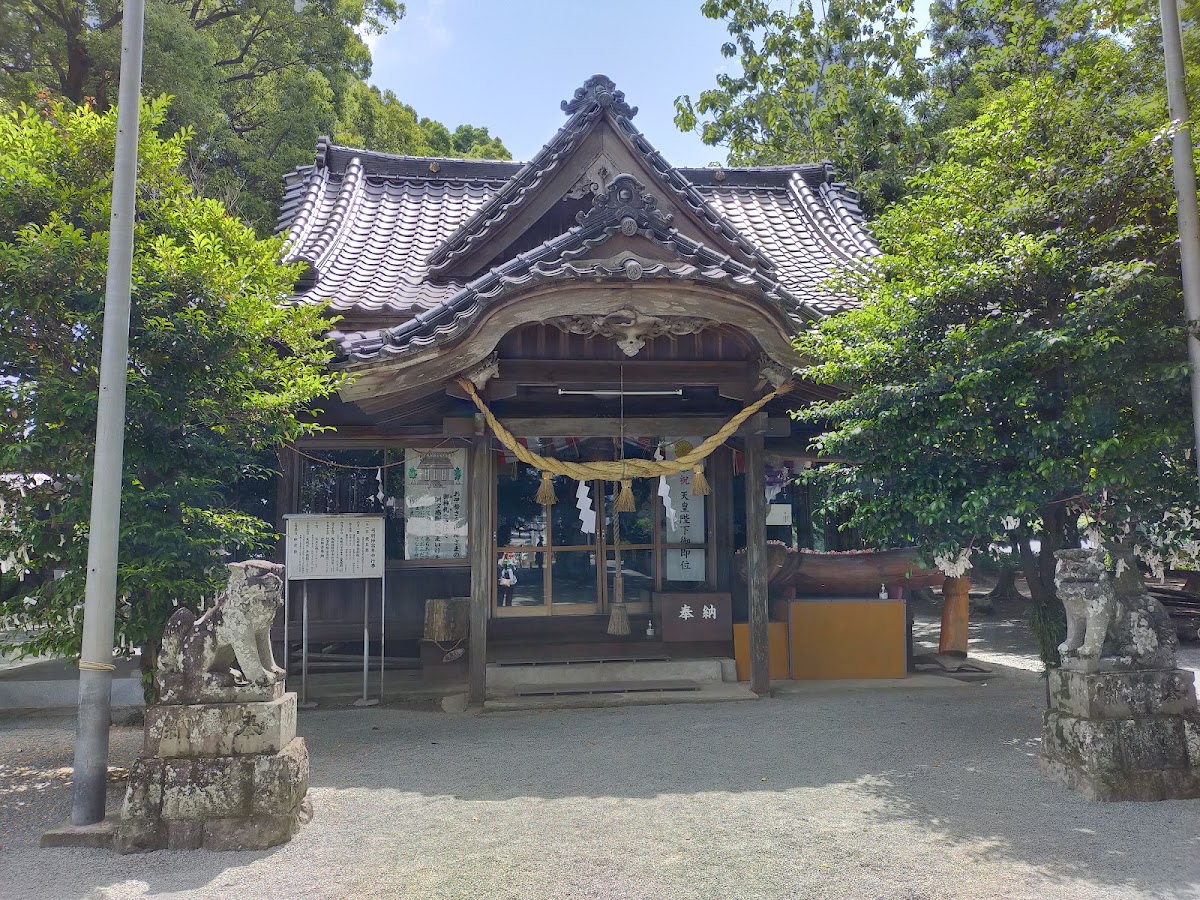
Complete Guide to Yuge Shrine | History, Benefits, Access, and Visiting Information
Yuge Shrines are historical shrines scattered throughout Japan, each with its own unique history and blessings. This article provides detailed information on the major Yuge Shrines nationwide, including their historical background, enshrined deities, blessings, access methods, and highlights for visitors.
What is Yuge Shrine?
The name Yuge Shrine is a general term for shrines originating from the ancient Yuge clan. The Yuge clan is considered a branch of the Mononobe clan and is known for producing the renowned monk Yuge no Dōkyō during the Nara period. Multiple Yuge Shrines exist throughout Japan, each deeply intertwined with the history of its region and serving as a place of worship.
The Relationship Between the Yuge Clan and Shrines
The Yuge clan played an important role in ancient Japan. Their name is said to originate from a group of people who “cut (made) bows,” possessing skills related to military affairs and religious rituals. Many Yuge Shrines were founded as the tutelary deities of the Yuge clan or as guardian deities of the regions they developed and governed.
The Yuge clan’s influence extended mainly throughout the Kinki region, and many shrines associated with them can be found in Osaka, Nara, and Kyoto prefectures. Furthermore, as members of the Yuge clan migrated to various locations, Yuge Shrines were also established in remote areas.
Major Yuge Shrines Nationwide
Yuge Shrine in Yao City, Osaka Prefecture
The Yuge Shrine in Yao City, Osaka Prefecture, is a historical shrine located in the area considered to be the birthplace of the Yuge clan.
Deities Enshrined
The main deity is said to be Nigihayahi-no-Mikoto. Nigihayahi-no-Mikoto is the ancestral deity of the Mononobe clan, and the Yuge clan is also enshrined here because they are related to this lineage. Some shrines also enshrine Yuge no Dōkyō or other ancestors of the Yuge clan.
History and Origins
While the exact founding date is unclear, this ancient shrine is believed to have existed at least since the Heian period. Although not listed in the Engishiki Jinmyocho (a list of shrines compiled in the Heian period), it has long been revered as the local tutelary deity.
The Yuge region was one of the centers of the ancient Kawachi Province, and agriculture flourished thanks to the abundant water resources of the Yamato River system. Yuge Shrine, as a guardian deity that has watched over the development and growth of this region, enjoys the fervent faith of the local residents.
Benefits
- Long-lasting military fortune and success in competitions: Due to the Yuge clan’s warrior nature, you can pray for success in competitions and contests.
- Family safety and protection of the community: As a guardian deity of the land, you can pray for the safety of your family and the prosperity of your community.
- Abundant harvest: As a guardian deity of agricultural areas, you can pray for a bountiful harvest.
- Good fortune and prosperity: You can pray for success in new ventures and life-changing events.
Access Information
Address: Yuge-cho, Yao City, Osaka Prefecture
Transportation Access:
- Approximately 15 minutes on foot from Kintetsu Osaka Line “Onchi Station”
- Approximately 20 minutes on foot from Kintetsu Osaka Line “Kawachi-Yamamoto Station”
- Approximately 10 minutes by car from Daini-Hanna Expressway “Ichibu IC”
Parking: Limited parking space available on the temple grounds or nearby.
Yuge Shrine in Ikoma District, Nara Prefecture
In Ikoma District, Nara Prefecture, there is a Yuge Shrine with deep ties to the Yuge clan.
Characteristics and History
The Ikoma region was also within the sphere of influence of the ancient Yuge clan and was an important area located on the border between Yamato Province and Kawachi Province. The Yuge Shrine in this area has long functioned as a center of local faith.
It is characterized by its tranquil atmosphere, surrounded by the natural beauty of the Ikoma mountain range. Ancient trees flourish within the shrine grounds, making it a beloved place to experience the changing seasons.
Deities and Benefits
Many Yuge Shrines in this region enshrine Nigihayahi-no-Mikoto as their main deity, and are believed to offer blessings for military success, good fortune, and family safety. It also has characteristics of a mountain god, attracting worshippers seeking safety during mountain climbing and harmony with nature.
Other Yuge Shrines
Yuge Shrines in Kyoto Prefecture
Shrines associated with the Yuge clan are scattered throughout Kyoto Prefecture. Yamashiro Province bordered Yamato Province and was within the Yuge clan’s area of activity. These shrines continue to be worshipped as small local shrines or by being enshrined together with other shrines.
Yuge Shrines in Aichi Prefecture
Yuge Shrines also exist in Aichi Prefecture, believed to have been founded when a branch of the Yuge clan migrated to the eastern provinces. They are worshipped as the local tutelary deity and clan deity.
How to Visit and Etiquette at Yuge Shrines
Basic Worship Etiquette
When visiting a Yuge Shrine, follow general shrine worship etiquette.
- Bow before passing through the torii gate: This shows respect for entering the sacred area.
- Purify yourself at the water basin: Purify your left hand, then your right hand, then your mouth, and finally purify your left hand again.
- Walk along the edge of the path: The center is considered the path of the gods.
- Worship at the main hall: Two bows, two claps, and one bow is the basic form.
- Bow upon leaving: After leaving the torii gate, turn around and bow once.
Suitable time for visiting
Shrines are generally recommended to be visited during the daytime. The morning, in particular, is considered a time when the energy is refreshing and suitable for worship. Since shrine offices are often closed in the evening, it is recommended to visit in the morning or early afternoon if you wish to obtain a goshuin (shrine stamp) or amulet.
Clothing and belongings
There are no specific dress code requirements, but clean clothing appropriate for visiting a sacred area is desirable. Avoid revealing or overly flashy clothing.
The following items are useful to bring:
- Small change (for offerings)
- Goshuincho (stamp book) (if you wish to receive a stamp)
- Camera (check where photography is permitted)
- Drinks (especially in summer)
Highlights of Yuge Shrine
Shrine Architecture
Many Yuge Shrines have developed as local tutelary shrines, so their size varies, but each possesses shrine architecture that evokes a sense of history.
Some older shrines retain architectural styles from the Edo and Muromachi periods, making them of high architectural historical value. Paying attention to the arrangement and decoration of the main hall, worship hall, and torii gate will allow you to understand the shrine more deeply.
Nature within the Shrine Grounds
Many Yuge Shrines are surrounded by a rich natural environment. The giant trees and sacred groves within the grounds have protected the sacred area for hundreds of years and are also attracting attention as power spots.
In particular, there are the following natural attractions:
- Sacred Trees: Ancient trees hundreds of years old are worshipped as sacred beings.
- Seasonal Flowers: Enjoy the beauty of each season, such as cherry blossoms, autumn leaves, and plum blossoms.
- Clear Streams: Some shrines have springs or streams flowing through them, creating a pure and serene atmosphere.
Stone Monuments and Memorials
Sometimes, stone monuments and memorials that tell the story of history are erected within the shrine grounds. These are inscribed with the history of the shrine and the region, and deciphering them deepens your understanding of the shrine.
Information on Amulets and Goshuin (Shrine Seals)
Types of Amulets
Various types of amulets are available at Yuge Shrine. While the specific types of amulets offered vary by shrine, the following are generally available:
- Victory Amulet: An amulet for good fortune in competitions and for long-lasting military success.
- Good Fortune Amulet: An amulet for general good fortune.
- Family Safety Amulet: An amulet for the health and safety of family members.
- Traffic Safety Amulet: An amulet for safe driving of cars and motorcycles.
- Academic Success Amulet: An amulet for academic improvement and passing exams.
- Exorcism Amulet: An amulet for warding off evil spirits and misfortune during unlucky years.
About Goshuin (Shrine Seals)
Goshuin are stamps and calligraphic inscriptions given as proof of worship. Yuge Shrine may also offer Goshuin.
Points to Note When Receiving a Goshuin (Shrine/Temple Seal):
- Always pray before receiving a Goshuin.
- Bring your Goshuincho (stamp book) (if you don’t have one, you may be given a pre-printed one).
- Prepare the offering fee (usually 300-500 yen).
- Visit during the shrine office’s reception hours (generally 9:00-17:00).
- Smaller shrines where the chief priest is absent may not offer Goshuin.
The Goshuin will include the shrine’s name, the date of visit, and the shrine’s seal. Collecting Goshuin is one of the joys of visiting shrines, but remember that it is a testament to faith, not a stamp rally, and treat it with respect.
Annual Events and Festivals
Yuge Shrine holds various festivals and events throughout the year. While the content varies depending on the shrine, here are some of the main events.
Annual Grand Festival
Many shrines hold their annual grand festival in the autumn (around October). This is the most important festival of the year, with a portable shrine procession, devotional performances, and stalls, making the entire community lively.
New Year’s Visit and Festival
From January 1st to 3rd, the shrine is bustling with worshippers celebrating the New Year and praying for a safe year. On New Year’s Day, the Saitansai (New Year’s Day Festival) is held to pray for peace in the coming year.
Setsubun Festival
Some shrines hold events such as bean-throwing during Setsubun in February. Worshippers visit to pray for protection from evil and good fortune.
Summer Purification Ceremony (Nagoshi no Harae)
This Shinto ritual, held around June 30th, purifies the impurities accumulated over the past six months and prays for good health and protection from illness for the remaining half of the year. Some shrines also hold a ritual of passing through a ring of reeds.
Other Events
- Monthly Festival: A regular festival held on a fixed day each month.
- Shichi-Go-San: A visit in November to celebrate the growth of children.
- Exorcism: People in their unlucky years receive prayers for protection against misfortune.
Tourist Attractions Around Yuge Shrine
Around Yao City, Osaka Prefecture
When visiting Yuge Shrine, you can also visit nearby tourist attractions.
Onchi Shrine: An ancient shrine within walking distance of Yuge Shrine, known as the second-ranked shrine of Kawachi Province.
Takayasu Mountain: A popular hiking course, offering panoramic views of the Osaka Plain from the summit.
Yao City Historical and Folk Museum: A facility where you can learn about the history and culture of the Kawachi region.
Around Ikoma District, Nara Prefecture
Ikoma Mountain: A representative mountain of the Kansai region, accessible by cable car to the mountaintop amusement park.
Hozanji Temple: A Shingon Ritsu sect temple located on the slopes of Mount Ikoma, worshipped as a god of business prosperity.
Kuragari Pass: One of Japan’s steepest passes on National Route 308, known as a historical mountain pass.
Tips and Points for Visiting Yuge Shrine
Mindset for Visiting a Shrine
Visiting a shrine is not just sightseeing; it is an act of purifying the heart and offering gratitude and prayers to the gods. Please visit the shrine with the following mindset:
- Gratitude: Be grateful for the peace and blessings of everyday life.
- Humble Attitude: Approach the shrine with a humble heart.
- Pure Heart: Cast aside evil thoughts and visit with a pure heart.
- Specific Wishes: Instead of vague wishes, envision specific goals and desires.
- Continued Faith: Don’t just visit once; revisit whenever possible and deepen your faith continuously.
Photography Etiquette
Photography is generally permitted on the shrine grounds, but please observe the following etiquette:
- Do not take photos in areas where photography is prohibited, such as inside the main hall.
- Be considerate of other worshippers.
- Refrain from taking photos during festivals and religious ceremonies, or obtain permission.
- When posting on social media, remember to be considerate of the shrine and other worshippers.
Points to Note Regarding Small Shrines
Some Yuge Shrines are small and do not have a resident priest. At such shrines:
- The shrine office may be closed.
- Goshuin (stamped seals) and amulets may not be available.
- The shrine grounds are often managed by local residents.
- Please keep the grounds clean and visit with respect.
Historical Significance of Yuge Shrine
Relationship between Ancient Clans and Shrines
Yuge Shrine is closely related to the ancient Yuge clan. In ancient Japan, powerful clans worshipped their own tutelary deities and prayed for family unity and prosperity through their faith.
The Yuge clan, as a branch of the Mononobe clan, played an important role in both military and religious affairs. Their bow and arrow manufacturing technology was particularly important militarily, and the name Yuge is thought to originate from this technology.
Yuge no Dokyo and the Yuge Clan
Yuge no Dokyo, a monk of the Nara period, was from the Yuge clan and wielded considerable power after gaining the trust of Empress Koken (Empress Shotoku). Dokyo rose to the rank of Pope and is said to have even plotted to ascend to the imperial throne at one point.
However, his ambitions were thwarted by the Usa Hachimangu Oracle Incident, and after the death of Empress Shotoku, he fell from power and was exiled to Shimotsuke Province. Following this incident, the power of the Yuge clan declined, but Yuge Shrine continued to exist as a local religious institution.
Yuge Shrine in the Medieval Period
In the medieval period, Yuge Shrine shifted from being the tutelary deity of the Yuge clan to being worshipped as a local guardian deity and protector. Yuge Shrines throughout the region became deeply rooted in local communities, revered as guardians of agriculture and protectors of village safety.
During the Edo period, it was established as a village shrine, and in the Meiji era’s shrine system, it was positioned as an important local shrine.
To Maximize the Blessings of Yuge Shrine
Regular Visits
To receive the blessings of the shrine, it is important to visit regularly, rather than just once. Making monthly visits (once a month) or several times a year a habit deepens your connection with the gods.
Visits of Gratitude
Not only are visits for making wishes important, but visits of gratitude when wishes are granted are also important. It is believed that reporting to the gods and expressing thanks will bring further blessings.
Daily Life Principles
It is important to live honestly not only when visiting shrines, but also in daily life. Living a moral life with honesty, diligence, and consideration for others forms the foundation for receiving the gods’ blessings.
Relationship with Your Local Guardian Deity
If Yuge Shrine is the guardian deity of your residential area, it is especially important to cherish it. Visiting to offer greetings when you move and visiting to report important life milestones will deepen your connection with the local community.
Research on Yuge Shrine and Future Challenges
Current State of Academic Research
Academic research on Yuge Shrine has been conducted as part of research on the Yuge clan. Archaeology, historical document studies, and folklore studies are gradually shedding light on the true nature of the Yuge clan and the establishment process of Yuge Shrine.
However, historical materials are limited for the small-scale Yuge Shrine, and its detailed history and changes remain largely unknown in many cases.
Challenges of Preservation and Succession
Small-scale local shrines often face difficulties in maintenance due to depopulation and an aging population. Yuge Shrine is no exception, and faces the following challenges:
- Deterioration of the shrine buildings and securing funds for repairs
- Shortage of personnel to conduct festivals
- Succession of the shrine’s history and traditions
- Aging of the chief priest and parishioners
To address these challenges, strong community ties, government support, and protection as cultural properties are needed.
Significance in the Modern Era
In modern society, shrines are not merely religious institutions, but also play a role in preserving regional identity and historical memory. Visiting Yuge Shrine offers a valuable opportunity to experience Japan’s history and culture, which has continued since ancient times.
Furthermore, the tranquil atmosphere of a shrine is valuable as a place to calm the mind amidst the hustle and bustle of modern life. Spending time in the shrine grounds, harmoniously integrated with nature, contributes to mental refreshment.
Summary
Yuge Shrines are historical shrines originating from the ancient Yuge clan, and are scattered throughout Japan. Each Yuge Shrine is deeply intertwined with local history and has been worshipped as a tutelary deity or guardian deity.
Main Features:
- Deities enshrined include gods of the Mononobe clan, such as Nigihayahi-no-Mikoto
- Benefits include military success, good fortune, and family safety
- Major shrines are located in Yao City, Osaka Prefecture, and Ikoma District, Nara Prefecture, among others
- An important cultural heritage site that conveys the history and culture of the region
When visiting:
- Observe basic worship etiquette
- Worship with gratitude
- Learn about local history and the shrine’s origins
- Visit regularly to deepen your connection with the deities
Visiting a Yuge Shrine is a valuable experience that allows you to connect with ancient Japanese history, understand local culture, and find inner peace. Please take the opportunity to visit the shrine and experience its history and blessings.
Even in modern times, Yuge Shrine plays an important role as a spiritual pillar of the local community and as a place to pass on traditional Japanese culture. It is our responsibility to cherish the shrine and pass on its value to future generations.

