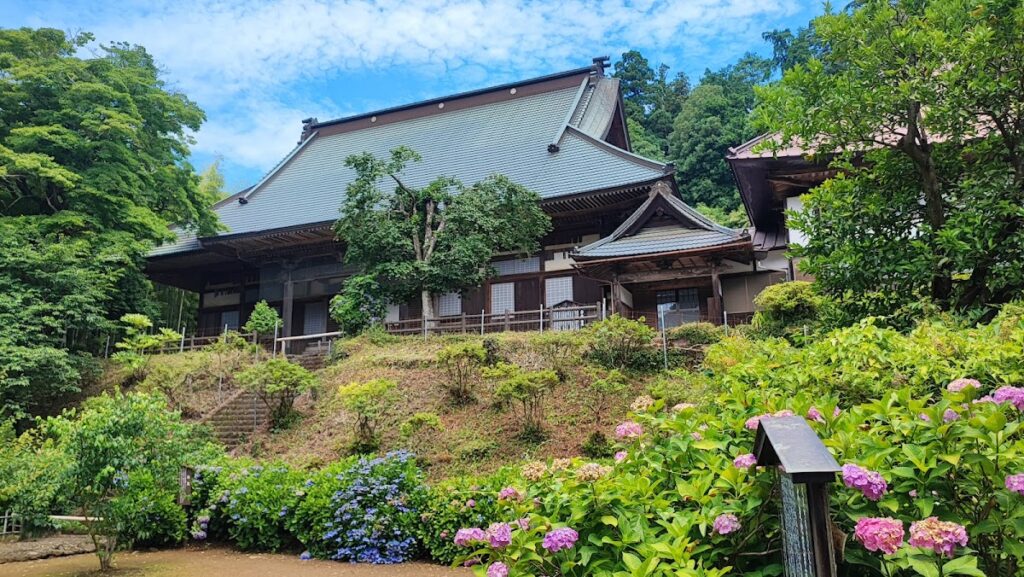
Daichuji Temple Complete Guide: A Famous Temple in Tochigi Woven with Seven Mysteries and History
About Daichuji Temple
Daichuji Temple is a Soto Zen Buddhist temple located in Nishiyamada, Ohira-machi, Tochigi City, Tochigi Prefecture. Its mountain name is Taiheizan, and it is known as a prestigious ancient temple that exerts influence over Soto Zen temples nationwide as one of the three major temples of the Kanto region. With its legends of the “Seven Mysteries” passed down within its grounds and its appearance in Ueda Akinari’s “Ugetsu Monogatari,” it is a historically significant temple attracting many worshippers and tourists, making it a representative tourist spot in Tochigi City.
Nestled in the tranquil embrace of the southern foothills of Taiheizan, it still retains a strong atmosphere as a Zen training ground, making it popular with history buffs, goshuin (temple stamp) collectors, and those who enjoy visiting power spots.
History of Daichuji Temple
From Founding to Restoration
The history of Daichuji Temple dates back to the late Heian period. During the Kyūju era (1154-1155), the temple was initially established as a Shingon Buddhist temple. However, over the long years that followed, the temple declined and remained in a state of dilapidation.
A turning point came in the first year of the Entoku era (1489) during the Muromachi period. Koyama Seicho, a powerful local clan leader, invited Zen Master Kaian Myōkei to be the founding abbot, and the temple was rebuilt as a Sōtō Zen temple. This rebuilding marked a new chapter in Daichūji Temple’s history.
Patrons of the Sengoku Period
After its rebuilding, Daichūji Temple attracted fervent devotion from famous warlords of the Sengoku period. In particular, Uesugi Kenshin, the “Dragon of Echigo,” patronized Daichūji Temple and contributed to its development, as recorded in historical documents. As a Zen temple that served as a spiritual haven for Sengoku warlords, Daichūji Temple established itself as a religious center in the region.
Deep Ties with the Tokugawa Family
During the Edo period, Daichuji Temple received special patronage from the Tokugawa family. After Tokugawa Ieyasu’s transfer to the Kanto region, Daichuji Temple was appointed to the position of Kanto Eight Provinces Monk’s Record (an important position overseeing personnel) within the Soto Zen sect. This was an extremely important position, giving it the authority to manage personnel matters for Soto Zen temples in the Kanto region.
Furthermore, Daichuji Temple became one of the three major Soto Zen temples in the Kanto region, overseeing all Soto Zen temples nationwide. The three major temples in the Kanto region refer to the three largest Soto Zen temples, and Daichuji Temple, as the foremost of them, gained significant influence in the religious world. This deep connection with the Tokugawa family greatly contributed to the enrichment of Daichuji Temple’s buildings and cultural assets.
The Seven Mysteries of Daichuji Temple
One of Daichuji Temple’s greatest attractions is the legend of the “Seven Mysteries” passed down within its grounds. These mysterious stories have been told since the Edo period and continue to fascinate visitors.
1. The Ever-Burning Hearth
This legend tells of a hearth in the temple kitchen that never lost its fire. Used to prepare meals for the monks, this hearth was said to be constantly warm due to some mysterious power, symbolizing the temple’s prosperity.
2. The Oil Slope
This slope leading to the temple grounds is said to become incredibly slippery after rain, as if oil had been spilled on it. Records show many visitors losing their footing on this slope, suggesting some kind of geological feature.
3. The Rootless Wisteria
The most famous of the seven mysteries of Daichūji Temple is the “Rootless Wisteria.” It’s a miraculous story of a wisteria tree growing from a staff that Zen Master Kaian Myōkei planted in the ground when he rebuilt the temple. This legend is also mentioned in the “Blue Hood” chapter of Ueda Akinari’s masterpiece, *Ugetsu Monogatari*, and became known throughout Japan through Edo period literature.
Despite lacking roots, the wisteria, which blooms with beautiful flowers, has attracted the faith of many as a symbol of the mysterious power of Buddhism.
4. The Horse’s Head Well
There is a legend that if you look into the water of this well on the temple grounds, you will see the reflection of a horse’s head. There are various legends surrounding this well; one theory says that the spirit of a horse that lost its life in battle resides there, while another theory says that the water god appears in the form of a horse.
5. The Unopened Toilet
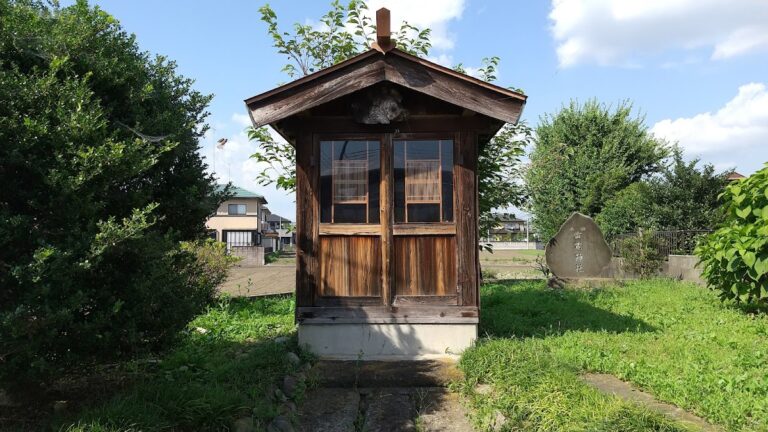
This toilet is said to be absolutely forbidden to open. There is a legend that opening this door will bring disaster, and it has been sealed for many years. The mystery of what is hidden inside remains unsolved.
6. Higashiyama One-Bite Clapper
This is a mysterious clapper whose sound resonates far away with just one strike. It is said to have been used to tell the time to the monks in training, and its sound is said to have echoed throughout Mount Taihei.
7. The Pillow-Turning Room
This is a room in the temple lodging where a strange phenomenon occurs: the pillows in the middle of the night change direction on their own. Many guests have recorded this mysterious experience, which is attributed to either a spiritual entity or an optical illusion caused by the building’s structure.
These seven mysteries are not merely ghost stories; they also serve as narratives that convey the temple’s history and Buddhist teachings. Visiting these places while exploring the temple grounds allows you to experience the profound history of Daichuji Temple.
Highlights of the Temple Grounds
Main Gate
The magnificent main gate, a symbol of Daichuji Temple, welcomes visitors with a solemn atmosphere. This gate, with its architectural style unique to Soto Zen temples, retains many features of Edo period architecture and is highly valued as a building. The moment you pass through the gate, you can feel as if you are stepping from the secular world into a sacred realm.
Main Hall
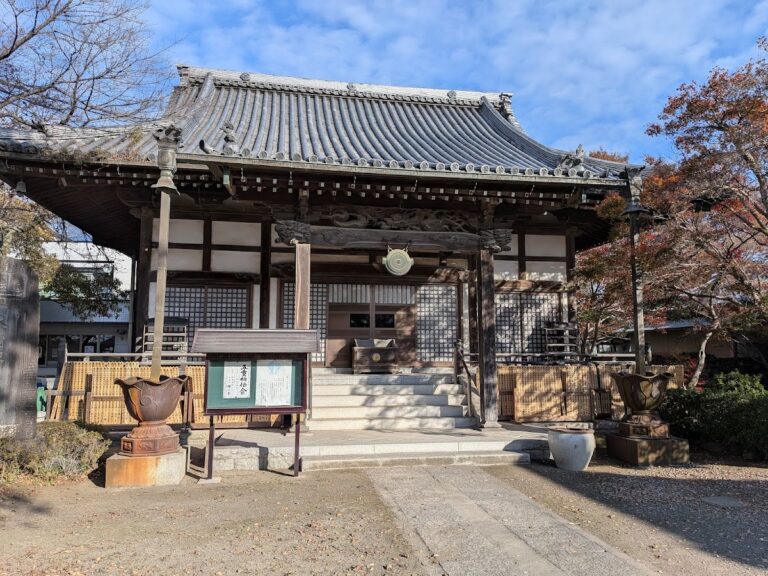
The main hall is the central building of Daichuji Temple and houses the principal image of worship. The main hall houses memorial tablets of successive head priests and items donated by the Tokugawa family, attesting to the temple’s high status. The simple yet dignified space, characteristic of a Zen temple, soothes the hearts of visitors.
The Monks’ Quarters and Study
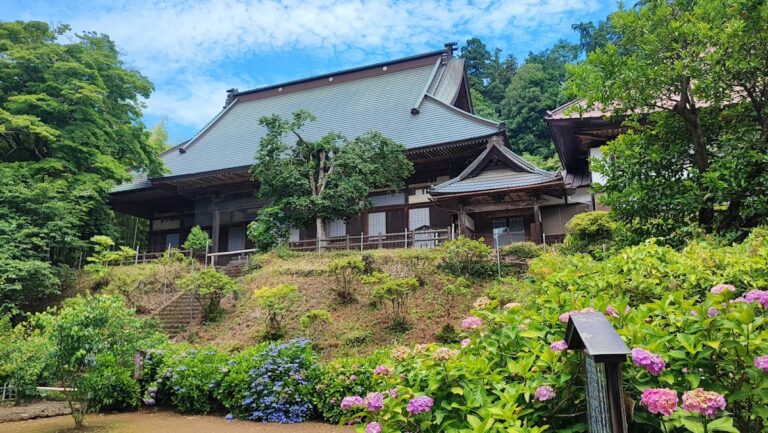
It may be possible to visit the monks’ quarters (kuri) where the trainee monks live, and the study (shoin), used for receiving guests and religious ceremonies. These buildings offer a glimpse into the daily life of a Zen temple that has continued since the Edo period.
Nature within the Temple Grounds
Located at the southern foot of Mount Taihei, the grounds of Daichuji Temple are surrounded by abundant nature. Visitors can enjoy beautiful scenery throughout the seasons: cherry blossoms in spring, fresh greenery in early summer, and vibrant autumn leaves. The temple is particularly popular with tourists during the autumn foliage season and is known as one of Tochigi City’s representative autumn leaf viewing spots.
Ugetsu Monogatari and Daichuji Temple
The legend of the “rootless wisteria” of Daichuji Temple appears in the chapter “The Blue Hood” of Ugetsu Monogatari, a collection of supernatural tales by Ueda Akinari, a literary giant of the Edo period. This story depicts a monk suffering from worldly desires who is saved by the teachings of Zen Master Kaian Myōkei, showcasing the miraculous power of Daichuji Temple and the high virtue of the Zen master.
Ugetsu Monogatari is particularly highly regarded among Edo period literary works and remains popular with many readers today. Its appearance in this masterpiece made Daichuji Temple known throughout Japan, and it came to be recognized as an important setting in literary history.
For literature fans, actually visiting the setting of a work is a special experience. When visiting Daichuji Temple, we highly recommend reading Ugetsu Monogatari beforehand.
Goshuin Information
Goshuin (temple stamps) are available at Daichuji Temple. The Goshuin (temple stamp) of this prestigious temple, one of the three most important temples in the Kanto region, is highly popular among Goshuin collectors, attracting many visitors seeking this special stamp.
The Goshuin features the calligraphy of “Taiheizan Daichuji” and the temple’s seal. Each stamp has its own unique character depending on the calligrapher, offering a different experience each time you visit. Bring your Goshuincho (stamp book) and be sure to collect one as a memento.
When requesting a Goshuin, it is customary to do so at the main hall or temple’s living quarters after completing your prayers. A fee of approximately 300 to 500 yen is also expected.
Access Information
Location
252 Nishiyamada, Ohira-machi, Tochigi City, Tochigi Prefecture
Access by Train
- Approximately 15 minutes by car from Tochigi Station on the JR Ryomo Line and Tobu Nikko Line
- Approximately 10 minutes by car from Shin-Ohirashita Station on the Tobu Nikko Line
If using public transportation, taking a taxi from Tochigi Station is convenient.
Access by Car
- Approximately 15 minutes from Tochigi IC on the Tohoku Expressway
- Approximately 20 minutes from Sano-Fujioka IC on the Tohoku Expressway
Located at the southern foot of Mt. Taihei, it requires driving up a mountain road. Entering the address into your car navigation system will ensure a smooth arrival.
Parking Information
There is a parking lot for visitors on the temple grounds. It is free to use, but it can get full during peak seasons such as autumn foliage season, so it is recommended to visit with plenty of time to spare. The main hall is a few minutes’ walk from the parking lot.
Basic Information for Visiting the Temple
Visiting Hours
While you can generally visit the temple grounds freely, it is recommended to contact the temple in advance if you wish to view the interior of the buildings. General visiting hours are from 9:00 AM to around 5:00 PM.
Admission Fee
Entry to the temple grounds is free. However, an admission fee may be required for special viewings or viewing the interior of buildings.
Clothing and Items to Bring
When visiting a temple, avoid revealing clothing and wear modest attire. Since the temple grounds are located on a hillside, comfortable walking shoes are recommended. Insect repellent is recommended in summer, and warm clothing is essential in winter.
Those wishing to receive a temple stamp should bring their stamp book. Those wishing to take photographs should bring their camera. However, photography of the interior of buildings and the main image may be prohibited, so always check before taking pictures.
Nearby Tourist Attractions
When visiting Daichuji Temple, combining your visit with a tour of nearby tourist attractions will enhance your Tochigi sightseeing experience.
Taiheizan Shrine
Located on Mount Taihei, the same mountain as Daichuji Temple, this shrine is known for its beautiful cherry blossoms and hydrangeas. From the mountaintop, you can enjoy a panoramic view of the Kanto Plain, and the sunset views are particularly stunning. It’s about a 10-minute drive from Daichuji Temple.
Tochigi City’s Traditional Storehouse District
This historical district preserves the atmosphere of Edo and Meiji-era storehouses. Designated as an Important Preservation District for Groups of Traditional Buildings, simply strolling through it allows you to experience the charm of the Edo period. It’s about a 20-minute drive from Daichuji Temple.
Kinryuji Temple
Another ancient temple in Tochigi City, its beautiful garden is a highlight. Visiting it along with Daichuji Temple will give you a deeper understanding of Tochigi’s temple culture.
Points to Note When Visiting Daichuji Temple
Please Observe Respectful Manners During Your Visit
Daichuji Temple is a living temple where monks still reside. Please maintain silence during your visit and be considerate so as not to disturb their training. Please refrain from loud conversations and running around.
Regarding Photography
Photography is generally permitted within the temple grounds, but photography inside buildings and of Buddhist statues may be prohibited. Please be sure to check before taking pictures. Also, when posting on social media, please be considerate and avoid anything that would detract from the temple’s dignity.
Seasonal Highlights
Dainaka-ji Temple displays different expressions throughout the seasons: cherry blossoms and fresh greenery in spring, deep green in summer, autumn leaves in fall, and snowscapes in winter. Especially during the autumn foliage season, crowds are expected, so we recommend visiting earlier in the day.
Summary
Dainaka-ji Temple is a representative ancient temple of Tochigi City with a history of over 800 years since its founding during the Kyūju era. With its prestige as one of the three major temples of the Seki region, its deep connection to the Tokugawa family, and the legend of its seven mysteries, this temple possesses many attractions and is a must-see spot for history buffs, goshuin (temple stamp) collectors, and those who enjoy visiting power spots.
The seven mysteries of Daichuji Temple, including the legend of the “rootless wisteria” from *Ugetsu Monogatari*, stimulate the imagination of visitors and offer a deeper experience than mere sightseeing. In the tranquil environment at the southern foot of Mount Taihei, you can experience the spirit of Zen and spend time calming your mind.
When you visit Tochigi City, be sure to visit Daichuji Temple and experience its history, legends, and beautiful nature. The experience of exploring the temple grounds while unraveling the mysteries of the seven wonders will surely become an unforgettable memory.