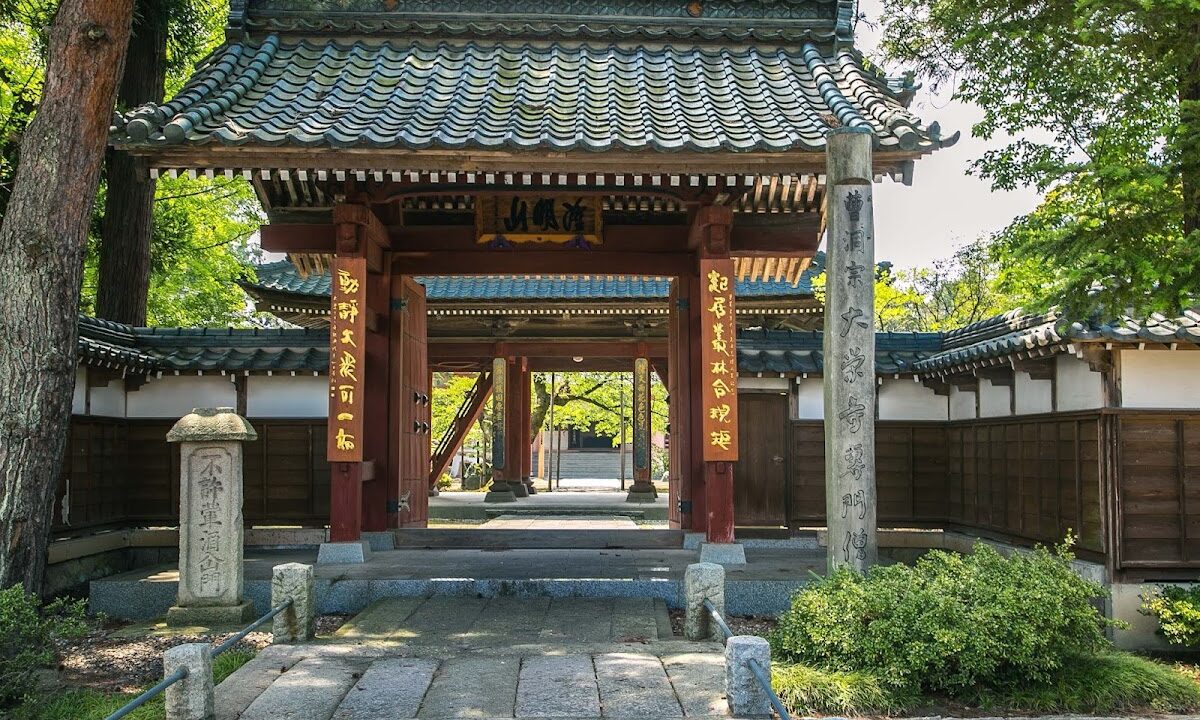
Daiei-ji Temple (Niigata Prefecture, Konan Ward) Complete Guide: From History and Zen Meditation Experience to the Mizoguchi Family Cemetery and Bean-Throwing Festival
Located in Sawami, Konan Ward, Niigata City, Ryūmeizan Daiei-ji Temple is known as a major training ground for the Soto Zen sect and is an important Zen training center in the Hokuriku region. Despite its convenient location just a 1-2 minute walk from the Northern Culture Museum, this temple maintains a solemn atmosphere, boasting approximately 400 years of history, numerous cultural assets, and a continuing tradition of ascetic practice.
This article comprehensively introduces information you should know before visiting Daiei-ji Temple, including its detailed history, highlights of the grounds, information on Zen meditation experiences, annual events, and access methods.
History of Daiei-ji Temple: From the Merger of Three Temples to the Present
Founding History and the Mankō-in Era
The origins of Daiei-ji Temple date back to Tenbun 4 (1535). At that time, it is believed that the temple’s origins lie in the establishment of a hermitage by Ito Sukesato, where he enshrined a statue of Kannon Bodhisattva. This hermitage was initially called “Mankoin” and received patronage as the family temple of Yoshida Gyobu-no-suke, the local lord, leading to its great prosperity.
Mankoin developed as a center of faith in the region and as a temple with strong ties to the samurai class.
Kan’ei 8 (1631): The Birth of Daiei-ji Temple through the Merger of Three Temples
Daiei-ji Temple took its current form in Kan’ei 8 (1631). Ito Sagoemon invited Shozan Zen’etsu, the 11th abbot of Kannon-ji Temple in Kusumizu Village, Murakami Domain (present-day Murakami City), to merge Mankoin, Gokuraku-ji, and Tokusen-ji temples, renaming them “Daiei-ji” and officially establishing the temple.
This integration laid the foundation for Daiei-ji Temple’s development from a mere local temple to an important training center of the Soto Zen sect. Under the guidance of Abbot Shōzan Zen’etsu, a system for Zen training was established, and thereafter, it became a venerable Zen training center in the Hokuriku region, producing many Zen masters.
Development as a Grand Training Center for Selected Soto Zen Masters
Throughout the Edo period, Daiei-ji Temple established its reputation as a grand training center for selected Soto Zen masters and a venerable Zen training center in Hokuriku. “Selected Buddhas” refers to a place for training outstanding monks, and Daiei-ji Temple produced numerous high-ranking monks who went on to serve as abbots and leaders in temples throughout the region.
Even today, Daiei-ji Temple functions as a specialized training center of the Soto Zen sect, and one can see monks diligently engaged in rigorous training. This tradition has been passed down uninterrupted for approximately 400 years, and it is considered a valuable training center within Niigata Prefecture.
Highlights and Cultural Assets within the Temple Grounds
Sawami Domain Lord Mizoguchi Family Mausoleum: A Historically Valuable Site
Within the grounds of Daiei-ji Temple lies the mausoleum of the Mizoguchi family, lords of the Sawami Domain. Sawami was a region ruled by the Mizoguchi family during the Edo period, and the fact that the family’s tombs are located at Daiei-ji Temple speaks to the deep trust the temple enjoyed from influential figures in the region.
The Mizoguchi family mausoleum is of high historical value and is an important historical site for understanding Edo-period samurai culture and the history of the region. The style and arrangement of the tombstones offer a glimpse into the samurai funeral customs of the time.
Visitors can quietly observe the mausoleum, but it is important to remember that it is a sacred place and to treat it with respect.
Basho Haiku Monument: The Footsteps of a Haiku Master
A haiku monument to Matsuo Basho is also erected within the temple grounds. Basho visited the Niigata area during his journey chronicled in “The Narrow Road to the Deep North,” and traces of his literary footsteps remain at Daiei-ji Temple.
The haiku monument, weathered by the elements, continues to convey the words of the haiku master to future generations. It’s a must-see spot for anyone interested in literature or haiku enthusiasts. The area around the monument is enveloped in a tranquil atmosphere, allowing visitors to feel the worldview expressed in Basho’s poetry.
Main Hall and Temple Gate: Magnificent Temple Architecture
The main hall of Daiei-ji Temple boasts a magnificent structure typical of a Soto Zen temple. While the interior is simple, reflecting its function as a training ground, it is a space that strongly reflects the spirit of Zen.
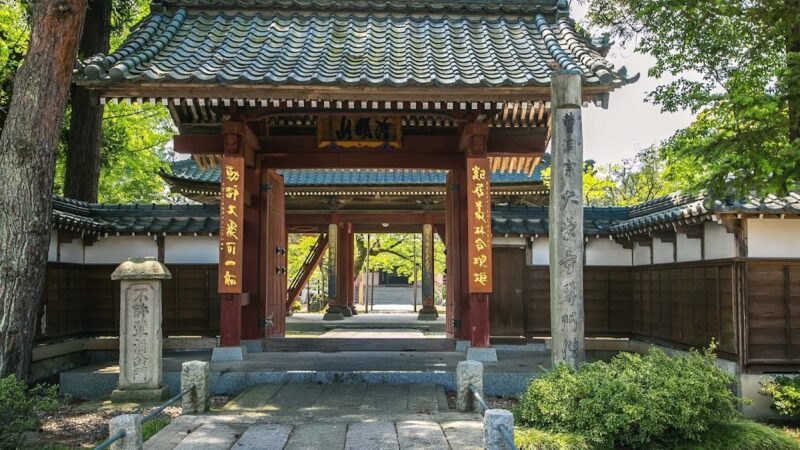
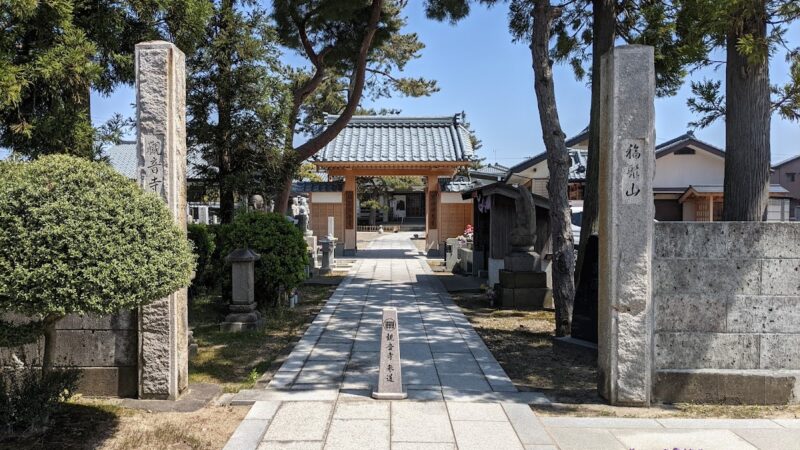
Passing through the temple gate, a well-maintained temple grounds unfolds, conveying the atmosphere of a place of daily training for monks. Especially in the early morning and evening, the sounds of chanting and Zen meditation can be heard, evoking a profound sense of spirituality for visitors.
Zen Meditation and Training Experience: Opportunities for Public Participation
Participation in Evening Zen Meditation (Yaza)
Daiei-ji Temple regularly holds evening Zen meditation sessions (Yaza) that are open to the public. These sessions offer a valuable opportunity to escape the daytime hustle and bustle and confront oneself in silence.
Beginners are welcome, and basic Zen meditation etiquette is carefully taught. This is ideal for those seeking to escape the stresses of modern society and find peace of mind.
Overnight Zen Meditation Experience
Daiei-ji Temple also offers overnight Zen meditation experiences. Over two days and one night, you can experience a lifestyle similar to that of a monk, including early morning meditation, samu (cleaning), and mealtime etiquette—the daily life of a Zen temple.
This experience is an excellent opportunity to reflect on daily life and refresh your mind and body. It is also used as a corporate training program and school educational program, receiving high praise from many participants.
How to Participate and Important Notes
Those wishing to participate in a Zen meditation experience or overnight Zen meditation must contact Daieiji Temple in advance. Due to its nature as a training monastery, participation without a reservation is not permitted. Please be aware of this.
Contact Information: 025-385-2032
Clothing should be comfortable and in subdued colors such as black or navy. Participants are expected to understand that this is a place of spiritual training and to participate with respect.
Annual Event: Setsubun Bean-Throwing Ceremony
Daieiji Temple’s Bean-Throwing Ceremony
The most lively annual event at Daieiji Temple is the Setsubun Bean-Throwing Ceremony. This event is also known as a traditional event in the Yokogoshi district of Konan Ward, and attracts many local residents and worshippers every year.
The Setsubun bean-throwing ceremony takes place after the monks have completed their rigorous winter ascetic practices. Winter ascetic practices are performed during the coldest part of winter and are an important form of training to strengthen the mind and body and dispel worldly desires.
From Winter Asceticism to Bean-Throwing: Sharing the Results of Training with the Community
After completing their winter ascetic training, the monks, with purified minds and bodies, participate in the bean-throwing ceremony. During the ceremony, lucky beans are scattered towards worshippers with wishes for family prosperity, good health, and business success.
The bean-throwing ceremony at Daiei-ji Temple is not merely a ritual; it holds profound meaning, sharing the results of their training with the community and bringing good fortune to people. The scattered beans include auspicious symbols, and it is believed that those who receive them will receive good luck for the year.
Bean-Throwing Ceremony Dates and How to Participate
The bean-throwing ceremony is held annually on Setsubun (around February 3rd). For specific times and details, please contact Daiei-ji Temple directly or check the Niigata City Konan Ward public relations.
The event is expected to be crowded with many worshippers, so early arrival is recommended. Parking is limited, so please consider using public transportation.
Basic Information and Access
Facility Overview
Official Name: Ryumeizan Daieiji Temple
Sect: Soto Zen Buddhism
Location: 3-3-18 Sawami, Konan-ku, Niigata City, Niigata Prefecture
Phone Number: 025-385-2032
Founding: Kan’ei 8 (1631)
Founding Priest: Shozan Zen’etsu Osho
Principal Image: Kannon Bodhisattva
Access Methods
Access by Train/Bus:
- Approximately 10 minutes by car from JR Shin’etsu Main Line “Kameda Station”
- Approximately 5 minutes on foot from Niigata Kotsu Bus “Sawami” bus stop
Access by Car:
- Approximately 15 minutes from Niigata Bypass “Meike Interchange”
- It’s easy to find if you use the Northern Culture Museum as a landmark (1-2 minute walk from the museum).
Parking: Available (spaces are limited, and may be full during events).
About Visiting
Daiei-ji Temple is an active training monastery, and part of the grounds are used as living space for the monks. While general visitors are welcome, please be mindful of quiet and respectful of the monks’ training.
If you wish to view the interior of the main hall or participate in a Zen meditation experience, please contact the temple in advance.
Nearby Tourist Attractions
Northern Culture Museum
Located a 1-2 minute walk from Daiei-ji Temple, the Northern Culture Museum is a museum housed in the former residence of the Ito family, a prominent wealthy farming family in Niigata Prefecture. It boasts a vast Japanese garden, magnificent architecture, and a valuable art collection, offering plenty to see.
Visiting both Daiei-ji Temple and the Museum will provide a deeper understanding of the history and culture of the Sawami area in Konan Ward.
Historical Walk in the Sawami Area
The Sawami area is a historically prosperous region, and in addition to Daiei-ji Temple, there are many historical buildings and sites scattered throughout. You can enjoy a leisurely stroll and learn about the area’s history.
Manners and Mindset When Visiting Daiei-ji Temple
Understanding its Nature as a Training Center
Daiei-ji Temple is not a tourist facility, but a specialized training center where monks still engage in rigorous training. When visiting, it is important to fully understand this point and be considerate so as not to disturb their training.
Please refrain from loud conversations and noisy behavior, and remain quiet on the temple grounds. Regarding photography, please be considerate and refrain from photographing the monks or the interior of the main hall.
Clothing and Belongings
When visiting, please avoid flashy or revealing clothing and aim for subdued attire. If participating in a Zen meditation experience, comfortable clothing in subdued colors such as black or navy is recommended.
While the temple grounds are relatively cool even in summer, they become extremely cold in winter, so please take adequate precautions against the cold.
About Goshuin (Temple Seals)
You can receive a Goshuin at Daieiji Temple. However, due to its nature as a training monastery, availability is not always guaranteed, so if you wish to receive a Goshuin, we recommend calling ahead to confirm.
It is important to bring your Goshuincho (stamp book) and make your request respectfully. A Goshuin is not merely a commemorative stamp, but a token bestowed by the temple as proof of your visit, so please treat it with respect.
The Role of Daieiji Temple in the Community
A Place to Convey Zen Teachings
For approximately 400 years, Daieiji Temple has continued to pass on the teachings of Zen to the community. In modern society, as the importance of inner peace and spirituality is being re-evaluated, the significance of training monasteries like Daieiji Temple is increasing.
Through Zen meditation experiences and Dharma talks, it provides opportunities for the general public to experience the teachings of Zen, serving as a place to reflect on mental health and ways of life.
Center of the Local Community
Annual events, including the Setsubun bean-throwing ceremony, provide important opportunities for local residents to gather. Daieiji Temple functions not merely as a religious facility, but also as a place to deepen the bonds of the local community.
Especially in the Yokogoshi district of Konan Ward, Daieiji Temple has played a central role both historically and culturally. It is an indispensable presence in telling the history of the region, and this role will continue in the future.
Preservation and Transmission of Cultural Properties
Preserving and passing on valuable cultural properties, such as the Mizoguchi family cemetery and the Basho haiku monument, is also an important role of Daieiji Temple. These cultural properties are valuable materials that tell the history of the region and are properly preserved and managed.
Summary: The Charm of Daieiji Temple and the Significance of Visiting
Located in Sawami, Konan Ward, Niigata City, Daieiji Temple has played an important role as the center of Zen Buddhism in Hokkoku for approximately 400 years since its founding in 1631. As a major training ground for Zen masters of the Soto Zen sect, it has produced many Zen masters and remains an active training center where monks diligently practice their disciplines.
The temple grounds contain cultural assets such as the tombs of the Mizoguchi family, lords of the Sawami domain, and a haiku monument to Basho, making it a temple of high historical value. The general public can participate in Zen meditation experiences and overnight stays, offering a valuable opportunity to regain the peace of mind and spirituality often lost in modern society.
The Setsubun bean-throwing ceremony is a beloved local tradition, a meaningful event that shares the fruits of the training with the community.
Its convenient location, within walking distance of the Northern Culture Museum, is also a major attraction, making it a must-visit spot when in Konan Ward. However, it is important to understand that it is an active training center and to visit with respect.
For those seeking inner peace, interested in Zen, or wanting to experience Niigata’s history and culture, Daieiji Temple is a must-see. When considering a visit, it is recommended to call ahead to confirm and make appropriate preparations beforehand.