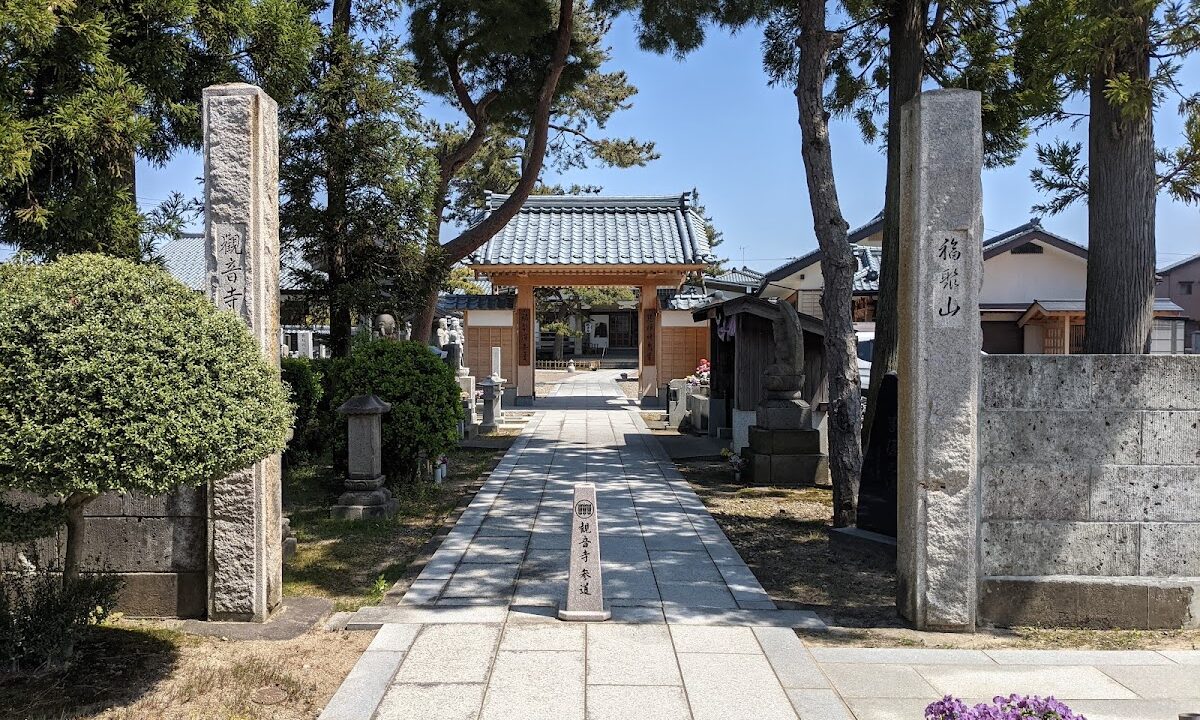
Kannonji Temple (Akiha Ward, Niigata City, Niigata Prefecture) Complete Guide | History, Goshuin (Temple Seal), and Access Information
Located in Shinmachi, Akiha Ward, Niigata City, Fukujusan Kannonji Temple is an ancient Soto Zen temple founded in 1615. It is the 10th temple on the Kanbara Thirty-Three Kannon Pilgrimage and is cherished by the local community. It is known as a historical temple housing a hidden Buddha image said to have been created by Prince Shotoku.
This article provides detailed information useful for visitors, including the history and highlights of Kannonji Temple, annual events, goshuin information, and access methods.
Basic Information about Kannonji Temple
Official Name: Fukujusan Kannonji
Sect: Soto Zen
Principal Image: Holy Kannon Bodhisattva
Founded: Genna 1 (1615)
Pilgrimage Site: 10th of the Kanbara Thirty-Three Kannon Pilgrimage Sites
Address: 2-5-51 Shinmachi, Akiha-ku, Niigata City, Niigata Prefecture 956-0862
Phone: 0250-22-1384
Corporate Number: 6110005001877
History and Origins of Kannonji Temple
Founding and Establishment of the Temple
Kannonji Temple is a Soto Zen temple founded in Genna 1 (1615). The first year of the Genna era (1615) marked the fall of the Toyotomi clan in the Summer Siege of Osaka and the establishment of the Tokugawa shogunate’s rule. During this period, Niitsu (present-day Akiha Ward) developed as part of the Shibata Domain, and Kannonji Temple was built as a center of local faith.
The temple’s mountain name, Fukujuzan, means “mountain where good fortune gathers,” symbolizing its role as a temple dedicated to the happiness of its people.
The Origin of the Principal Image, Said to be Created by Prince Shotoku
The principal image, the Holy Kannon Bodhisattva, enshrined in the main hall of Kannonji Temple, is said to have been created by Prince Shotoku. This statue, measuring 1 shaku 2 sun (approximately 36 cm) tall, has an ancient legend associated with it.
During the reign of Emperor Yomei, the 31st emperor (late 6th century), a disease swept through the country, causing great suffering to many people. Prince Shotoku, saddened and pitying this, is said to have carved the Holy Kannon Bodhisattva statue to alleviate the suffering of the people. This statue, over time, came to be enshrined at Kannonji Temple and has been carefully preserved to this day.
10th Temple of the Kambara Thirty-Three Kannon Pilgrimage
Kannonji Temple is counted as the 10th temple of the Kambara Thirty-Three Kannon Pilgrimage. The Kambara Thirty-Three Kannon Pilgrimage is a pilgrimage route of Kannon temples scattered throughout the Kambara region of Niigata Prefecture, a path of faith that has continued since the Edo period.
Pilgrims visit each temple, experiencing the compassion of Kannon Bodhisattva and praying for peace of mind and worldly benefits. Located in the heart of Niitsu, Kannonji Temple has been a transportation hub, attracting many pilgrims.
Highlights of Kannonji Temple
Modern Main Hall Architecture
The main hall of Kannonji Temple incorporates modern architectural styles, creating a space where tradition and modernity harmonize. Upon entering the hall, one can feel a warmth amidst the solemn atmosphere, and many worshippers offer their prayers in quiet contemplation.
The main hall houses the principal image, the Holy Kannon Bodhisattva, and a prayer space for worshippers is provided in front of it.
Special Unveiling of the Hidden Principal Image
The principal image of Kannonji Temple, the Holy Kannon Bodhisattva, is normally kept as a hidden image within a shrine and cannot be directly viewed. However, on August 10th each year, it is specially unveiled, allowing visitors to directly view its form.
On the day of the hidden image unveiling, many believers and worshippers visit to pay their respects to the precious Kannon statue, said to have been created by Prince Shotoku. This day is one of the most important events of the year for Kannonji Temple.
Atmosphere of the Temple Grounds
Although Kannonji Temple is located in the urban area of Akiha Ward, Niigata City, the temple grounds are enveloped in a tranquil atmosphere. The well-maintained temple grounds display different expressions throughout the seasons, offering particularly beautiful scenery during the cherry blossom season in spring and the autumn foliage season.
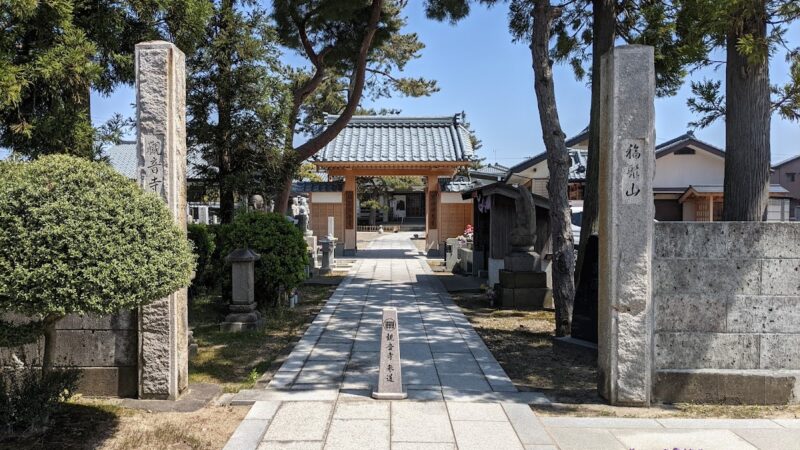
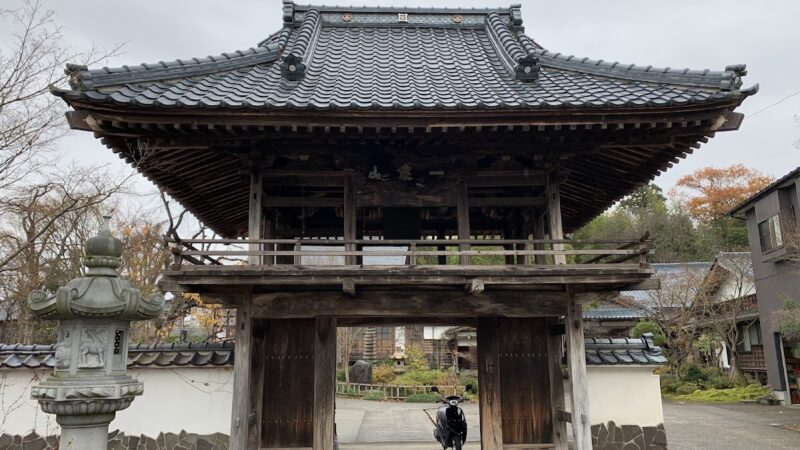
Upon passing through the main gate, the main hall stands majestically before visitors, its imposing presence welcoming them. The temple grounds also feature other temple buildings such as a bell tower and living quarters, conveying the dignified atmosphere of a Soto Zen temple.
Annual Events and Ceremonies
As a Soto Zen temple, Kannonji holds various ceremonies and events throughout the year.
Main Annual Events
- New Year’s Day: Shushō-e (New Year’s welcoming ceremony)
- Spring Equinox: Higan-e (Equinox memorial service)
- August 10th: Unveiling of the temple’s hidden Buddha statue
- Obon: Urabon-e (Buddhist festival)
- Autumn Equinox: Higan-e (Equinox memorial service)
- New Year’s Eve: Ringing of the temple’s bell
These events are attended by temple parishioners and local residents, who pray for ancestral remembrance and family safety. The unveiling of the hidden Buddha statue on August 10th, in particular, is a unique event of Kannonji Temple and attracts many visitors.
Zen Meditation and Sutra Copying Sessions
As a Soto Zen temple, Kannonji Temple offers opportunities to experience Zen meditation and sutra copying. Please contact the temple directly for detailed dates and times.
Zen meditation is a valuable time to calm the mind and confront oneself. Careful instruction is provided so that even beginners can participate.
Goshuin (Temple Seal) Information
Kannonji Temple offers Goshuin to visitors.
Goshuin Contents
- Ink Writing: “Holy Kannon Bodhisattva,” “Fukujusan,” etc.
- Red Seal: Kannonji Temple’s seal, and the seal of the 10th temple of the Kambara Thirty-Three Kannon Pilgrimage
- Offering Fee: Approximately 300-500 yen (may vary depending on the temple)
Those on the Kambara Thirty-Three Kannon Pilgrimage can receive Goshuin in a special pilgrimage notebook.
Etiquette When Receiving a Goshuin
Goshuin are given as proof of worship. Please observe the following etiquette.
- First, complete your prayers at the main hall.
- Bring your Goshuincho (stamp book) (pre-written stamps may be available).
- Visit during reception hours.
- Request politely.
- Prepare small change for the offering.
How to access Kannonji Temple
Access by train
From JR Shin’etsu Main Line “Niitsu Station”
- Walking: Approximately 10 minutes
- Taxi: Approximately 5 minutes
Niitsu Station is one of Niigata City’s main stations. It is approximately 20 minutes by local train and approximately 15 minutes by rapid train from Niigata Station. Kannonji Temple is within walking distance from the station, and the route is easy to follow through the city center.
Access by Car
From the Ban-etsu Expressway “Niitsu IC”
- Approximately 5 minutes (approx. 2 km)
From the Niigata Bypass “Takeo IC”
- Approximately 10 minutes (approx. 4 km)
From central Niigata City, it takes about 30 minutes via National Route 49.
Parking
Kannonji Temple has a parking lot for visitors. However, due to limited space, we recommend using public transportation during large ceremonies or events.
Address and Navigation
Address: 2-5-51 Shinmachi, Akiha-ku, Niigata City, Niigata Prefecture 956-0862
Phone: 0250-22-1384
Entering “Kannonji Temple, Akiha-ku, Niigata City” or the address into your car navigation system or smartphone map app will provide accurate directions.
Nearby Tourist Attractions
When visiting Kannonji Temple, why not also explore the tourist attractions around Akiha-ku?
Niitsu Railway Museum
This museum, located near Niitsu Station, offers a glimpse into the history of railways. Niitsu is known as a “railway town,” making it a particularly recommended spot for railway enthusiasts.
Niitsu Art Museum
One of Niigata Prefecture’s leading art museums, it houses a wide collection of Japanese and Western paintings, sculptures, and more. Special exhibitions are held regularly.
Akiba Park
A park where you can enjoy nature throughout the seasons, and is also known as a famous cherry blossom viewing spot. Perfect for strolls and picnics.
Niitsu Onsen (Hot Spring)
A hot spring facility located about 15 minutes by car from Kannonji Temple. Ideal for relaxing after visiting the temple.
Manners for Visiting Kannonji Temple
When visiting the temple, please observe the following basic manners.
Attire
- Avoid overly revealing clothing.
- Remove hats and sunglasses inside the main hall.
- Dress neatly and cleanly.
Etiquette for Visiting
- Main Gate: Bow before entering the temple grounds.
- Water Basin: Cleanse your hands and mouth (if available).
- Main Hall: Place your offering in the offering box and quietly clasp your hands together in prayer.
- Exit: Bow to the main hall before leaving the temple grounds.
Photography
Photography is generally permitted within the temple grounds, but photography inside the main hall or of Buddha statues may be prohibited. Always check with the temple staff if you have any questions.
About the Head Priest of Kannonji Temple
The current head priest of Kannonji Temple is known for his warm personality and is well-liked by the local community. According to some sources, he resembles the celebrity Kazuki Enari, and is characterized by his approachable demeanor.
The head priest is not only dedicated to performing memorial services for parishioners, but also actively engages in activities to spread Buddhist teachings and give sermons to local residents, operating the temple as an open space.
Kannonji Temple and the Local Community
Kannonji Temple serves not only as a religious institution but also as a central hub for the local community.
Participation in Local Events
Kannonji Temple cooperates with traditional events and festivals in Akiba Ward, contributing to the preservation of local culture. In particular, it actively participates in Bon Odori (Bon dance) and local cleanup activities.
The Parishioner System and Temple Management
As a Soto Zen temple, Kannonji Temple is supported by the parishioner system. Parishioners utilize the temple for ancestral memorial services, funerals, and Buddhist ceremonies, and the temple serves as a spiritual pillar for the parishioners.
In recent years, it has become possible for non-parishioners to visit the temple, receive temple seals, and participate in Zen meditation sessions, operating as an open temple.
About the Soto Zen School
The Soto Zen School, to which Kannonji Temple belongs, is one of Japan’s Buddhist sects and a branch of Zen Buddhism.
Characteristics of the Soto Zen School
- Founder: Dogen Zenji (Founder in Japan)
- Head Temples: Eiheiji Temple (Fukui Prefecture), Sojiji Temple (Kanagawa Prefecture)
- Teachings: “Shikantaza” – Simply and wholeheartedly practicing seated meditation
- Practice: The idea that daily life itself is practice
The Soto Zen School emphasizes awakening to one’s true self through seated meditation. Kannonji Temple also conducts religious services and practices based on this teaching.
Temple Culture in Akiha Ward, Niigata City
Akiha Ward (formerly Niitsu City) is a region that has flourished as a transportation hub since ancient times, and many temples are scattered throughout. Kannonji Temple is one of them, supporting the religious culture of the region.
Kannon Worship in the Kambara Region
Kannon worship has been prevalent in the Kambara region since ancient times, and the Kambara Thirty-Three Kannon Pilgrimage is a symbolic representation of this. People have relied on the compassion of Kannon Bodhisattva, praying for recovery from illness, family safety, and abundant harvests.
Kannonji Temple, as the 10th pilgrimage site, occupies an important position within this circle of faith.
Precautions When Visiting
Please note the following points when visiting Kannonji Temple.
Visiting Hours
General visits are recommended during daytime hours. It is recommended to check with the temple in advance for specific reception hours.
Visiting During Memorial Services
When funerals, memorial services, or other religious services are being held, general visits may be restricted. Please observe quietly or visit at a different time.
Inquiries
For details regarding visits and events, please contact the temple directly.
Phone: 0250-22-1384
Reception Hours: Weekdays 9:00 AM – 5:00 PM (approx.)
Summary
Fukujusan Kannonji Temple in Akiha Ward, Niigata City, is a historic Soto Zen temple founded in 1615. It houses a hidden Buddha image, the Holy Kannon Bodhisattva, said to have been created by Prince Shotoku, and attracts many worshippers as the 10th temple on the Kanbara Thirty-Three Kannon Pilgrimage.
The temple welcomes visitors in various ways, including annual events such as the unveiling of the hidden Buddha image on August 10th, the granting of temple seals, and Zen meditation sessions. Its convenient location, approximately a 10-minute walk from Niitsu Station, is also a major draw.
When visiting Akiha Ward in Niigata City, be sure to visit Kannonji Temple and experience the tranquil atmosphere of this temple with over 400 years of history and the compassion of Kannon Bodhisattva. You will find peace of mind and gain new insights.