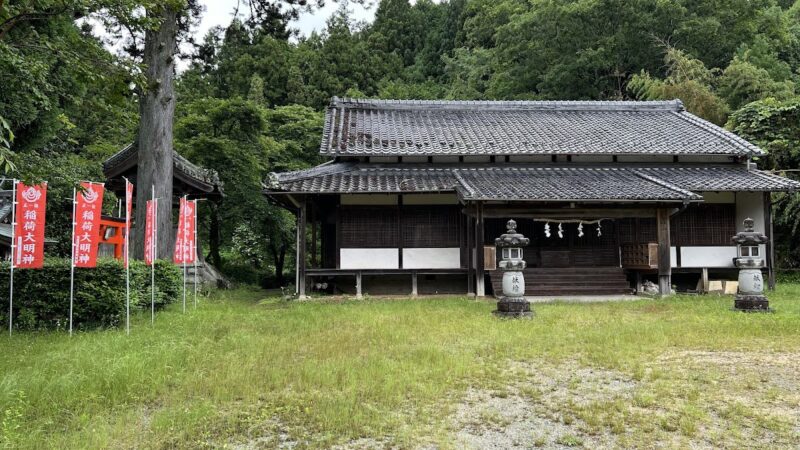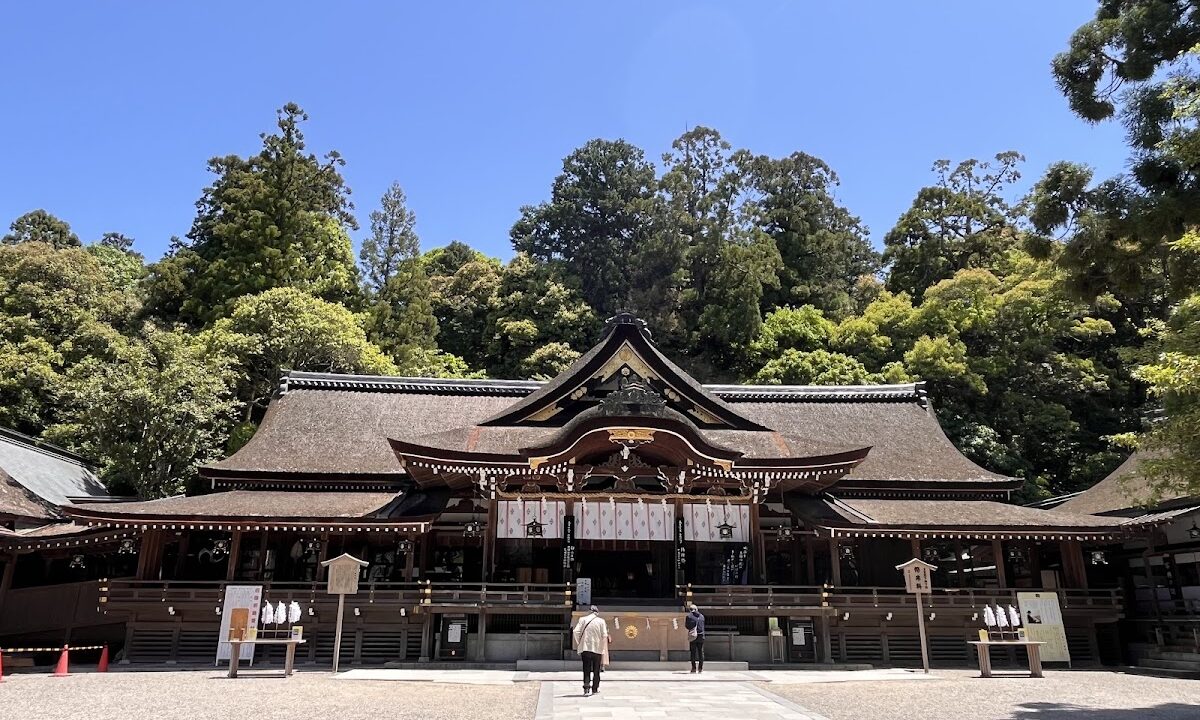
Daiganji Temple (Sakurai City, Nara Prefecture) Complete Guide | History, Access, and Visiting Information
Located in Sakurai City, Nara Prefecture, Daiganji Temple is a historic temple belonging to the Jodo sect. In Sakurai City, a region particularly rich in historical heritage within the ancient capital of Nara, Daiganji Temple, with its tranquil atmosphere, has long been cherished as a center of local faith. This article provides detailed information useful for those considering a visit, from basic information about Daiganji Temple to its historical background, access methods, and nearby attractions.
Basic Information about Daiganji Temple
Location and Contact Information
Daiganji Temple is located at 1090 Heiwa, Sakurai City, Nara Prefecture. Sakurai City is located in the southeastern part of the Nara Basin and flourished as the center of ancient Japan. Daiganji Temple has functioned as a spiritual center for the local residents in this historically rich land.
Basic Data:
- Address: 1090 Heiwa, Sakurai City, Nara Prefecture 633-0091
- Sect: Jodo-shu (Pure Land Buddhism)
- Chief Priest: Takamasa Minoya
- Religion: Buddhism
About the Sect
Daiganji Temple is a Jodo-shu temple. The Jodo-shu sect, founded by Honen Shonin, teaches that one can attain rebirth in paradise by chanting the Nembutsu, “Namu Amida Butsu.” Established during the Kamakura period, the Jodo-shu sect, with its simple practices, was widely accepted by ordinary people and remains one of the major Buddhist sects with many followers throughout Japan.
A key characteristic of the Jodo-shu sect is its emphasis on salvation through exclusive Nembutsu practice. The teaching that everyone can be equally saved simply by chanting the name of Amida Buddha, without requiring difficult training or academic study, has been a source of spiritual support for many people across generations.
Access Methods
Access by Train
Access to Daiganji Temple by public transport is primarily via train.
Nearest Stations:
- Kintetsu Osaka Line “Sakurai” Station
- JR Manyo Mahoroba Line (Sakurai Line) “Sakurai” Station
- JR Manyo Mahoroba Line “Miwa” Station (approx. 1.6km)
Kintetsu Sakurai Station and JR Sakurai Station are adjacent to each other. The Kintetsu Osaka Line is convenient from Osaka, and the JR Sakurai Line is convenient from Nara. While Miwa Station is within walking distance, it’s a bit further, so access from Sakurai Station is recommended.
Access by Car
If traveling by car, the temple is easily accessible from various locations within Nara Prefecture.
Travel Time from Major Cities:
- From Nara City: Approximately 30 minutes via National Route 169
- From Osaka City: Approximately 20 minutes from Tenri IC on the Nishi-Meihan Expressway
- From Kyoto City: Approximately 60 minutes via the Keina-Wa Expressway
Sakurai City is located in the center of the Nara Basin, making it easily accessible from Nara, Osaka, and Kyoto prefectures. However, the area around the temple is residential, so consideration for neighbors is necessary when visiting.
Parking Information
As with most temples, it is recommended to check parking availability for visitors in advance. There are also public parking lots in Sakurai City; please consider using them if needed.
Historical Background of Sakurai City
Center of Ancient Japan
Sakurai City occupies an extremely important position in Japanese history. It is believed that Iware, an ancient imperial capital, was located here, and it is known as the site where several emperors established their palaces.
In particular, many palaces were built in this region between the reigns of Emperor Sujin (10th Emperor) and Emperor Yuryaku (21st Emperor). Many place names frequently appearing in the *Nihon Shoki* and *Kojiki* remain, indicating that this area was an important stage in the formation of the Japanese nation.
The Introduction of Buddhism and Sakurai
Buddhism is believed to have been introduced to Japan in the mid-6th century, and the area around Sakurai City played a central role in its acceptance and development. Especially during the Asuka period, many temples were built in this region, and Buddhist culture flourished.
Although the Jodo sect, to which Daiganji Temple belongs, was established during the Kamakura period, it is considered to have a long history as a temple rooted in the Buddhist soil of this region.
Daiganji Temple as a Jodo Sect Temple
Doctrines of the Jodo Sect
The Jodo sect is a Buddhist sect that believes in the original vow of Amida Buddha and aspires to rebirth in the Pure Land by chanting the Nembutsu. The founder, Honen Shonin (1133-1212), transformed Buddhism from one centered on the aristocracy to a simple teaching that could save all.
Basic Teachings of the Jodo Sect:
- Exclusive Nembutsu: Chanting “Namu Amida Butsu” is the most important practice.
- Reliance on Other Power: Salvation through the compassionate power of Amida Buddha.
- Equal Salvation: Regardless of social status or education, all people have the potential to be saved.
The Role of the Temple
Daiganji Temple has played a role in the local community that goes beyond that of a mere religious institution. It has served as a place for Buddhist services such as funerals and memorial services, as well as a spiritual haven for local residents and a central hub of the community.
Even today, under the leadership of Chief Priest Takamasa Minoya, the temple continues to transmit Buddhist teachings while cherishing its bonds with parishioners and local residents.
Attractions Around Sakurai City
When visiting Daiganji Temple, we recommend also visiting the historical and cultural spots around Sakurai City.
Omiwa Shrine
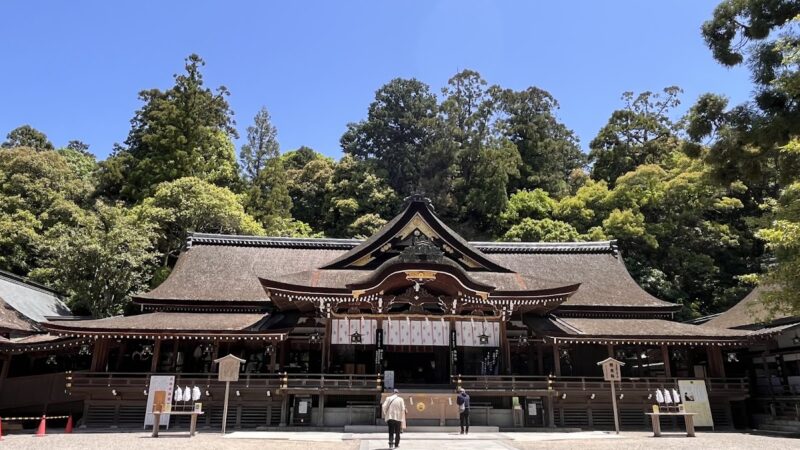
Omiwa Shrine, considered one of the oldest shrines in Japan, is a shrine with a unique form of worship that considers Mount Miwa as its sacred object. Located near Daiganji Temple, it offers a glimpse into the origins of Japanese religious culture.
Hase-dera Temple
Hase-dera Temple, known as the “Temple of Flowers,” is the head temple of the Buzan branch of the Shingon sect, located in Hatsuse, Sakurai City. Known for its beauty throughout the seasons, including peonies in spring and autumn leaves, it attracts many visitors.
Abe Monjuin Temple
Abe Monjuin Temple, counted as one of the three most important Monju temples in Japan, is revered as the god of learning. The statue of Monju Bodhisattva riding a lion, created by Kaikei, is a national treasure and well worth seeing.
Tanzan Shrine
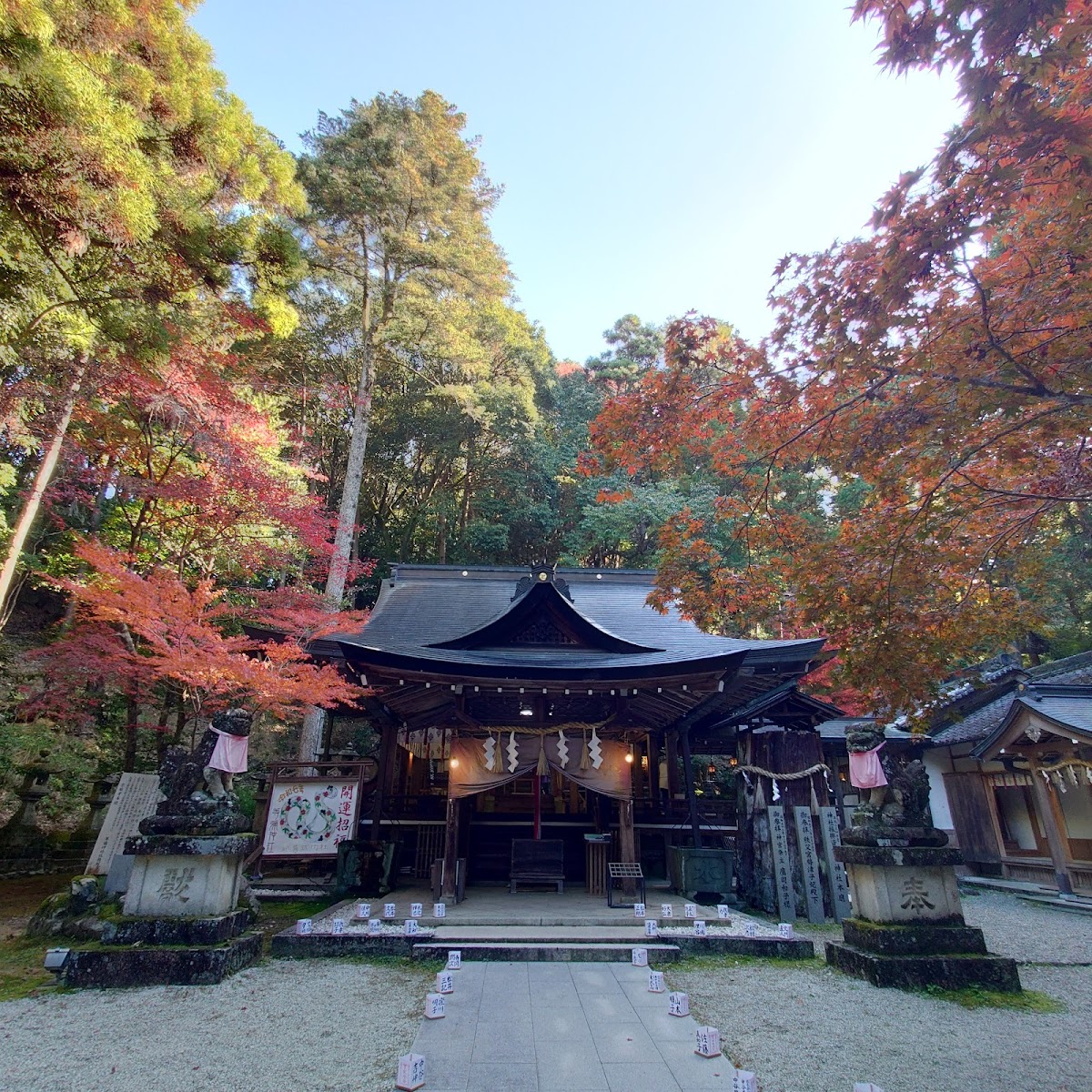
Although slightly further away, Tanzan Shrine, located in the mountainous area of Sakurai City, is a historically significant shrine that served as the setting for the Taika Reforms. Its autumn foliage, in particular, is so beautiful that it’s often referred to as the “Nikko of Kansai.”
Culture and Characteristics of Sakurai City
Places Associated with the Manyoshu
Sakurai City appears frequently as the setting for poems in the Manyoshu anthology. Poems about Mount Miwa are especially famous, demonstrating that this area has been cherished as a quintessential Japanese landscape since ancient times.
The city’s respect for Manyo culture is evident in various aspects, such as the naming of the “Manyo Mahoroba Line” railway line.
Traditional Events and Festivals
Sakurai City hosts a variety of traditional events throughout the year. Festivals such as the Miwa Omiwa Festival at Omiwa Shrine and the Kannon Mantokai at Hase-dera Temple, which have continued for centuries, form the cultural identity of the region.
At Daiganji Temple, the annual events of the Jodo sect are held, and traditions are passed down through the participation of parishioners and local residents.
Manners and Etiquette for Visiting a Temple
Basic Visiting Etiquette
When visiting a temple, it is important to observe basic manners.
Flow of Visiting a Temple:
- Bow at the Temple Gate: Bow before entering the temple grounds.
- Purification at the Water Basin: Purify your hands and mouth.
- Worship at the Main Hall: Quietly join your hands in prayer and pray with sincerity.
- Bow upon Departure: Bow again at the temple gate when leaving.
Jodo Sect Worship Method
At Jodo sect temples, you pray while silently or softly chanting “Namu Amida Butsu” (Homage to Amida Buddha). Join your hands in prayer, expressing gratitude to Amida Buddha and wishing for rebirth in paradise.
Attire and Belongings
No special attire is required, but please dress appropriately and respectfully, as this is a sacred place like a temple. Even in summer, avoid excessive exposure, and in winter, take adequate precautions against the cold.
Funeral and Memorial Services
Jodo Sect Funeral
Daiganji Temple conducts funerals according to the customs of the Jodo Sect. A Jodo Sect funeral is a ceremony to send the deceased to Amida Buddha’s Pure Land.
Characteristics of a Jodo Sect Funeral:
- Ceremony centered on chanting the Buddha’s name
- Prayers for rebirth in the Pure Land through the Indō ritual
- A calm and warm atmosphere
Memorial Services
In Buddhism, memorial services are held on the anniversary of the deceased’s death or at specific times. In the Jodo Sect, various memorial services are held, from the seven-day memorial service to the 49th-day, first-anniversary, and third-anniversary services.
At Daiganji Temple, we respectfully conduct memorial services for our parishioners, praying for the repose of the deceased and providing emotional support to the bereaved families.
Network of Jodo Sect Temples in Nara Prefecture
Buddhist Culture in Nara Prefecture
Nara Prefecture, as the birthplace of Japanese Buddhism, is home to a diverse range of temples of various sects. While numerous world-renowned ancient temples such as Todaiji, Kofukuji, and Yakushiji exist, locally rooted temples like Daiganji also play a vital role.
There are several Jodo Sect temples within Nara Prefecture, each functioning as a center of faith in its region. These temples cooperate with one another to spread the teachings of Jodo Sect and support the religious lives of their parishioners.
Jodo Sect in the Kansai Region
The Kansai region, particularly Osaka, Kyoto, Hyogo, and Nara prefectures, has many Jodo Sect temples. Kyoto is home to Chion-in, the head temple of the Jodo Sect, making the Kansai region an important area for Jodo Sect.
Daiganji Temple, as a member of this network, continues its activities in the community while participating in the activities of the entire sect.
The Role of Temples in Modern Times
As a Place of Spiritual Support
In modern society, temples have meaning beyond being mere religious facilities. In today’s stressful life, the quiet grounds of a temple serve as a place to calm the mind.
Daiganji Temple also serves as a place for visitors to escape from daily life and find peace of mind. The time spent chanting prayers and quietly joining hands is a valuable opportunity for spiritual refreshment for modern people.
Center of the Local Community
In today’s society, where the birthrate is declining and the population is aging, temples are important focal points of local communities. Through memorial services and annual events, they provide a place for local residents to gather and interact.
Especially for the elderly, temples are important places to maintain connections with society, and dialogue with the head priest and interaction with other parishioners play a role in preventing isolation.
Inheritance of Traditional Culture
Temples also play an important role in inheriting traditional Japanese culture. The temple preserves and passes down a wide range of cultural heritage, including Buddhist rituals, architectural styles, arts and crafts such as Buddhist statues and implements, and Buddhist thought as a spiritual culture.
At Daiganji Temple, efforts continue to preserve and pass on the traditional rituals and teachings of the Jodo sect to future generations.
Points to Note When Visiting
Importance of Prior Confirmation
When visiting a temple, it is recommended to check the opening hours and schedule of religious services in advance. Especially if you wish to have a private consultation or request a memorial service, it is polite to contact the temple beforehand.
Regarding Photography
Photography is generally permitted on the temple grounds, but there may be restrictions on photographing the interior of the main hall or Buddhist statues. It is advisable to check before taking pictures or to behave discreetly.
Maintaining Silence
Temples are places of prayer and meditation. Please refrain from loud conversations and noisy behavior, and worship quietly. Particular consideration is needed when religious services are being held, so as not to disturb them.
Sakurai City Tourist Information
Seasonal Charms
Sakurai City is a region with different charms throughout the four seasons.
Spring: There are many famous cherry blossom viewing spots, and the area around Omiwa Shrine, in particular, offers magnificent cherry blossom scenery.
Summer: A pleasant season with lush green mountains and refreshing air.
Autumn: The beauty of the autumn leaves is exceptional, and Hase-dera Temple and Tanzan Shrine are especially famous.
Winter: Visiting ancient shrines and temples enveloped in silence during winter is also a charming experience.
Food Culture
Nara Prefecture, including Sakurai City, is a region with a unique food culture. Miwa somen noodles are famous nationwide, and cold somen noodles are especially delicious in the summer. You can also enjoy Nara’s unique flavors, such as persimmon leaf sushi and Nara pickles.
Accommodation
There are accommodations such as inns, hotels, and guesthouses in and around Sakurai City. Those who wish to take their time and fully appreciate the history and culture of Sakurai City should consider staying overnight.
Summary
Daiganji Temple in Sakurai City, Nara Prefecture, is a community-based temple that continues to uphold the teachings of the Jodo sect. Within the rich history and culture of Sakurai City, which dates back to ancient times, the temple, under the guidance of its head priest, Takamasa Minoya, supports the religious lives of its parishioners and local residents.
It boasts excellent transportation access, being reachable from Kintetsu Sakurai Station and JR Sakurai Station. The surrounding area offers numerous historical and cultural sites where you can experience Japan, such as Omiwa Shrine, Hase-dera Temple, and Abe Monjuin Temple. Visiting these sites in conjunction with a visit to Daiganji Temple will provide a deeper spiritual experience.
The Jodo sect’s chanting of “Namu Amida Butsu” conveys a message of hope that everyone will be equally saved. In modern society, this simple yet powerful teaching provides spiritual support to many people.
When you visit Daiganji Temple, taking some time to quietly put your hands together in prayer and calm your mind will allow you to enjoy a peaceful moment away from the hustle and bustle of everyday life. In Sakurai City, Nara Prefecture, a treasure trove of history, Daiganji Temple continues to be an important presence that connects the past, present, and future.