Complete Guide to Date Shrine (Wakayama City, Wakayama Prefecture): History and Benefits of the Myojin Taisha Shrine of the Kii Three Shrines
Date Shrine (Itate Jinja/Idate Jinja), located in Sonobe, Wakayama City, Wakayama Prefecture, is a shrine that has played an important role in Kii Province since ancient times, as a Myojin Taisha shrine listed in the Engishiki (an ancient Japanese legal code). It is also known as “Sonobe Shrine” and, along with Shima Shrine and Shizuka Shrine, is known as one of the “Kii Three Shrines.” This article comprehensively introduces information you should know before visiting Date Shrine, including its history, enshrined deities, highlights within the grounds, and access methods.
History and Origins of Date Shrine
A Shrine with a Long and Proven History
Date Shrine is an ancient shrine said to have been established since the age of the gods, and its history is clearly recorded in historical documents. The “Six National Histories” mention “Date Shrine,” and the “Engishiki” (compiled in 927 during the Heian period) lists it as “Date Shrine in Nagusa District, Kii Province,” ranking it as a Myojin Taisha (a major shrine).
A Myojin Taisha is a shrine listed in the “Engishiki Jinmyocho” (a list of shrines compiled in the Heian period) that was considered to have particularly remarkable spiritual power, indicating that it received special reverence from the imperial court. Kii Province has 31 shrines listed in the Engishiki, and Date Shrine held an important position as one of the 13 major shrines among them.
Records in the Six National Histories
The “Nihon Sandai Jitsuroku” (a historical record of the Three Reigns of Japan), in its entry for January 27th, the first year of the Jōgan era (859), states, “Date Shrine in Kii Province, Junior Fifth Rank, Lower Grade, Eighth Order of Merit, entrusted to an official shrine,” recording that it was entrusted to an official shrine. This record is a valuable historical document showing that Date Shrine was officially recognized and considered important by the imperial court in ancient times.
Positioning as one of the Kii Three Shrines
Date Shrine, along with Shima Shrine (Nakanoshima, Wakayama City) and Shizuka Shrine (Wada, Wakayama City, a subsidiary shrine of Kamayama Shrine), is known as one of the “Kii Three Shrines.” The *Sumiyoshi Taisha Shindai-ki* (Records of the Age of the Gods of Sumiyoshi Taisha) describes Funatama-no-kami, the enshrined deity of Funatama Shrine, as “the god worshipped by the Ki clan of Kii Province, now known as the god of the three shrines of Kii,” indicating that these shrines were worshipped by the Ki clan.
The Kii Three Shrines played a crucial role as a center of faith in Kii Province from ancient to medieval times. Their deep connection to the ancient Ki clan is particularly significant, reflecting the history of development and faith in this region.
Changes Since the Edo Period
The *Kii Zoku Fudoki* (Continued Topography of Kii Province), a geographical record from the Edo period, contains detailed descriptions of Date Shrine. At that time, it was also known as “Ichinomiya Daimyojin” and “Gozu Tenno,” and was deeply revered by the local people.
The Meiji-era separation of Shinto and Buddhism led to significant changes in the shrine. Date Shrine was no exception; it was renamed “Sonobe Shrine” in the early Meiji period. Later, in 1873 (Meiji 6), it was elevated to the rank of a local shrine, a status it retains to this day.
Deities and Divine Virtues
Main Deity: Isotakeru-no-Mikoto
The main deity of Date Shrine is Isotakeru-no-Mikoto. Known as the son of Susanoo-no-Mikoto, Isotakeru-no-Mikoto is an important deity appearing in the Kojiki and Nihon Shoki.
According to mythology, Isotakeru-no-Mikoto, along with his father Susanoo-no-Mikoto, traveled from Silla to Japan and planted numerous tree species throughout the eight provinces of Japan. For this reason, he is also known as “Isaoshi-no-Kami” (the God of Merit) and has been revered as a deity with remarkable achievements in national development.
Enshrined Deity: Kamuyai-mimi-no-mikoto
At Date Shrine, Kamuyai-mimi-no-mikoto is enshrined alongside Isotakeru-no-mikoto. Kamuyai-mimi-no-mikoto was a son of Emperor Jimmu and is considered the ancestral deity of the Ki clan. This enshrinement indicates that Date Shrine had a deep connection with the Ki clan.
Divine Virtues and Blessings
Isotakeru-no-Mikoto is known as the god of forestry and construction, and is believed to possess the following divine virtues:
- Industrial Development: As the god who sowed tree seeds, he brings prosperity to all industries.
- National Land Development: Due to his achievements in national land management, he brings regional development and business prosperity.
- Safe Navigation: From the myth of crossing the sea with his father, he brings safe travel.
- Protection from Misfortune and Disaster: As the son of Susanoo-no-Mikoto, he provides protection from misfortune.
- Abundant Harvest: As the god who enriches the land, he protects agriculture.
Highlights of the Shrine Grounds
Shrine Buildings and Main Hall
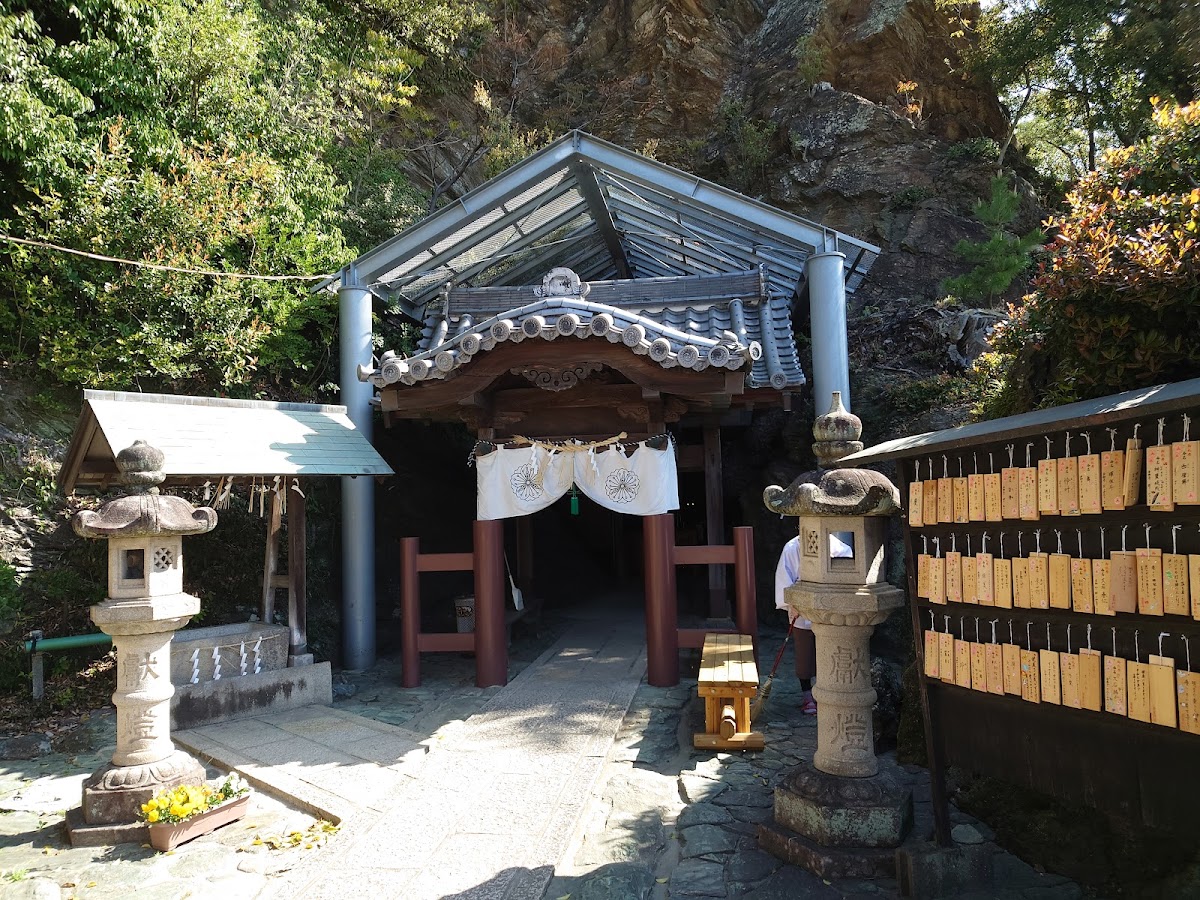
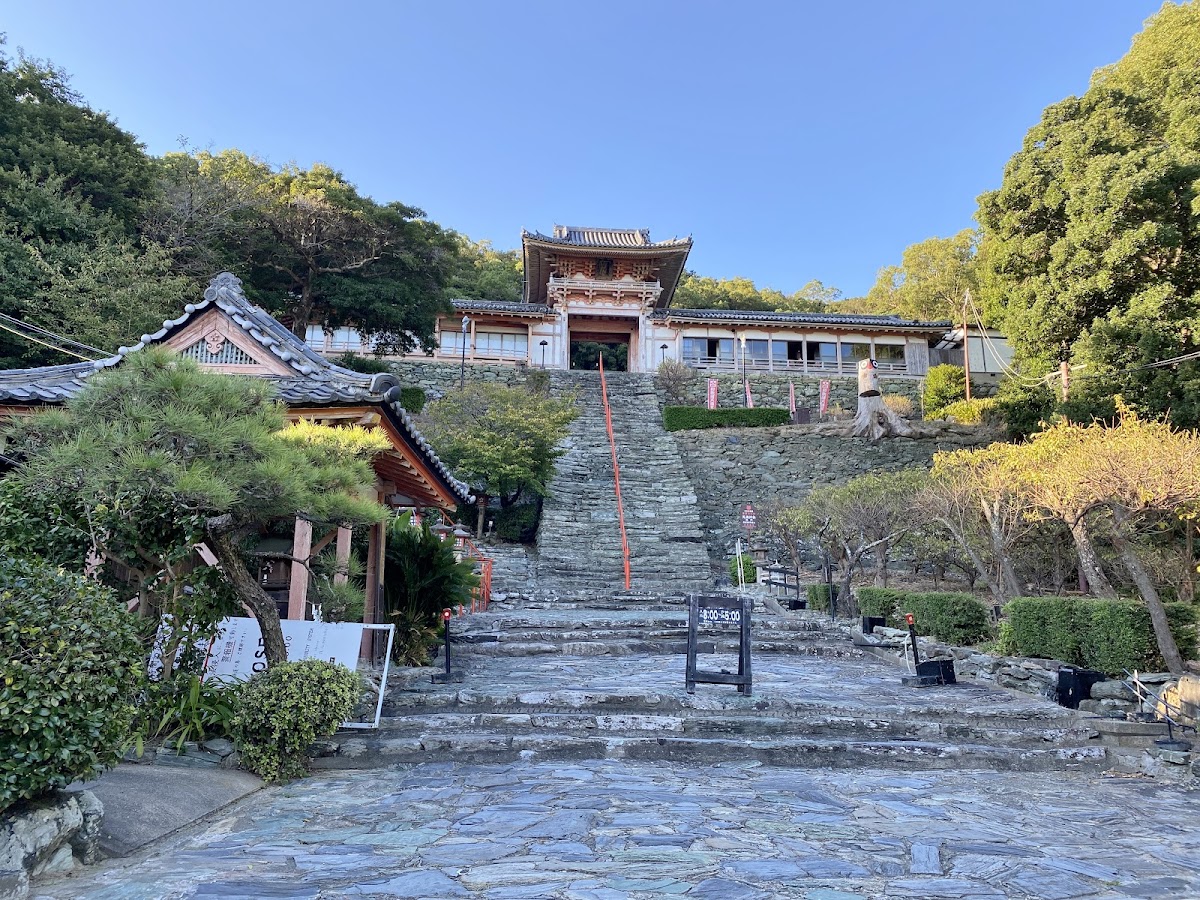
The grounds of Date Shrine are vast and characterized by their deep, expansive space. Passing through the torii gate, a tree-lined path continues north, enveloping you in a tranquil atmosphere.
The main hall is built in the nagare-zukuri style, and many smaller shrines are arranged around it. The layout of the shrine buildings conveys a sense of ancient forms of worship that are still practiced today.
Subsidiary Shrines and Auxiliary Shrines
Numerous subsidiary shrines line the perimeter of the main shrine. These shrines are evidence of the faith they have gathered from the local people throughout their long history, and they tell the story of Date Shrine being the center of local faith.
Approach to the Shrine and Shrine Grove
Along the approach to the shrine, ancient trees grow thick, creating a sacred space. The shrine grounds were once vast, and it is said that in the time of the previous generation, there was a wide approach where Yabusame (mounted archery) was performed during festivals. The current size of the grounds is attributed to the donation of the hillside behind the shrine as a schoolyard when the elementary school was established.
Annual Events and Festivals
Date Shrine holds various festivals throughout the year. These events convey traditions that have continued since ancient times and play an important role in strengthening the ties of the local community.
The main annual events include the annual grand festival and seasonal festivals, where local people gather to offer thanks to the gods. The autumn grand festival, in particular, features traditional Shinto rituals and attracts many worshippers.
About Goshuin (Shrine Seals)
Goshuin are available at Date Shrine. However, they may not be available if the chief priest is absent or away on business. Therefore, if you wish to be sure to receive a goshuin, it is recommended to check in advance.
The goshuin bears the calligraphy and red seal of “Shikinai Myojin Taisha Date Shrine,” and is received by many worshippers as a memento of their visit.
Access and Visiting Information
Location
Address: 1580 Sonobe, Wakayama City, Wakayama Prefecture
Transportation Access
Access by Train:
- Approximately 15 minutes on foot west from JR Hanwa Line “Rokujutani Station” (approx. 1 km)
- Located approximately 1 km north of the Kinokawa River
Access by Car:
- From National Route 7, head towards Yuko Elementary School
- Located behind Yuko Elementary School
- Parking available
Visiting Hours
While the shrine grounds are generally open for free visits, the shrine office is only open during daytime hours. If you wish to receive a Goshuin (shrine stamp) or prayers, it is recommended to contact the shrine in advance.
Related Shrines in the Surrounding Area
The Other Two Shrines of the Kisansho Shrine Group
When visiting Date Shrine, it is recommended to also visit the other two shrines of the Kisansho Shrine Group.
Shima Shrine (Nakanoshima, Wakayama City):
One of the three Kii Shrines, it has a long history dating back to ancient times, similar to Date Shrine.
Shizuka Shrine (Wada, Wakayama City, subsidiary shrine of Kamayama Shrine):
Currently enshrined as a subsidiary shrine of Kamayama Shrine, it holds an important position as one of the three Kii Shrines.
Other Nearby Shrines
Suimon Fukiage Shrine (Ono-cho, Wakayama City):
One of the Shikinaisha (shrines listed in the Engishiki) of Kii Province, it has a long history dating back to ancient times, similar to Date Shrine.
Cultural Value of Date Shrine
Importance as a Shikinaisha
Date Shrine is a highly prestigious shrine, ranked as a Myojin Taisha (a major shrine) among the Shikinaisha of Kii Province. Being counted as one of the 13 major shrines among the 31 Shikinaisha of Kii Province indicates that this shrine received special reverence from the imperial court in ancient times.
Studying Shikinaisha provides important clues to understanding the forms of belief and the structure of local communities in ancient Japan. Date Shrine is a valuable resource for such historical research.
Relationship with the Ki Clan
Date Shrine has a deep connection with the Ki clan, an ancient powerful family. From the descriptions in the *Sumiyoshi Taisha Shindai-ki* (Records of the Age of the Gods of Sumiyoshi Grand Shrine), it is clear that the Ki Sansho Shrine was “a deity worshipped by the Ki clan of Ki Province.”
The Ki clan played an important role in ancient Japan, particularly boasting power based in Kii Province. Date Shrine is a valuable cultural heritage site that conveys the history of the Ki clan’s faith and regional control.
Position in Local History
The Sonobe district, where Date Shrine is located, has been a developed area since ancient times, and has flourished against the backdrop of the fertile land of the Kinokawa River basin. The shrine has played a role in strengthening community ties as a center of local faith.
Detailed descriptions in the *Kii Zoku Fudoki* (Continued Topography of Kii Province) from the Edo period indicate that it was recognized as an important shrine even in the early modern period.
Manners and Etiquette for Visiting a Shrine
Basic Worship Etiquette
When visiting a shrine, please observe the following basic etiquette:
- Bow before passing through the torii gate: This is a sign of respect before entering the sacred area.
- Walk along the edge of the path: The center is considered the path of the gods.
- Purify yourself at the water basin: Purify your left hand, then your right hand, then your mouth.
- Worship at the main hall: Two bows, two claps, and one bow is the basic procedure.
Unique Points for Visiting Date Shrine
Date Shrine is a prestigious shrine, a Myojin Taisha (a high-ranking shrine), so it is important to worship with reverence. Walking slowly through the vast grounds and calming your mind in the tranquil atmosphere surrounded by trees will allow for a deeper experience.
Summary of the Charms and Highlights of Date Shrine
Date Shrine is a shrine with the following attractions:
- Historical Value: Its status as a Myojin Taisha (a major shrine) listed in the Engishiki (an ancient Japanese legal code)
- Cultural Significance: As one of the three Kii Shrines, it was the center of Kii Province’s faith
- Divine Virtues: The blessings of Isotakeru-no-Mikoto for industrial development and national development
- Natural Environment: A tranquil shrine grounds surrounded by trees
- Connection to the Community: The center of local faith that has continued since ancient times
When visiting Wakayama City, be sure to visit Date Shrine and experience its history of faith that has continued since ancient times and the divine virtues of Isotakeru-no-Mikoto. Visiting it along with the other Kii Shrines will allow you to gain a deeper understanding of the ancient faith of Kii Province.
Summary: The Significance of Visiting Date Shrine
Date Shrine is not merely a tourist spot, but a valuable cultural heritage site that conveys the history of ancient Japanese history and faith to the present day. As a historically significant shrine mentioned in the “Six National Histories” and “Engishiki,” and as one of the three Kii Province shrines, it is an indispensable presence for understanding the history and culture of this region.
Date Shrine, which enshrines Isotakeru-no-Mikoto, the god of land management, continues to attract worshippers seeking industrial development and business prosperity even today. Located in a quiet residential area of Sonobe, Wakayama City, this ancient shrine offers a peaceful retreat where you can reflect on its long and rich history.
Date Shrine holds an important position in various themed shrine pilgrimages, such as those focusing on the shrines listed in the Engishiki of Kii Province, the three Kii Province shrines, or shrines dedicated to Isotakeru-no-Mikoto. We encourage you to visit this historic shrine and experience its charm for yourself.