Complete Guide to Ebisu Shrine (Tagawa City, Fukuoka Prefecture) | Deities, Blessings, Access, and Festival Information
Ebisu Shrine, located in Tagawa City, Fukuoka Prefecture, is a historical shrine deeply rooted in the community and has long been cherished by local residents. This guide provides detailed information about the shrine, which enshrines Ebisu, known as the god of business prosperity and maritime safety, including its enshrined deities, blessings, history, highlights within the grounds, annual events, and access methods.
Basic Information on Ebisu Shrine
Ebisu Shrine is located in Tagawa City, Fukuoka Prefecture, and has long been revered as the local guardian deity. The Tagawa region has a history of prosperity as the center of the Chikuhō coalfield, and Ebisu Shrine has grown alongside the development of this region.
Location and Contact Information
- Location: Tagawa City, Fukuoka Prefecture (Please confirm the specific address before visiting)
- Access: The nearest stations are JR Tagawa-Gotōji Station or Tagawa-Ita Station
- Parking: Parking spaces for visitors are available on the shrine grounds or nearby (Details are best confirmed on-site)
About the Deity
The deity enshrined at Ebisu Shrine is a god widely worshipped as a god of fortune appearing in Japanese mythology.
Kotoshironushi-no-Mikoto
Kotoshironushi-no-Mikoto is a son of Ōkuninushi-no-Mikoto and played an important role in the myth of the transfer of the land. Known as the god of oracles and commerce, he is affectionately known as Ebisu-sama. He is often depicted holding a fishing rod and a sea bream, and is particularly revered by people involved in fishing and commerce.
Hiruko-no-Mikoto
Hiruko-no-Mikoto is a deity considered to be the first child of Izanagi-no-Mikoto and Izanami-no-Mikoto. As a god who drifted ashore from across the sea, he has been revered as the guardian deity of maritime safety and fishing. In the Ebisu faith, with Nishinomiya Shrine (Hyogo Prefecture) as its head shrine, he is often identified with Kotoshironushi-no-Mikoto as Ebisu-sama.
Benefits of Ebisu Shrine
Ebisu Shrine is believed to offer various benefits due to the divine virtues of its enshrined deity.
Business Prosperity
One of the most representative benefits of Ebisu-sama is business prosperity. Shop owners and business owners visit the shrine to pray for the development and prosperity of their businesses. It is also revered by shop owners and business people in Tagawa City.
Maritime Safety and Abundant Catch
Due to his nature as a god of fishing, he offers benefits for maritime safety and abundant catches. Although Tagawa City is located inland, it has a history of thriving water transport via the Onga River system, and is therefore also revered for its blessings of traffic safety.
Family Safety and Good Fortune
Ebisu, one of the Seven Lucky Gods, is known as a deity who brings peace and happiness to the home. Many worshippers visit to pray for family safety and good fortune.
Abundant Harvest
In the Tagawa region, where agriculture flourished, the blessing of an abundant harvest has also been highly valued. A belief in praying for bountiful harvests and safety in agricultural work is deeply rooted.
History of Ebisu Shrine
Origin of Founding
The exact founding date of Ebisu Shrine is unclear due to the loss of old records, but according to local elders’ traditions, it has been worshipped as a guardian deity of the region since before the Edo period.
Connection to the Tagawa Region
Tagawa City flourished greatly as the center of the Chikuhō coalfield from the Meiji era to the Showa era. As the population increased with the development of coal mines and a local community formed, Ebisu Shrine played an important role as a spiritual center for the local residents. As a deity of business prosperity, it also attracted fervent devotion from coal mining-related shops and businesses.
Role in Modern Times
Even after the closure of the coal mines in Tagawa City, Ebisu Shrine remains a central presence in the local community, continuing to attract the faith of local residents. It plays a role in preserving local traditions and passing them on to future generations.
Highlights of the Shrine Grounds
Main Hall
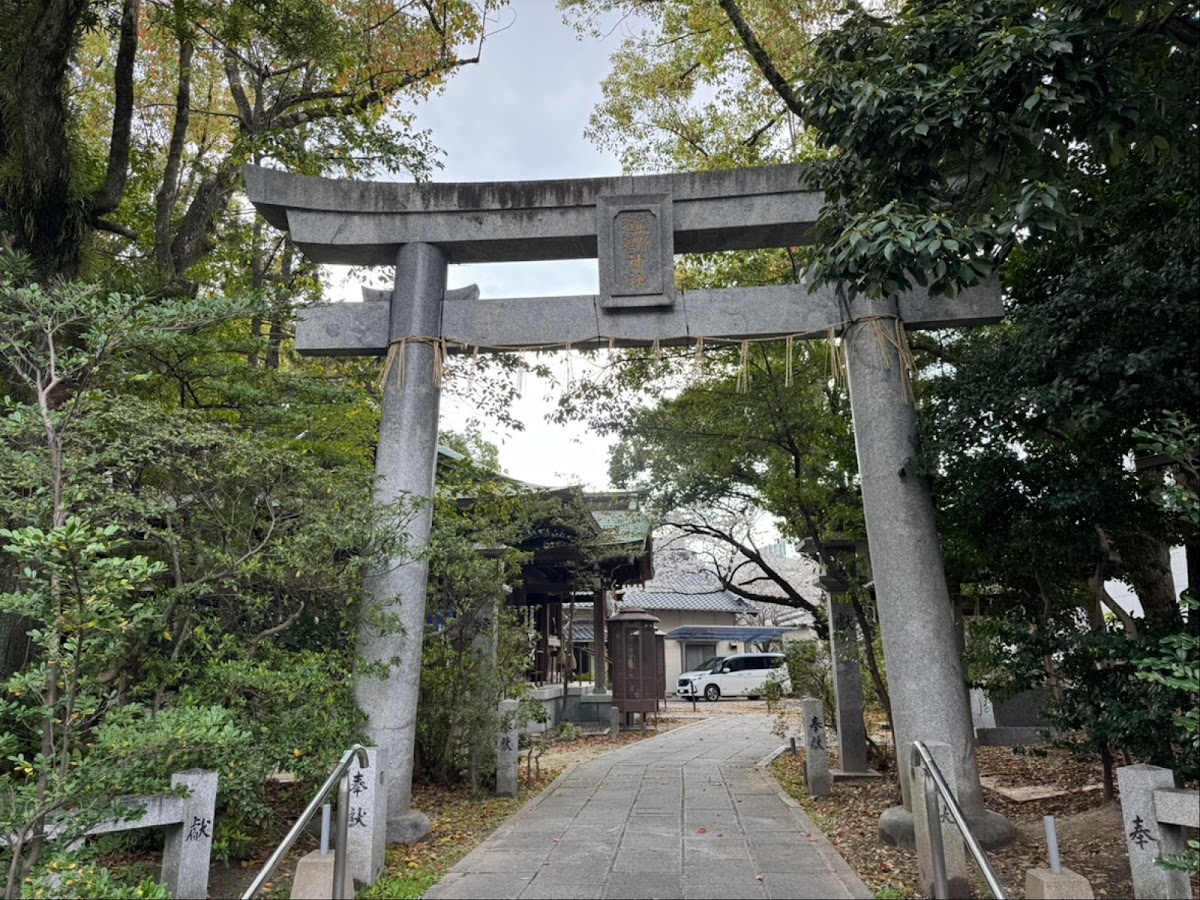
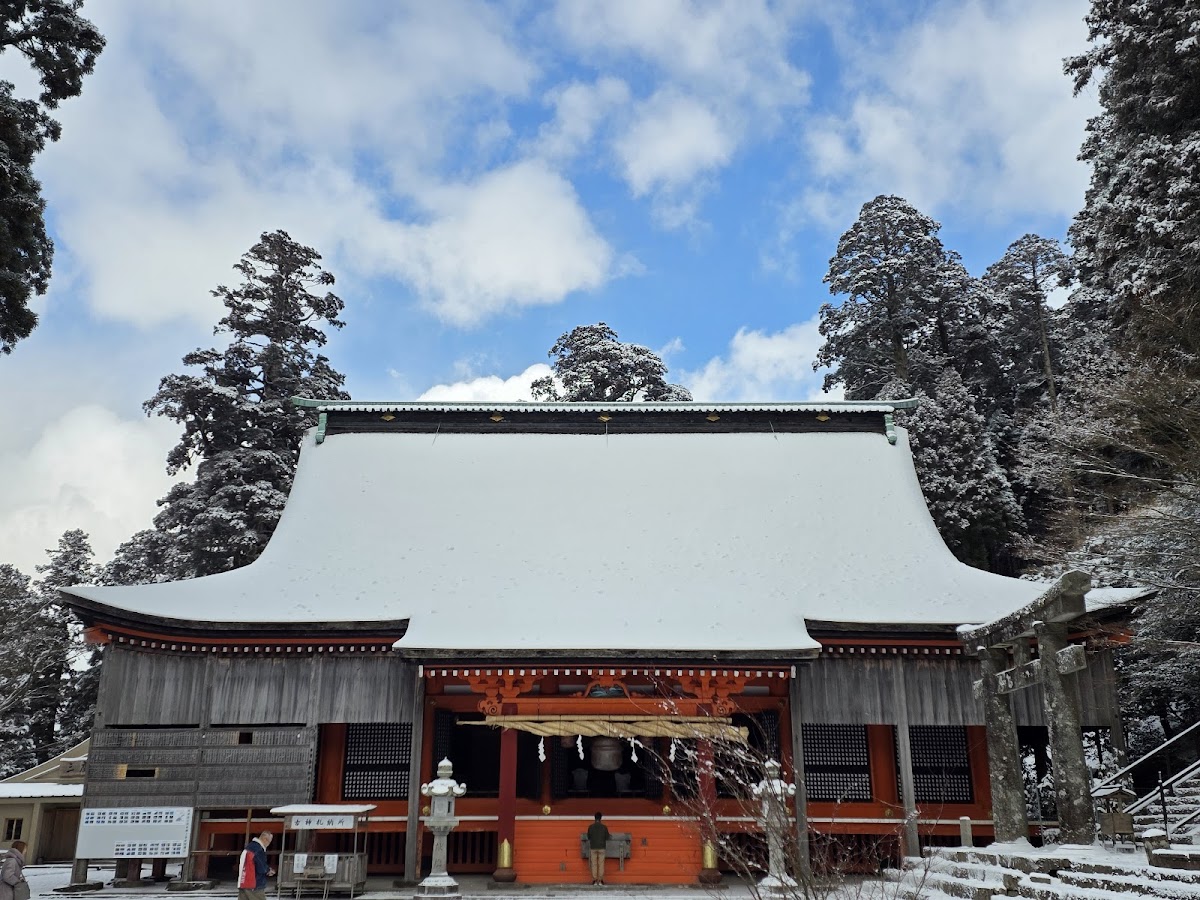
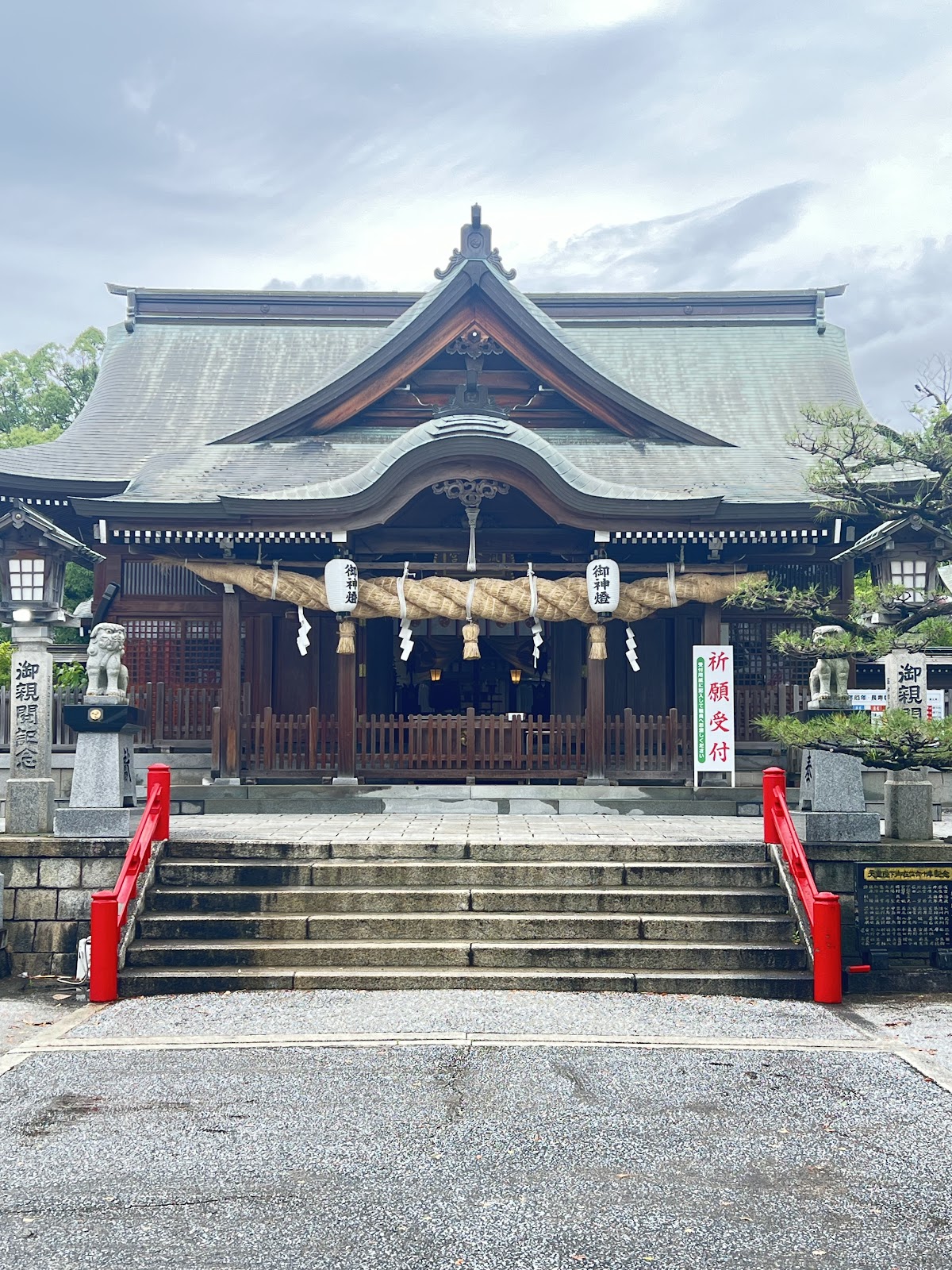
The main hall of Ebisu Shrine is built in the traditional style of shrine architecture, exuding a sacred atmosphere amidst its tranquil setting. When praying, please respectfully follow the two bows, two claps, and one bow ritual.
Shrine Buildings and Worship Hall
The worship hall, where worshippers offer their prayers, is carefully maintained by the local people. The well-maintained grounds offer a sense of peace to visitors.
Subsidiary Shrines
Around the main shrine, there may be subsidiary shrines dedicated to other deities worshipped in the region. Visiting these subsidiary shrines as well may allow you to receive deeper divine blessings.
Sacred Trees
Like many shrines, Ebisu Shrine may have sacred trees that have watched over the grounds for many years. These aged trees are valuable testaments to the shrine’s history.
Annual Festivals and Events
New Year’s Visit (January 1st-3rd)
Many local residents visit the shrine for New Year’s visits. It is bustling with people praying for safety throughout the year, the health of their families, and business prosperity.
Toka Ebisu Festival (Around January 10th)
As an important festival of the shrine dedicated to Ebisu, the Toka Ebisu Festival may be held. The shrine is bustling with worshippers praying for business prosperity, and lucky charms are sometimes given out.
Spring Grand Festival
The grand festival held in spring involves Shinto rituals praying for a bountiful harvest and the prosperity of the region. It’s an opportunity for local residents to gather and deepen their community bonds through traditional events.
Autumn Grand Festival
The autumn grand festival, held to give thanks for the autumn harvest and pray for a good harvest the following year, is also an important annual event. A portable shrine procession and offering ceremonies may be held.
Monthly Festival
The monthly festival, held on a fixed day each month, prays for the safety and prosperity of parishioners and worshippers.
Etiquette and Manners for Worship
Preparation Before Worship
When visiting a shrine, first purify your body and mind at the water basin. Purify your left hand, then your right hand, and finally rinse your mouth. Let us approach the shrine with a pure heart.
Procedure for Worship
- Bow before the torii gate before entering the shrine grounds.
- Cleanse your hands and mouth at the purification fountain.
- Approach the main hall and quietly place your offering.
- If there is a bell, ring it.
- Pray using the two bows, two claps, and one bow ritual.
- After praying, turn around and bow before leaving the torii gate.
Attire for Worship
There are no specific rules, but please be mindful of standing before the gods and strive for clean and neat attire. It is advisable to avoid overly revealing clothing.
Access Methods
Access by Train
Using the JR Hitahikosan Line/Gotōji Line
- The nearest stations are Tagawa-Gotōji Station or Tagawa-Ita Station.
- From the station, please walk, take a taxi, or take a bus.
- Travel time varies depending on the specific location of the shrine, so please check in advance.
Access by Car
From Fukuoka
- Take the Kyushu Expressway, exit at Yahata IC or Kokura-Higashi IC, and proceed to Tagawa City via National Route 322.
- Travel time is approximately 1 hour to 1 hour 30 minutes.
From Kitakyushu
- Take National Route 322 or a prefectural road to Tagawa City.
- Travel time is approximately 40 minutes to 1 hour.
Parking Information
- There may be parking spaces for visitors, but the number of spaces may be limited.
- Congestion is expected during festivals, so please consider using public transportation.
Access by Bus
Nishitetsu buses and city loop buses may be operating. We recommend checking the nearest bus stop and timetable in advance.
Nearby Tourist Attractions
Tagawa City Coal and History Museum
This museum allows you to learn about the history of coal mining in Tagawa City. You can learn about the prosperity of the Chikuhō coalfield and the lives of the people. Visiting in conjunction with a visit to Ebisu Shrine will give you a deeper understanding of the region’s history.
Kazeji Hachimangu Shrine
One of Tagawa City’s representative shrines, famous for the Kawawatari Shinkōsai (river crossing procession). This magnificent festival, counted as one of Fukuoka Prefecture’s five major festivals, is held every May.
Kawara-dake Mountain
A mountain that can be considered a symbol of Tagawa City, it has been an object of worship since ancient times. Its unique shape is a landmark of the Tagawa region.
Michi-no-Eki Itoda (Roadside Station Itoda)
A roadside station where you can purchase local specialties and fresh agricultural products. You can experience the food culture of the Tagawa region.
About Goshuin (Shrine Seals) and Gifts
Goshuin
We recommend checking in advance whether you can receive a Goshuin at Ebisu Shrine. Some shrines may not have a resident priest, so please inquire before visiting if you wish to receive a Goshuin.
Gifts
- Amulets: Amulets for business prosperity, family safety, traffic safety, etc., may be available.
- Lucky Charms: During festivals such as Toka Ebisu, lucky charms such as Fukuzasa (bamboo branches) and Kumade (rakes) may be available.
- Talisman: Talisman for enshrining in a household altar may also be available.
About Tagawa City
History of Tagawa City
Tagawa City is located in the central part of Fukuoka Prefecture and is one of the central cities of the Chikuhō region. From the Meiji era to the 1960s, it supported Japan’s modernization as the center of the Chikuhō coalfield. Traces of the era when it prospered from coal mining can still be found in various parts of the city.
Culture of Tagawa City
Tagawa City, where the history and culture of coal mining remain strong, preserves valuable cultural heritage, including the coal mining record paintings of Sakubei Yamamoto, which are registered as a UNESCO World Memory Heritage site. It is also known as the birthplace of famous entertainers such as Hiroshi Itsuki and Seiko Matsuda.
Local Products of Tagawa City
- Tagawa Horumon: Horumon hot pot, a beloved soul food of Tagawa City.
- Umegae Mochi: A traditional Japanese confectionary loved in the region.
- Agricultural Products: Rice, vegetables, and other agricultural products nurtured by the rich natural environment.
Precautions When Visiting
Visiting Hours
While shrine visits are generally possible from sunrise to sunset, the reception hours of the shrine office may be limited. Those wishing to receive Goshuin (shrine stamps) or other items should check the hours in advance.
Photography
Photography is generally permitted within the shrine grounds, but it may be advisable to refrain from taking photos inside the main hall or during Shinto rituals. When taking photographs, please be considerate of other worshippers.
Bringing Pets
Regulations regarding bringing pets vary by shrine. Please check in advance or follow the signs on the shrine grounds.
Connection with the Community
Parishioners’ Organization
Ebisu Shrine, as the local guardian shrine, is supported by its parishioners’ organization. Local residents cooperate in the maintenance and management of the shrine and the operation of festivals, playing a central role in the local community.
Participation in Local Events
Shrine festivals are important local events, and many residents participate. Through these events, intergenerational exchanges are fostered, deepening community bonds.
Preservation of Tradition
Amidst the declining birthrate and aging population, Ebisu Shrine is working to pass on its traditional events and beliefs to the next generation. Activities to teach local children about the history of the shrine and the significance of its festivals are also considered important.
About Ebisu Worship
Origin of Ebisu
Ebisu is a deity unique to Japan, and is considered the only Japanese deity among the Seven Lucky Gods. He is depicted holding a fishing rod and a sea bream, and, as the phrase “ebisu face” suggests, he is a beloved god who always smiles and brings good fortune.
Ebisu Worship Across Japan
There are numerous shrines dedicated to Ebisu throughout Japan, with Nishinomiya Shrine (Hyogo Prefecture), Imamiya Ebisu Shrine (Osaka Prefecture), and Kyoto Ebisu Shrine (Kyoto Prefecture) being particularly famous. The Ebisu Shrine in Tagawa City also plays a part in this nationwide Ebisu worship.
Worship as a God of Commerce
From the Edo period onward, as commerce developed, Ebisu became widely worshipped as a god of business prosperity. It became a custom for merchants to display statues and hanging scrolls of Ebisu and pray for business success.
Summary
Ebisu Shrine, located in Tagawa City, Fukuoka Prefecture, is a local guardian shrine known for its blessings of business prosperity, maritime safety, and family safety. It enshrines Kotoshironushi-no-Mikoto and Hiruko-no-Mikoto as its deities and has long been revered by local residents.
Ebisu Shrine, which has walked hand in hand with the history of Tagawa City, has played an important role as a central hub of the community, both during the coal mining era and in modern times. Various festivals are held throughout the year, including New Year’s visits, the Toka Ebisu festival, and the spring and autumn grand festivals, making it a gathering place for local people.
When visiting Tagawa City, be sure to visit Ebisu Shrine and experience the region’s history and culture. Praying in the tranquil grounds will cleanse your heart and give you renewed energy. Ebisu Shrine is worth visiting not only for those praying for business prosperity and family safety, but also for those interested in the history and culture of the Tagawa region.
When visiting the shrine, please observe proper etiquette and manners, and offer your prayers with respect to the deities. Visiting the shrine in conjunction with other nearby tourist attractions will allow you to experience the charm of Tagawa City more deeply. Please come and experience the warm atmosphere of Ebisu Shrine, which is deeply rooted in the local community.