Complete Guide to Juniso Shrine (Tagawa City, Fukuoka Prefecture) | History, Deities, Benefits, and Access Information
Juniso Shrine, located in Tagawa City, Fukuoka Prefecture, is a venerable shrine deeply intertwined with the local history. This article comprehensively introduces information useful for those considering a visit, including the shrine’s historical background, enshrined deities, benefits, highlights within the grounds, annual events, and detailed access information.
What is Juniso Shrine?
Juniso Shrine is a shrine located in Tagawa City, Fukuoka Prefecture, and has been deeply revered by local residents for many years. The Tagawa region has a history of prosperity as a coal mining town, and Juniso Shrine has also grown alongside the region’s development.
The shrine’s name, “Juniso” (Twelve Ancestors), is thought to be related to its enshrined deities and history, and many worshippers visit it as a guardian deity of the region. Situated in a quiet residential area surrounded by nature, it serves as a spiritual anchor for the local community.
History and Origins of the Twelve Ancestors Shrine
History of Founding
There are several theories regarding the exact founding date of the Twelve Ancestors Shrine. According to local oral traditions and ancient documents, it is believed to have been worshipped as the local tutelary deity since before the Edo period.
The Tagawa region has long been a thriving agricultural area, and it is thought that the shrine was built as a place to pray for a bountiful harvest and the peace and security of the region. Later, Tagawa developed significantly due to coal mining development from the Meiji era to the early Showa era. During this period, many people moved to Tagawa, and the Twelve Ancestors Shrine played an important role as a place to pray for the safety of coal miners and their families.
Changes Since Modern Times
Through the Meiji era’s separation of Shinto and Buddhism and the post-war reconstruction period, the Twelve Ancestors Shrine has changed along with the region. Even after the closure of the coal mines, the shrine has been maintained as a spiritual center for local residents and continues to this day.
It is carefully preserved by local parishioners and worshippers, and regular festivals and cleaning activities are held. In recent years, its value as a cultural asset that preserves the history of the region for future generations has also been recognized.
Deities and Benefits
Deities
The deities enshrined at the Twelve Ancestors Shrine are understood based on the shrine’s history and local traditions. The name “Twelve Ancestors” suggests that multiple deities are likely enshrined, and the following deities are considered:
- Amaterasu Omikami: The supreme deity in Japanese mythology
- Ubusunagami: The deity who protects the land
- Ujigami: The deity who protects the local clan
- Deities of Abundant Harvest: The guardian deities of agriculture
For specific information on the enshrined deities, it is recommended to check the notices posted at the shrine or inquire at the shrine office during your visit.
Benefits
The Twelve Ancestors Shrine is believed to offer the following benefits:
Family Safety and Good Health
As a guardian deity of the region, it protects the health and safety of families.
Abundant Harvest and Business Prosperity
You can pray for the development of agriculture and commerce. This benefit is unique to a shrine that has walked hand in hand with the industrial development of the Tagawa region.
Protection from Misfortune and Disaster
You can pray for protection from misfortune at important life events and protection from everyday disasters.
Peace and Tranquility of the Region
It has been a place of worship since ancient times, where people pray for the peace and prosperity of the entire region.
Prayers for Safety
During the coal mining era, it was a place to pray for labor safety, and today, people visit to pray for traffic safety and other safety concerns.
Highlights of the Shrine Grounds
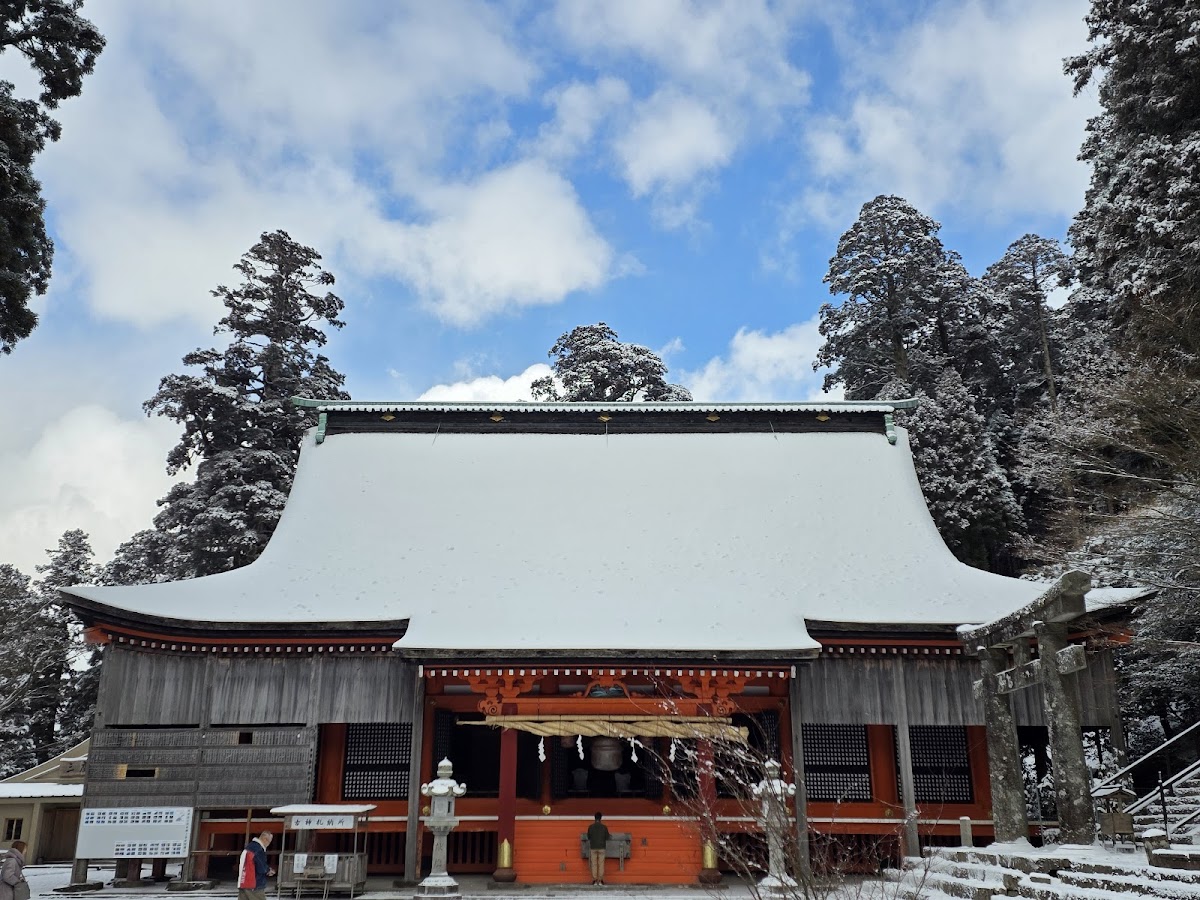
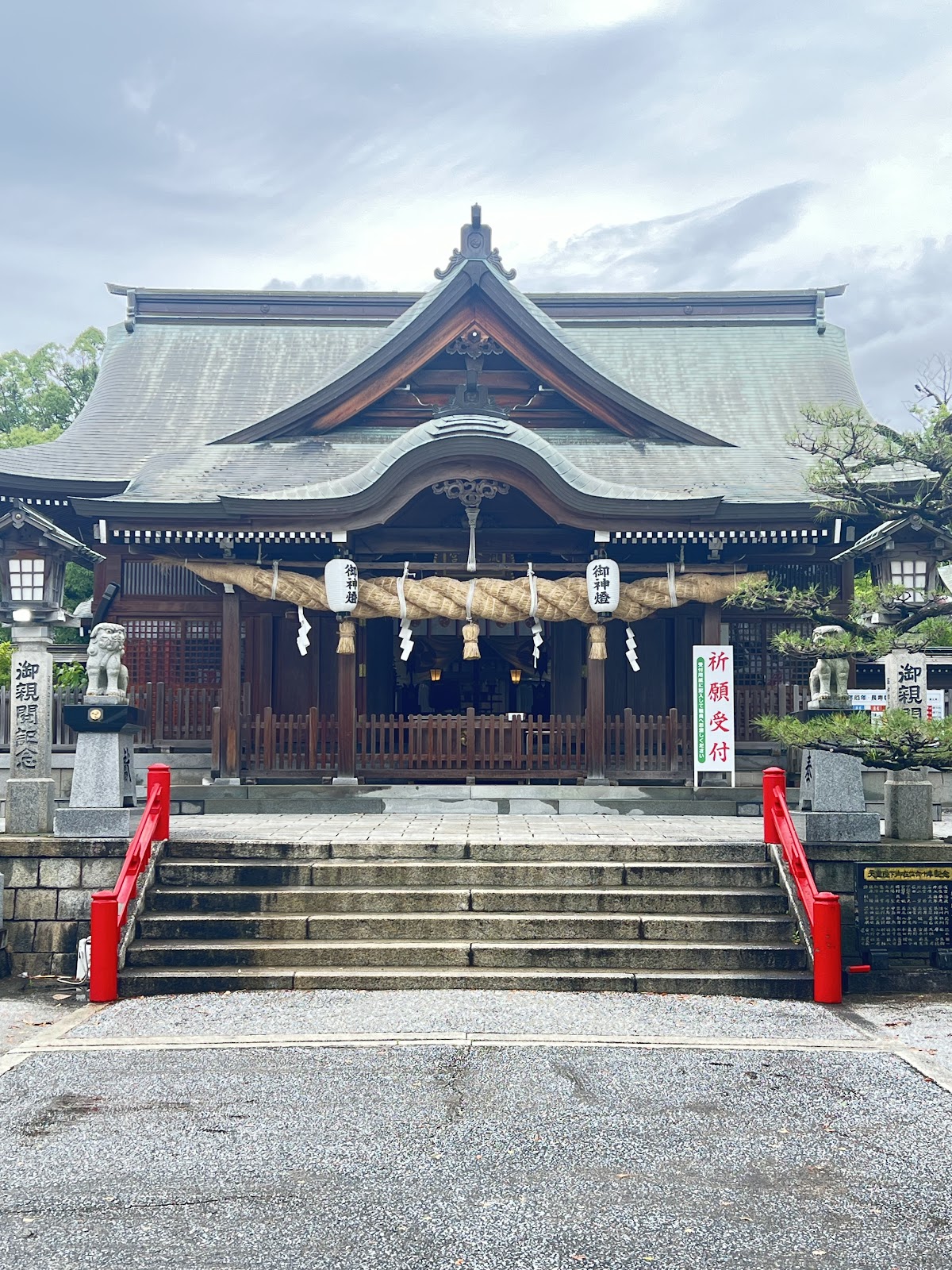
Main Hall and Worship Hall
The main hall and worship hall of the Twelve Ancestors Shrine maintain the style of traditional shrine architecture. The wooden buildings are regularly maintained, reflecting the deep respect the local people have for the shrine.
When visiting, please pray respectfully using the two bows, two claps, and one bow ritual.
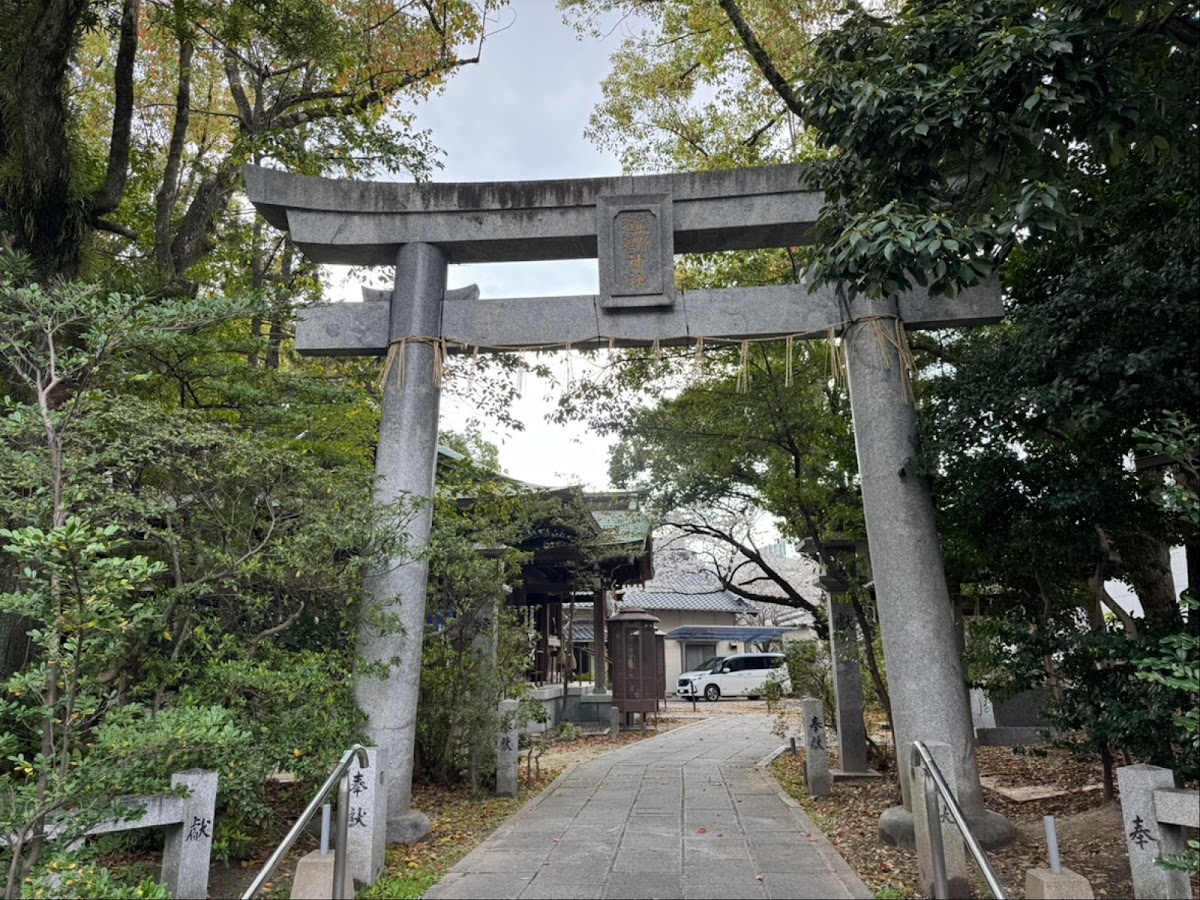
Torii Gate and Approach
A torii gate stands at the entrance to the shrine, and from there, an approach leads to the main hall. As you walk along the approach, calm your mind and prepare to enter the sacred area.
Subsidiary Shrines
In addition to the main hall, there may be small shrines and subsidiary shrines within the grounds. These are also cherished as objects of local faith.
Natural Environment
The shrine grounds and surrounding areas are lush with trees, allowing visitors to experience the beauty of nature throughout the seasons. Especially during the seasons of fresh greenery and autumn leaves, beautiful scenery awaits visitors.
Annual Events and Festivals
Grand Festival
At the Twelve Ancestors Shrine, the Grand Festival is held once or several times a year. The Grand Festival is the most important festival for the shrine, and many parishioners and devotees participate. The dates of festivals vary depending on the shrine and local customs, but they are generally held as spring or autumn festivals. During the festival, Shinto rituals are performed, and sometimes Kagura (sacred dance) and local traditional performing arts are showcased.
New Year’s Visit
Many local residents visit the shrine for their first shrine visit of the new year. This is an important event to pray for safety throughout the year and the health of their families.
Monthly Festival
Sometimes a monthly festival is held on a fixed day each month. This is a regular ritual of the shrine, performed by Shinto priests and parishioners’ representatives.
Collaboration with Local Events
The shrine is sometimes utilized in collaboration with local events and cultural festivals in Tagawa City. It plays a central role in the local community.
Etiquette and Manners for Worship
Basic Worship Etiquette
- Bow Before Passing Through the Torii Gate: As a sign of respect before entering the sacred area, bow before the torii gate.
- How to walk along the approach to the shrine: Since the center of the approach is considered the path of the gods, it is preferable to walk along the sides.
- Purifying yourself at the water basin: If there is a water basin, purify your left hand, then your right hand, and then your mouth.
- Worship at the main hall:
- Quietly place your offering in the offering box.
- Ring the bell if there is one.
- Pray using the two bows, two claps, and one bow ritual.
- Bow upon leaving: When leaving, turn around and bow once after passing through the torii gate.
Manners for Visiting the Shrine
- Please maintain silence and refrain from speaking loudly.
- Please take photographs only within permitted areas and refrain from taking pictures inside the main hall.
- Please take your trash with you and keep the shrine grounds clean.
- If you are bringing a pet, please follow the shrine’s rules.
Access Methods
Location
Address: Tagawa City, Fukuoka Prefecture (For detailed address information, please check on-site or at Tagawa City Hall or a local tourist information center.)
Access by Train
Using the JR Hitahikosan Line:
- The nearest stations are JR Tagawa-Ita Station or Tagawa-Gotōji Station.
- Access is possible by taxi or on foot from the station.
- If walking, the distance and time required will vary depending on the exact location of the shrine.
Using the Heisei Chikuhō Railway:
- Access is also possible from all stations on the Heisei Chikuhō Railway.
- Take a walk or taxi from a station within Tagawa City.
Access by Bus
It is also possible to use local buses operating within Tagawa City. Nishitetsu Bus and city buses operate to the shrine, so please check the nearest bus stop.
Access by Car
From Fukuoka City:
- Take the Kyushu Expressway, exit at Yahata IC or Kokura Higashi IC, and take National Route 201 to Tagawa City.
- Travel time is approximately 1 hour to 1 hour 30 minutes.
From Kitakyushu City:
- Take National Route 322 or National Route 201.
- Travel time is approximately 40 minutes to 1 hour.
From Oita:
- Take National Route 211 to Tagawa City.
Parking:
The availability and number of parking spaces vary depending on the size of the shrine. We recommend checking before your visit. You may also need to use nearby public parking lots.
Searching with Car Navigation/Map Apps
Searching for “Juniso Shrine Tagawa City” on your car navigation or map app may display the exact location. However, smaller shrines may not be registered, so it is recommended to check with the Tagawa City Tourist Information Center or local residents beforehand.
Nearby Tourist Attractions
Besides the Twelve Ancestor Shrines, Tagawa City has many other worthwhile tourist attractions.
Tagawa City Coal and History Museum
This museum allows you to learn about the history of coal mining in Tagawa City. You can learn about the history of the coal mining industry that once supported Japan’s energy supply, and the lives of coal miners. It also houses the Sakubei Yamamoto Collection, which is registered as a World Memory Heritage site.
Kazeji Hachimangu Shrine
This is a representative shrine of Tagawa City, and the “Kawawatari Shinkosai” festival held every May is one of Fukuoka Prefecture’s five major festivals. The sight of the gorgeously decorated floats crossing the river is breathtaking.
Kawara-dake Mountain
This is a symbolic mountain of Tagawa City, characterized by its unique three peaks. There are hiking trails where you can enjoy nature.
Michi-no-Eki Itoda
This roadside station allows you to purchase fresh local agricultural products and specialty goods. It’s also a convenient rest stop.
Inohizayama Mountain
This mountain, with an elevation of 458 meters, offers a panoramic view of Tagawa city from its summit. It’s suitable for mountain climbing and hiking.
History and Culture of Tagawa City
History as a Coal Mining Town
From the Meiji era to the Showa era, Tagawa City flourished as one of Japan’s leading coal mining areas. Many coal mines were developed, attracting workers from all over the country, and the population rapidly increased.
The coal mining industry played a crucial role in supporting Japan’s modernization, and Tagawa City was one of its centers. However, with the energy revolution and the shift from coal to oil as an energy source, coal mines closed one after another, and Tagawa City faced a major turning point.
Sakubei Yamamoto and Coal Mining Record Paintings
The coal mining record paintings by Sakubei Yamamoto, a coal miner from Tagawa City, were registered as a UNESCO World Memory Heritage site in 2011. This was the first World Memory Heritage registration in Japan, and it serves as valuable material for conveying the realities of coal mining to future generations.
Traditional Culture and Festivals
Tagawa City still preserves its long-standing traditional culture. From the Kawawatari Shinkosai (river crossing procession) of Fuchi Hachimangu Shrine to traditional festivals held in various areas, these contribute to the region’s identity.
Points to Note When Visiting
Visiting Hours
Shrines are generally open for worship during the day, but it’s best to avoid visiting early in the morning or late at night. Visiting during the hours the shrine office is open allows you to receive a Goshuin (shrine stamp) and obtain detailed information.
Attire
Casual clothing is acceptable, but please be mindful that it is a sacred place and dress cleanly and respectfully.
Seasonal Precautions
- Summer: Due to the strong sunlight, prepare a hat, sunscreen, and water.
- Winter: Take thorough precautions against the cold.
- Rainy Season: Bring rain gear.
About Goshuin
If you wish to receive a Goshuin, you must visit during the hours the shrine office is open. In the case of small shrines, there may not be a resident priest, so it is recommended to check in advance.
Connection with the Community
Parishioner Organization and Festivals
The Twelve Ancestor Shrine is supported by a local parishioner organization. Parishioners are people who live within the shrine’s sphere of influence and are involved in the maintenance and management of the shrine and the operation of festivals.
Annual festivals and cleaning activities are planned and implemented by an organization centered around the parishioner representatives.
A Hub for the Local Community
Shrines are not merely religious facilities; they play a central role in the local community. Through festivals and events, they become a place for interaction among local residents, fostering connections across generations.
Value as a Cultural Asset
The Twelve Ancestor Shrine also has aspects of a cultural asset that tells the history of Tagawa City. It is expected to be preserved and utilized as a valuable asset that will pass on the history of the region to future generations.
Tagawa City’s Local Products and Cuisine
When visiting the shrine, why not enjoy Tagawa City’s local products and cuisine? ### Hormone Hot Pot
Tagawa City is known as the birthplace of “hormone hot pot.” This local dish, a source of stamina for coal miners, has many restaurants serving it.
Tagawa Hormone Food Club
There are stamp rallies and other events that allow you to enjoy a food tour of hormone hot pot restaurants in Tagawa City.
Local Agricultural Products
Agriculture, including rice and vegetables, is thriving in the Tagawa region. Fresh local produce can be purchased at roadside stations and other locations.
Summary
Juniso Shrine is a historic shrine located in Tagawa City, Fukuoka Prefecture, and has been revered by the local people for many years. It has walked hand in hand with the history of Tagawa City, which prospered as a coal mining town, and continues to be a spiritual support for the local community.
When visiting, please pray quietly and sincerely, reflecting on the history of the shrine and the enshrined deities. Furthermore, Tagawa City has many other attractions, such as the Coal and History Museum and the Fuchi Hachimangu Shrine, so we recommend visiting them as well.
The Twelve Ancestor Shrine offers a peaceful time where you can feel the local traditional culture and history. When you visit Tagawa City, Fukuoka Prefecture, be sure to stop by.
Things to check before visiting:
- We recommend checking the exact location and visiting hours in advance at the Tagawa City Hall or a local tourist information center.
- Festival and event dates may change from year to year, so please check the latest information.
- If you wish to receive a Goshuin (shrine stamp), please check the opening hours of the shrine office in advance.
Enjoy your visit to the Twelve Ancestor Shrine while experiencing the rich history and culture of Tagawa City.