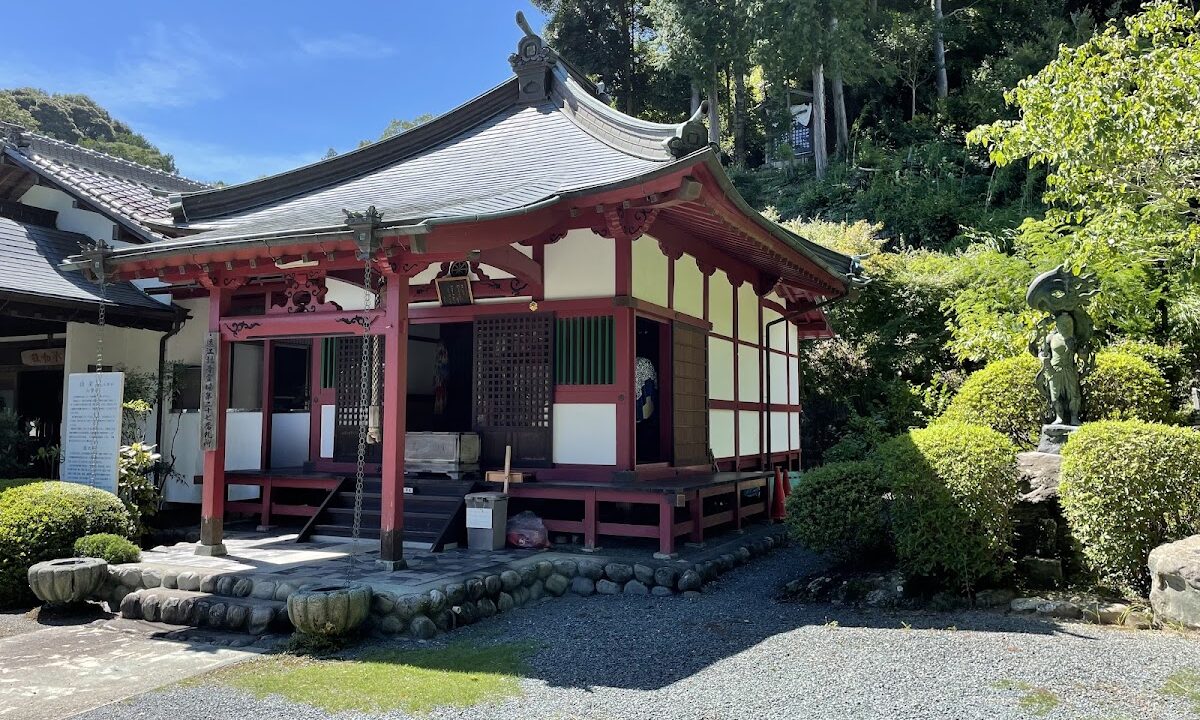
Complete Guide to Eihōji Temple (Kikugawa City, Shizuoka Prefecture) | Wild Monkey Experience, History, and Access Information
Located in the western part of Kikugawa City, Shizuoka Prefecture, Eihōji Temple is a Shingon sect Daigo school temple that has existed since the Edo period. It attracts worshippers as the 27th temple of the Tōtōmi Thirty-Three Kannon Pilgrimage and is also gaining attention as a tourist spot for its unique human-powered ropeway experience, “Yaen” (wild monkey).
This article comprehensively introduces information you should know before visiting Eihōji Temple, including its history, highlights, details of the Yaen experience, and access methods.
What is Eihōji Temple? | History and Origin of Takinoya Hōin
Formal Name and Founder of the Temple
The formal name of Eihōji Temple is “Ryūshōzan Eihōji,” and it is also known as “Takinoya Hōin.” This is an ancient temple of Shugendo (mountain asceticism) founded in 1616 (Genna 2), boasting a history of over 400 years.
The guardian (betto) of the Kannon Hall was known as “Takinotani Hoin,” and it was founded as a Shingon Buddhist temple (Yamabushi-dera) with Fudo Myoo as the principal image in the private Buddha hall. It has been known as “Kantakiin” for generations, preserving the ancient Japanese tradition of syncretism of Shinto and Buddhism.
27th Temple of the Totomi Thirty-Three Kannon Pilgrimage
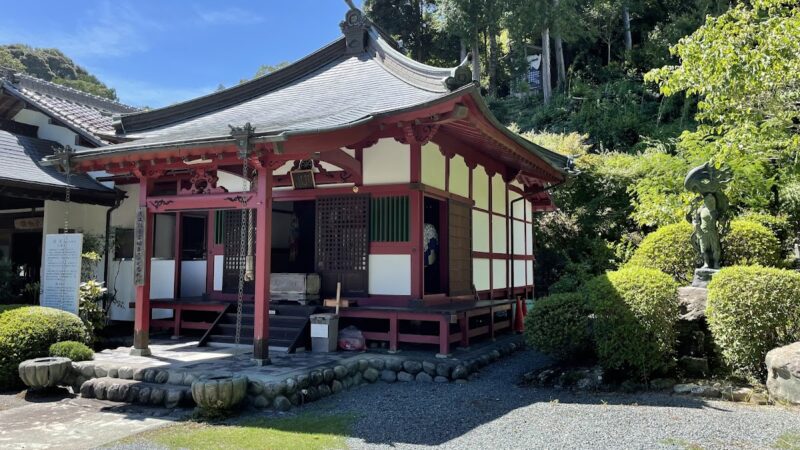
The Kannon Hall within the temple grounds, with Eleven-Faced Kannon Bodhisattva as its principal image, is the 27th temple of the Totomi Thirty-Three Kannon Pilgrimage, attracting many pilgrims. As a center of Kannon worship that has continued since the Edo period, it has been a spiritual haven for the local people.
As a temple belonging to the Shingon Daigo sect, it also performs incantations, prayers, divination, and consultations, continuing to uphold the traditions of Shugendo.
The Greatest Attraction of Eihoji Temple: The Yaen (Human-Powered Ropeway) Experience
What is a Yaen?
Many visitors to Eihoji Temple come specifically to experience the “Yaen.” The Yaen is an old-fashioned, human-powered ropeway used to cross steep valleys. A basket is placed on a rope stretched from the temple to the opposite bank, and visitors pull the rope themselves to move across.
This mode of transportation, rarely seen today, can be experienced firsthand at Eihoji Temple.
Details of the Wild Monkey Experience
Fee: Free (Reservation required at the temple)
How to Experience:
- Upon arrival at the temple, express your desire to participate in the wild monkey experience.
- Board the basket.
- Pull the rope yourself to move to the opposite bank.
- The starting point is downhill, so you will depart at considerable speed.
- From the halfway point onwards, it becomes uphill, requiring arm strength.
A Thrilling Experience:
While safety is ensured by the sturdy wire support, the experience of moving above the gorge under your own power offers a thrill that even those accustomed to roller coasters will find enjoyable. The downhill sections can be surprisingly fast, so you might be surprised at first.
Precautions for the Wild Monkey Experience
- The experience may be unavailable due to weather or temple circumstances.
- There may be weight or age restrictions, so it is recommended to check in advance.
- Please wear comfortable clothing.
- To prevent cameras and smartphones from falling, it is recommended to either secure them firmly or not bring them at all.
Eihōji Temple Grounds and Highlights
Three Historic Ponds
Within the grounds of Eihōji Temple, there are a total of three large ponds, the oldest dating back to 1670 (Kanbun 10). These ponds are surrounded by trees, allowing visitors to enjoy beautiful scenery throughout the seasons.
Spring: Cherry blossoms and fresh greenery reflected on the water’s surface
Summer: A cool space enveloped in deep green
Autumn: Autumn leaves color the ponds
Winter: A solemn atmosphere enveloped in silence
Even just strolling around the ponds provides a calming and healing experience.
Kannon Hall
The Kannon Hall, with its principal image being the Eleven-Faced Kannon Bodhisattva, welcomes many worshippers as one of the 33 Kannon pilgrimage sites of Tōtōmi Province. As a place of worship that has continued since the Edo period, it exudes a solemn atmosphere.
Natural Environment in the Mountain Village
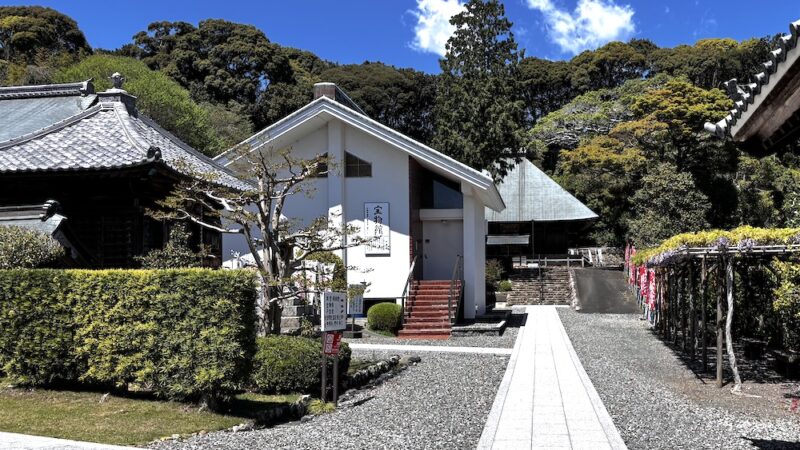
Eihōji Temple is located in the mountainous Nishikata district of Kikugawa City. Surrounded by abundant nature, its charm lies in its quiet environment, far removed from the hustle and bustle of the city. Visitors can leisurely stroll through the temple grounds while listening to the chirping of wild birds and the rustling of trees.
Legends and Beliefs of Eihōji Temple
Tradition of Shugendō
Eihōji Temple, as a Shugendō temple, preserves a unique religious culture that fuses mountain worship and esoteric Buddhism. Shugendo is a uniquely Japanese religion that seeks enlightenment through rigorous ascetic practices in the mountains, and was practiced by ascetics known as Yamabushi.
The alternative name, Takinotani Hoin, also indicates that this was a place of Shugendo deeply connected to the waterfalls and valleys of this area.
Fudo Myoo Worship
Fudo Myoo, the principal deity of the temple’s main hall, is an important Buddhist deity in Esoteric Buddhism. He is believed to possess the power to sever worldly desires and subdue evil, and has been particularly revered in Shugendo. Even today, prayers and rituals are performed at Eihoji Temple, and the worship of Fudo Myoo continues.
Kannon Worship and Pilgrimage Culture
Eihoji Temple is also a center of Kannon worship, as one of the 33 Kannon pilgrimage sites of Totomi Province. Kannon Bodhisattva has long been cherished by ordinary people as a compassionate Buddha who relieves people’s suffering. Pilgrims have sought peace of mind and merit by visiting each of the pilgrimage sites.
Access Information | How to Get to Eihōji Temple
Basic Information
Address: 6748-1 Nishikata, Kikugawa City, Shizuoka Prefecture
Postal Code: 439-0037
Sect: Shingon-shu Daigo-ha
Telephone Number: Please contact the Kikugawa City Tourism Association (0537-36-0201) in advance.
Access by Public Transportation
Nearest Station: JR Tokaido Main Line “Kikugawa Station”
It is approximately a 20-minute drive from Kikugawa Station. Access by public transportation alone is difficult, so we recommend using a taxi.
Access by Car
Using the Tomei Expressway:
- Approximately 15 minutes from Kikugawa IC
- Approximately 20 minutes from Kakegawa IC
Parking: There is parking space on the temple grounds (we recommend checking details in advance)
Car Navigation/Map App Settings
You can search for “Eihoji Temple, Kikugawa City” or “Takinotani Hoin” on your car navigation system or smartphone map app. Since it is located in a mountainous area, some roads are narrow, so please drive carefully.
Tourist Spots Around Eihoji Temple
Kotonomama Hachimangu Shrine
In the area stretching from Kikugawa City to Kakegawa City, you will find Kotonomama Hachimangu Shrine, known for granting wishes. Visiting it together with Eihoji Temple will allow you to enjoy a more fulfilling pilgrimage and sightseeing experience.
Roadside Station Kakegawa
At Roadside Station Kakegawa, located about 30 minutes by car from Eihoji Temple, you can purchase local specialties and fresh agricultural products. Perfect for taking a break or buying souvenirs.
Nishitomita Firefly Village
As a spot to enjoy the nature of Kikugawa City, Nishitomita Firefly Village is also recommended. In early summer, you can enjoy the magical light of fireflies.
Deep-Steamed Tea of Kikugawa City
Kikugawa City is known as the birthplace of deep-steamed tea. When visiting Eihoji Temple, why not try authentic deep-steamed tea at a local tea shop?
Best Season and Time Required for Visiting Eihoji Temple
Recommended Season
Spring (March-May): Beautiful fresh greenery and pleasant weather. The temple grounds are vibrant during cherry blossom season.
Autumn (October-November): The most beautiful scenery can be enjoyed when the autumn leaves are reflected in the pond. The weather is comfortable and perfect for a stroll.
Summer (June-August): Surrounded by deep greenery, you can feel the coolness. However, insect repellent is necessary.
Winter (December to February): You can experience a solemn atmosphere enveloped in silence. Be sure to dress warmly.
Estimated Time Required
- Strolling the temple grounds only: 30-45 minutes
- Including the wild monkey experience: 1-1.5 hours
- Enjoying photography and meditation at your leisure: Approximately 2 hours
By allowing ample time, you can slowly appreciate the atmosphere of the temple.
Clothing and Items to Bring When Visiting Eihoji Temple
Clothing Precautions
- Comfortable clothing: Especially important if you plan to experience the wild monkeys.
- Comfortable walking shoes: Sneakers are recommended as the temple grounds utilize the natural terrain.
- Seasonal precautions: Hat and insect repellent in summer, warm clothing in winter.
Items to Bring
- Camera/Smartphone (Take precautions to prevent dropping)
- Drinks (Especially in summer)
- Towel
- Goshuincho (For those on a pilgrimage to the 33 Kannon temples of Totomi)
- Insect repellent spray (In summer)
Manners for Visiting Eihoji Temple
Basic Worship Etiquette
- Bow at the temple gate: Bow before entering the temple grounds.
- Purify yourself at the water basin: Purify your hands and mouth (if there is a water basin).
- Worship quietly: Pray quietly at the Kannon Hall.
- Photography: Please be aware of areas where photography is prohibited, such as inside the main hall.
- Take your trash home: Let’s protect the natural environment.
Characteristics as a Shugendo Temple
Eihōji Temple is a temple with a tradition of Shugendō (mountain asceticism). If you wish to receive blessings, prayers, or consultations, it is recommended to contact the temple in advance and make a reservation.
Points to enjoy the charm of Eihōji Temple to the fullest
Weekday visits are recommended
The wild monkey experience is popular, so it may be crowded on weekends. If you want to stroll around the temple grounds at a leisurely pace, a weekday visit is recommended.
Make sure to contact in advance
If you want to be sure to enjoy the wild monkey experience, contact the temple or the Kikugawa City Tourism Association in advance to check the operating status and available times.
Visiting in each season
Eihōji Temple shows a different face in each season. By visiting not just once, but multiple times in different seasons, you can appreciate its charm more deeply.
Combining with Nearby Sightseeing
Kikugawa City and Kakegawa City offer many other attractive tourist spots. Why not plan a trip to enjoy the entire area, using Eihoji Temple as your base?
Summary | Eihoji Temple: A Charming Temple Where History and Experiences Blend
Eihoji Temple in Kikugawa City, Shizuoka Prefecture, is a unique temple that combines the history of a Shugendo temple dating back to the Edo period with the appeal of a tourist spot offering a rare wild monkey experience.
While attracting worshippers as the 27th temple of the Totomi Thirty-Three Kannon Pilgrimage, it also offers a unique free experience with its human-powered ropeway, “Noyaru” (Wild Monkey), allowing visitors to enjoy both worship and sightseeing.
The temple grounds, surrounded by a historic pond dating back to 1670 and abundant nature, offer beautiful scenery throughout the seasons. It’s a place we highly recommend for those who want to escape the hustle and bustle of the city and quietly connect with nature and history.
It’s relatively easy to access, about a 20-minute drive from Kikugawa Station and close to the Kikugawa Interchange on the Tomei Expressway. Enjoy a special experience at Eihoji Temple while experiencing the charm of Kikugawa City, the birthplace of deep-steamed green tea.
While we recommend checking in advance for the wild monkey experience, you can explore the temple grounds at any time. When visiting Shizuoka Prefecture, be sure to add Eihoji Temple to your travel destinations. Its history, nature, and thrilling experiences are sure to create unforgettable memories.